Pet-Friendly Sofa Fabrics

Clara Townsend
Clara Townsend is an interior stylist, vintage furniture enthusiast, and the creative voice behind Velvet Abode. With over a decade of experience transforming both cramped city apartments and sprawling fixer-uppers, she believes that a beautiful home is built on personal stories rather than massive budgets. When she isn't hunting for the perfect brass sconce at a local flea market, she can usually be found rearranging her living room for the third time this month.
If you live with a pet, your sofa is not just seating. It is a nap zone, a lookout tower, a post-bath “drying station,” and occasionally the place your cat chooses to announce their opinions about your throw pillow arrangement.
The good news is that a pet-friendly sofa does not have to look like a compromise. The secret is picking a fabric that matches your pet’s particular brand of chaos, then sticking to a simple care rhythm that keeps grime from settling in like a permanent roommate.
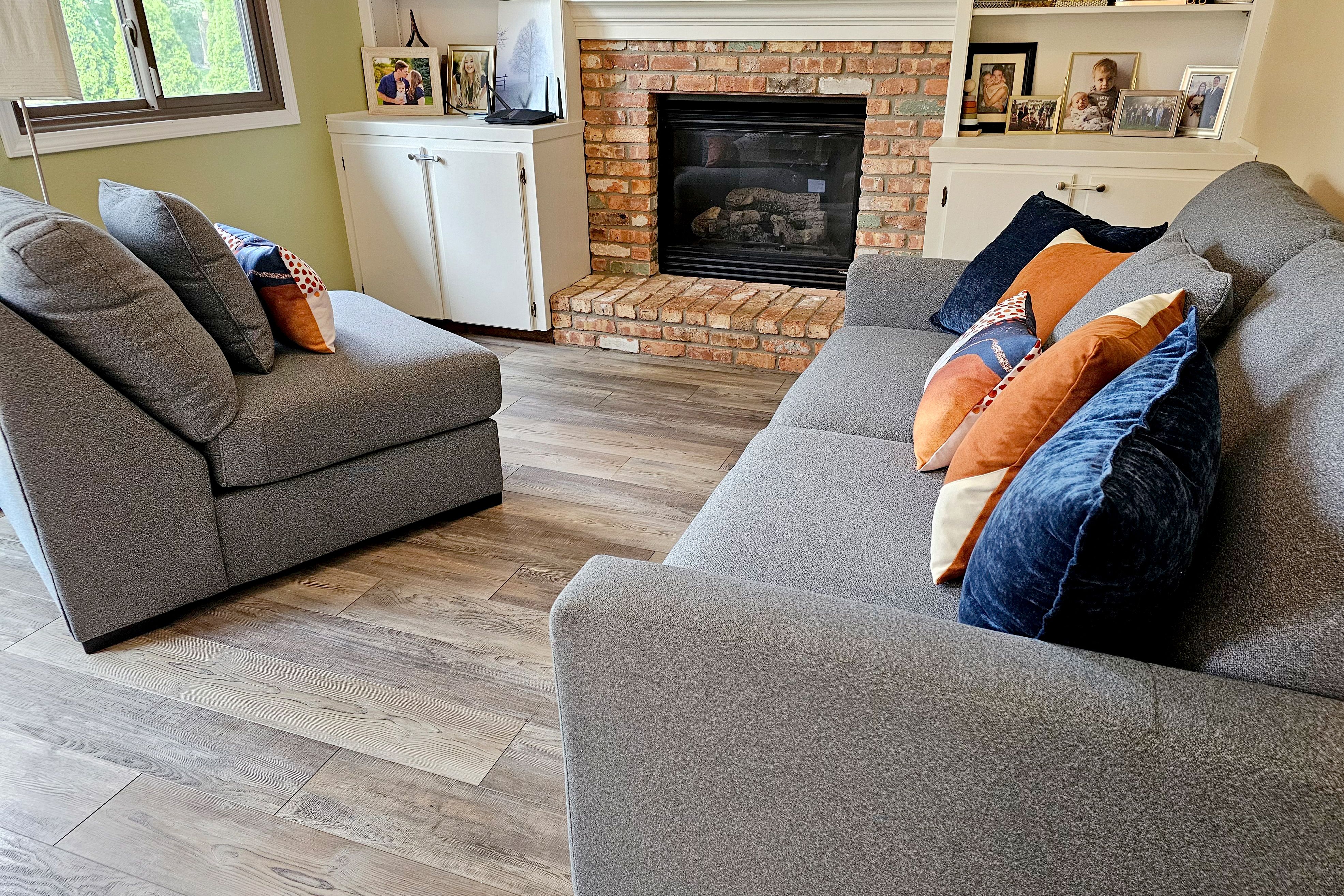
First, know your enemy: claws, fur, oils, and accidents
Most “pet damage” comes from four things, and different fabrics handle them differently.
- Claws and snagging: Cats knead and climb. Dogs scramble for traction. Looser weaves and delicate yarns are most at risk.
- Shedding and dander: Some fabrics let hair sink in and weave itself into the fibers. Others keep it on the surface so it lifts right off.
- Body oils and dirt: The invisible stuff builds up and slowly darkens armrests and favorite spots.
- Accidents and stains: Muddy paws, drool, the occasional upset stomach, and yes, urine. This is where finishes and cushion construction matter.
Before you fall in love with a swatch, think about which of these is your household’s main storyline.
The best sofa fabrics for homes with pets
Performance fabric (solution-dyed acrylic, high-performance polyester, and blends)
If you want the lowest-drama option, start here. “Performance” is a marketing umbrella, so it can mean different things by brand: solution-dyed fibers, tighter weaves, stain-resistant finishes, proprietary backings, or a mix of the above. The common goal is the same: resist stains, release spills more easily, and handle heavy wear.
- Best for: Dogs with muddy paws, households with kids and pets, anyone who wants easy spot cleaning.
- Why it works: Tighter weave, strong fibers, and stain resistance that buys you time.
- Watch for: Some finishes can feel a bit crisp on certain weaves. Order swatches and do the “cheek test,” because comfort is still the point.
Microfiber (including microsuede)
Microfiber is the quiet overachiever of pet homes. It is typically tightly woven, which helps it resist snags and keeps hair closer to the surface.
- Best for: Sheddy pets, frequent lounging, cats that like to knead but not fully shred.
- Why it works: Dense construction, good stain resistance, easy vacuuming.
- Watch for: Oils can create darker patches over time if you skip routine cleaning, especially on arms and headrest zones.
Leather (top-grain and semi-aniline are sweet spots)
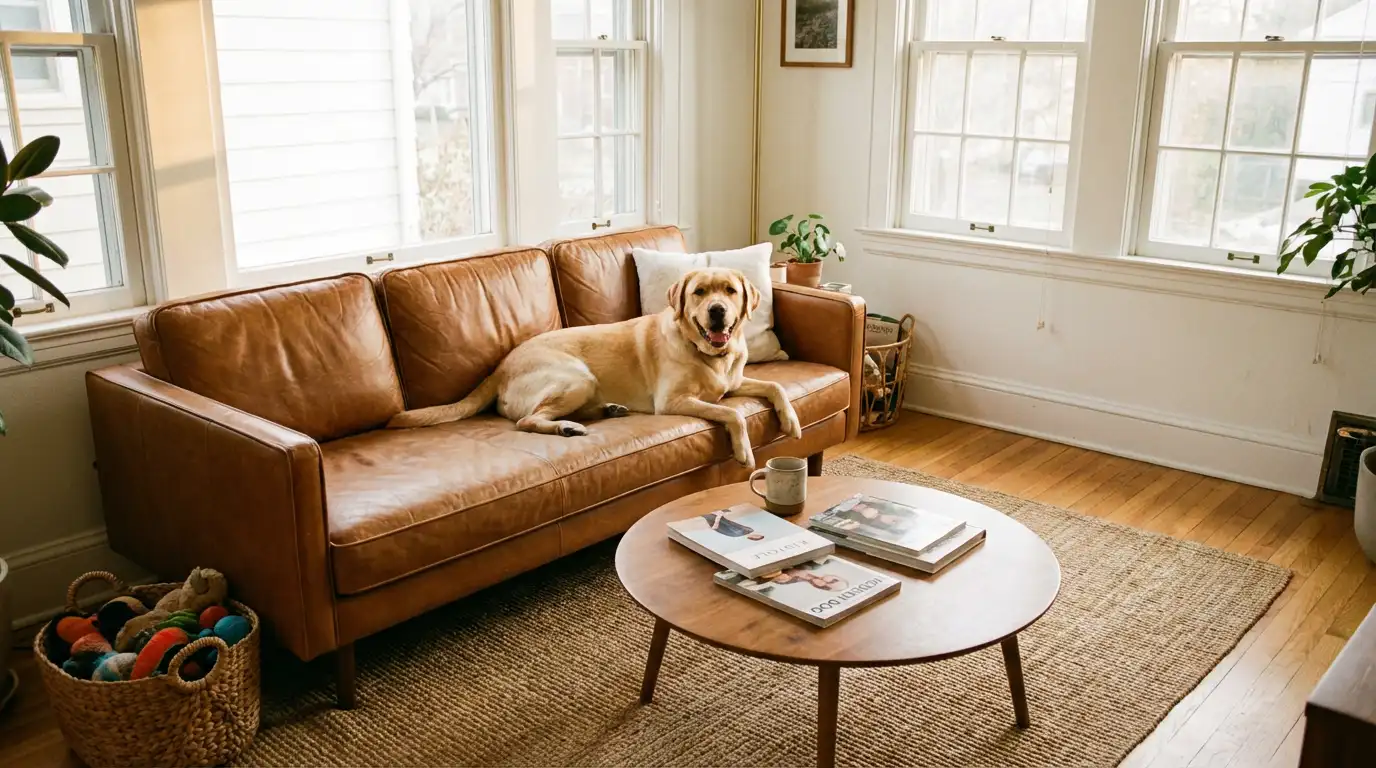
Leather is fantastic for fur because hair does not embed. A quick wipe and you are done. It is also often less likely to hold odor on the surface than many textiles, since it is less absorbent. (If liquids seep into seams or foam, all bets are off, and you will want enzyme treatment and deeper cleaning.)
- Best for: Homes where shedding is the big issue, or where spills happen and you want wipeable surfaces.
- Why it works: Smooth surface, easy maintenance, long lifespan when cared for.
- Watch for: Claws can scratch leather. Some scratches add gorgeous character, some look like your sofa lost a fight. If your pet has sharp nails or sprints across the cushions, consider a more textured leather or a performance textile instead.
Tight weaves: canvas, duck, and certain twills
Think of these as the sturdy jeans of upholstery. When the weave is tight and the yarn is strong, you get better resistance to snags and abrasion.
- Best for: High-traffic homes, medium to large dogs, casual spaces.
- Why it works: Durability and structure.
- Watch for: Lighter colors can show grime sooner. Choose a heathered or textured look to visually disguise everyday life.
Velvet (yes, but be picky)
In my experience, velvet can be surprisingly pet friendly when it is the right kind. Dense, synthetic velvet often resists snagging and can make hair easier to brush off because it sits on the surface.
- Best for: Cat owners who want cozy-luxe without constant hair embedding, and anyone who loves rich color.
- Why it works: Dense pile can be forgiving, and many velvets are tightly backed.
- Watch for: Delicate cotton velvets, loose piles, and anything that crushes or marks easily. Velvet can also show pressure marks and directional shading (you did not stain it, it is just velvet being velvet). And yes, a determined scratcher can still do damage. Provide scratchers close to the sofa.
Fabrics that are usually a headache with pets
Loose weaves and chunky texture (bouclé, open baskets, some tweeds)
These are snag magnets. Even if your pet is not trying to scratch, claws can catch during normal hopping and turning.
Silk blends and delicate natural fibers
They stain easily, wear quickly, and tend to hold onto oils. Beautiful, yes. Stressful, also yes.
High-contrast solids in very light colors
This is not a hard no, but it is honest: bright white, matte upholstery shows every paw print like a diary entry. If you love pale sofas, choose a performance fabric with texture or heathering, and plan on a consistent cleaning schedule.
Linen (a quick clarification)
Untreated linen and some linen-heavy weaves can be ring-prone and show wear faster in pet zones. But there are also performance “linen look” fabrics and linen blends that behave much better. Read the specs, not just the vibe.
Match fabric to your pet
If you have a cat (especially a “kneader”)
- Choose: Microfiber, tight weaves, certain performance velvets, and durable performance fabrics.
- Avoid: Bouclé, loose weaves, and anything with a looped surface.
- Extra tip: Put a scratcher within a few feet of the sofa, not across the room. Cats love convenience.
If you have a heavy shedder
- Choose: Leather, microfiber, performance velvet, and tightly woven synthetics.
- Color trick: Go mid-tone and slightly mottled. It hides both dark and light hairs better than a flat solid.
- Tool upgrade: A rubber pet hair brush or rubber glove can lift hair from fabric faster than a lint roller.
If you have a drooler or frequent “face planter”
- Choose: Performance fabrics with stain resistance, leather, or slipcovers that can be washed.
- Avoid: Untreated linen and delicate cottons that show moisture rings.
If you are dealing with accidents (puppies, seniors, anxiety)
- Choose: Performance fabrics and removable, washable covers when possible.
- Construction matters: Look for cushion covers with zippers, and consider cushions with a moisture barrier liner if the brand offers it.
- Extra protection that no one has to see: A thin waterproof liner under a throw (or even a discreet puppy pad during the training season) can save the inserts. Odor usually lives in foam, not on the pretty surface.
- Immediate response: Blot, do not rub. You want lift, not spread.
What “performance” really means
Not all performance fabrics are equal, and marketing can get fuzzy. When you are shopping, ask for specifics.
- Martindale or Wyzenbeek rub count: A durability test for abrasion. For residential upholstery, you will often see numbers in the tens of thousands. Higher can help for heavy use, but “more” is not automatically “better” if the fabric feels stiff or plasticky. Use rub counts as one data point, not the whole decision.
- Stain resistance finish: Some are topical finishes, some are built into the fiber. Built-in tends to last longer.
- Bleach-cleanable: Some performance fabrics can handle a diluted bleach solution for tough stains. Only do this if the manufacturer explicitly says yes.
- Cleaning code: Upholstery often comes with codes like W (water-based cleaner), S (solvent), WS (either), or X (vacuum only). If you have pets, W or WS is usually the easiest life.
If you are ordering custom upholstery, request a full cleaning guide and keep it with your home documents. Future-you will be grateful.
Your maintenance schedule
Think of this as gentle, consistent upkeep rather than occasional deep-clean panic.
Weekly: remove fur, crumbs, and grit
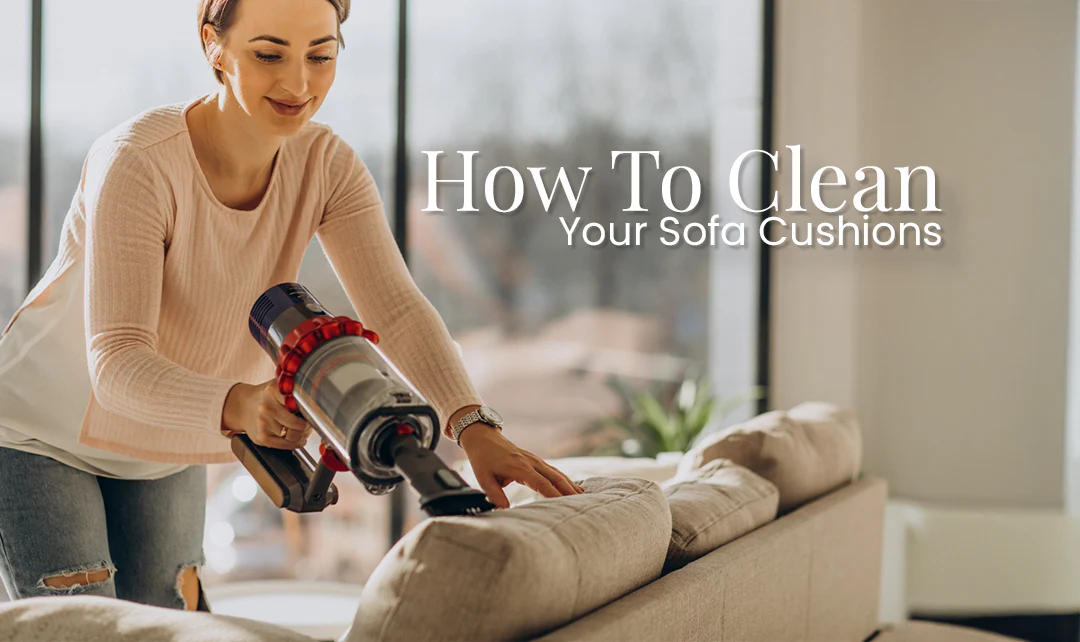
- Vacuum with an upholstery attachment, including creases and under cushions.
- Use a rubber brush for pet hair on woven fabrics and velvet.
- Shake out throws and rotate them. Throws are the easiest “washable upholstery” you own.
Monthly: reset high-touch areas
- Spot clean arms and headrest zones where oils build up.
- Flip or rotate cushions if the sofa allows it to prevent a single “pet crater.”
- Condition leather lightly if the brand recommends it, especially in dry climates.
Seasonally: deeper clean and refresh
- Steam or hot-water extract only if the manufacturer allows it. Some backings and finishes do not love heavy moisture.
- Wash slipcovers per label instructions and fully air dry before reinstalling.
- Inspect seams and zippers. Early repairs prevent big failures.
- If inserts are compressed or holding odor, consider replacing just the inserts instead of the whole sofa. It is an underrated upgrade.
Spot-treatment basics
Most stains are easiest to remove when you treat them like a tiny emergency and a gentle science experiment, not a wrestling match.
Step 1: Blot, lift, and remove solids
- Blot liquids with clean white cloths or paper towels.
- Scoop solids with a dull edge, like a spoon. Avoid pushing material deeper into the weave.
Step 2: Use the right cleaner for the fabric code
- W: Use water-based upholstery cleaner or a mild solution of dish soap and water. Lightly damp, do not soak.
- S: Use a solvent-based upholstery cleaner. Test first in an inconspicuous spot.
- WS: You have flexibility, but still start gentle.
- X: Vacuum only. Consider professional cleaning for any stain.
Step 3: Work from the outside in
Dab the stain from the edges toward the center to prevent rings. Use a clean section of cloth frequently so you are not reapplying the mess.
Step 4: Rinse lightly and dry thoroughly
If you used soap, follow with a barely damp cloth to lift residue. Then blot dry. A fan aimed at the spot helps prevent odor and water marks.
Cleaner safety note: “Pet-safe” is a great goal, but it still has to be upholstery-safe. Always patch test. Avoid mixing cleaners, and avoid using ammonia or strong oxidizers on urine messes unless the upholstery manufacturer explicitly approves it. The wrong chemistry can set stains or damage finishes.
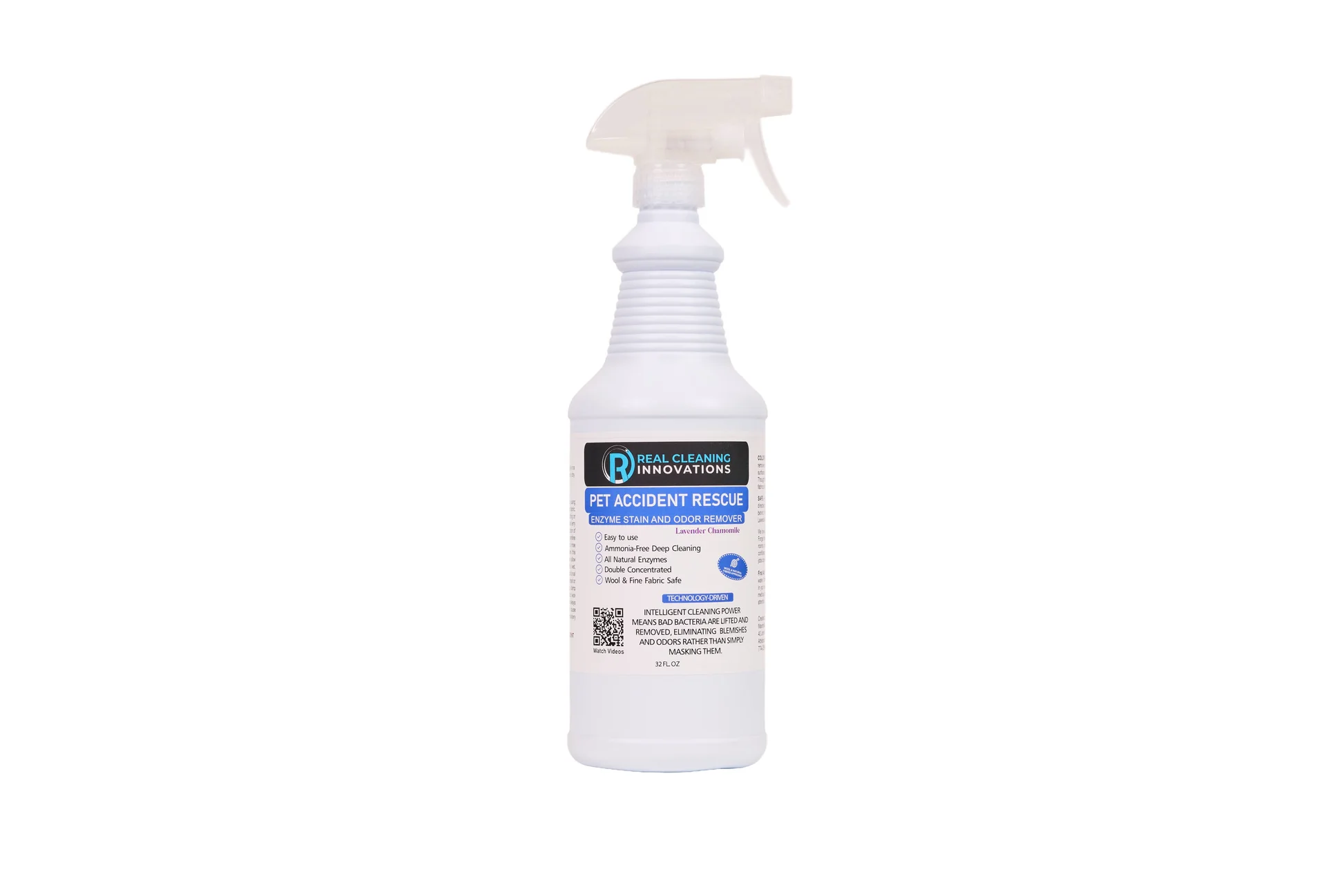
If a stain is biological (urine, vomit), use an enzyme cleaner designed for upholstery, and make sure it is safe for the fiber. Enzymes break down odor-causing compounds, which is what helps prevent repeat “marking.”
Odor control without ruining your upholstery
Odor is usually a combination of oils, moisture, and time. The goal is to lift residue, not perfume it into submission.
- Ventilate: Open windows and run a fan after cleaning.
- Baking soda, cautiously: On many durable fabrics, a light sprinkle can help. Let it sit, then vacuum thoroughly. Avoid baking soda on delicate fabrics, do not grind it into fibers, and make sure you remove it fully. Leftover residue can be hard to extract from some piles and can attract soil over time.
- Enzyme cleaners for pet odor: Best for accidents. Always patch test.
- Professional clean when needed: If the odor persists, it is often in the cushion insert or beneath the cover. A pro can extract deeper residue safely.
Little styling tricks that protect your sofa
You can keep a living room feeling polished and still be realistic about paws.
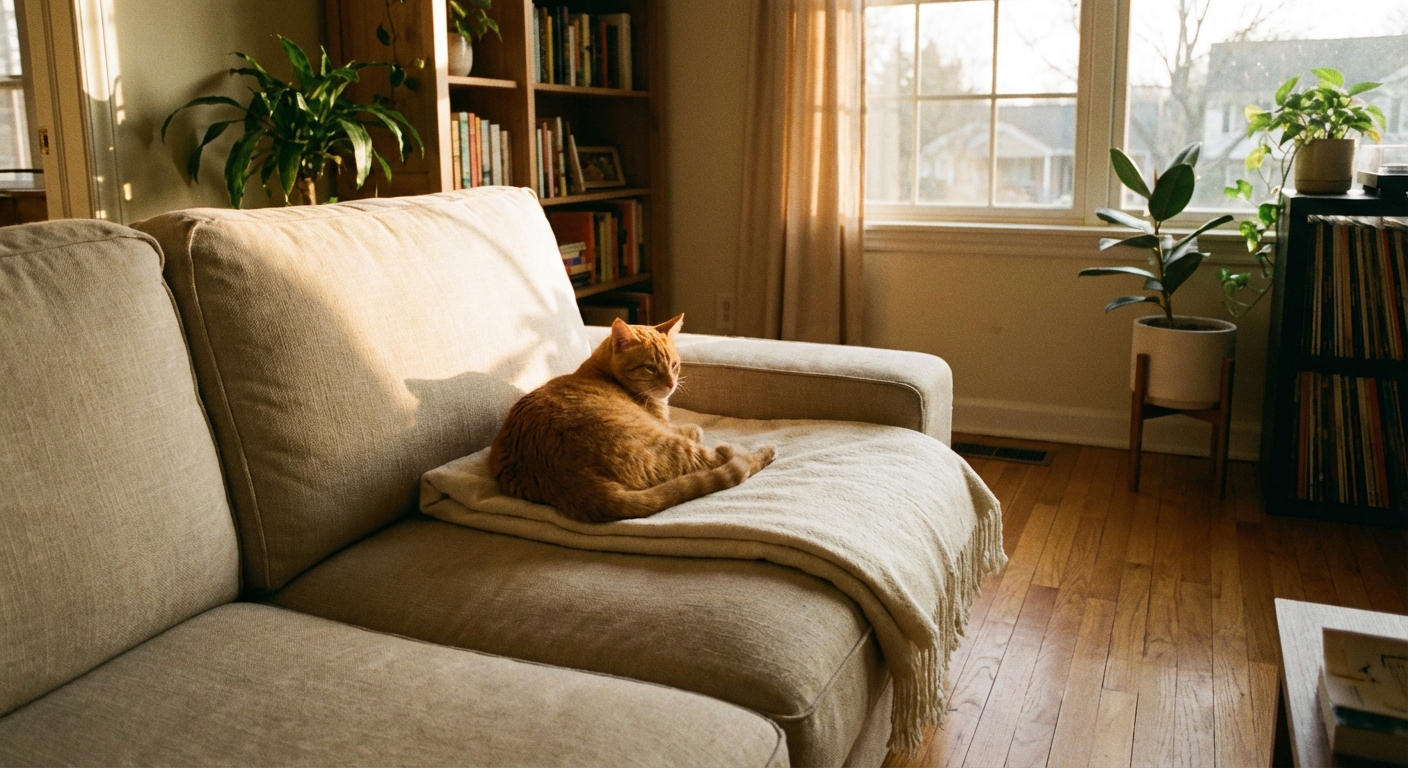
- Use a beautiful throw strategically: Drape one where your pet naturally settles. Think of it as a washable “landing pad.”
- Pick texture over flat solids: Heathered yarns, subtle patterns, and woven dimension hide fur and everyday smudges.
- Choose forgiving colors: Match your sofa to your pet’s coat in spirit, not exact shade. Mid-tones and warm neutrals are famously forgiving.
- Keep nail trims on schedule: The most glamorous fabric in the world loses to sharp nails.
Quick buying checklist
- Choose a tight weave or microfiber for snag resistance.
- Prefer performance fabric or leather for easier stain and odor management.
- Ask for the cleaning code and care instructions before you buy.
- Look for removable cushion covers, reversible cushions, and replaceable inserts. These are the unsung heroes of pet ownership.
- Order swatches and test: damp cloth, lint roller, and gentle scratching with a fingernail.
- Consider washable slipcovers and moisture barrier liners if accidents are likely.
- Plan a simple routine: weekly vacuum, monthly refresh, seasonal deep clean.
A pet-friendly sofa is not about finding something indestructible. It is about choosing a fabric that can be loved hard, cleaned easily, and still look like you live here on purpose.