New Sofa Smell: Air Out Off-Gassing Faster

Clara Townsend
Clara Townsend is an interior stylist, vintage furniture enthusiast, and the creative voice behind Velvet Abode. With over a decade of experience transforming both cramped city apartments and sprawling fixer-uppers, she believes that a beautiful home is built on personal stories rather than massive budgets. When she isn't hunting for the perfect brass sconce at a local flea market, she can usually be found rearranging her living room for the third time this month.
There is a particular kind of excitement that comes with a new sofa. You fluff the cushions, you picture movie nights, you immediately start mentally editing the rest of the room. Then it hits you: that sharp, chemical “new sofa smell.”
Sometimes it is mild and plasticky. Sometimes it is so strong it makes the room feel like a freshly opened storage bin. What you are smelling is often a mix of manufacturing and shipping residues and off-gassing, which can include VOCs (volatile organic compounds) from adhesives, finishes, foams, and packaging.
The good news: you can usually reduce it dramatically with a few safe, boring-in-the-best-way steps. The goal is not to panic or to “neutralize” it with heavier fragrance. The goal is to get those compounds out of your home as efficiently as possible.

What new sofa smell is
Off-gassing is the release of chemicals into the air as materials cure, settle, and warm up in your home. With sofas, the most common sources are:
- Foam and cushioning (often polyurethane-based).
- Adhesives used to bond layers and trims.
- Stain treatments and performance finishes on fabric.
- Leather finishes, dyes, and protective topcoats.
- Packaging like plastic wrap, tape, and protective films.
Not every odor equals “danger,” but it is a signal that something is in the air that was not there before. People who are sensitive, or who have asthma or migraines, may feel it more quickly. Babies and pets can also be more affected because they breathe faster for their size and spend more time close to upholstered surfaces.
If you want the simplest mental model: your job is to swap the indoor air for outdoor air, and to capture what you cannot swap quickly.
The fastest safe plan (48 hours)
Step 1: Unwrap fast and remove packaging
Plastic, foam blocks, and cardboard can hold and concentrate odors. Unwrap the sofa as soon as you can and take packaging outside to the trash or recycling, not into a hallway or garage you walk through often.
Step 2: Cross-ventilate
Open windows on two sides of the space if possible. The “one cracked window” approach helps, but cross-ventilation is what moves the needle.
- Best setup: open two windows or a window plus a door to create a path for air to travel.
- Add a fan: place a box fan in one window facing out to push indoor air outside. If you can, open another window on the opposite side to pull fresh air in.
- Time it well: ventilate when outdoor air is cleanest. In many areas that is morning or after rain, not during heavy traffic hours or wildfire smoke days.
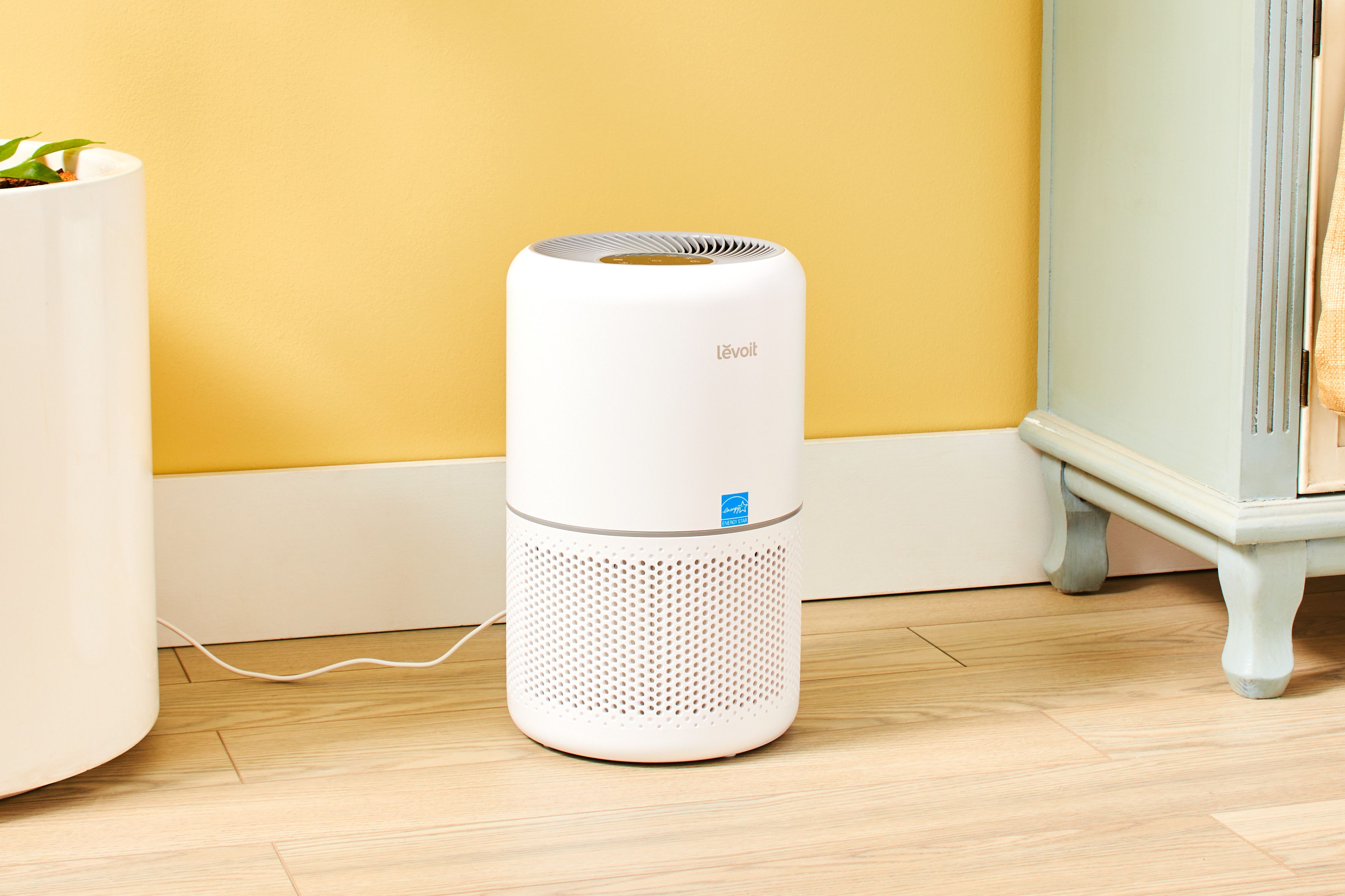
Step 3: Use a purifier that can help with odor and VOCs
A HEPA filter is excellent for dust and allergens, but VOCs are gases. For new-furniture smell, you want:
- True HEPA (great for particles that come along for the ride).
- A substantial activated carbon filter (this is the key part for odor and many VOCs).
One honest note: carbon can help with many odors and some VOCs, but results vary based on the chemical mix, airflow, and how much carbon is actually in the filter. In general, more carbon mass and better contact time tend to perform better than thin “carbon sheets.”
Run the purifier continuously for the first couple of days, ideally in the same room as the sofa. If you can, run it with doors mostly closed between ventilation sessions to concentrate cleaning where you need it, then open up for your scheduled air swaps. If your purifier has an “auto” mode, I still like setting it manually to high for the first 24 hours, then stepping down.
A simple ventilation schedule
If you love a checklist, here is a safe rhythm that works in most homes. Adjust based on weather, outdoor air quality, and how strong the smell is.
Day 1
- Unwrap and remove packaging immediately.
- Ventilate hard: 2 to 3 sessions of 30 to 60 minutes with cross-ventilation and a fan exhausting out.
- Purifier on high between ventilation sessions and overnight.
Days 2 to 3
- Ventilate: 1 to 2 sessions of 30 to 60 minutes.
- Purifier: keep running most of the day and overnight.
- Optional: if the weather allows, pull the sofa a few inches from the wall so air can move behind it.
Days 4 to 14
- Ventilate: 15 to 30 minutes daily, or every other day.
- Purifier: run a few hours a day, especially in the evening when the room is occupied.
Many “new sofa smell” situations fade significantly in the first week with real airflow, but some materials can off-gas longer. Temperature, ventilation rate, foam type, and finishes all matter, especially in tightly sealed homes.
Fabric vs leather
Fabric sofas
With fabric, odor often comes from the cushion foam and adhesives, plus any stain-resistant treatment on the textile. The smell can feel “plasticky” or “sweet” at first and usually improves quickly with airflow.
- What helps most: ventilation, activated carbon filtration, and time.
- Extra tip: remove loose cushions and stand them on their sides for a few hours during ventilation so more surface area is exposed.
Leather sofas
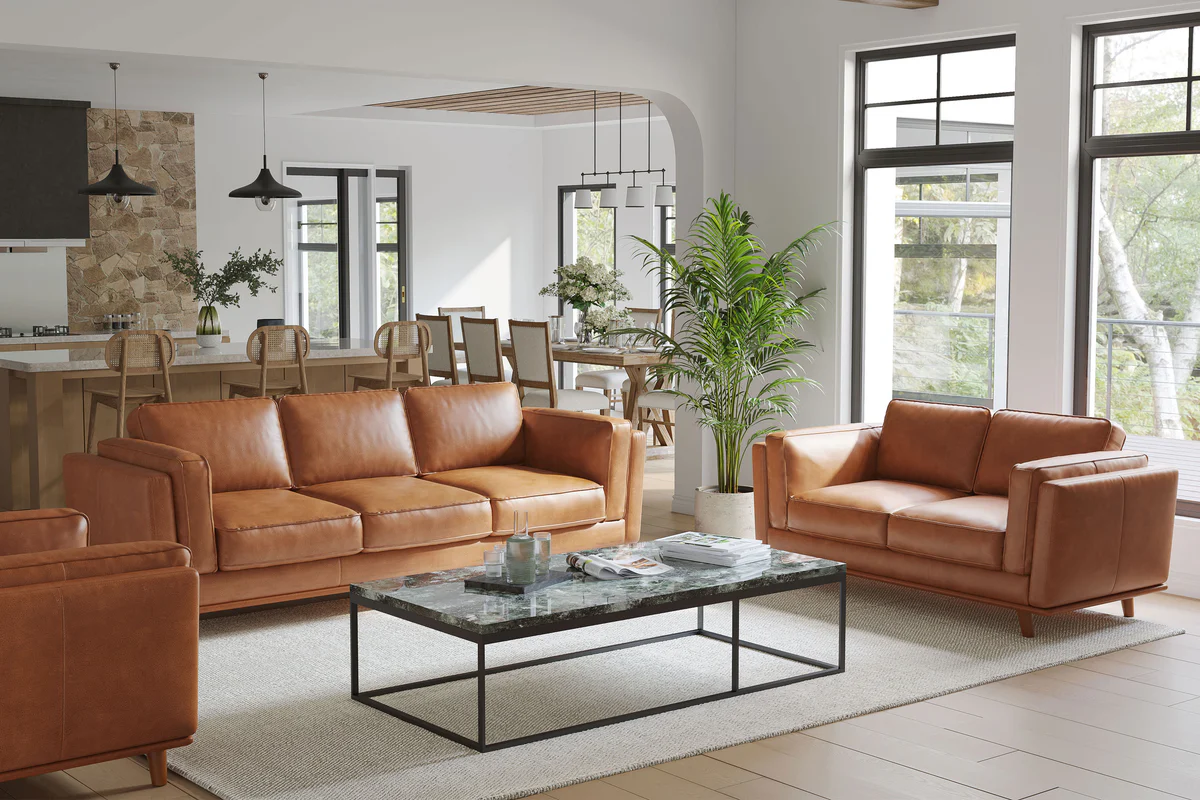
Leather is its own romance, but new leather can smell stronger or simply different. You may smell tanning residues, dyes, and protective finishes. Some leathers also arrive with a waxy topcoat that needs time to settle.
- What helps most: steady ventilation and avoiding heat spikes.
- Avoid: heavy leather conditioners right away. Let the piece breathe first, then condition later if needed.
One important note: “real leather smell” can be pleasant, but a sharp solvent-like odor that lingers beyond a couple of weeks is worth paying attention to. More on that in the return section below.
Myths to skip
When you are desperate, it is tempting to look for a magic button. Here is the Velvet Abode take: skip ozone generators for a new-sofa smell problem.
Ozone is a powerful oxidizer. It can irritate lungs, can be unsafe for people and pets during use, and may react with other chemicals in the home. It can also degrade materials like rubber and some textiles over time. Most households do not need it, and it is easy to misuse.
Also not ideal
- Masking with fragrance (candles, plug-ins, room sprays). You are adding more chemicals and sometimes more VOCs to the air.
- “Detox” sprays that promise to neutralize VOCs instantly. Ventilation and carbon filtration are more reliable.
- Cranking the heat to “burn it off.” Heat can increase off-gassing. Warmth is not always your friend here.
Safe add-ons
Baking soda for nearby soft goods
Baking soda can help with odor absorption on items like throw pillows or a removable cushion cover that smells like packaging. Lightly sprinkle, let sit for a few hours, then vacuum thoroughly. Do not dump it into the sofa itself unless the fabric can handle deep vacuuming and you are confident you can remove it.
Vacuum the sofa gently
A quick vacuum with an upholstery attachment helps remove packaging dust and any loose manufacturing debris. It will not “fix” VOCs, but it supports the overall air quality effort.
Keep humidity moderate
Extremely high humidity can make odors feel stronger and can invite mustiness in a room over time. Aim for a comfortable middle zone, roughly 30% to 50% if you have a hygrometer.
Kids and pets
If you have little ones or furry roommates, the question is not just “when does it smell better?” It is “when does the air feel normal again?” Because they can be more vulnerable to irritants, a cautious approach is reasonable.
A practical timing guide
- First 24 to 72 hours: keep the room well-ventilated and limit long lounging sessions, especially for babies, pregnant people, or anyone with asthma or chemical sensitivities.
- After a few days: if the odor has noticeably dropped and you have been ventilating and filtering, normal use is typically fine for most households.
- If the smell is still strong after 7 to 14 days: treat it as a red flag. You should not have to “power through” a harsh chemical smell in a main living space.
For pets specifically: keep them from chewing on tags, zippers, and corners during the first week. Some dogs treat new furniture like a thrilling new toy, and you do not want them ingesting fibers or finishes.
Musty smell?
Not all “new sofa smell” is the same. If what you notice is musty, earthy, or mildew-like, treat it differently than normal off-gassing.
- Check for damp packaging, wet cardboard, or a sofa that feels cool and slightly damp to the touch.
- Look underneath for any visible spotting or discoloration on the dust cover.
- Do not try to mask it with sprays or oils.
- Contact the retailer if you suspect moisture exposure during shipping or warehouse storage, especially if the odor is getting worse instead of better.
VOC odor usually improves with ventilation. A persistent musty smell can signal moisture issues that need a different fix.
When to call or return
I am all for patience, but not for suffering. Consider reaching out to the retailer or manufacturer if:
- The odor is eye-watering, causes headaches, nausea, or throat irritation every time you enter the room.
- The smell stays strong beyond about two weeks despite consistent ventilation and carbon filtration.
- You notice oily residue on the fabric, tacky finishes, or a chemical smell that transfers to clothing or blankets.
- Mold or mildew notes appear, especially if the sofa arrived damp or was stored in a humid warehouse.
Also trust your instincts if the smell changes from “new” to “solvent” or “gasoline-like.” Take photos, document dates, and ask about return options or replacement components, especially cushion inserts.
Quick FAQ
How long does off-gassing last?
With good airflow, many sofas smell noticeably better in 3 to 7 days. Some off-gassing can continue at lower levels for weeks. If the odor is still strong after around two weeks, or it is making you feel unwell, it is worth escalating.
Will a HEPA purifier remove VOCs?
HEPA helps with particles. For VOCs and odor, you need an activated carbon (or similar sorbent) stage. Carbon performance varies, but in general, a larger, heavier carbon filter tends to last longer and adsorb more than a thin carbon layer.
Does sun help?
Sunlight and heat can increase off-gassing temporarily. If your room is bright and you can ventilate aggressively, that can help move odors out. Avoid baking the sofa in a sealed hot room, and avoid direct sun that could fade fabric or dry leather.
Should I use essential oils?
If you are dealing with VOCs, adding more scent compounds can muddy the waters and irritate sensitive lungs. It is better to get the air clean first, then bring in scent gently later if you want it.
How do I prevent this next time?
If you are still in the shopping phase for your next piece, look for certifications that can help reduce off-gassing from the start, like GREENGUARD Gold, OEKO-TEX, or CertiPUR-US (for foam). They do not guarantee “no smell,” but they can lower the odds of a harsh chemical experience.
The cozy end goal
A sofa should smell like nothing, or like the faintest hint of its own fabric and life. Not like a shipping container.
If you take nothing else from this: unwrap fast, ventilate with a fan exhausting out, and run a purifier with real activated carbon. Give it a few days of diligence, and you will usually get to the good part, which is sinking in with a blanket and feeling like your home just got a little more you.
And for the future you: when you can, choose materials and certifications that keep the air calmer from day one. Your lungs will not write a thank-you note, but they will absolutely notice.