New Area Rug Shedding: What’s Normal and How to Slow It

Clara Townsend
Clara Townsend is an interior stylist, vintage furniture enthusiast, and the creative voice behind Velvet Abode. With over a decade of experience transforming both cramped city apartments and sprawling fixer-uppers, she believes that a beautiful home is built on personal stories rather than massive budgets. When she isn't hunting for the perfect brass sconce at a local flea market, she can usually be found rearranging her living room for the third time this month.
A new area rug has a funny way of making you feel like you adopted a tiny, silent pet that is quietly molting all over your socks. If you are seeing fuzz balls, loose fibers, or a light “dusting” in the vacuum canister after the first few weeks, take a breath. Many new rugs shed at least a little during their break-in period, especially anything with a plush pile or natural fibers. Construction matters too, though: a hand-tufted rug may shed more (and longer) than a woven or hand-knotted rug.
Below, I will help you tell the difference between normal shedding and a rug that is genuinely failing, then walk you through a simple routine to calm the fluff without beating your rug up in the process.
What “normal” shedding looks like
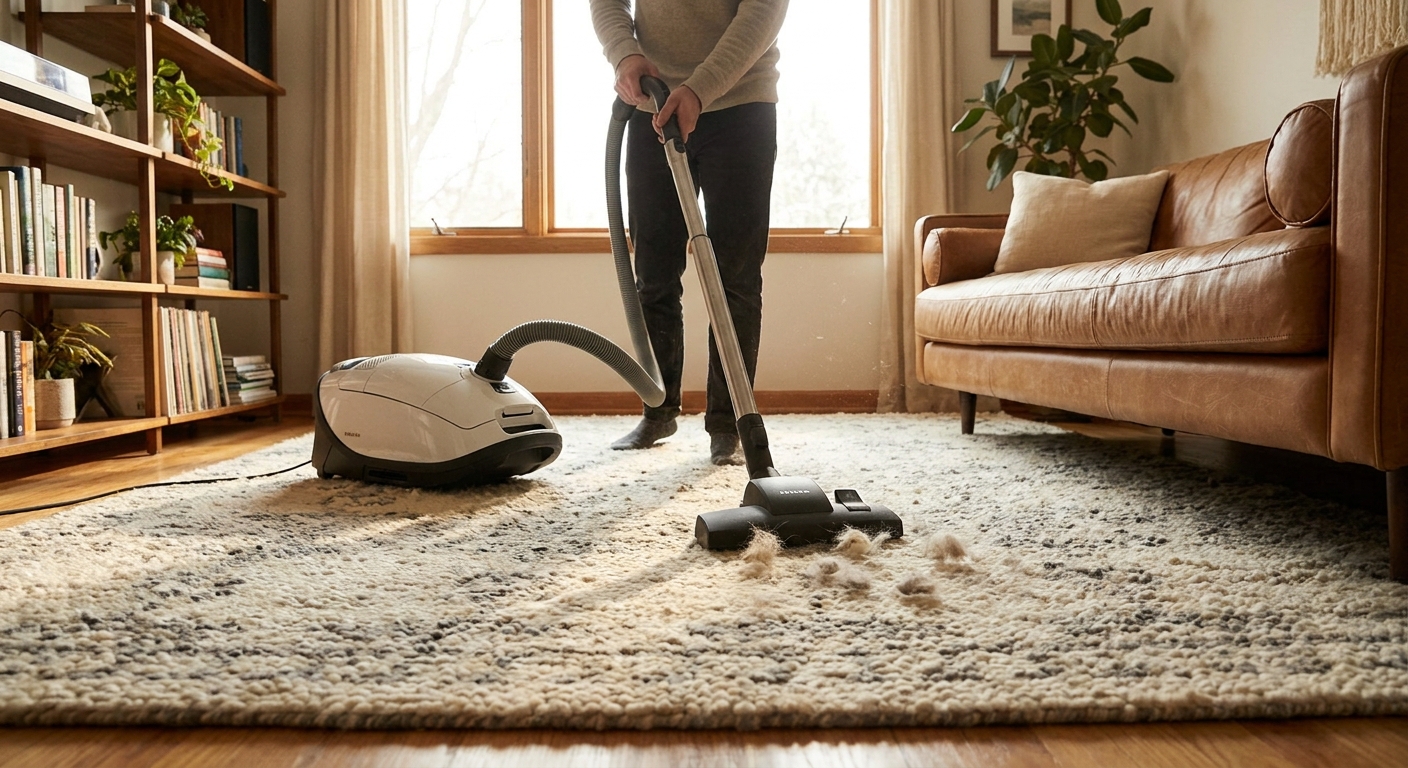
Think of shedding as leftover fiber from the manufacturing and finishing process working its way out of the rug. In the beginning, those loose bits sit near the surface. Foot traffic and vacuuming pull them up, which can feel alarming, but it is often just the rug settling into real life.
Normal break-in shedding usually looks like this
- Short, soft fuzz that gathers in little clouds or pills, especially in high-traffic lanes.
- More shedding in the first 2 to 8 weeks, then a noticeable taper for many rugs.
- Consistent color (the fuzz matches the rug). A bit of fiber “snow” is simply more visible on dark rugs.
- Vacuum bin fills faster at first, then gradually less over time.
If your rug is wool, wool-blend, or a plush synthetic, it is especially common to see fibers for a while. It does not mean you bought the wrong rug. It usually means you bought a rug with a pile.
When shedding is a red flag
There is a point where shedding stops being a break-in situation and becomes a quality problem. You should not feel like your rug is thinning out before your eyes.
Reach out to the retailer or manufacturer if you notice
- Balding or visible thinning in patches (you can see backing or the pile height is changing in spots).
- Long strands pulling out like hair, especially if they keep coming with light vacuuming.
- Shedding that does not improve after a few months of normal use and correct vacuuming (and especially if it gets worse).
- Excessive fiber loss around the edges or at the binding, which can signal a finishing issue.
- Shedding plus unraveling loops in loop-pile rugs (like some berbers). That is less “shed” and more “snag,” and it needs attention quickly.
- Dusty, crumbly backing residue (sometimes from latex or adhesive) showing up under or around the rug .
One quick, low-drama check: run your hand or a soft white cloth gently across the surface for 10 to 15 seconds, then look at what transfers. A little fuzz is fine. If you get lots of long fibers, or if the rug looks visibly disturbed afterward, document it with photos and check the care label and warranty guidance before you do more “testing.”
How long should shedding last?
This is the part people deserve a straight answer on. Shedding does not have a single universal timeline, but there are realistic expectations based on fiber, pile height, and how the rug is made.
A practical shedding timeline
- Week 1 to 2: Shedding is often at its peak. Expect visible fuzz, especially after vacuuming.
- Weeks 3 to 8: Many rugs start tapering. You should notice less in the vacuum and fewer pills on the surface.
- Months 2 to 4: Some wool rugs still shed lightly, but it should feel manageable and steadily improving.
- Beyond 4 months: Light occasional fuzz can happen with some high-pile wool rugs, and some hand-tufted rugs can shed longer (sometimes 6 to 12 months). What is not typical is heavy shedding that stays constant or worsens.
Two things can stretch the timeline: very high pile (more fiber to release) and a rug that lives in a busy walkway (more friction, more loose fiber pulled up).
Construction matters
Fiber is only half the story. The way a rug is built has a big impact on how much it sheds and how long it keeps doing it.
Hand-tufted
Hand-tufted rugs are made by punching yarn through a backing, then securing it (often with latex adhesive) and adding a secondary backing. They can feel plush and look gorgeous, and they can also shed more at first because there is more loose fiber and, sometimes, more “release” from the surface as it breaks in.
Woven and hand-knotted
Woven and hand-knotted rugs tend to hold fibers more securely. They can still shed, especially if they are wool and new, but many shed less and settle sooner than hand-tufted rugs.
Loop pile vs cut pile
Loop pile rugs are more prone to snags. If a loop gets pulled, do not tug it. Snip it carefully and consider getting it repaired if it starts to run.
Fiber by fiber: what to expect
Not all shedding is created equal. The rug material is usually the biggest clue for how patient you need to be.
Wool
Most likely to shed at first. Wool is a staple fiber, meaning it is made of short fibers spun together (instead of long, continuous filaments like many synthetics). Those short ends can work loose early on, especially after the rug is sheared and finished. The good news is that wool shedding typically improves with consistent, gentle vacuuming. Some plush wool rugs can shed lightly for months, but it should not look like the rug is losing its body.
Wool blends
Blends can be a mixed bag. A wool-viscose blend, for example, may show fuzz plus a slightly “dusty” look in the vacuum. Treat it gently and avoid aggressive beater bars, especially if the blend includes delicate fibers.
Cotton
Cotton can shed, especially in flatweaves and dhurrie-style rugs, but it often looks more like fine lint. Cotton also tends to show wear faster in high traffic, so a rug pad and smart placement matter.
Jute, sisal, and other natural plant fibers
These can shed in a different way: dry, flaky debris and short fibers, especially early on. They also react to moisture, so stick to dry cleaning methods and low-suction vacuuming. Avoid beater bars here too, since they can break plant fibers. If you see lots of broken fibers, reassess placement. These rugs hate chair casters and constant pivoting.
Synthetics (polypropylene, polyester)
Synthetics usually shed less, but it can happen, particularly in shaggy styles or if the rug was heavily sheared. If a low-pile synthetic is shedding heavily, that is more suspicious than a wool rug doing the same.
The vacuum and brush routine that helps
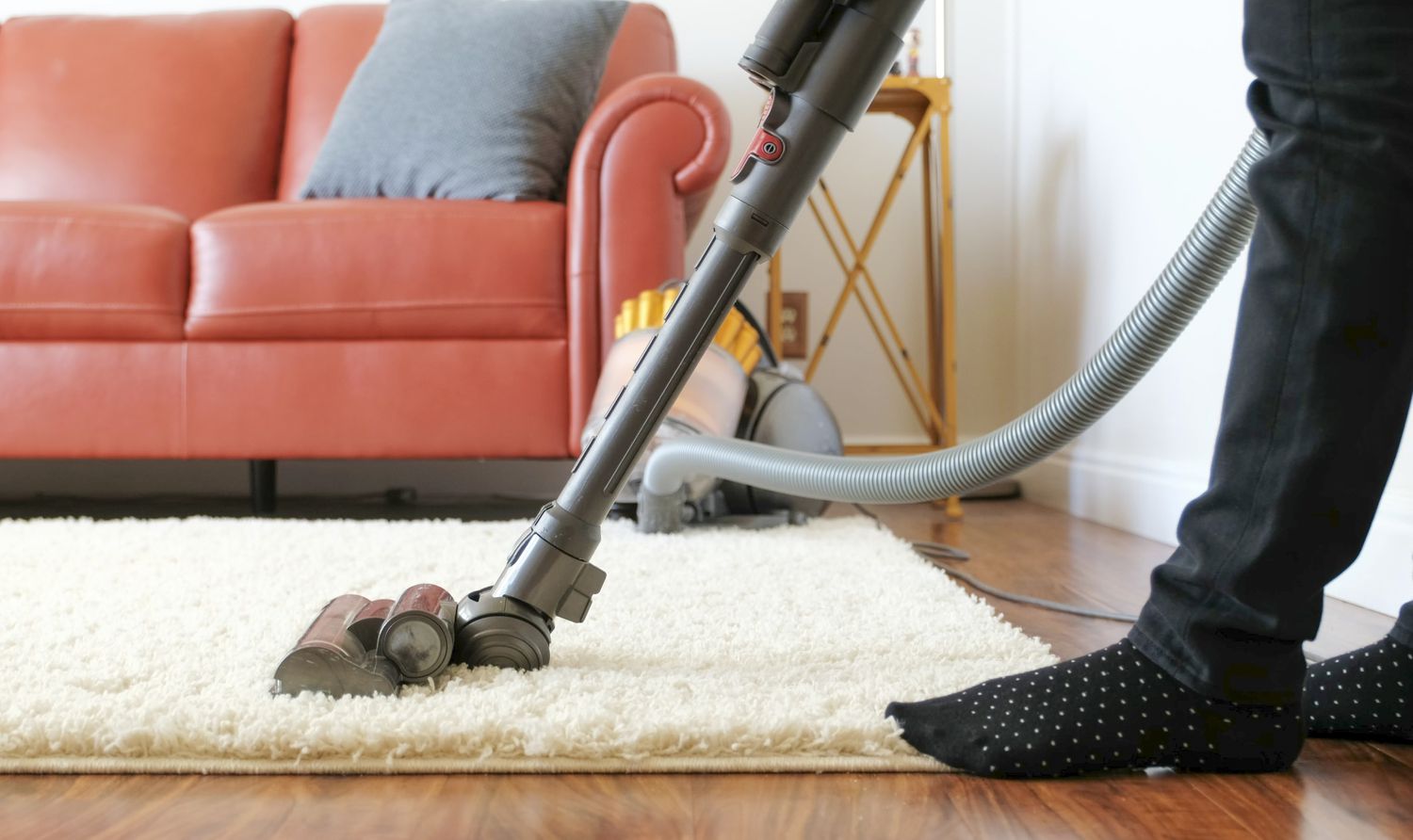
If you do nothing else, do this. The goal is to remove loose fibers without roughing up the pile so much that you create more fuzz.
Step 1: Use the right vacuum settings
- Check the rug care label first (and the vacuum manual too). When in doubt, test on a small corner.
- Skip the beater bar or set it to the highest pile setting for wool, high-pile rugs, loop piles, fringed edges, and anything that looks even slightly delicate.
- Use suction-only when possible, especially for wool and looped constructions. On some rugs, a rotating brush on the correct height setting can be fine, but it should not feel like it is grabbing.
- Empty the bin or replace the bag more often during the first month. A full vacuum loses suction and drags more.
Step 2: Follow a simple schedule for the first month
- Week 1 to 2: Vacuum 2 to 3 times per week, light passes.
- Week 3 to 4: Vacuum weekly, then adjust based on traffic.
Keep your passes slow and steady. Rushing makes you press down, and pressing down makes the vacuum more grabby than it needs to be.
Step 3: Add a soft brush for surface pills
If you are getting little “lint pills” on the surface, use a soft-bristle upholstery brush or a rug brush and gently sweep in the direction of the pile. You are lifting the loose stuff that wants to become tumbleweeds.
- Skip sticky lint rollers on most rugs, especially wool, loop pile, and high pile. On very low-pile synthetics, a gentle pass may be fine, but test first and stop if it tugs fibers.
- Do not use a carpet rake aggressively on wool. Light grooming only.
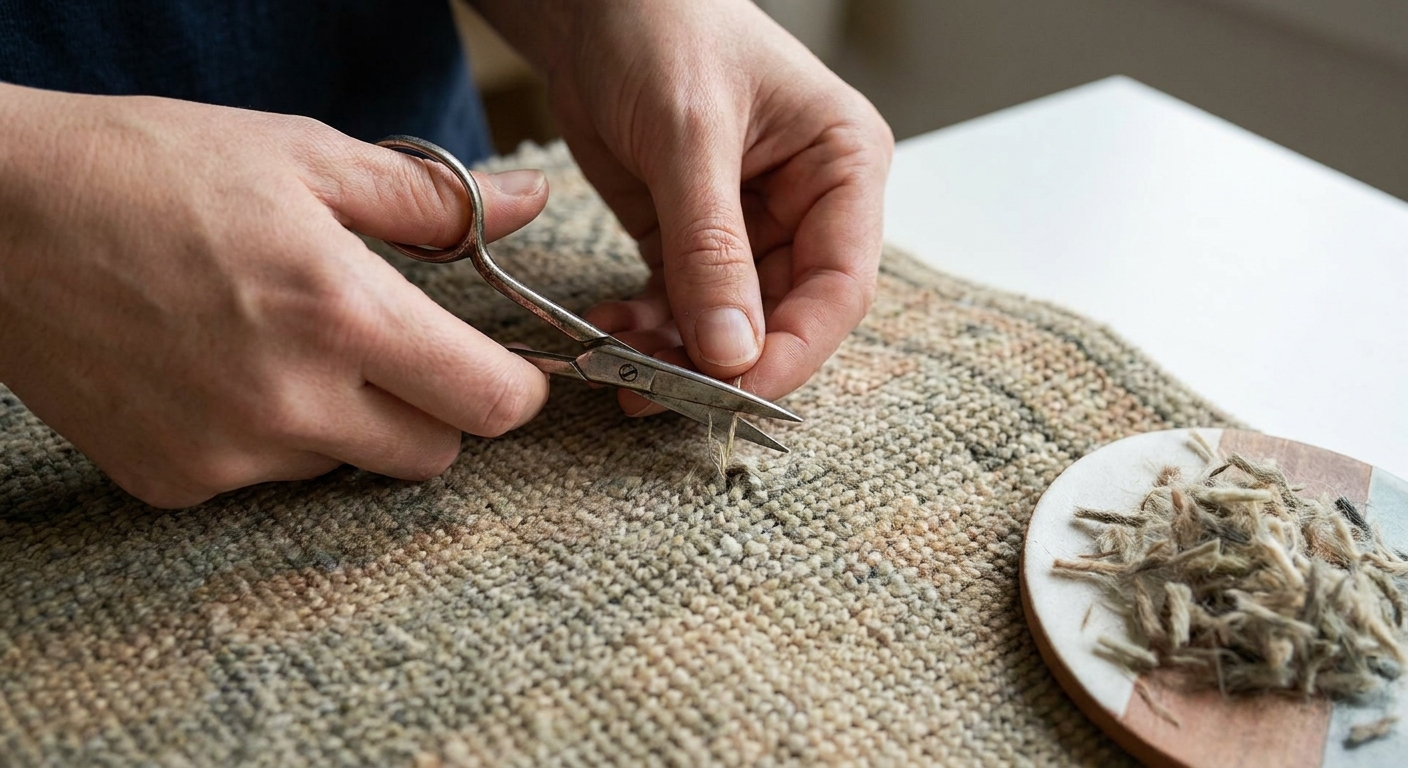
Step 4: Spot-trim, never pull
If you see a few longer fibers poking up, snip them with sharp scissors. Pulling can loosen more fibers and, in looped rugs, trigger runs.
Fringe and edges
Fringe is the fastest way to turn a quick vacuum into a regrettable moment.
- Avoid vacuuming fringe directly with a rotating brush.
- Use suction-only and an upholstery tool, or vacuum up to the fringe and stop.
- If the edge binding is shedding more than the field of the rug, photograph it and contact the seller. That is often a finishing issue, not “normal break-in.”
Vacuum types: quick notes
- Uprights: Great on sturdy, low to medium pile rugs when height is set correctly. Be cautious with rotating brushes on wool, loop pile, and fringe.
- Canisters: Often easier to use suction-only and gentler attachments.
- Stick vacuums: Convenient, but some have very aggressive heads. If it feels like it is pulling, switch to a soft tool or a different vacuum.
- Robot vacuums: Handy for maintenance, but watch them around fringe and edges. Consider setting no-go zones until the rug settles.
Placement tips to keep fuzz from traveling
Sometimes the rug is shedding a normal amount, but your home is set up to broadcast those fibers everywhere. A few tweaks can make the whole situation feel dramatically better.
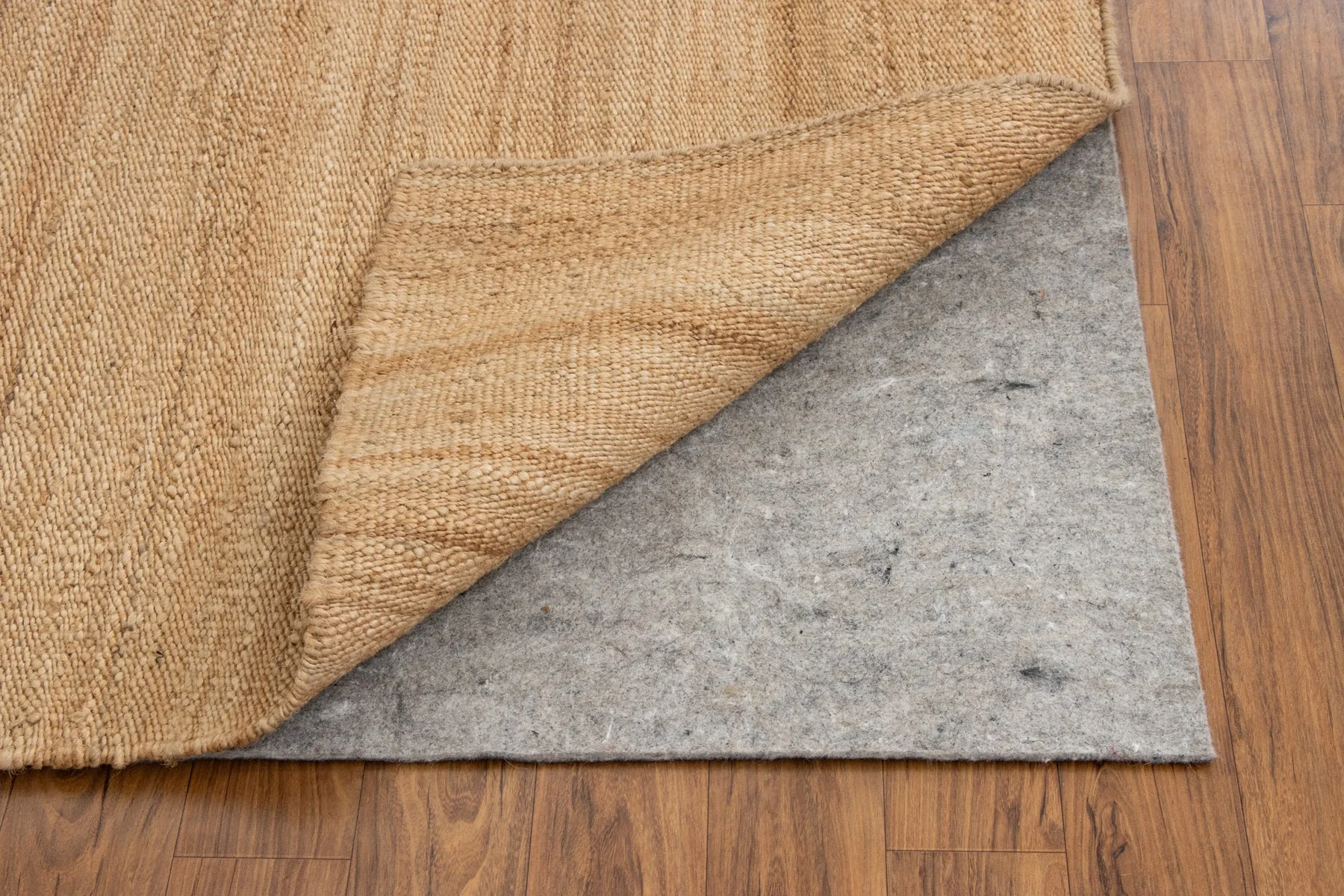
Use a rug pad, even a thin one
A rug pad reduces friction between the rug and the floor. Less friction means less fiber breakage and less “walking” that grinds the pile.
Keep it out of swivel-chair chaos (at least at first)
If you are breaking in a new rug, try not to place it under a desk chair with casters right away. Chair wheels can fuzz a new pile quickly. If you must, use a chair mat or choose a low-pile rug designed for offices.
Create a shoe strategy in high traffic homes
You do not need a museum policy, but if your rug sits right by the front door, add a doormat and encourage a quick shoe wipe. Grit acts like sandpaper and makes shedding look worse.
Rotate to even out wear
Rotate the rug every 1 to 3 months. This helps prevent one “lane” from getting all the friction and all the shedding.
Why shedding can look worse after vacuuming
This is such a common panic moment: you vacuum to fix the fuzz, and suddenly you see more fuzz.
What is happening is usually one of two things:
- You are finally removing loose fibers that were sitting down in the pile.
- Your vacuum is too aggressive for the rug, and it is tugging fibers instead of just lifting debris.
If the rug looks full and healthy after you vacuum, and shedding gradually improves week to week, you are in the normal zone.
Quick fixes that can backfire
In the name of not making your brand-new rug miserable, here are a few common “hacks” to skip.
- Powerful beater bar on wool: can fuzz the surface and increase shedding.
- Pulling loose tufts: can loosen more fibers, and can damage loop piles.
- Over-wetting natural fiber rugs: can cause warping, staining, or fiber breakdown.
- Harsh adhesive tape: can snag fibers and leave residue.
Mini troubleshooting
“My vacuum fills up every time.”
Often normal in the first couple of weeks for wool and plush rugs. Switch to suction-only and reduce pressure. Empty the bin often.
“I’m seeing little balls of fuzz.”
That is pilling. Brush gently with a soft brush, vacuum lightly, and rotate the rug. Pilling should reduce as loose fibers clear.
“There’s fuzz all over my sofa nearby.”
Add a pad, vacuum more frequently for two weeks, and consider placing the rug so the main walkway does not slice across the longest pile direction.
“It looks like the rug is thinning.”
Photograph the area in consistent lighting and stop aggressive vacuuming. If it continues, contact the seller. That is not a typical break-in issue.
“I smell odor or see color transfer too.”
Stop wet cleaning, check the care label, and consider professional cleaning advice. Persistent odor, dye transfer, or crumbly backing residue can signal a problem worth escalating.
Allergies and air quality
If anyone in your home has allergies or asthma, plan on a little extra cleaning during the first few weeks. Use a vacuum with good filtration (HEPA is a plus), empty it often, and consider running an air purifier nearby while the rug settles in.
The calm takeaway
Most new rugs shed, and most of them calm down. If you see soft fuzz that tapers over the first several weeks, you are likely watching a normal break-in process. If you see balding, long strands pulling out, unraveling loops, dusty backing residue, or heavy shedding that refuses to improve after a few months (and especially if it gets worse), that is when you stop troubleshooting and start documenting.
Until then, be gentle, be consistent, and remember: a rug that looks cozy and textured often comes with a little bit of fluff in the beginning. Like many good things in a home, it settles in once it knows it belongs.