Musty Cushions and Stored Furniture Smell

Clara Townsend
Clara Townsend is an interior stylist, vintage furniture enthusiast, and the creative voice behind Velvet Abode. With over a decade of experience transforming both cramped city apartments and sprawling fixer-uppers, she believes that a beautiful home is built on personal stories rather than massive budgets. When she isn't hunting for the perfect brass sconce at a local flea market, she can usually be found rearranging her living room for the third time this month.
That “stored furniture” smell is the design equivalent of a foggy mirror. It makes everything feel a little off, even if the fabric is gorgeous and the shape is perfect. The good news is that most musty cushion odors are solvable with patience, airflow, and the right kind of cleaning. The not so good news is that some musty smells are your body’s early warning system for mildew or mold, and those deserve a more cautious approach.
Below is my no-drama decision tree, plus a moisture meter mindset you can use even if you do not own a moisture meter. We will cover drying limits, HEPA vacuum schedules, truly safe deodorizers, and the point where “saving it” stops being worth the health risk.
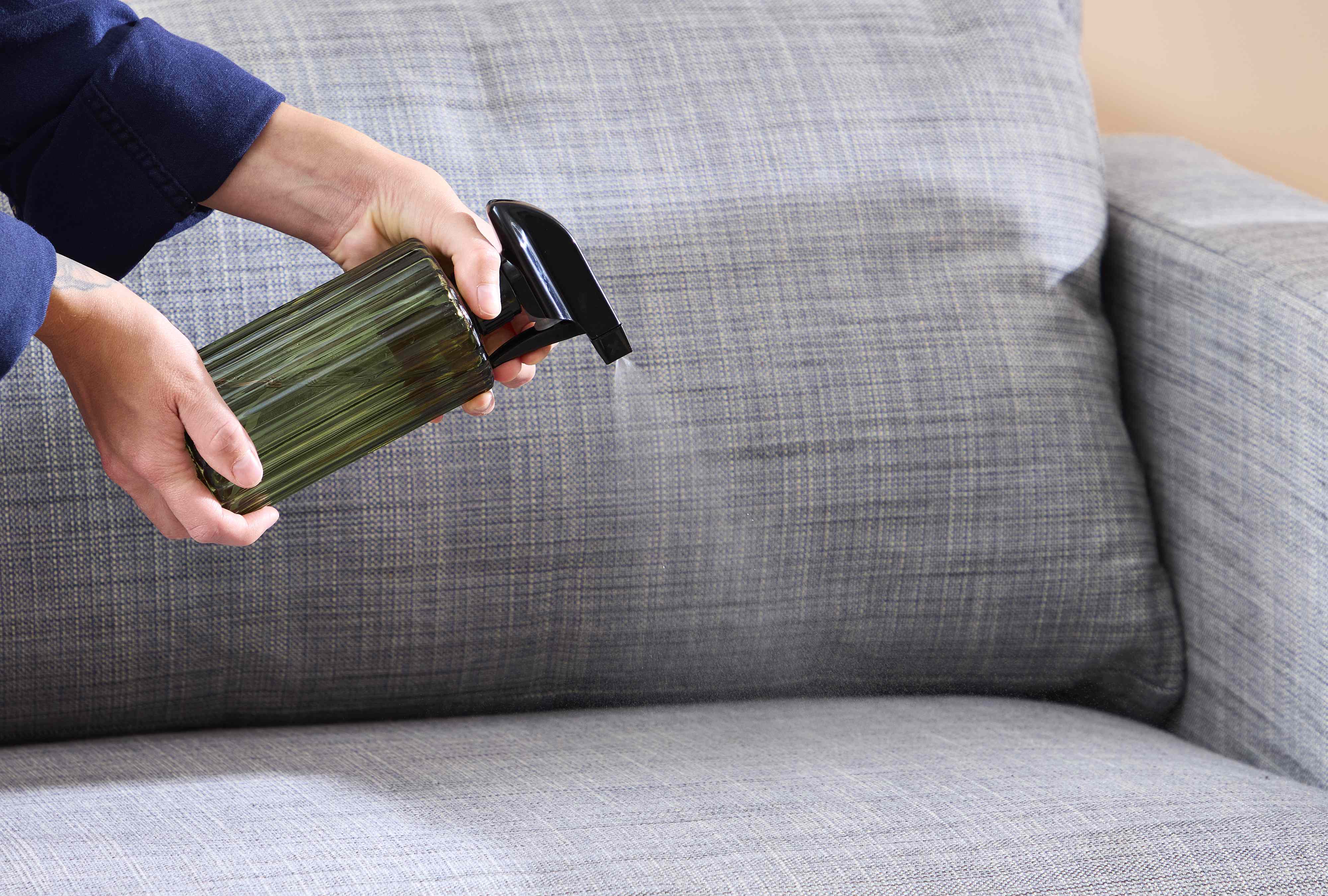
First: humidity or microbial?
Before you throw baking soda at the problem, take 60 seconds to diagnose. Two different smells can both read as “musty,” but they have very different fixes.
Quick decision tree
- Smell is stronger in the morning, after rain, or when the room is closed up and fades with fresh air: likely humidity and trapped stale air.
- Smell is localized to one cushion, one seam, or one corner that sat against an exterior wall: likely moisture intrusion (spill, basement damp, leaky window, condensation).
- Smell has a sharp, earthy, basement note, returns fast after deodorizing, or makes you cough or itch: treat as possible mildew or mold.
- Visible spots (black, green, white fuzz), tide marks, or fabric feels cool and clammy: assume active moisture plus microbial growth until proven otherwise.
- Odor is sour, sweaty, or like an old gym bag rather than “grandma’s attic”: often body oils plus humidity, especially on arms and headrest cushions.
If you land in the “maybe mildew” lane, keep reading. We can still do a careful check without turning your living room into a science experiment.
The moisture meter mindset
Professionals love moisture meters because they remove guesswork, but you can borrow the logic without buying tools. You are trying to answer one question: Is this cushion fully dry all the way through?
Core-dryness checks
- Surface dry is not dry. Upholstery fabric can feel crisp while the foam or fill inside is still damp.
- Press deeply with your palm. If the cushion feels cooler than the room, treat it as a clue that evaporation may still be happening inside. It is not a definitive test.
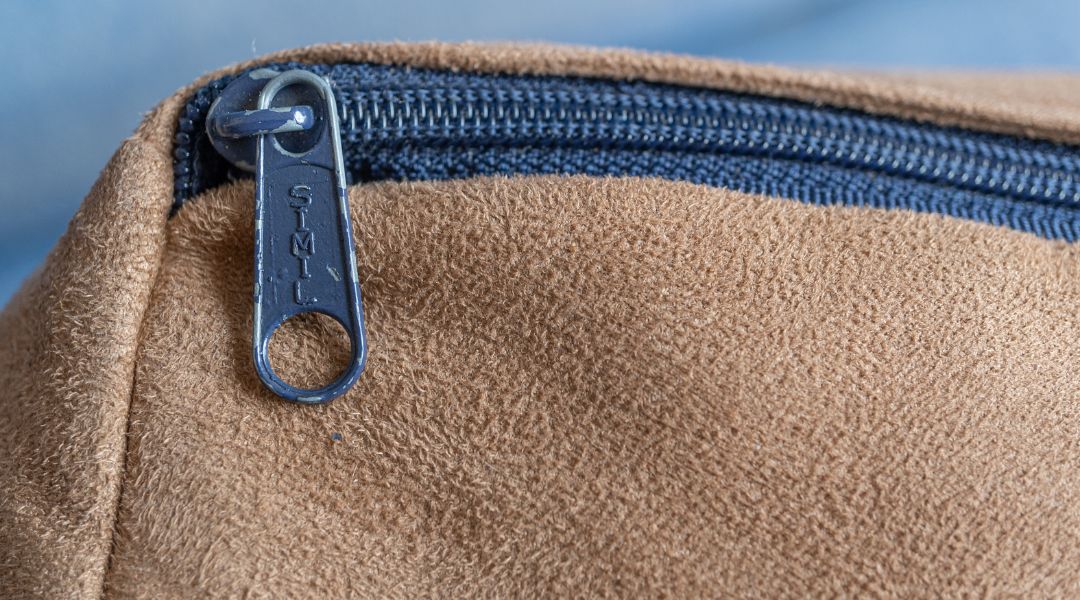
- Sniff the zipper seam or piping. Odors hide where airflow is lowest.
- Paper towel check. Press a clean paper towel firmly into a seam or under a removable cover for 10 seconds. Any damp transfer means more drying time.
If you do own a moisture meter, it is most useful on the wood frame around the cushion area (especially on vintage pieces). Persistently elevated readings in the frame often explain why “the smell keeps coming back.”
Foam vs. fiber fill
This is the part most generic deodorizing advice skips, and it matters.
Foam cushions (polyurethane, memory foam, latex)
- Behavior: Foam can hold moisture internally and dry slowly, especially thick seat cushions.
- Odor pattern: If damp, foam often smells “sweet musty” or like a wet sponge. If microbial, it can turn sharper and persistent.
- Risk: Once mold penetrates deep into porous foam, it is hard to truly remove.
- Best approach: Long, controlled drying plus HEPA vacuuming of the cover, then gentle deodorizing. Avoid soaking foam whenever possible. With memory foam, think minimal liquid and extra drying time.
Fiber fill cushions (polyfill, cotton, down, feather blends)
- Behavior: Fiber fill can clump when wet and can hide damp pockets. Down and feather especially hate lingering moisture.
- Odor pattern: Wet natural fills can smell animal-like or “barny” until fully dry.
- Risk: If stored damp, natural fills can develop stubborn mildew odor and may trigger allergies.
- Best approach: Fluffing plus airflow, frequent turning, and very thorough drying. Sometimes professional cleaning is the safest route for down blends.
Translation: foam needs time and airflow. Fiber fill needs airflow and agitation. Both need dryness all the way through.
Drying: what works
Drying is the foundation. Deodorizing on top of dampness is like spritzing perfume over wet laundry.
Best drying setup (my go-to)
- Remove covers if possible. Wash if the care label allows.
- Stand cushions on edge so air can move around them.
- Add a fan aimed across the cushion. Skip blasting one spot. You want cross-ventilation that dries evenly.
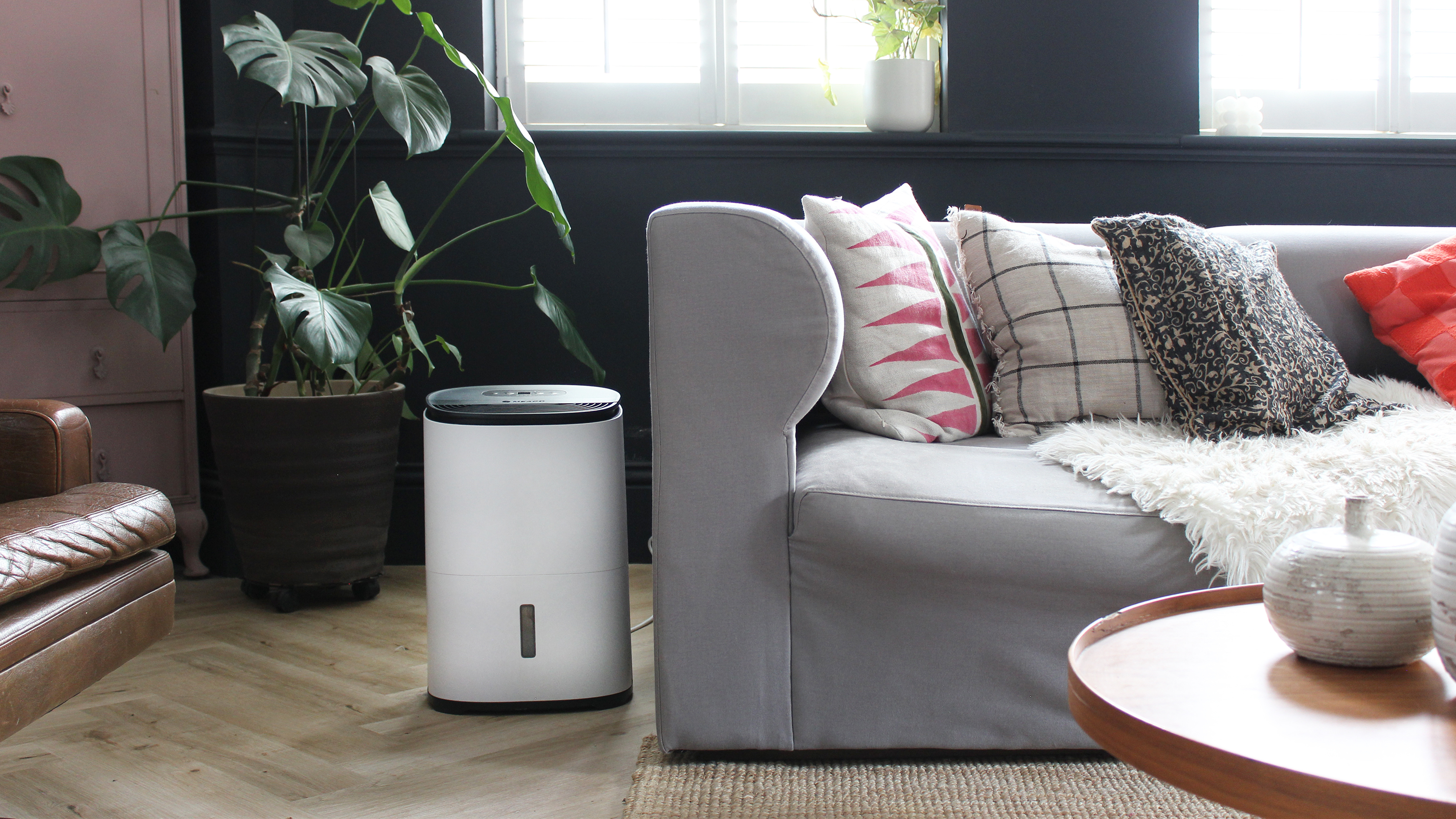
- Run a dehumidifier if your indoor humidity is staying above about 50 to 55 percent. The long-term comfort target is usually closer to 40 to 50 percent, depending on your home and climate.
- Flip every 2 to 4 hours on day one, then at least twice daily until fully dry.
Sun and fresh air
Sunlight is a wonderful helper for “stored” smells, but it is not a magical disinfectant, and it can damage fabrics.
- Do: use short sun sessions (30 to 90 minutes per side) for removable covers and sturdy outdoor-friendly fabrics.
- Do: prioritize shade plus breezes for delicate vintage textiles, silk blends, wool, viscose/rayon, and dyed linens that fade or water-mark easily.
- Do not: leave foam inserts baking in hot sun for hours. Heat can accelerate breakdown and warp some foams.
- Do not: dry outdoors in very humid weather. You can accidentally rehydrate the cushion.
Mildew check
If you suspect mildew, treat the cushion like it is dusty with something you do not want to breathe in. A little caution goes a long way.
Safety basics
- Wear a well-fitting mask (an N95-style mask is ideal), gloves, and eye protection.
- Inspect in a ventilated area, ideally outdoors or near open windows.
- Do not aggressively shake cushions indoors.
- Work over a drop cloth or an old sheet you can fold inward after. Bag any debris. Wash hands, and consider changing clothes after a heavy inspection.
Where mildew hides
- Zippers, piping, and seams
- The underside that rests against the sofa deck
- Button tufts and deep creases
- Where cushions touch walls, especially exterior walls
What you are looking for
- Speckling that looks like pepper, charcoal dust, or faint gray freckles
- Fuzzy growth or powdery residue
- Water staining or rings
- A smell that intensifies when you open the cover
If you see growth on the cover only and the insert smells clean, you may be able to salvage by laundering or professional upholstery cleaning. If the insert itself shows spotting or smells strongly, skip to the disposal section below.
HEPA vacuuming schedule
Musty odor often clings to dust, skin cells, and microscopic debris. If you deodorize without removing that layer, the smell tends to creep back.
What to use
- A vacuum with a true HEPA filter (HEPA-rated filtration, ideally in a well-sealed system) and a clean bag or bin
- Upholstery brush attachment (gentle bristles)
Simple schedule
- Day 1: Vacuum the cushion cover (inside and out) and the cushion insert surface.
- Day 2 to 3: Vacuum again after drying and flipping, especially seams and creases.
- Weekly for 3 to 4 weeks: Quick vacuum pass to prevent the “stored” smell from re-settling while the room’s humidity stabilizes.
Also vacuum the sofa frame, deck, and the floor underneath. Odor can live in the dust under there like it is paying rent.
Safe deodorizers
My rule: deodorizer should be low-residue, fabric-appropriate, and used after you have handled moisture. Anything that adds water or leaves perfume can backfire.
Baking soda (best for covers)
- Sprinkle a light, even layer on dry removable covers.
- Let sit 8 to 24 hours.
- Vacuum thoroughly with HEPA.
Avoid packing baking soda into foam. It is difficult to remove fully, and any leftover grit can be annoying over time.
Activated charcoal
Charcoal works by adsorption and does not add moisture or fragrance.
- Place cushions in a small room or closet with open containers of activated charcoal for 48 to 72 hours.
- Works well for mild “stale storage” odor after drying.
Vodka spray (optional, patch test)
Plain, unflavored vodka diluted 1:1 with water can reduce some odors on certain fabrics, especially if the smell is more “stale” than “biological.” Evidence is mostly anecdotal, but it is a common theater-costume trick.
- Patch test first in a hidden spot.
- Mist lightly, do not soak.
- Use with strong airflow so it dries fast.
- Skip on water-sensitive fabrics (often silk, viscose/rayon) and anything that already water-marks easily.
- Do not swap in rubbing alcohol without doing your homework. It is not the same thing and can create its own problems on finishes and dyes.
Enzyme cleaners (for organic odors)
Enzymes are great for food, sweat, and some pet-related residues. They are not a universal fix for mildew.
- Use if the smell reads sour, sweaty, or body-oil heavy.
- Follow label dwell time and fully dry afterward.
- Patch test, especially on vintage fabrics.
What I avoid
- Bleach on upholstery: can damage fibers and does not belong in foam.
- Heavily fragranced sprays: they mask and can react badly with dampness.
- Over-wetting with any cleaner: moisture is the original problem.
- Ozone generators: unsafe for occupied homes and can degrade rubber, foams, and some finishes. If a product requires you to leave your home and air it out like a chemical event, it is not my idea of “fresh.”
Care codes and fabric cautions
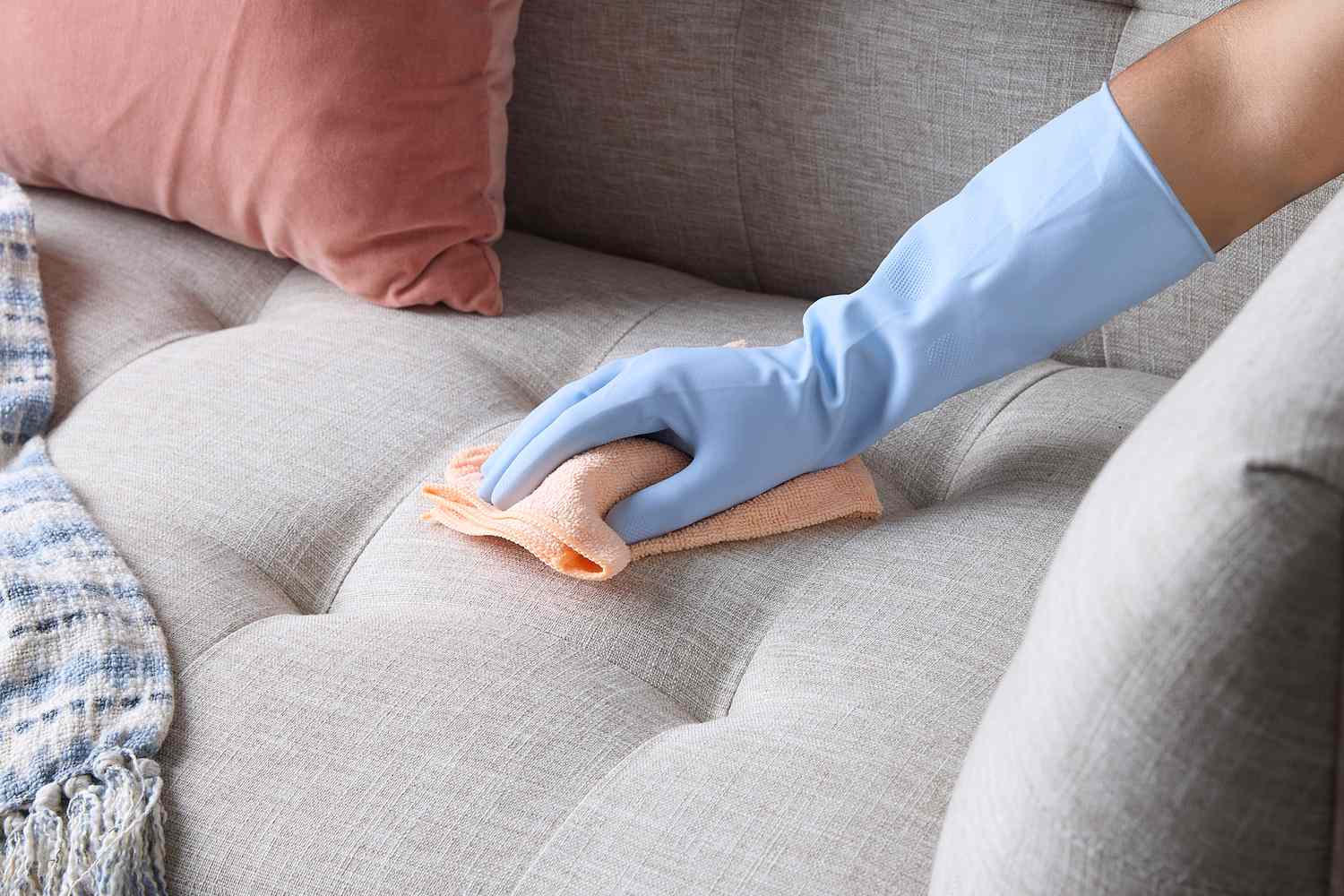
If your cushion has a care tag, it matters. Many upholstery fabrics have a cleaning code:
- W: water-based cleaning is generally allowed
- S: solvent-only (do not wet it)
- WS or SW: either water-based or solvent cleaner may be used with care
- X: vacuum only, professional cleaning recommended
No tag? Be extra careful with silk, wool, and viscose/rayon blends. They can water-mark, distort, or shift color even with “gentle” DIY sprays.
When to call a pro
DIY is great for mild mustiness and simple moisture events. It stops being smart when the scope grows.
- Call a pro if multiple cushions are affected, the odor is coming from the sofa deck or frame, or you see visible growth on structural parts.
- Call a pro if the smell is still strong after 3 to 5 days of disciplined drying (fan, flipping, dehumidifier) and vacuuming.
- Stop and reassess if anyone in the home is symptomatic (asthma flare, headaches, coughing, itching), especially kids, older adults, and immunocompromised people.
There is no prize for suffering through an avoidable air-quality problem.
When mildew means replacement
I love saving vintage pieces. I also love breathing. If you hit any of the points below, it is time to consider replacing the insert or, in some cases, letting the cushion go entirely.
Replace the cushion insert if
- The foam core has visible mold spotting, fuzzy growth, or an odor that persists after thorough drying and HEPA vacuuming.
- You can smell mildew strongly when you open the cover, especially from the core itself.
- The cushion was truly wet and stayed that way for a long stretch before drying began. The common remediation rule of thumb is 24 to 48 hours for porous materials, and the risk tends to climb fast after that. Temperature, humidity, and saturation level all matter.
Consider professional help or disposal if
- Anyone in the home has asthma, severe allergies, or is immunocompromised, and the cushion triggers symptoms.
- The smell is spreading to other textiles in the room.
- The sofa frame or deck shows signs of mold or chronic dampness.
Good compromise: keep the cover if it is in great shape and can be properly cleaned, and replace only the insert. Many upholsterers can cut new foam to size, and it is often cheaper than replacing an entire sofa.
Prevention
Once the musty smell is gone, the goal is to keep it from sneaking back in like an unwanted houseguest.
- Keep indoor humidity in check, often around 40 to 50 percent.
- Do not push furniture tight to exterior walls. Give it an inch or two to breathe.
- Vacuum upholstery monthly, and the floor under the sofa at least every other month.
- Rotate and flip cushions so one side is not always trapped against the deck.
- Skip plastic storage for cushions. Use breathable cotton bags or old sheets instead.
And if you are bringing home a vintage find that smells like someone’s attic, do your drying and HEPA routine before it joins the rest of your soft furnishings. It is much easier to prevent a room-wide musty vibe than to chase it later.
Quick checklist
- Dry first: fan plus dehumidifier plus flip often.
- Check the core: seams, zipper, piping, underside.
- HEPA vacuum: cover inside/out, insert surface, sofa frame.
- Deodorize gently: baking soda on covers, charcoal for air, mist only when appropriate and fabric-safe.
- Replace inserts: visible mold, persistent core odor, symptoms.