Moth Damage on Wool Rugs and Throws: Freeze, Clean, or Toss?

Clara Townsend
Clara Townsend is an interior stylist, vintage furniture enthusiast, and the creative voice behind Velvet Abode. With over a decade of experience transforming both cramped city apartments and sprawling fixer-uppers, she believes that a beautiful home is built on personal stories rather than massive budgets. When she isn't hunting for the perfect brass sconce at a local flea market, she can usually be found rearranging her living room for the third time this month.
There are few home heartbreaks like unrolling a wool rug and finding those little bald patches, or pulling a favorite throw off the back of the sofa only to discover tiny holes that were not there last season. Before you panic-clean your entire apartment, take a breath. With moth damage, the goal is simple: figure out whether anything is still living in the fibers, stop further loss, then decide whether repair is worth it for that piece.
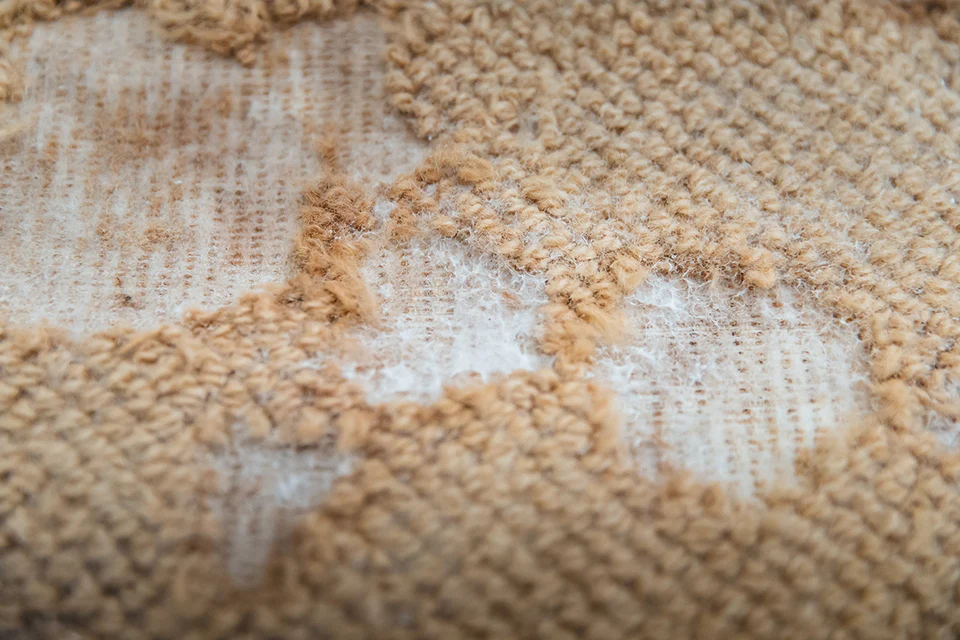
This is my no-drama triage approach for wool rugs, wool throws, and even sheepskins : how to confirm what pest you are dealing with, when freezing actually helps (and what temperature matters), what cleaning can and cannot do, and the point at which tossing is kinder than pouring time and money into a piece that will never feel good underfoot again.
First, know what you are dealing with
Adults usually are not the culprit
This is the part that surprises people. With clothes moths, the fluttery adult moth you notice near a closet is not the one chewing holes in your textiles. The damage is typically caused by larvae feeding on animal-based fibers like wool, cashmere, alpaca, mohair, fur, feathers, and sometimes blends that contain those fibers.
One important caveat: other pests can look like “moth damage,” especially carpet beetles. They also have larvae that eat animal fibers. If you are unsure, treat it as an active textile pest problem until you confirm otherwise.
Quick ID: clothes moths vs carpet beetles
- Clothes moth larvae: tiny, pale caterpillar-like larvae; you may see silky webbing or little tube-like casings stuck to fibers or along edges.
- Carpet beetle larvae: small, bristly, carrot-shaped larvae (often brown with bands); you may find shed skins and damage in quiet zones (under furniture, baseboards) similar to moths.
- Both prefer dark, undisturbed areas and dusty, “lived-in” fibers.
Larvae love quiet, dark, undisturbed places
Larvae prefer the spots we ignore: under furniture, along baseboards, in folded blankets, in the back of closets, or in storage bins that do not get opened for months. They are also drawn to fibers with a bit of “life” on them, meaning body oils, food drips, pet dander, and general dust. A perfectly clean wool rug can still be affected, but a rug that has not been vacuumed along the edges in ages is a much easier snack.
Signs the problem might be active
- Live larvae: tiny, pale, worm-like insects (often avoiding light).
- Casings or webbing: silky tubes or cottony webby patches in the pile or at the rug edge.
- Fresh-looking loose fibers: new “crumbs” of wool dust when you disturb a spot.
- Small pepper-like specks: can be frass (insect waste), especially near damaged areas.
If you only see clean-edged holes and no debris, it can be old damage. But it is not a reliable diagnostic. Some active infestations are subtle. Inspect carefully, treat cautiously, and monitor for new activity.
A note on monitoring
If you suspect clothes moths, pheromone traps can help confirm whether adult males are present and give you a sense of whether your efforts are working. They are for monitoring, not a standalone fix. Place traps in closets or near suspected activity, but not right next to stored wool, since you do not want to lure moths directly to your favorites.
Freeze, clean, or toss?
If you want the short version, here is the way I decide:
- Freeze when you suspect active larvae and the item is small enough to bag and fit in your freezer (throws, scarves, small rugs, some sheepskins if they fit).
- Clean when the piece is structurally sound and you are trying to remove eggs, larvae, dust, and food sources so the problem does not continue.
- Toss (or replace) when fiber loss is widespread, the foundation is compromised, or the item is shedding and thinning so much that it cannot be repaired into something you will actually use.
The key nuance: cleaning does not undo missing wool. It can stop ongoing damage and improve hygiene, but it cannot bring back pile that has been eaten.
Step 1: Isolate and inspect
When you find damage, treat it like glitter. Assume it traveled.
What to do immediately
- Isolate the item in a large plastic bag (clear is ideal so you can keep inspecting). Seal it.
- Do a bright-light inspection: check folds, the underside, fringe, binding, and the area under furniture where the rug sits darkest.
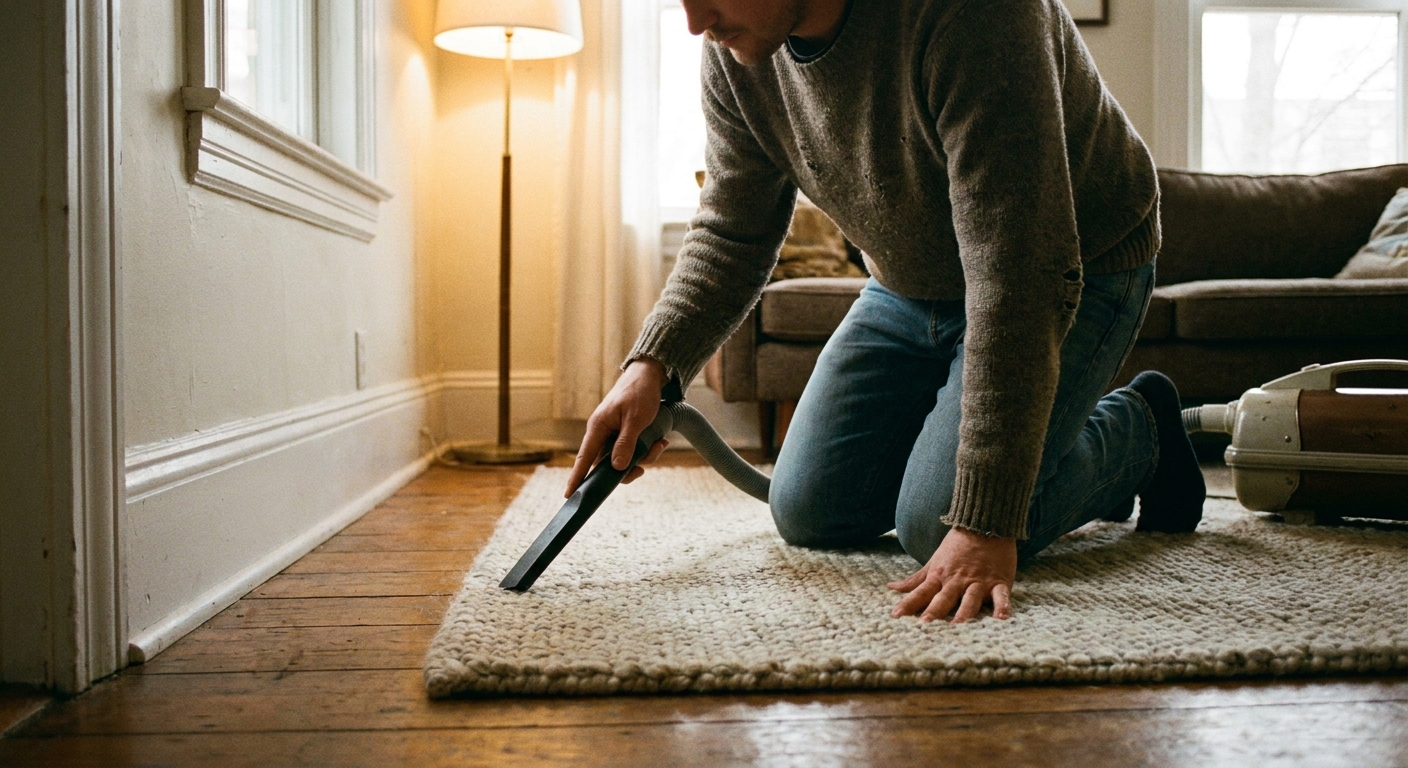
- Vacuum the surrounding area carefully: baseboards, closet floors, under-bed edges, and the rug’s usual spot.
Important: If you vacuum suspected larvae or eggs, empty the canister or dispose of the bag immediately outside your home. You do not want a “moth nursery” living inside your vacuum.
Step 2: Freezing, done right
Freezing is popular because it is low-chemical and accessible, but it works best when you do it like a system, not a single overnight toss-in. Think of freezing as something you do after isolating and inspecting, and typically before deep cleaning, since you want to reduce the chance of spreading anything around while you work.
What freezing can do
Freezing can kill larvae and eggs if the textile is held cold enough for long enough. Many conservation references cite at or below 0°F (-18°C) for at least 72 hours, with a second freeze cycle after thawing as an added safeguard. Home freezers vary, and thick, dense items insulate themselves, so temperature and time both matter.
If you are serious about it, a small freezer thermometer is a surprisingly helpful tool.
How to freeze a wool throw or small rug
- Bag it tightly in a sealed plastic bag to prevent moisture and freezer odors from settling into the fibers.
- Freeze flat if possible, and do not cram it in. Air circulation helps cold reach evenly, and you do not want to crush the pile.
- Hold cold long enough: aim for 72 hours or more at or below 0°F (-18°C). For thick items or a warmer freezer, longer is safer.
- Thaw while still bagged to reduce condensation on the fibers.
- Repeat: once fully thawed, do a second multi-day freeze cycle.
Note on rug pads: I do not automatically freeze rug pads. Some materials (foam, rubber, latex, adhesives) can crack, warp, or smell after freezing. Check manufacturer guidance. If a pad is inexpensive and you suspect it is involved, replacement is often simpler.
If you are dealing with a large area rug that will not fit in a freezer, skip the gymnastics. Focus on thorough vacuuming, reducing dust and food sources, and consider calling a reputable rug cleaner who has experience with moth issues.
If a piece is precious or antique, do not experiment aggressively. A phone call to a professional rug conservator or specialty cleaner is sometimes cheaper than fixing a preventable mistake.
Heat as an option
Heat can work too, but it is less forgiving than freezing.
- Washable wool throws: if the care label allows it, a hot wash and a thorough dry can help. But many wool items will shrink or felt with heat and agitation, so follow the label like it is law.
- Dryer heat: only for items explicitly labeled dryer-safe. Otherwise, it is a fast way to ruin wool.
- Rugs: heat treatments are best left to professionals who understand dyes, foundations, and shrink risk.
If you feel tempted to “just blast it with heat,” pause. Wool remembers.
Step 3: Cleaning without wrecking wool
Once you have isolated and, if appropriate, frozen (or chosen another treatment), cleaning is about removing what moths and beetles like: dust, lint, hair, and hidden crumbs. It is also about removing debris left behind in damaged spots.
For wool rugs
- Vacuum slowly, with the grain of the pile. Use a suction-only setting if your vacuum allows it, especially for older rugs or rugs with loose pile .
- Avoid aggressive beater bars on fragile rugs, fringes, or areas that are already thinning. Vigorous agitation can turn weak spots into real damage.
- Use a crevice tool along edges, under the rug lip, and at fringe bases where debris collects.
- Flip and vacuum the back if the rug is small enough to manage. Activity can hide underneath.
If the rug is valuable, heavily soiled, or the damage seems widespread, a professional wash can be worth it. Ask directly whether they have experience addressing moth or carpet beetle issues, and what steps they take to reduce larvae and egg survival. Not every cleaner works the same way.
For wool throws and blankets
- Follow the care label first. Some wool can be hand-washed, some is strictly dry clean.
- Gentle is the goal: harsh agitation can turn a small thin area into a tear.
- Dry thoroughly: pests like quiet storage, and wool dislikes being stored even slightly damp.
Spot-cleaning holes and weak spots
If you have holes or thinning patches, avoid saturating those areas. Instead:
- Blot, do not scrub.
- Use minimal moisture and a wool-safe cleaner if needed.
- Support the area from underneath with a towel while you work, so fibers are not stretched.
A note on sprays and oils
Avoid spraying household insecticides directly onto rugs, throws, or bedding. You can stain fibers, create residue you do not want in your home, and still miss the actual source of the problem. Also be cautious with essential oils around pets, especially cats. “Natural” can still be unsafe.
Step 4: Repair small damage
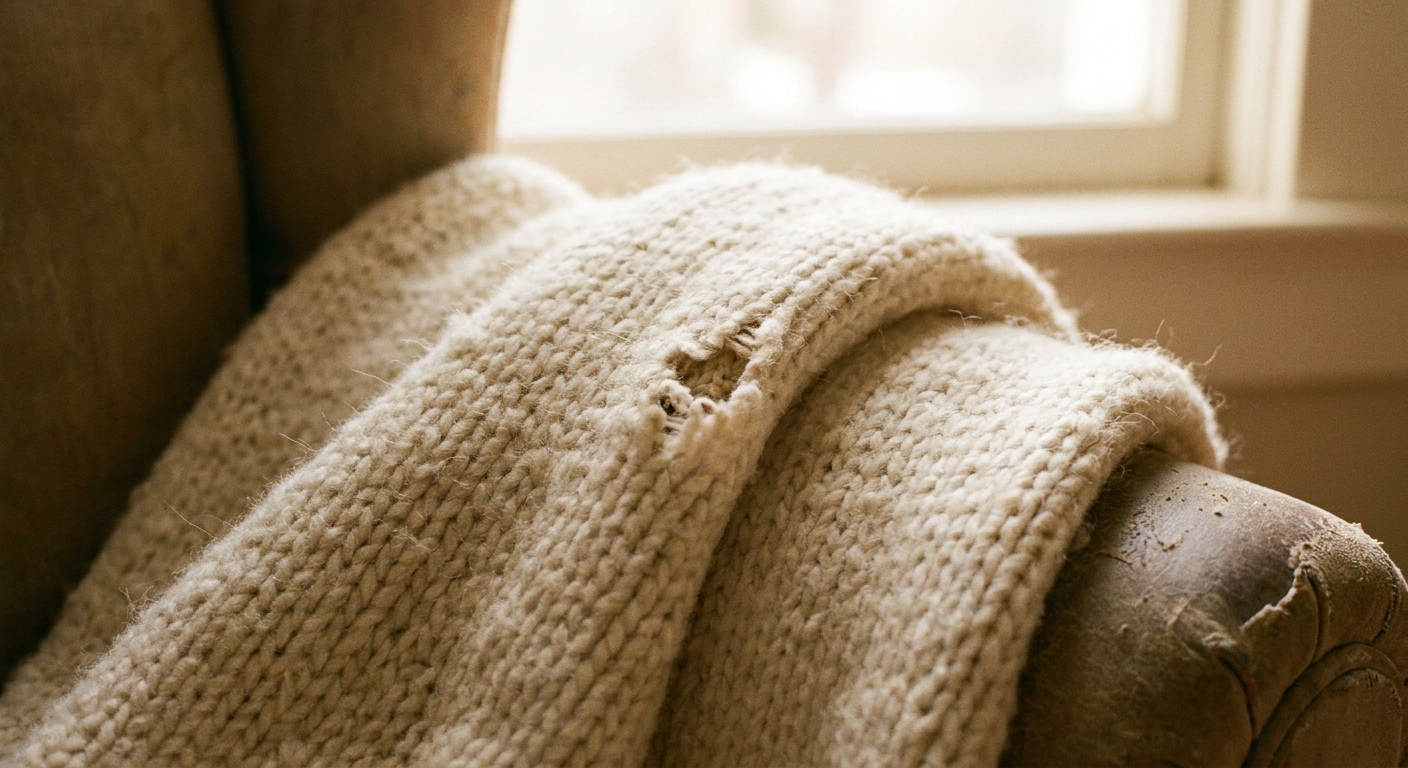
Not all moth damage is a death sentence. Some pieces only have a few tiny holes where a larva had a short, rude little snack.
Wool throws
- Darning: A simple darning stitch with matching wool yarn can close holes and prevent spreading.
- Needle felting: Works on some wool knits or felted fabrics to fill small areas. Test first, because results vary by weave and finish.
- Patch as a design choice: A small patch on the underside or a visible patch done thoughtfully can feel charming and honest, especially on heirloom-style blankets.
Wool rugs
Rug repair is its own craft. If damage is on the edge, the binding, or fringe, a professional repair can prevent unraveling . For small surface losses, some rug specialists can reweave or re-knot, but costs can add up quickly.
I ask myself one question: Will I love this rug on the floor again after repair, or will I keep staring at the scar? If you will never stop noticing it, you might be happier putting that money toward a new-to-you vintage find.
When it is time to toss
Here is the gentle truth: sometimes the kindest thing you can do is let the item go.
Consider replacement when
- Fiber loss is widespread: many bare patches across traffic areas, not just a small corner.
- The foundation is compromised: you can see the backing clearly, the weave is loosening, or holes are turning into tears.
- It sheds excessively and continues to look thinner after careful vacuuming and cleaning.
- You have repeated re-infestations tied to that item, especially if you cannot fully treat or clean it.
If you cannot bear to toss it
Some rugs can be cut down and bound into smaller mats if the damage is localized. A throw with holes can become a pet blanket, a picnic layer, or a decorative drape at the foot of a bed where it is not under stress. Repurposing is not defeat. It is a second life.
Storage habits that help
Pests thrive on our good intentions. You clean, you fold, you stack it away, and you forget it exists until fall. So the best protocol is the one you can realistically keep.
For everyday wool rugs
- Vacuum edges and under furniture regularly. Those dark, quiet zones are prime real estate for larvae.
- Rotate rugs so the same areas are not always shaded and undisturbed.
- Keep floors and baseboards clean, especially if you have pets. Hair and dander can support activity even if the rug does not look dirty.
For stored throws and sweaters
- Clean before storing. Even tiny body oils are a buffet.
- Store in sealed containers or tightly sealed garment bags, not breathable fabric bins if you have an ongoing issue.
- Avoid cardboard if you are seeing pests. It offers hiding spots and is not airtight.
- Unfold and air out stored wool occasionally. Disturbance matters more than people think.
What about cedar and lavender?
Cedar and lavender can be pleasant deterrents for some households, but results are inconsistent, and they are not a reliable fix for an active infestation. Cedar also needs to be fresh or lightly abraded to release aromatic oils. If you use these, think of them as a supporting actor, not the lead character. The starring roles are cleaning, sealing, and regular disruption of hiding places.
Calm checklist
- Bag and isolate the damaged item.
- Inspect for larvae, casings, webbing, shed skins, and debris.
- Vacuum nearby floors, baseboards, and under furniture. Empty the vacuum outside.
- Freeze small items using a bagged, multi-day cycle at or below 0°F (-18°C) if you suspect active pests.
- Clean gently, focusing on removing dust and food sources.
- Repair small holes if the textile still has strength and you truly want to keep it.
- Replace when the foundation or overall pile is too far gone.
- Store clean wool in sealed containers and disturb storage areas regularly.
When to get help
If you are seeing recurring damage across multiple items, or you find signs of active larvae in more than one area, consider bringing in help. A reputable pest professional can identify whether you are dealing with clothes moths, carpet beetles, or something else entirely, and suggest targeted next steps. For valuable rugs, a specialty rug cleaner or conservator can advise on the safest treatment route for your specific weave and dyes.
And if you are sitting there holding a holey wool throw like it is a personal failure, let me say this with love: pests are not a moral judgment. They are tiny opportunists. Your home is still allowed to be beautiful.