Modern Farmhouse to Modern Organic

Clara Townsend
Clara Townsend is an interior stylist, vintage furniture enthusiast, and the creative voice behind Velvet Abode. With over a decade of experience transforming both cramped city apartments and sprawling fixer-uppers, she believes that a beautiful home is built on personal stories rather than massive budgets. When she isn't hunting for the perfect brass sconce at a local flea market, she can usually be found rearranging her living room for the third time this month.
If your home is still wearing its modern farmhouse era proudly, think bright white walls, black metal accents, and a few too many “rustic” signs, you are not alone. Modern farmhouse had a long, happy run because it is clean, friendly, and easy to pull together. But if you are craving something calmer and more tactile, modern organic is a gorgeous next chapter.
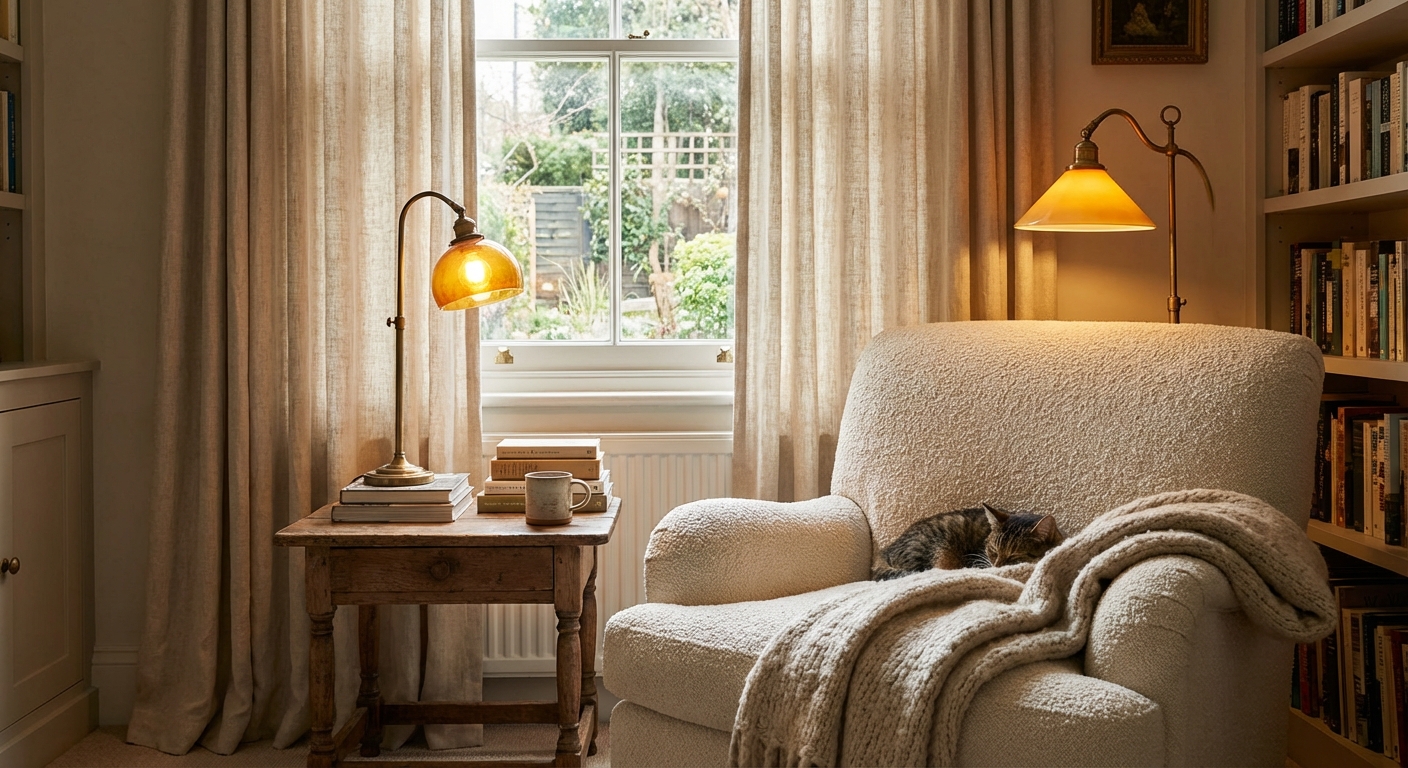
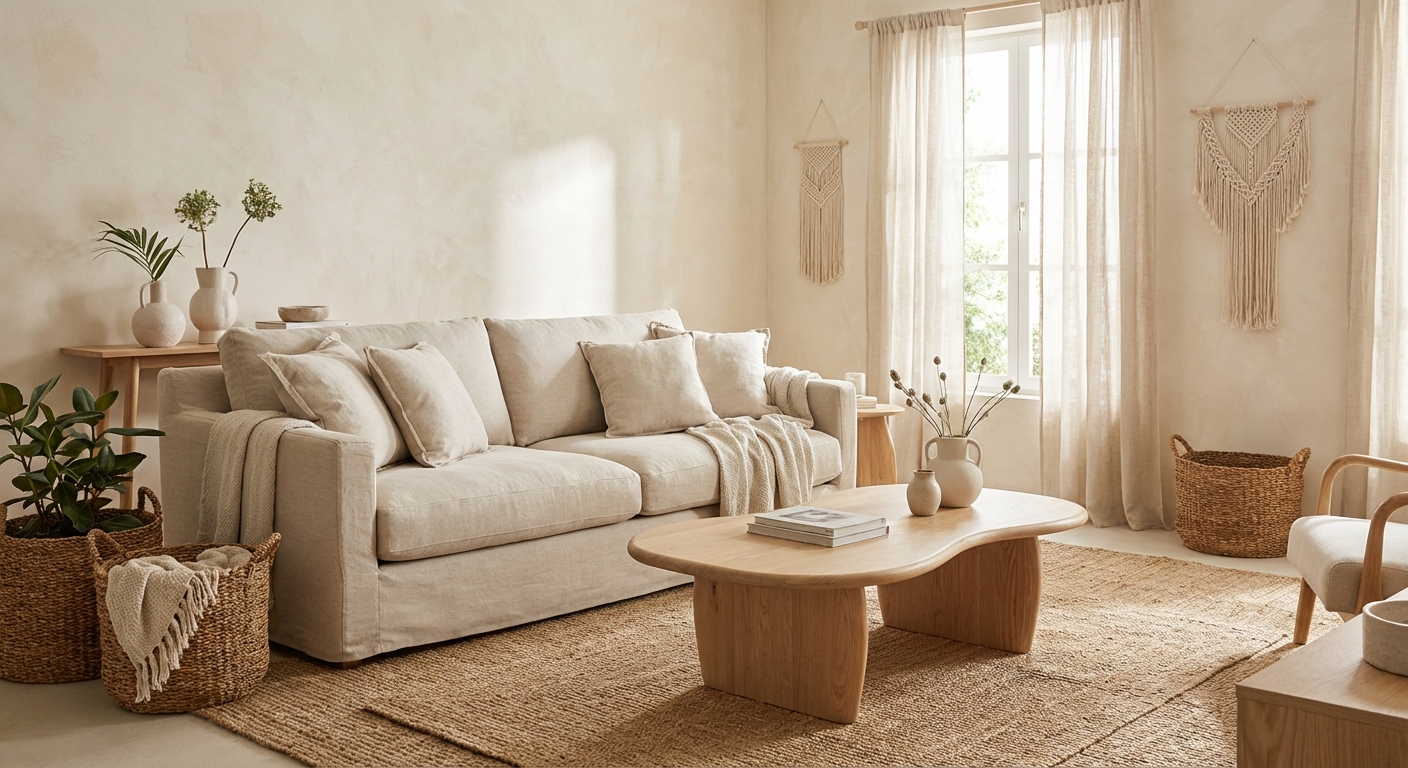
So what is modern organic? It is modern simplicity with natural materials, softer contrast, and a lived-in, collected ease. Modern organic keeps the clean lines you already like, but swaps high-contrast, matchy moments for warmth, texture, and a more layered feel. Imagine creamy walls instead of stark white, low-sheen stone or matte finishes instead of high-gloss surfaces, and lighting that glows like late afternoon.
Modern farmhouse vs modern organic
Before you start donating every black lantern light, it helps to name what is changing. You are not “starting over.” You are editing and softening.
Modern farmhouse often looks like
- Higher contrast: bright white with crisp black
- Lots of straight lines: X-back chairs, barn doors, grid mirrors and windows
- Rustic decor that can feel themed: word art, galvanized accents, matching sets
- Cleaner, cooler finishes: matte black everywhere, shiny chrome, bright white trim
Modern organic often looks like
- Lower contrast: creamy whites, warm taupes, clay, sand, muted greens
- Softer shapes: curves, rounded edges, relaxed silhouettes
- Natural materials and patina: linen, wool, rattan, oak, travertine, handmade ceramics
- Calm layering: fewer things, but each one adds texture or meaning
My favorite way to describe modern organic is “quietly rich.” Not in price, in feeling. It is the kind of room that makes you exhale.
Step 1: Keep what works
Modern farmhouse has a strong foundation: simple shapes, functional layouts, and lots of light. Instead of ripping everything out, take a quick inventory.
Pieces you can usually keep
- Comfortable sofas and sectionals with clean lines
- Solid wood dining tables, especially if they can be sanded or toned warmer
- White or neutral walls, if they are not too stark
- Simple cabinetry and classic tile
Pieces to swap first
- Anything that reads “theme” rather than “home” (word signs, overly rustic wall decor)
- Very shiny black finishes used repeatedly (faucets, lighting, hardware all in the same black)
- Cool, gray wood tones that fight warmth
- Super angular accent furniture that feels harsh
Take a photo of each room and view it in black and white. If the room looks like a checkerboard of light and dark, modern organic will feel like a relief.
Step 2: Warm up your whites
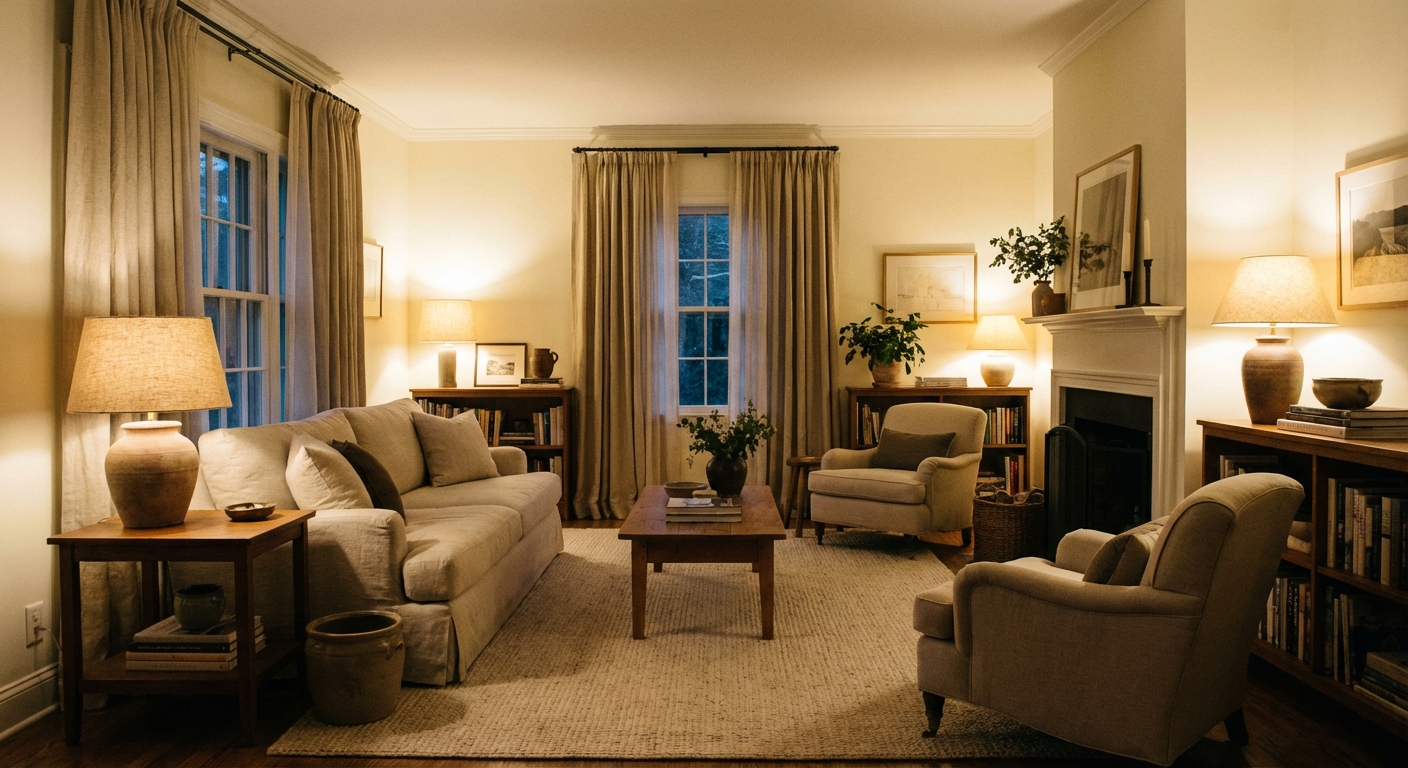
This is the single biggest shift, and it does not require a renovation. Modern farmhouse often leans into crisp, cool whites. That said, farmhouse can absolutely be warm and creamy too, especially depending on the home’s era and region. Modern organic tends to look best in creamy, grounded neutrals that feel good in morning light and in evening lamp glow.
How to do it without repainting
- Swap bright white curtains for natural linen or linen-look panels in ivory, oatmeal, or flax.
- Add a large wool or jute rug in a warm neutral to visually warm up the whole room.
- Choose pillows and throws in cream, camel, and soft brown instead of black-and-white patterns.
If you are ready to paint
Pick a warm white or soft beige that feels like steamed milk, not printer paper. Test it next to your existing trim and floors, then view it at night with lamps on. Modern organic is all about that evening mood.
Step 3: Soften the contrast
Modern farmhouse often uses black as the main accent color. Modern organic still likes contrast, but it is softer and more nature-based.
Try these accents instead of repeating black
- Antique brass and aged bronze (especially for lighting and hardware)
- Warm wood tones like oak, walnut, or reclaimed timber
- Stone and ceramic in sandy, clay, and chalky finishes
- Muted greens (sage, olive) and warm charcoal (used sparingly)
If you love your black windows or black faucet, keep one or two strong black statements. The trick is to stop echoing black everywhere else.
Quick note on mixing metals
Mixing metals is not only allowed, it is often what makes modern organic feel collected. Pick a “lead” metal (like aged brass) for most pieces, then use black as a deliberate accent (one faucet or a set of window frames), and keep shiny finishes limited so the room stays calm.
Step 4: Upgrade the lighting
Almost any room looks more elevated with better lighting. Modern organic lighting is less “barn” and more “gallery meets nature.” Think organic shapes, warmer metals, and shades that diffuse light.
Quick swaps that make a big difference
- Trade black cage pendants for linen drum shades or softly fluted glass.
- Use bulbs around 2700K to 3000K. Aim closer to 2700K in living rooms and bedrooms for glow, and 3000K can feel cleaner in kitchens and baths.
- Add two to three lamps per room so overhead lighting is not doing all the work.
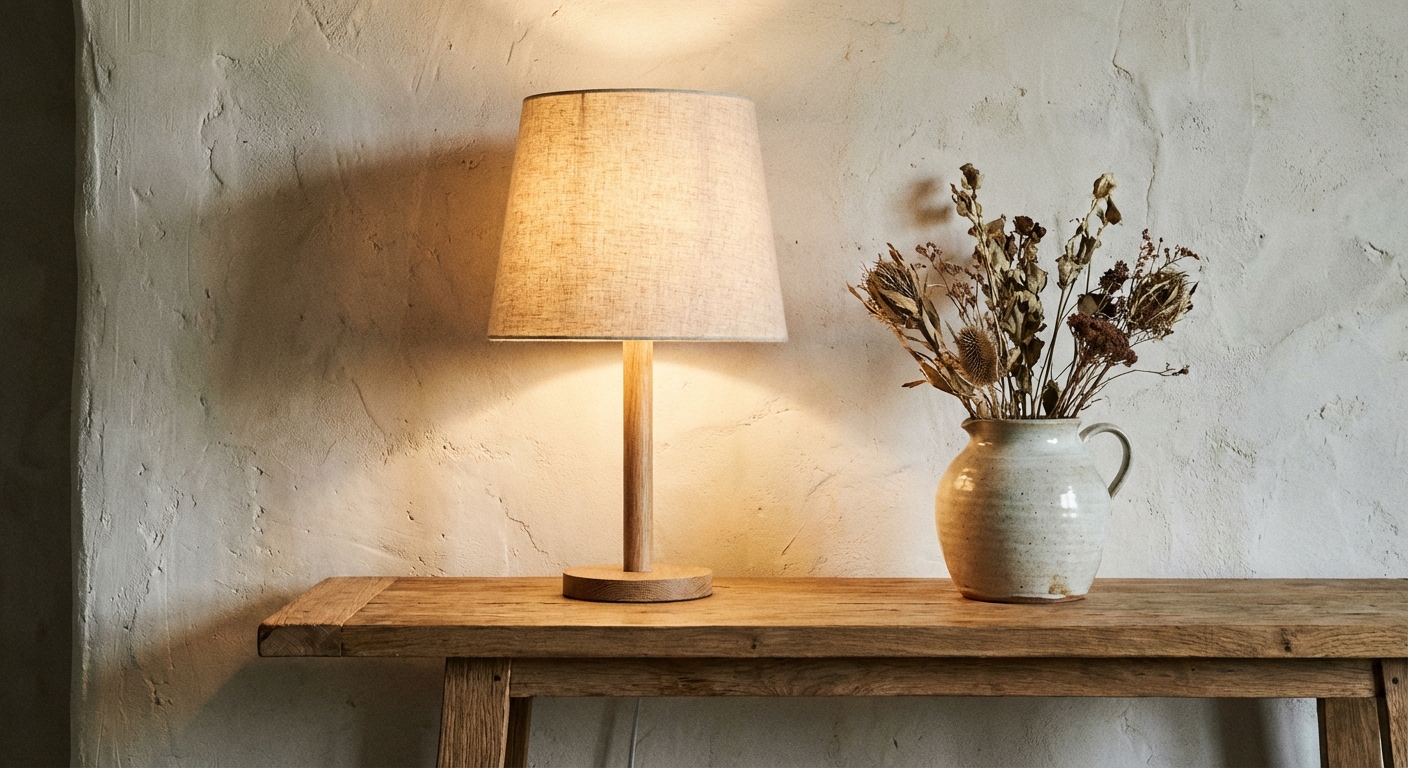
Look for lamps with ceramic bases, woven shades, or stone-like textures. The goal is warm and flattering, not harsh and bright.
Step 5: Add curves
Modern farmhouse loves crisp geometry. Modern organic is more forgiving. You can introduce curves without buying all new furniture.
Easy ways to add softness
- A round or oval coffee table (wood, stone, or plaster-look)
- A large arched mirror to replace a square black grid mirror
- Rounded-back dining chairs or slipcovered end chairs
- A curved floor lamp or a sculptural ceramic vase
Even one rounded piece in a room can make everything feel more relaxed.
Step 6: Layer texture
This is where modern organic gets its cozy reputation. Texture is the style. When you remove themed decor, you add interest back in through materials.
Texture checklist
- Linen: curtains, pillow covers, slipcovers
- Wool: rugs, throws
- Rattan or cane: baskets, chair backs, one accent piece
- Wood: stools, frames, sculptural bowls
- Stone or stone-look: trays, lamp bases, side tables
- Ceramic: handmade vases, imperfect glazes
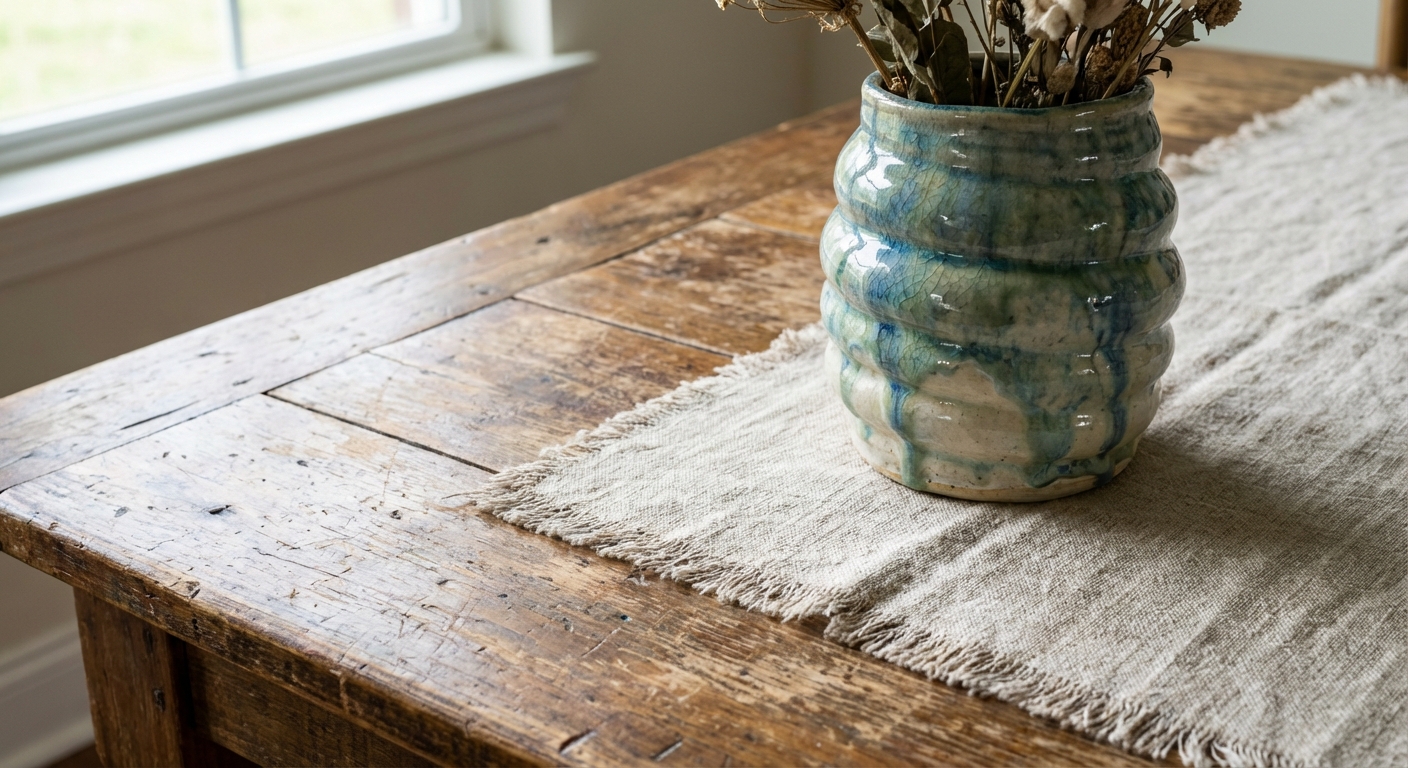
A simple rule I use in styling: in any vignette, aim for three different textures. For example: a ceramic vase, a wood tray, and a linen runner.
Step 7: Update farmhouse details
Some modern farmhouse features can be adjusted rather than erased. Here is how to shift them into modern organic territory.
Shiplap
- Paint it a warm white or a soft clay beige instead of bright white.
- Style it simply: one large piece of art or a textured wall hanging, not a cluster of signs.
Barn doors
- If you can swap it, a more minimal wood door or a pocket door will feel more modern organic.
- If you need to keep it for function or budget, soften the look with a warmer stain and hardware in aged brass or bronze instead of matte black.
Open shelving
- Edit down and keep negative space.
- Use neutral ceramics, wood boards, and stone pieces rather than matching canisters.
Gray floors or gray wood tones
- Warm them up with large rugs in ivory, sand, and camel.
- Bring in honey-toned woods to counterbalance the coolness.
Step 8: Style like a collector
Modern organic rooms feel personal because they are not built from a single aisle at a single store. This is where your story comes in.
What to remove
- Mass-produced word art
- Overly matchy sets (three identical lanterns, identical baskets, identical frames)
- Anything you only bought because it “fit the style”
What to add
- One vintage piece with patina: a brass sconce, an antique mirror, a worn wood stool
- Art with softness: landscapes, abstracts, charcoal sketches, textiles
- Books and objects you actually touch and use
- A living element: a branching plant, olive tree, or a vase of cut greenery
If you are thrifting, look for pieces that are imperfect in a beautiful way. A small chip on a ceramic bowl is often more charming than a flawless, factory-fresh set.
Swap ideas (with budgets)
If you like practical before-and-after moves, here are a few easy ones. Mix and match based on your space.
- Black cage pendant → linen drum or fluted glass pendant (about $50 to $200 at big box stores, or check marketplace for vintage shades).
- Black-and-white printed pillows → linen + wool in cream, camel, and soft brown (about $20 to $120 depending on inserts and fabric).
- Word sign → one oversized art piece (DIY a simple canvas wash for under $50, or find vintage art and frames secondhand).
Room-by-room plan
Living room
- Swap black-and-white pillows for linen and wool in warm neutrals.
- Add a textured rug and two lamps.
- Replace one angular piece with something rounded.
Kitchen
- Change hardware to aged brass or a softer mixed metal.
- Style counters with wood and ceramic, not signs or trays full of themed decor.
- Add a runner with texture to warm up hard surfaces.
Bedroom
- Trade crisp white bedding for layered neutrals and a linen duvet cover.
- Add an upholstered or wood headboard with a softer silhouette.
- Use warm bedside lighting, ideally with fabric shades.
Bathroom
- Bring in natural elements: wood stool, stone tray, woven basket.
- Swap stark white towels for ivory or sand.
- Choose a shower curtain with texture instead of a graphic pattern.
Budget roadmap
You do not need to do this all at once. If you want the most impact per dollar, here is the order I would tackle.
- Textiles: rug, curtains, pillows, throws.
- Lighting: bulbs first, then lamps, then overhead fixtures.
- Paint: warm up walls, then consider trim if needed.
- Hardware: cabinet pulls, faucets, towel bars.
- One anchor piece: a round coffee table, an antique mirror, or a vintage rug.
Give each change a week before you make the next. Your eye needs time to adjust, and you will make better choices when you are not stress-shopping.
Materials: real-life notes
Modern organic materials are beautiful, but they are not always “set it and forget it.” A few quick realities so you can choose what fits your life:
- Travertine and marble: can etch or stain. Consider sealing, using coasters, or choosing a stone-look alternative if you have kids, red wine nights, or a very busy kitchen.
- Jute: adds warmth fast, but can shed and does not love moisture. Great for living rooms, less ideal for spill-prone areas.
- Linen: it wrinkles. That is part of the charm, but if it will bother you, try linen-cotton blends or textured cotton.
Mistakes to avoid
- Going too beige too fast. Modern organic is warm, but it still needs depth. Add contrast with wood, stone, and muted greens.
- Buying all new. Patina is part of the magic. Mix in vintage and thrifted pieces.
- Ignoring scale. These rooms often feel calmer because they use fewer, larger pieces rather than many small accessories.
- Keeping the farmhouse clutter. Edit hard. Let your materials do the talking.
Quick checklist
- Warm up whites (paint or textiles)
- Reduce repeated black accents
- Add 2 to 3 light sources per room
- Bring in at least 3 textures in key spots
- Introduce one curve
- Add one vintage piece with patina
The finishing touch
The best modern organic homes feel like someone actually lives there, reads there, naps there, and lights a candle on a random Tuesday. Once you have warmed the palette and added texture, finish with a few soul details.
- A bowl of citrus on the counter
- A slightly rumpled linen throw on the sofa
- A favorite vintage frame with a photo you love
- A candle or diffuser with a woody, herbal scent
If your space feels calmer, softer, and more like you, you did it. And if you still have one black metal lantern hanging around, keep it if it makes you smile. Modern organic is not about rules. It is about ease.