Level a Wobbly Sofa on Uneven Floors

Clara Townsend
Clara Townsend is an interior stylist, vintage furniture enthusiast, and the creative voice behind Velvet Abode. With over a decade of experience transforming both cramped city apartments and sprawling fixer-uppers, she believes that a beautiful home is built on personal stories rather than massive budgets. When she isn't hunting for the perfect brass sconce at a local flea market, she can usually be found rearranging her living room for the third time this month.
A wobbly sofa has a special talent for making an entire room feel slightly… off. One minute you’re curled up with tea, the next the whole thing rocks like it’s testing the tides. The good news is that most sofa wobble comes down to a few fixable culprits: an uneven floor, a loose frame, or a damaged or missing foot, leveler, caster, or floor pad. The trick is figuring out which one you’re dealing with before you start stuffing random cardboard under a leg and calling it a day.
Let’s level your sofa in a way that’s sturdy, gentle on your floors, and kind to your upholstery.
What you’ll need (pick what applies): furniture shims (plastic, composite, or wood), rubber or silicone pad or gripper, furniture coasters, flashlight, towel or scrap fabric to protect floors, screwdriver or wrench (for bolts or legs), and optionally a small saw or sanding block.

First: is it rocking or is it loose?
Before you shim anything, do a quick diagnosis. If the frame is loose, shimming can hide the symptom while the problem keeps getting worse.
How to tell it’s an uneven floor
- The sofa rocks in a consistent pattern, usually corner to corner.
- The wobble changes if you rotate the sofa 90 degrees or move it a few inches.
- No creaking at the joints when you push down on the arms or back, just movement at the feet.
How to tell it’s a frame or joinery issue
- The wobble feels “squishy”, not a clean rock, and you can feel movement in the arms, back, or base.
- You hear cracking, popping, or creaking when weight shifts.
- One leg looks splayed or a corner block looks separated.
Quick test: Put your hand where the leg meets the frame (underneath, if you can). Have someone gently rock the sofa. If you feel the joint itself moving, that’s a repair job, not a shim job.
Safety setup
Sofas are heavier than they look, especially once you’re trying to lift one corner with your hip like you’re moving day personified.
- Clear the area so you’re not stepping on toys, cords, or stray books.
- Get a helper if possible, especially for sectionals or sleeper sofas.
- Lift, don’t drag. Dragging can snap a weak foot or tear felt pads right off.
- Keep hands clear of pinch points under the frame. Lift only as much as you need to slide a shim or pad in.
- If you use a pry bar, go gently. Place a folded towel under it to protect the floor, brace it securely, and lift the smallest amount possible. If you can’t stabilize the sofa safely solo, wait for help.
- Don’t lift by the skirt or upholstery. Lift from the frame or a solid base point instead.
If your sofa has a fabric skirt, avoid poking around blindly. Shims can snag and puncture fabric in a heartbeat.
Step-by-step: level with shims
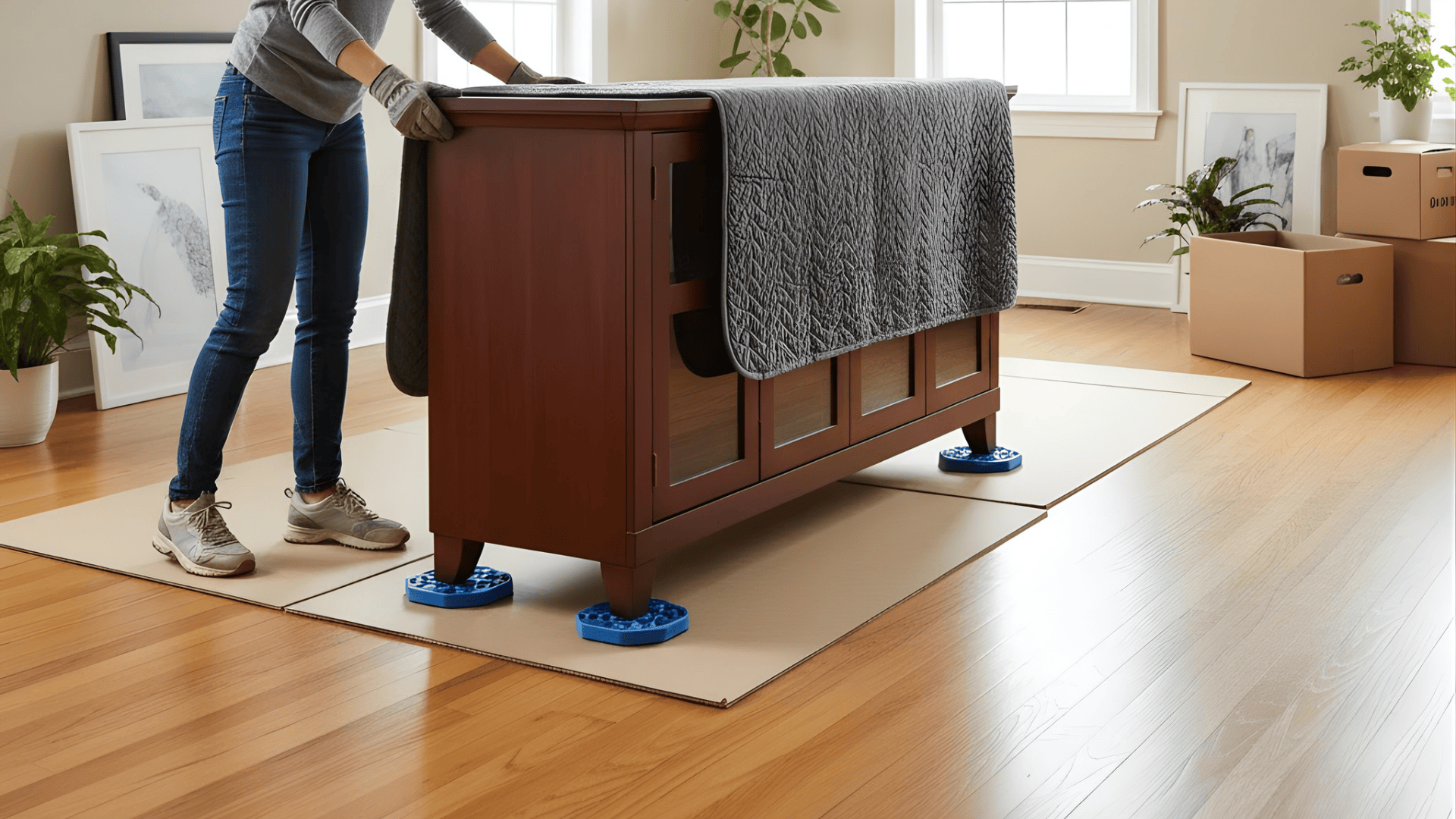
Shims are my go-to when one leg clearly isn’t making contact with the floor. Use plastic or composite shims if you’re on a slab or basement floor where moisture can be a thing. Wood is fine for dry interiors, but softwood wedges can compress over time. Plastic can creep under heavy, constant load too, so use quality shims and plan to recheck.
1) Find the lifting leg
Press down gently on each corner. The corner that clicks down and pops back up is usually the floating one.
Also check the obvious: sometimes a felt pad has fallen off one foot, and that tiny missing layer is enough to start a wobble.
2) Pick the right shim
- Wedge shims are best for tiny height differences and fine-tuning.
- Flat shims (or stackable leveling pads) are best when you want a clean, stable lift with less fuss.
3) Place the shim without damaging a skirt
If there’s a skirt, don’t jab the shim inward. Instead:
- Lift the corner slightly.
- Slide the shim in from the outside edge, keeping it flat to the floor.
- If the skirt blocks access, gently hold the skirt back with your hand or a smooth object like a ruler, then slide the shim under the foot.
4) Lock it in place
Once the sofa feels stable:
- Trim excess so it’s not visible. For wood shims, a small saw is often safest. You can also score deeply and snap cleanly, then sand any sharp edges.
- Add a grippy layer under the shim if it wants to creep out on hard floors.
Avoid: folded paper, random cardboard, stacks of coins, or anything brittle that can crack and shift. Also skip anything that can stain or transfer dye onto floors.
Pads and grippers
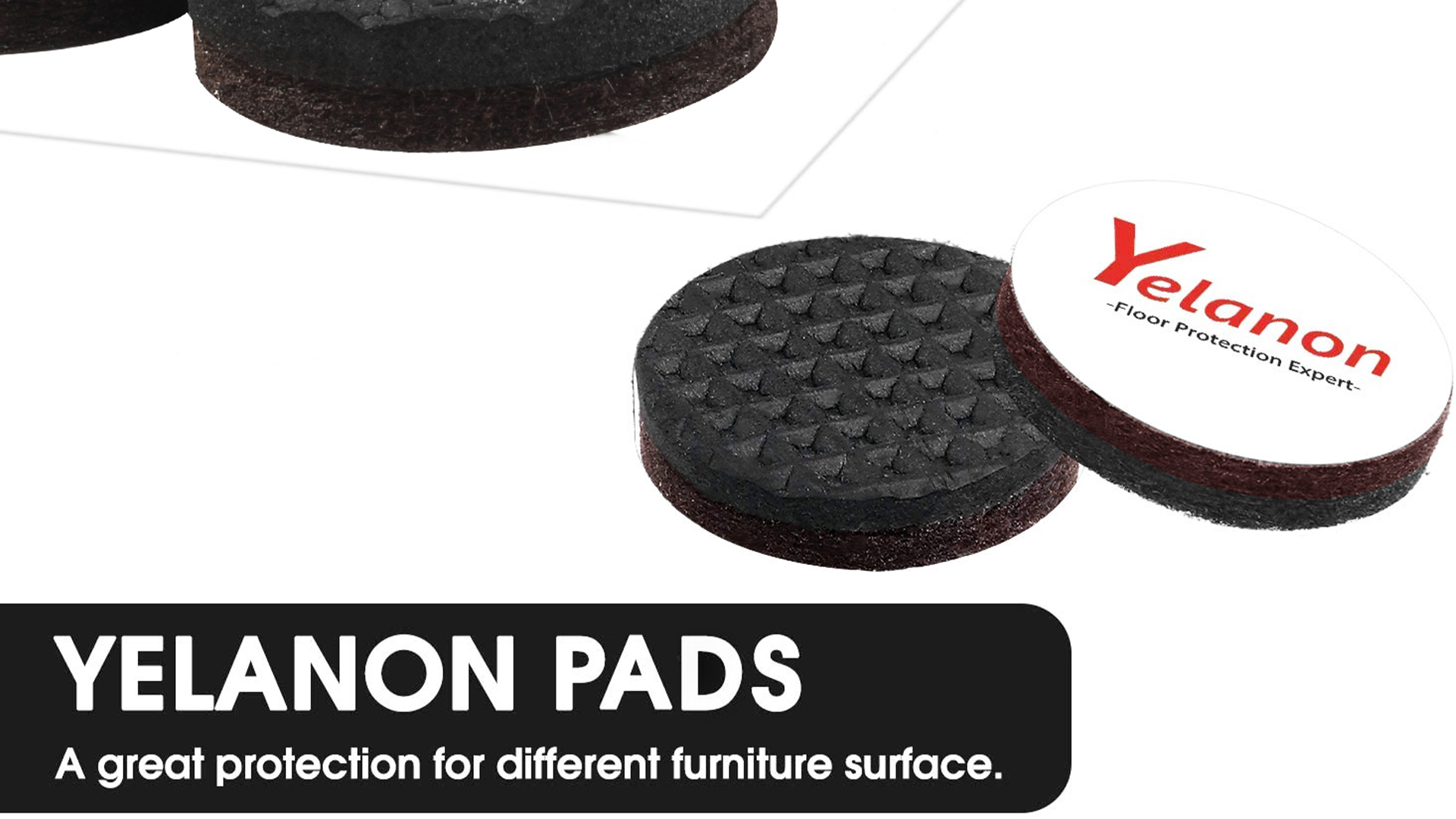
If your sofa is almost level but still does that little teeter when someone plops down, a rubber or silicone furniture pad can be enough. Pads are especially nice on hardwood because they protect the finish. Some pads also add grip, but felt alone is mostly about scratch prevention, not traction.
Best pad options
- Rubber or silicone pads: great grip, good for smooth floors.
- Felt pads: best for preventing scratches, but often more slippery. Pair felt with a rubber layer if sliding is an issue.
- Stackable leveling pads: made specifically for micro-adjustments.
Tip from too many apartment floors: If the floor is slightly sloped, pads can help with rocking, but they won’t stop a sofa from slowly drifting downhill. In that case, move up to grippy coasters or a non-slip rug pad under the front feet.
Furniture coasters
Coasters are underused heroes. They spread the weight of the sofa, protect floors, and can help even out minor unevenness. They’re also a clean solution for heavy sofas that dent soft wood or vinyl.
Choose by floor type
- Hardwood: felt-bottom coasters to prevent scratches, or rubber-bottom coasters if the sofa slides.
- Tile or concrete: rubber-bottom coasters for grip and a little cushioning.
- Carpet: wide, rigid coasters help prevent sinking and that slow, annoying lean over time.
How to level with coasters
If only one corner is low, you can put a coaster under that leg only. If the sofa looks visually uneven, you may prefer coasters under all feet for a consistent height. For small corrections, place a thin pad or flat shim inside the coaster under the problem leg.
Check feet, levelers, casters, and pads
Sometimes the floor is innocent. A broken, loose, or missing foot can mimic uneven flooring perfectly. Same goes for a missing felt pad or a half-peeled floor protector that’s bunched up under one leg.
What to look for
- Cracks in wooden legs, especially near the top where they meet the frame.
- A foot that spins or wiggles when you twist it by hand.
- Missing levelers on sofas that have screw-in adjustable feet.
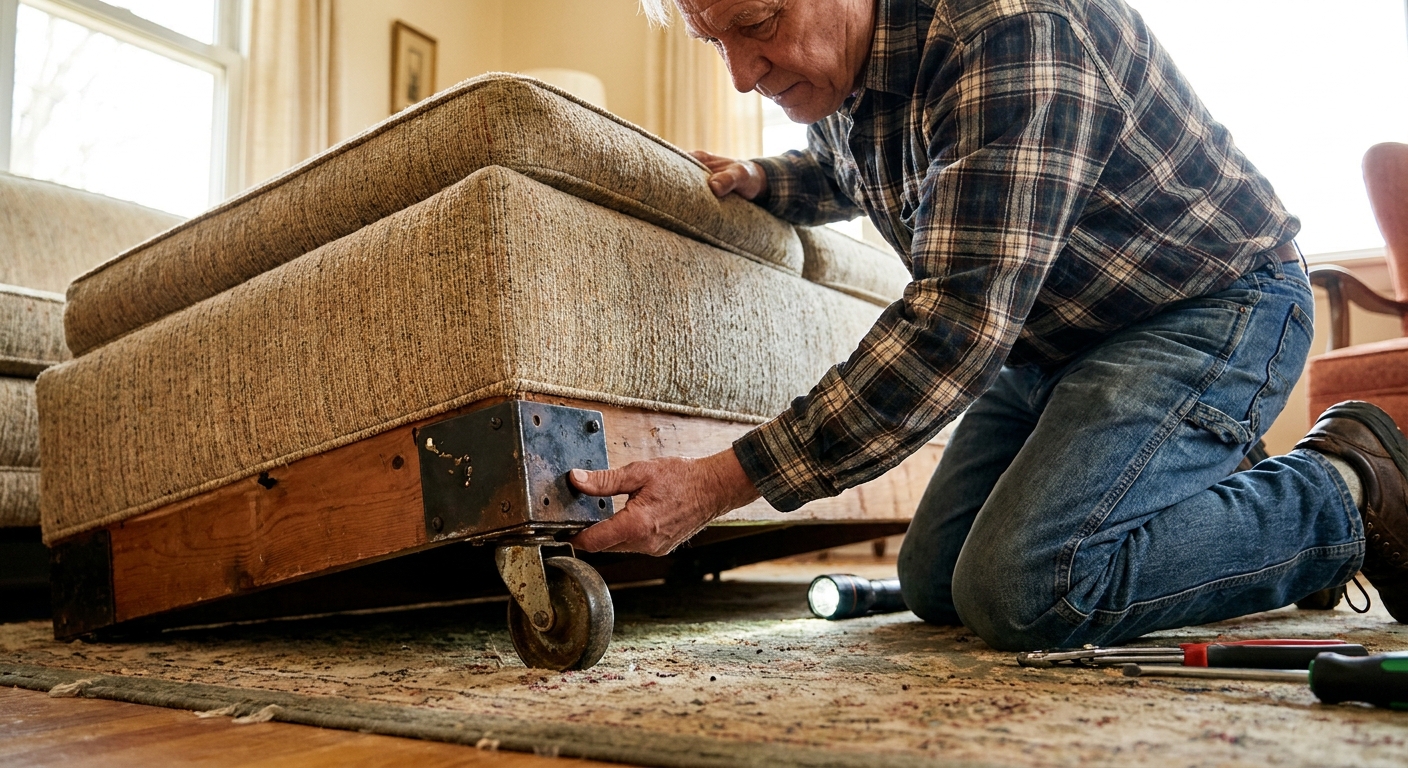
- Damaged casters that no longer roll evenly or sit at the same height.
- Missing or flattened floor pads that used to be under one or more feet.
If a caster is bent or the stem is loose in the socket, replace it. Shimming a broken caster is like putting a bandage on a leaky pipe.
When it’s really a frame problem
If your tests point to loose joinery, take a breath. This is common, especially with older sofas or anything that’s been moved a dozen times.
Corner blocks are the triangular wood braces that sit in the inside corners under the frame. When they crack or pull away, you’ll often feel a sloppy wobble that no shim can fix for long.
Repair instead of shim if
- The leg joint shifts in the frame when pressure changes.
- Corner blocks look separated, cracked, or missing.
- There’s persistent creaking that seems to come from inside the base.
What to do: Tighten accessible bolts or screws first (many modern sofas have them underneath). If the frame is cracked or the joints are separating, a furniture repair pro can often re-glue and clamp the structure, or reinforce with new corner blocks. If the sofa is new, check your warranty before you DIY anything structural.
No visible shim tricks
If you’re allergic to anything that looks improvised, here are a few ways to keep the fix discreet.
- Shim inside a coaster: the coaster hides it and looks intentional.
- Use black composite shims under dark legs so they visually disappear.
- Place the shim on the inside edge of the foot whenever possible, as long as it’s still fully supporting the load.
- Upgrade to adjustable leveler feet if your sofa legs can accept threaded inserts. This is especially handy in old apartments with charmingly unlevel floors.
If it still wobbles
- The shim slips out: add a grippy rubber pad beneath it, or switch to a wider flat shim.
- The sofa is stable but slides: use rubber-bottom coasters or a non-slip pad under the feet.
- Wobble returns after a week: your shim compressed, a pad fell off, or the frame is loosening. Recheck joints and consider a more permanent leveling pad or adjustable feet.
- One corner sinks into carpet: use a wide coaster designed for carpet to distribute weight.
- Plinth or continuous base sofa: if there aren’t distinct legs, use a long, flat leveling strip or a few flat shims spaced along the low edge so the base is supported evenly.
A gentle, lasting fix
The best leveling solution is the one that keeps your sofa steady without chewing up your floors or stressing the frame. Start by confirming whether it’s the floor, the feet, or the frame, then graduate from pads to shims to coasters as needed. Recheck the setup after a day or two of normal lounging, and again occasionally if you live on a floor that likes to shift with the seasons. Your sofa should feel like a comforting hug, not a tiny amusement park ride.