Interior Door Won’t Close? Fix a Sticking or Rubbing Door Fast

Clara Townsend
Clara Townsend is an interior stylist, vintage furniture enthusiast, and the creative voice behind Velvet Abode. With over a decade of experience transforming both cramped city apartments and sprawling fixer-uppers, she believes that a beautiful home is built on personal stories rather than massive budgets. When she isn't hunting for the perfect brass sconce at a local flea market, she can usually be found rearranging her living room for the third time this month.
A door that suddenly won’t close has a special talent for making you feel like your entire house is falling apart. Usually, it’s far less dramatic. Interior doors stick for a handful of predictable reasons, and most of them are fixable with a screwdriver, a little patience, and about the same energy you would spend rearranging a side table.
This guide walks you through the two most common culprits, humid-season swelling and hinge sag, plus the quick adjustments that get a door swinging smoothly again.
First, diagnose where it’s sticking
Before you fix anything, you want to know what the door is trying to tell you. Close it slowly and watch the gaps.
- Rubs on the hinge side (near hinges): often loose hinges or hinge screws pulling out.
- Rubs on the latch side (near the strike plate): door may be sagging, the strike plate may be misaligned, or the door has swollen.
- Sticks at the top corner (latch side, near the top): classic hinge sag.
- Sticks along the whole edge or feels tight everywhere: humidity swelling or a too-tight paint buildup.
- Won’t “click” shut but doesn’t rub much: strike plate or latch alignment issue.
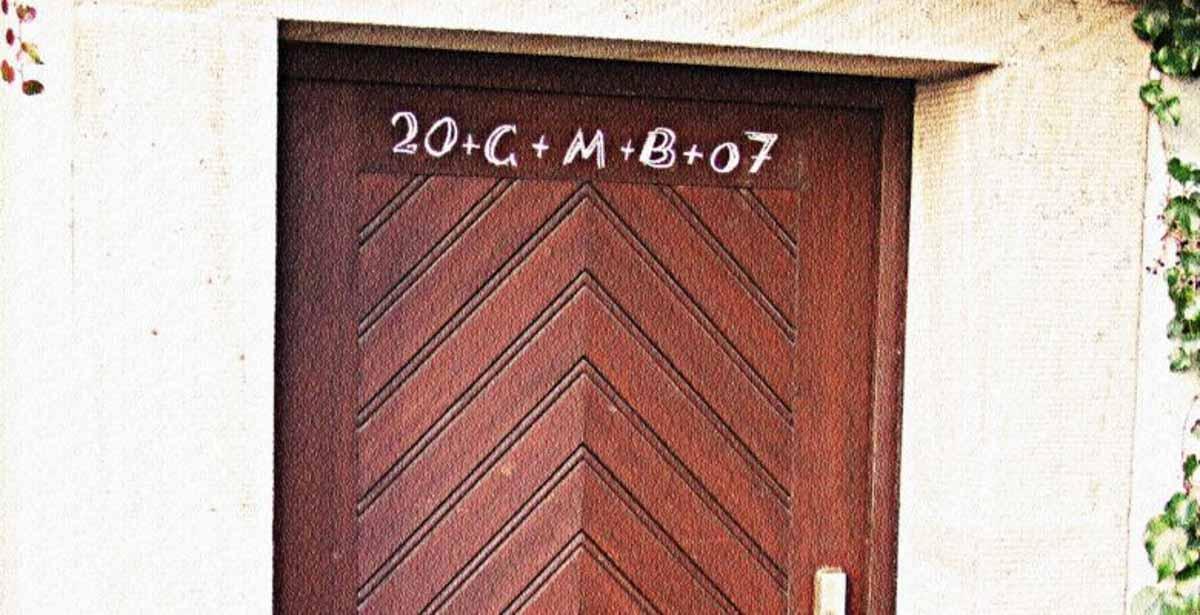
Quick marking trick: Rub a little chalk on the door edge and close it gently. The chalk will transfer to the exact spot the frame is contacting.
Humidity swelling vs hinge sag (the two big causes)
When it’s humidity swelling
If the sticking shows up in summer, during rainy weeks, or right after you painted the room and everything is still drying, it may be simple wood movement. Doors are basically big wooden sponges. They expand when the air is damp and shrink when things dry out.
- The door used to close fine, then started sticking during humid weather.
- You may see tightness along a longer stretch of the door edge, not just one corner.
- Bathrooms and laundry-adjacent doors are frequent offenders.
When it’s hinge sag
If the top latch-side corner is catching, or the latch no longer lines up with the strike plate, the door is often sagging slightly over time. Gravity is persistent, and hinge screws can loosen or strip out of soft wood.
- The gap at the top looks smaller on the latch side than it used to.
- The latch hits the strike plate instead of sliding into it.
- The door feels “droopy” and you have to lift it a little to close it.
Quick fixes (start with the easiest)
1) Tighten hinge screws
This is the first move 90 percent of the time. A slightly loose hinge changes the door’s angle just enough to cause rubbing.
- Open the door and support it gently (a folded towel under the door edge works).
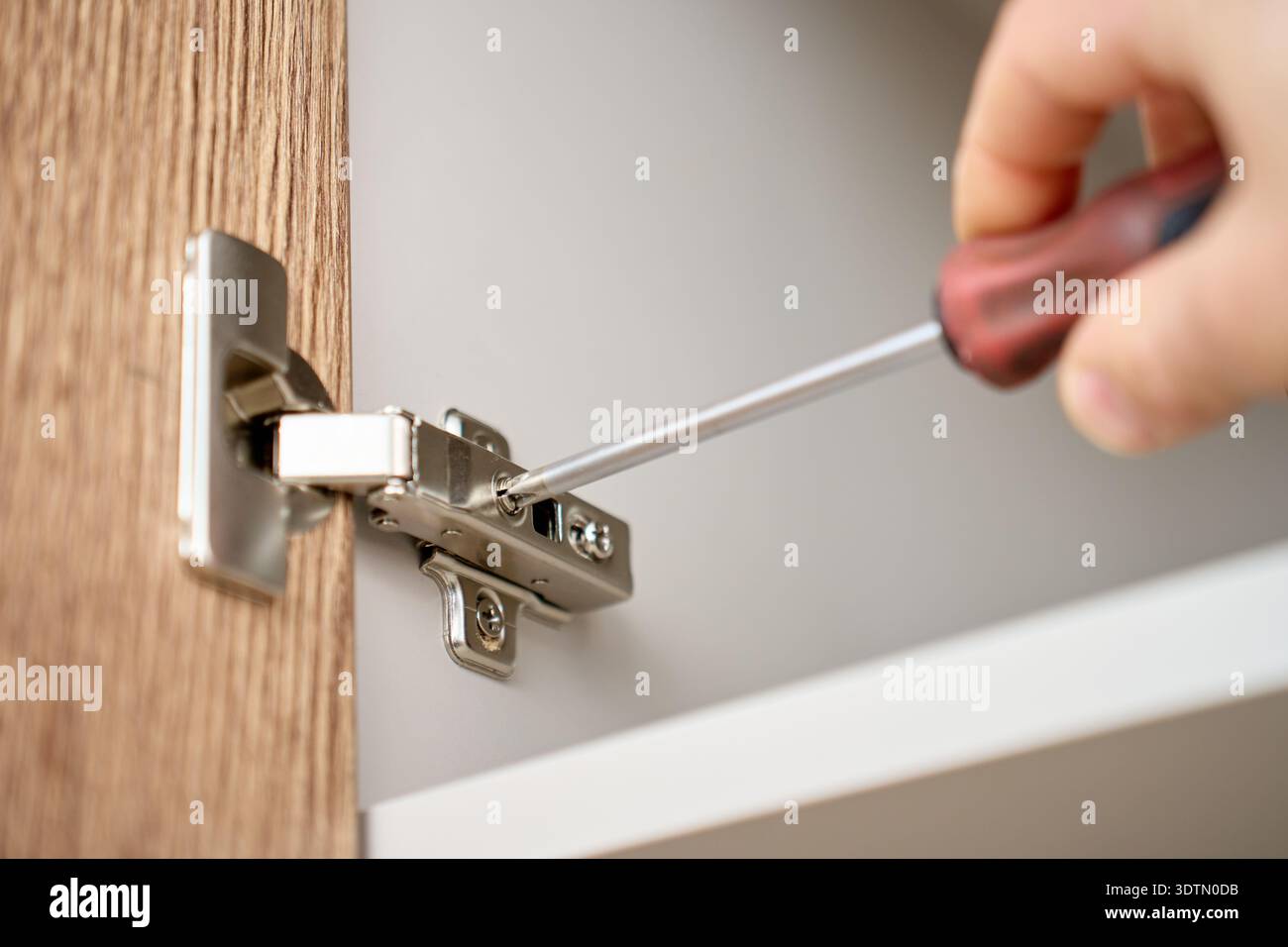
- Tighten every hinge screw on the door side and the frame side.
- If a screw spins without tightening, it is stripped and needs the next fix.
Tip: Use the correct screwdriver bit so you do not chew up the screw heads. Those gnawed screws haunt you later.
2) Replace one hinge screw with a longer screw (the hinge sag hero)
If the door has sagged, you want at least one screw to bite into the framing stud behind the jamb, not just the thin door frame trim.
- Choose a top hinge screw on the frame side (usually the best leverage point).
- Remove it and replace it with a longer wood screw, typically 2.5 to 3 inches, same or similar head style so it sits neatly in the hinge.
- Drive it in snug, not so tight that you warp the hinge.
If your hinge is painted over, score around the screw head lightly with a utility knife first so paint does not peel in a dramatic strip.
3) Fix stripped screws (simple, sturdy options)
If hinge screws will not grab, you have a few reliable fixes:
- Wood glue + toothpicks: Fill the hole with toothpicks dipped in wood glue, snap flush, let dry, then re-screw.
- Wood dowel plug: For badly blown-out holes, drill slightly larger, glue in a dowel, trim flush, then re-drill a pilot hole.
- Longer screw into framing: Often enough on the top hinge to pull everything back into alignment.
4) Lubricate squeaky or sticky hinges
If the door is closing but feels stiff, or you are hearing that slow haunted-house creak, lubrication can help. It will not fix a misalignment, but it will make movement smoother and reduce wear.
- Wipe the hinge first to remove dust and grit.
- Apply a small amount of silicone spray, dry PTFE spray, or a drop of light machine oil at the hinge pin.
- Open and close the door several times, then wipe off any excess so it does not attract dust.
Avoid: heavy greases on interior hinges. They collect fuzz like a magnet.
If it rubs the frame: sand or plane (carefully)
When humidity swelling or paint buildup is the issue, you may need to remove a tiny amount of material from the rubbing spot. The key phrase here is tiny. You can always take more off, but putting it back on is a whole different hobby.
Option A: Light sanding (best for small rubs)
- Mark the rubbing area with the chalk trick.
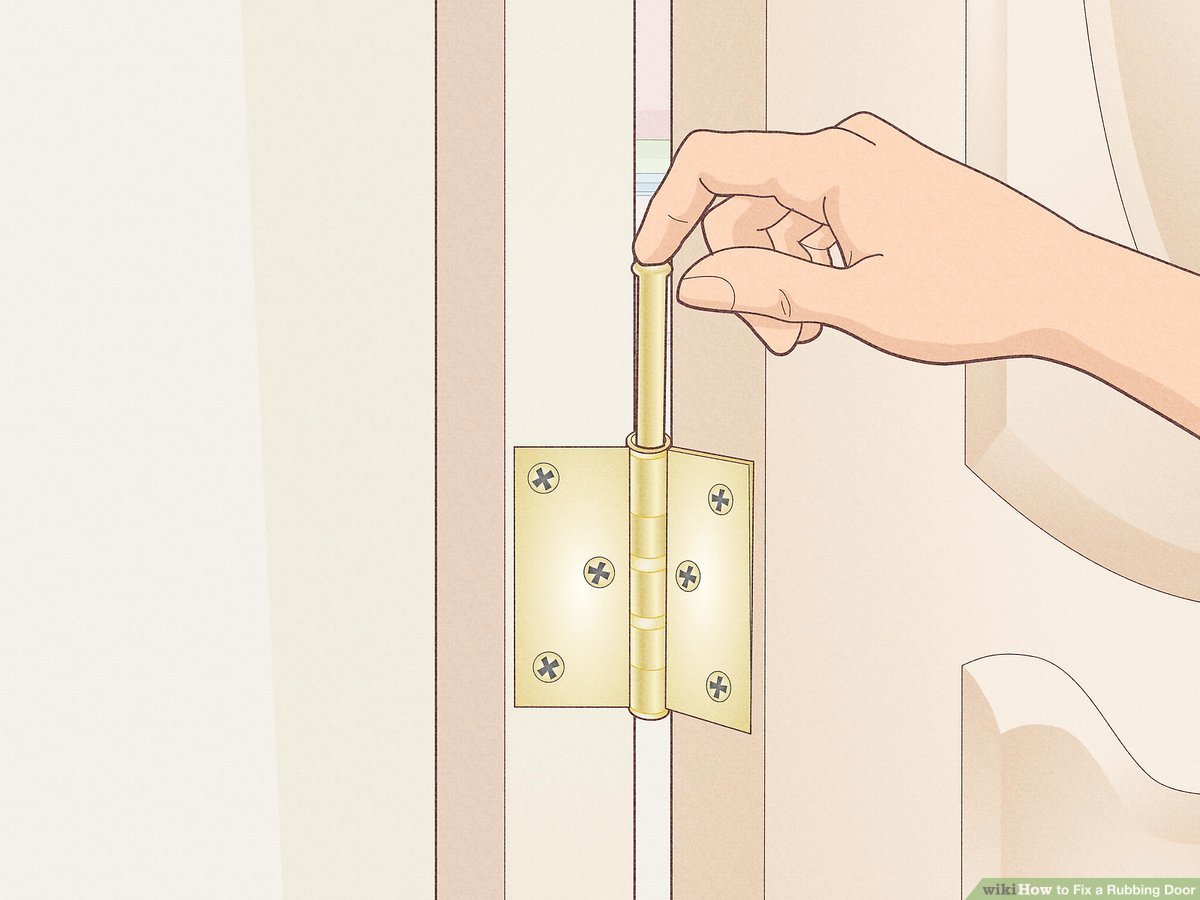
- Remove the door if possible (tap hinge pins up with a nail set or flat screwdriver and a hammer).
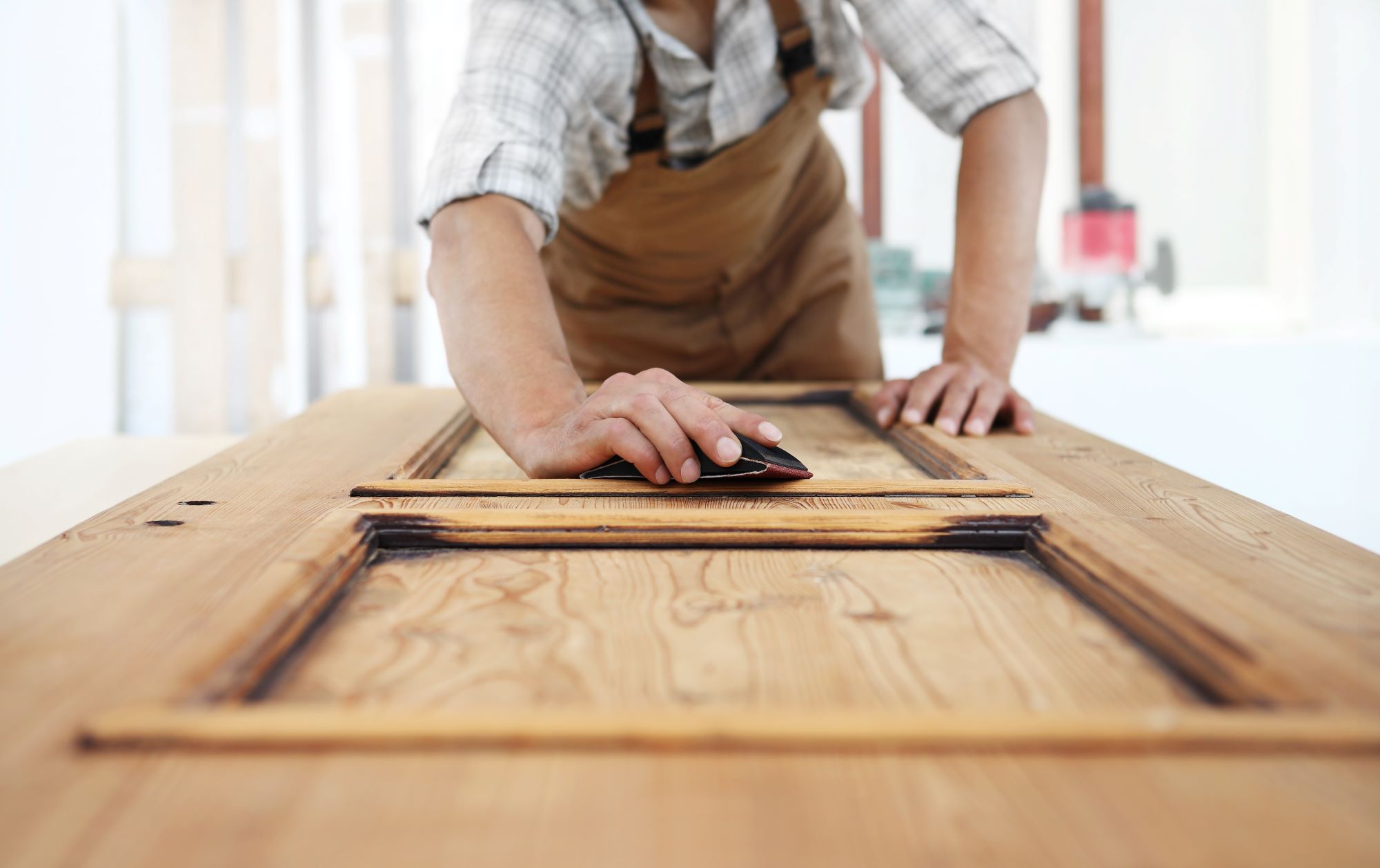
- Sand the edge lightly with 120 grit, then smooth with 180 grit.
- Test fit often. Every few minutes, hang it back up and check.
- Seal the sanded edge with paint or clear sealer to reduce future swelling.
Option B: Planing (best for bigger, consistent tightness)
A hand plane removes material quickly and cleanly, but it is easy to overdo it. If you are new to planing, start with sanding first. If you do plane:
- Take whisper-thin shavings.
- Keep the tool flat so you do not create a wavy edge.
- Focus on the marked high spot, not the whole door.
Paint note: If the door edge is painted, sanding and planing may expose raw wood. Touch-up paint on the edge prevents moisture from soaking in and causing the same problem again.
If it won’t latch: adjust the strike plate
Sometimes the door closes cleanly, but the latch hits metal and refuses to click into place. That is usually a strike plate alignment issue, and it is a satisfying fix.
Quick check
- Close the door slowly and watch where the latch contacts the strike plate.
- Look for shiny rub marks on the plate.
Easy adjustment steps
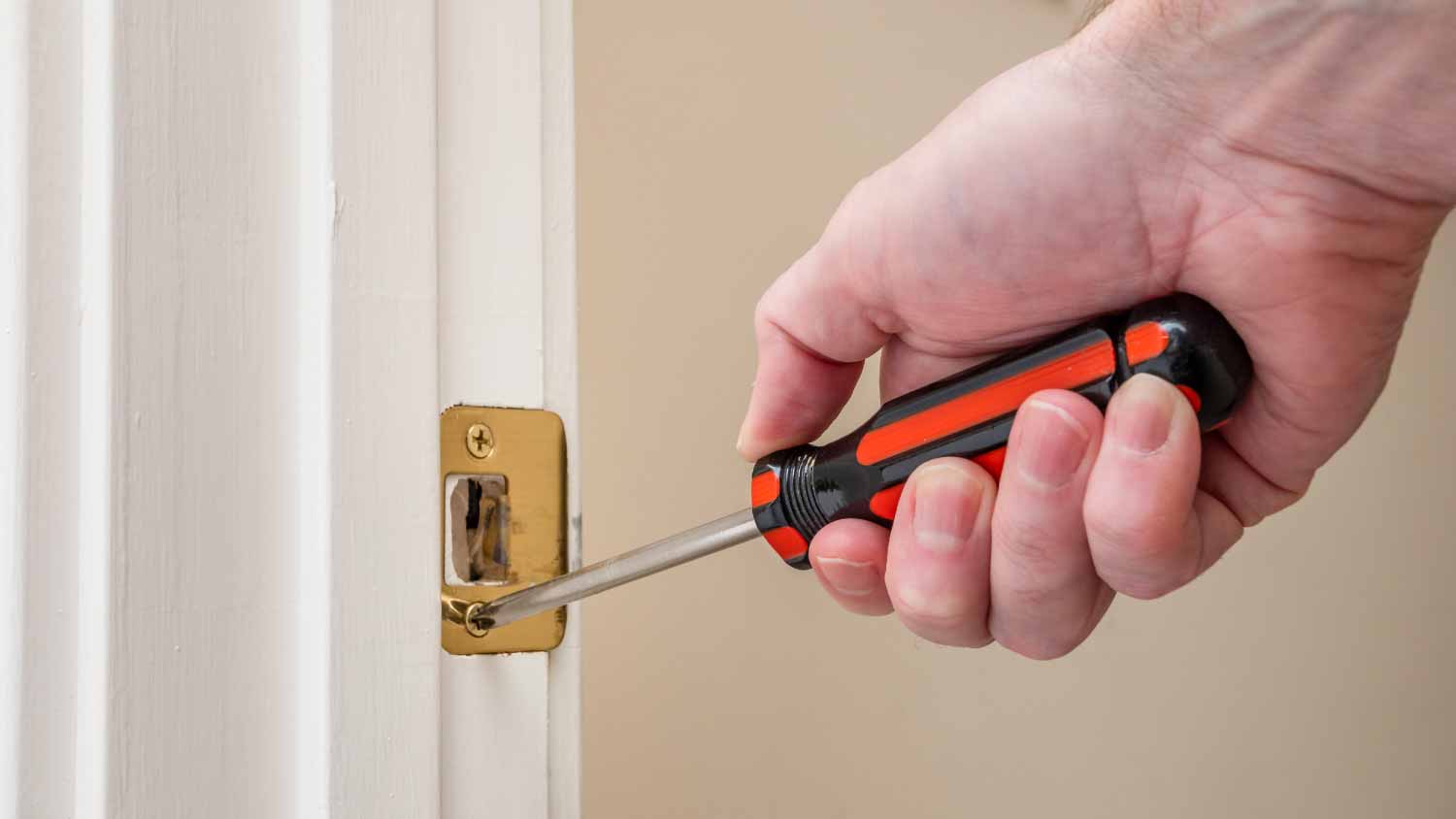
- Loosen the strike plate screws slightly.
- Nudge the plate up or down as needed.
- Retighten and test.
If the latch is hitting the inside edge
If you need just a hair more clearance, you can often file the strike plate opening a little, instead of moving the whole plate. Use a metal file, go slowly, and vacuum up metal dust.
Small but mighty tip: If the screws are stripped here too, use the toothpick-and-glue trick or longer screws for a stronger bite.
Renter notes (reversible and respectful)
If you are renting, you can still fix a sticky door, you just want to choose changes that are reversible and document what you do.
- Safest first steps: tighten hinge screws, lubricate hinge pins, and adjust the strike plate within its existing screw holes.
- Before sanding or planing: check your lease and text or email your landlord for approval. Altering the door edge is permanent.
- Longer hinge screws: often fine, but still worth asking. They are technically a modification to the door frame.
- Document condition: take a quick photo of the rubbing spot and hinge area before you start, plus a photo after the fix.
If you want a super low-commitment move while you wait for maintenance, a tiny dab of candle wax or dry soap on the rubbing spot can reduce friction temporarily. It is not a forever solution, but it can get you through a sticky week.
When it’s bigger than the door (foundation settling caveat)
Occasionally, a door that suddenly won’t close is a symptom of the house shifting, not the hardware loosening. Older homes do settle, and seasonal movement can be real, but you want to keep an eye out for patterns.
Clues it might be settling or structural movement
- Multiple doors in the same area start sticking around the same time.
- You notice new or growing cracks in drywall near doors or windows.
- Floors feel noticeably sloped or you see gaps opening at trim.
- Doors swing open or shut on their own more than they used to.
If you are seeing several of these at once, it is worth talking to a qualified contractor or structural professional. For renters, flag it to your landlord in writing. A sticking door is annoying, but a shifting opening is a different category of problem.
Quick checklist: the fastest path to a smooth-close
- Find the rub point (slow close + chalk transfer).
- Tighten all hinge screws.
- Replace one top hinge screw with a 2.5 to 3 inch screw into framing.
- Adjust the strike plate if it won’t latch.
- Sand or plane only the marked high spot, then seal the edge.
- Lubricate hinge pins for smoother movement.
And when you are done, take a second to enjoy that quiet, satisfying click. It is one of those tiny home maintenance victories that makes a space feel cared for.