Hard Water Spots on Chrome Faucets and Showerheads

Clara Townsend
Clara Townsend is an interior stylist, vintage furniture enthusiast, and the creative voice behind Velvet Abode. With over a decade of experience transforming both cramped city apartments and sprawling fixer-uppers, she believes that a beautiful home is built on personal stories rather than massive budgets. When she isn't hunting for the perfect brass sconce at a local flea market, she can usually be found rearranging her living room for the third time this month.
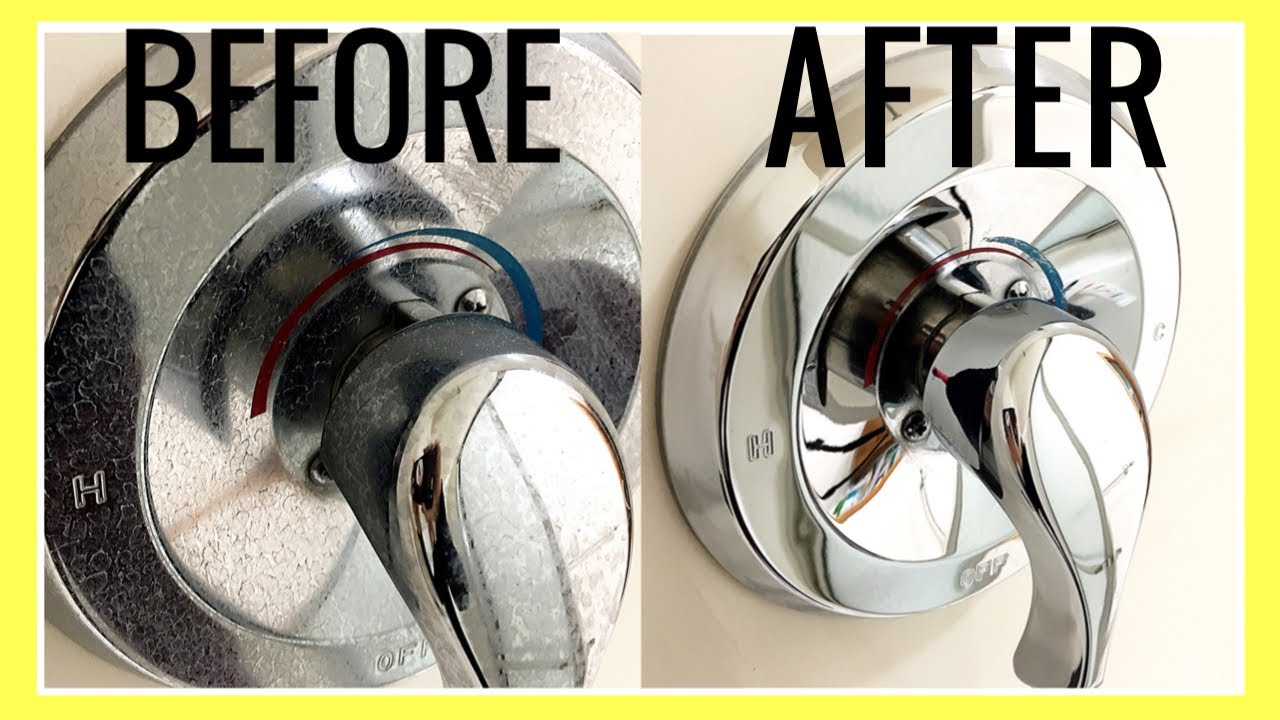
Chrome is basically the jewelry of a bathroom or kitchen. When it is clean, everything looks brighter. When hard water spots move in, chrome can start looking dusty, cloudy, or speckled no matter how much you “clean.”
The tricky part is that chrome is easy to scratch. So the goal is not to scrub harder. The goal is to dissolve the minerals (usually calcium and magnesium) and lift them away gently.
Quick caution before you start: spot-test in an inconspicuous area, especially on older fixtures or “chrome-look” finishes. And protect nearby surfaces. Vinegar and citric acid can etch natural stone like marble or travertine, and can damage some specialty finishes if they sit too long.
Know your enemy: spots vs buildup
Hard water leaves behind minerals when water evaporates. On chrome, that usually shows up as:
- Fresh spots: tiny dots or a faint haze that wipes away with a damp cloth.
- Set-in mineral scale: chalky crust around the base of the faucet, along seams, or at the showerhead face.
- Soap scum plus minerals: a slightly greasy film that grabs onto minerals and makes everything stickier.
If you are dealing with crust, you need dwell time. If you are dealing with haze, you need better drying habits. Many people treat both the same and end up scratching chrome while the minerals barely budge.
Acid vs abrasive: the tradeoff that matters
When chrome looks spotted, our instincts go straight to “scrub.” But abrasives can leave micro-scratches that make chrome look dull and make future spots cling even faster.
Acids (dissolve minerals)
Acids break down mineral deposits so you can wipe them away. For home use, that usually means:
- Distilled white vinegar (mild acid): great for everyday mineral film and light scale.
- Citric acid solution (mild to moderate): can work faster than vinegar, depending on the concentration, water temperature, and what the deposit is made of.
- Commercial descalers: effective, but follow the label closely and do not assume “more time” is better.
Tradeoff: Acid does not rely on abrasion, which helps you avoid scratching. But it can still cause problems if left too long, especially if the chrome is damaged, thin-plated, or the fixture has non-chrome accents. When in doubt, check the manufacturer’s care instructions.
Abrasives (remove by friction)
Abrasives include powders, gritty creams, and rough scrubbers. They can remove buildup, but they do it by scraping.
- Avoid steel wool and heavy-duty scouring pads. They can permanently scratch chrome.
- Be cautious with magic erasers. They are micro-abrasive. On chrome they can dull the shine over time, especially with pressure.
Tradeoff: Abrasives can “fix” a spot today and create a permanently dull finish tomorrow. For chrome, start with acid and patience, not grit.
Your scratch-free chrome cleaning kit
You do not need a drawer full of products. You need the right textures and a little self-control.
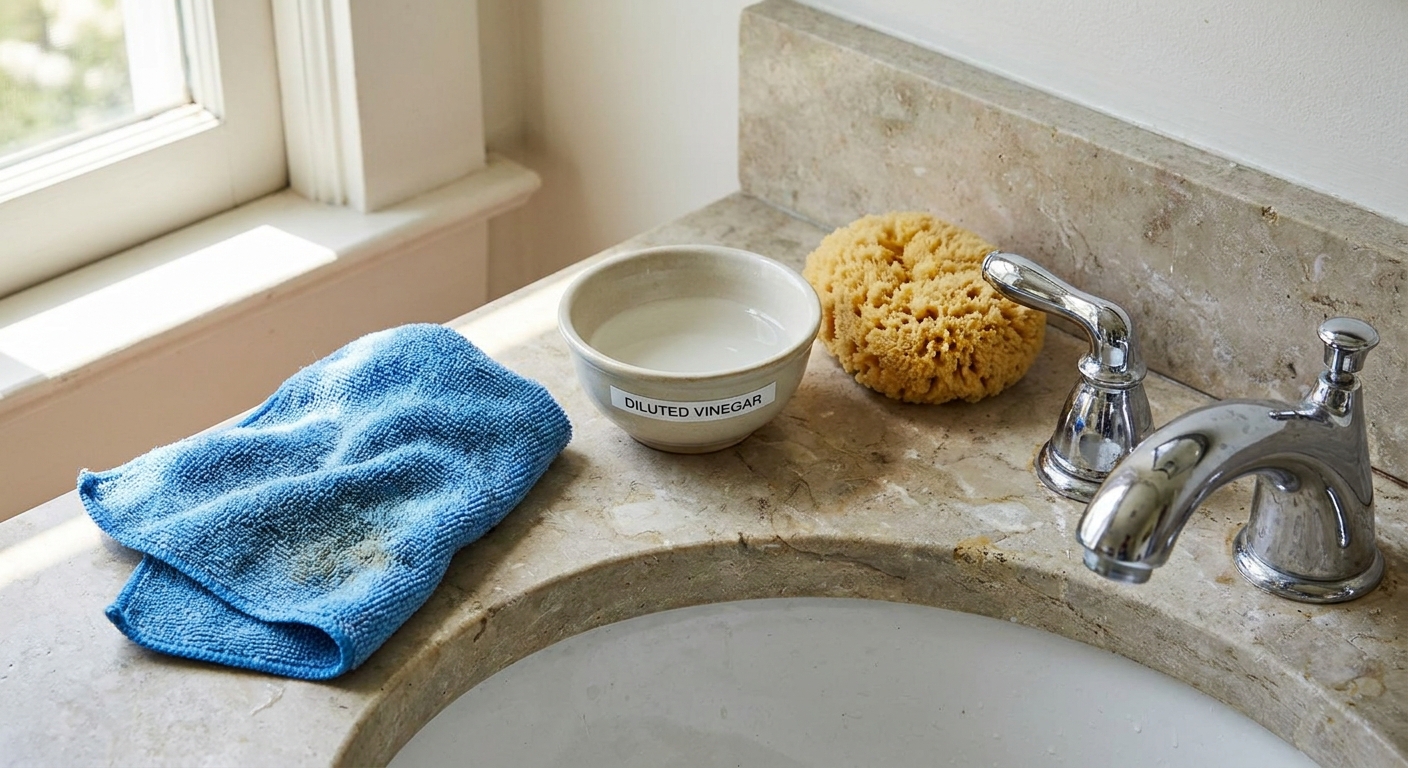
- Microfiber cloths: for drying and final buffing.
- Soft sponge or dishcloth: for gentle washing.
- Non-scratch plastic scourer: only if needed, and only after soaking. Choose the kind labeled “non-scratch” and test lightly.
- Distilled white vinegar or citric acid (plus warm water).
- Old soft toothbrush or detail brush: for seams and knurling.
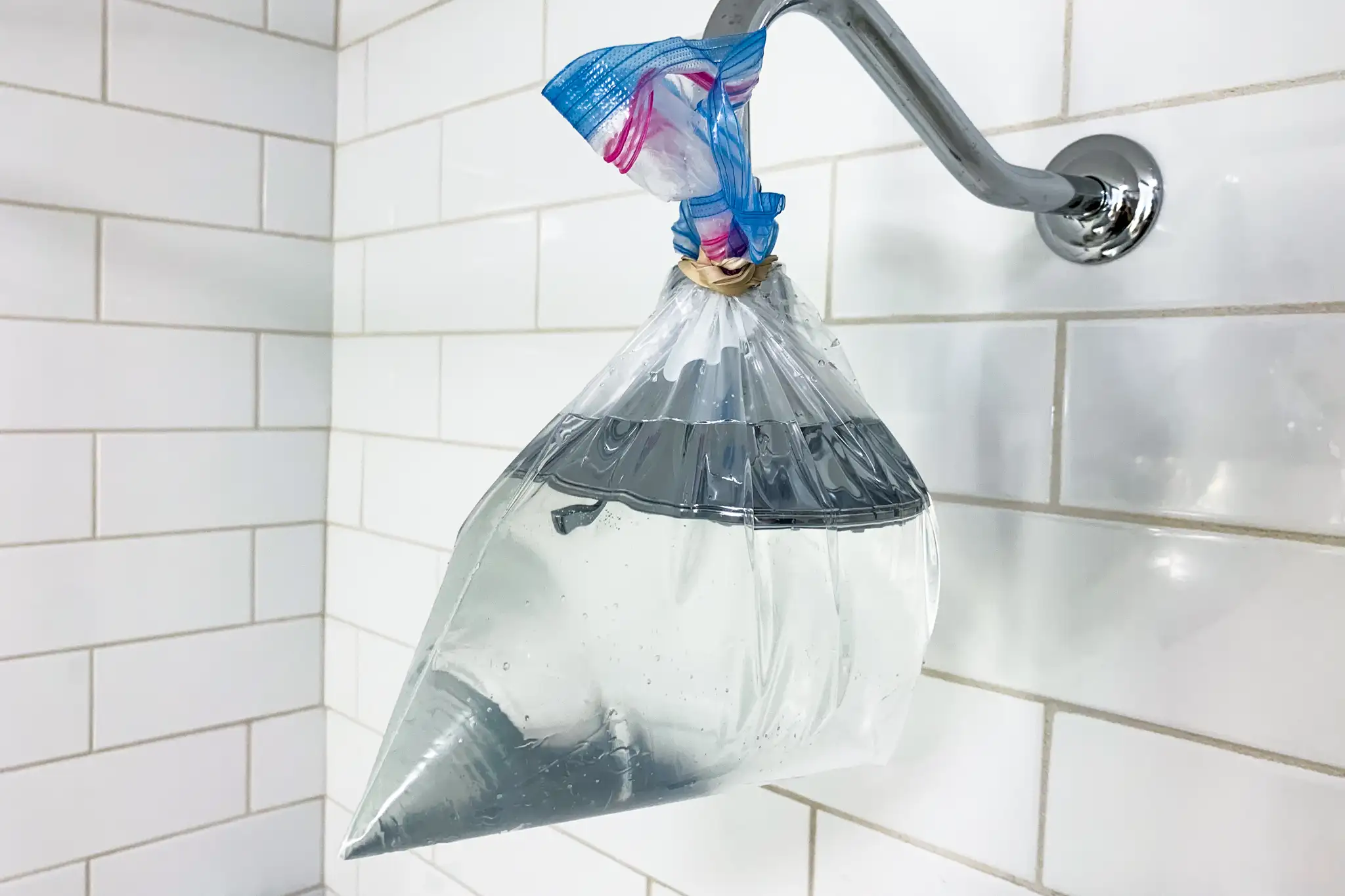
- Zip-top bag and a rubber band: for soaking a showerhead without removing it.
Faucets: polish spots away without scratching
Step 1: Wash first (do not polish dirt)
Minerals love to bond with soap residue. Start by wiping the faucet with warm water and a drop of dish soap, then rinse. This prevents you from rubbing tiny grit across the chrome.
Step 2: Apply acid with a soak, not a scrub
For most chrome faucets, a simple vinegar compress works beautifully:
- Soak a microfiber cloth or paper towel in 50/50 vinegar and warm water.
- Wrap it around the spout, base, and any crusty areas.
- Let it sit for 5 to 15 minutes. Keep it damp.
If you are using citric acid, aim for a mild solution and adjust as needed. A common starting point is 1 to 2 teaspoons of citric acid powder per cup (240 ml) of warm water. Stronger is not always smarter, especially on older finishes.
Step 3: Wipe, then lightly detail
Remove the compress and wipe. If there are stubborn bits in seams, use a soft toothbrush with the remaining solution. Think “dusting a delicate antique,” not “scrubbing a grill.”
Step 4: Rinse and dry like you mean it
Rinse thoroughly and dry immediately with a clean microfiber. That final dry-and-buff step is what makes chrome look bright and crisp again.
If you still see spots
- Repeat the soak before reaching for a rougher tool.
- If needed, use a non-scratch plastic scourer with almost no pressure only on the mineral area, then rinse and dry.
- If spots look like tiny pits that will not change no matter what you do, it may be etched or damaged plating, not removable scale.
Showerheads: remove scale without wrecking the finish
Showerheads are where hard water gets dramatic. The good news is most of the mess is mineral scale, which responds best to soaking.
The bag-and-soak method
- Fill a zip-top bag with enough 50/50 vinegar and warm water (or a mild citric acid solution) to submerge the spray face.
- Slip the bag over the showerhead and secure it with a rubber band or hair tie.
- Let it soak for 15 to 30 minutes. For heavy scale, you can go a bit longer, but do not leave it for hours as a habit. When in doubt, follow the fixture manufacturer’s guidance.
- Remove the bag, rinse well, and run hot water for a minute.
Then wipe the chrome body with a microfiber cloth and dry it. You will be shocked how much “polish” is really just removing chalky buildup.
Aerators and handheld wands: safe removal and cleaning
If your faucet has a cloudy ring right at the tip, or your shower wand is sputtering, mineral buildup is probably hiding where you cannot see it.
Faucet aerators
Aerators are usually the first place hard water causes trouble, and they are also where people scratch chrome by using pliers directly on the finish.
- Turn off the water if you are worried about accidentally running it while parts are loose.
- Unscrew by hand if possible. If it is stuck, wrap the aerator with a thick microfiber cloth before using pliers. Better yet, use a rubber jar-opener pad for grip.
- Take a quick photo of the part stack so you remember the order.
- Soak the pieces in warm vinegar solution for 15 to 30 minutes.
- Use a soft toothbrush to clean the screen. Rinse and reassemble.
Handheld shower wands
Many handheld wands have small screens where the hose connects, plus rubber nozzles on the spray face.
- Check the hose connection for a small mesh screen and rinse it gently.
- For the spray face, soak using the bag-and-soak method or soak the head in a bowl if it detaches easily.
- After soaking, rub rubber nozzles with your fingertips to remove loosened scale, then rinse thoroughly.
Tip: Avoid metal picks or pins on chrome components. If you must clear a nozzle, use a wooden toothpick and a light hand.
Plastic scourers: how to use them safely
Sometimes you need a little extra help, especially where scale built up for months. A non-scratch plastic scourer can be safe on chrome, but only if you treat it like a last step, not step one.
- Always soak first. Scourers are for lifting softened mineral, not grinding hard crust.
- Use lubrication. Keep the area wet with your vinegar solution or soapy water.
- Minimal pressure. Let the tool do the work. If you are pressing, stop.
- Test a hidden spot. On the underside of the spout or behind the handle first.
- Do not use green kitchen pads unless they are explicitly labeled safe for nonstick and delicate surfaces. Many green pads are too aggressive.
Preventive routines that actually stick
The most stylish bathrooms I visit are not the ones with the fanciest fixtures. They are the ones where someone has a tiny routine that keeps minerals from settling in.
The 20-second wipe-down
- Keep a microfiber cloth in a vanity drawer or under the sink.
- After brushing your teeth or washing your hands at night, give the faucet a quick dry wipe.
- In the shower, keep a small towel near the door and wipe the showerhead and controls once you are out. A small squeegee works too.
Weekly soft reset
Once a week, do a quick pass with warm soapy water, rinse, then dry. This removes soap film so minerals have less to grab onto.
Optional: a light protective buff
If you love that extra gleam, buff chrome with a clean, dry microfiber after it is fully dry. Avoid oily household hacks that can attract grime and make future cleaning harder.
What to avoid on chrome
- Steel wool or metal scrubbers
- Harsh scouring powders
- Razor blades on chrome surfaces
- Bleach mixed with vinegar or any mixed chemicals (dangerous fumes)
- Leaving acidic solutions sitting for very long periods, especially on older or damaged finishes
If your fixture has mixed materials (painted parts, unlacquered brass accents, natural stone nearby), protect surrounding surfaces and spot-test first. A little caution saves a lot of heartbreak.
Troubleshooting: when spots are not mineral deposits
If you have repeated the soak-and-wipe method and the marks do not change, you may be looking at:
- Etching: a dull, slightly rough-looking patch where the finish has been chemically damaged.
- Pitting: tiny pinpricks in the plating from corrosion.
- Worn plating: older chrome can thin out, especially at edges and seams.
In those cases, no cleaner will restore a mirror finish because the finish itself has changed. You can still keep it clean and bright, but the goal shifts from “erase” to “care.”
A simple scratch-free game plan
- Wash first to remove grit and soap film.
- Soak mineral deposits with a vinegar or citric acid compress.
- Detail gently with a soft brush, not a harsh pad.
- Rinse and dry thoroughly to prevent new spots.
- Maintain with a quick wipe-down routine that takes less time than scrolling one more video.
Chrome deserves a little tenderness. Treat it like a vintage mirror you found at a flea market, not a frying pan. Your fixtures will shine longer, and you will spend way less time chasing that cloudy, spotted look.