Garbage Disposal Smells Bad? Renter-Safe Fixes

Clara Townsend
Clara Townsend is an interior stylist, vintage furniture enthusiast, and the creative voice behind Velvet Abode. With over a decade of experience transforming both cramped city apartments and sprawling fixer-uppers, she believes that a beautiful home is built on personal stories rather than massive budgets. When she isn't hunting for the perfect brass sconce at a local flea market, she can usually be found rearranging her living room for the third time this month.
If your garbage disposal smells bad, it can make the whole kitchen feel like it is wearing yesterday’s socks. The good news is that disposal odors often come from a small, very specific zone: the underside of the rubber splash guard and the top ring of the drain, where food residue likes to hide and cling.
That said, not every smell lives right at the opening. Some odors come from residue on the inside walls of the disposal, the discharge elbow, or even the P-trap below the sink.
This is also different from a dishwasher smell, which usually comes from a filter, door gasket, or standing water at the bottom of the machine. A disposal odor is typically strongest right at the sink opening, and it often gets worse right after you run the disposal because you are stirring up what is stuck.
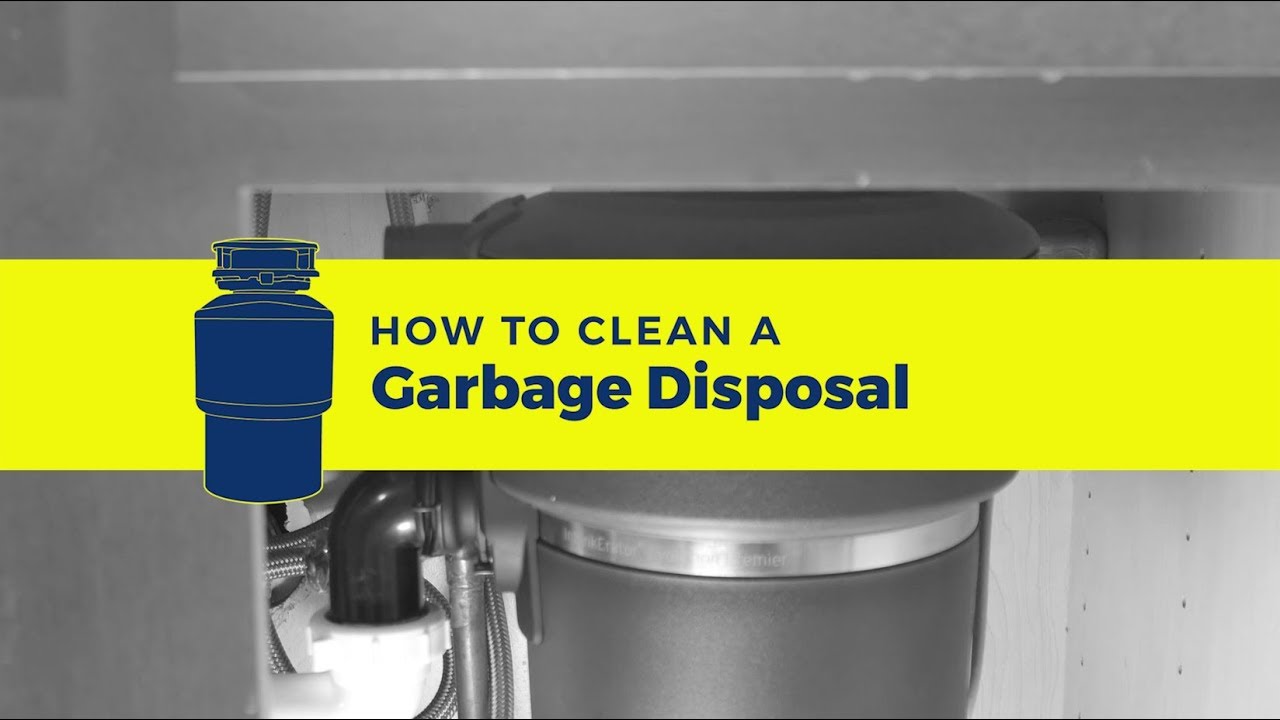
First: power off for real
Before you put your hand anywhere near the disposal opening, treat it like it could turn on at any moment. Disposals are unforgiving, and this is one area where “I think it is off” is not good enough.
Safe shutoff checklist
- Turn the disposal switch off at the wall.
- Cut power: unplug the disposal under the sink if it has a plug (many do). If it is hardwired and you cannot unplug it, switch off the correct breaker at your electrical panel.
- Test it: once it is unplugged or the breaker is off, flip the wall switch on briefly to confirm nothing happens, then flip it back off.
- Never put your hand inside the disposal chamber. Everything in this article keeps you at the top ring and splash guard only.
If you cannot confidently cut power, stop here and request maintenance. In a rental, this is always a reasonable call.
The real culprit: the splash guard
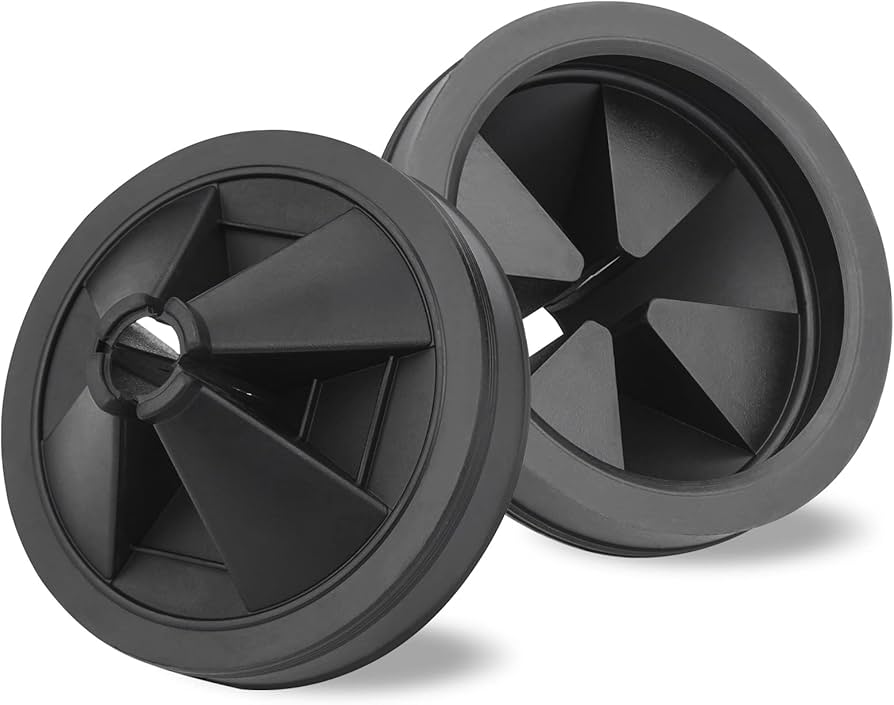
That rubber splash guard at the drain opening is a smell magnet. Grease mist, coffee grounds, onion bits, and mysterious sink slime collect on the underside where you cannot see it. Cleaning it well is often the entire fix.
Quick note: yours might be removable
Many modern splash guards (also called baffles) can be gently pulled out from the sink opening for easier cleaning. If yours lifts out without a fight, wash it in the sink with warm water and dish soap, scrub the underside, rinse, then press it back into place. If it feels stuck, do not force it. Some models are not meant to be removed, and rentals are not the place to learn that the hard way.
What you need
- Dish soap
- Baking soda (optional, but helpful)
- An old toothbrush or a small dish brush
- A microfiber cloth or paper towels
- Hot water
Step-by-step scrub
- With power off, lift the rubber flaps and look underneath with a flashlight.
- Soap it up: put a few drops of dish soap on the brush and add a little hot water.
- Scrub the underside of the splash guard, working around the full circle. This is where the smell often lives.
- Wipe the top ring of the drain and the metal lip where gunk collects.
- Rinse with hot water for 30 to 60 seconds.
Tip from someone who has cleaned too many rental sinks: scrub until the rubber stops feeling slippery. That slick feeling is biofilm , and it is a major source of odor.
Deodorize without wrecking plumbing
Once the physical grime is gone, deodorizing actually works. If you skip the scrubbing and go straight to “nice smells,” it is like lighting a candle next to a trash can.
Option 1: baking soda + vinegar
This is a gentle, renter-friendly deodorizing step. It is not a true disinfectant, and it is not a clog fix, but it can help with everyday funk.
- Pour 1/2 cup baking soda into the disposal opening.
- Add 1 cup white vinegar.
- Let it fizz for 5 to 10 minutes.
- Rinse with very hot water for 30 to 60 seconds.
Option 2: ice + salt
This method is more about loosening and dislodging residue than making things smell like lemons. Results vary by unit, but it can help if the smell returns quickly after rinsing.
- Drop in 2 cups of ice.
- Add 1/2 cup coarse salt (kosher salt works well).
- Turn power back on and run the disposal with cold water for 15 to 30 seconds.
- Turn it off and flush with cold water for another 15 seconds.
Why cold water? Cold water is standard guidance when running a disposal. It helps keep fats more solid so they are more likely to move through instead of smearing and sticking. Hot water is great for flushing afterward once everything is moving.
Option 3: citrus peels (use sparingly)
A small piece of lemon peel can freshen things up, but citrus is not a cure for buildup. Use it as a finishing touch after cleaning, not as the cleaning.
- Use a few small strips of peel, not a whole lemon’s worth.
- Run with cold water.
If your rental has older plumbing or frequent clogs, skip peels entirely and stick to soap, hot water, and baking soda.
What not to grind
In a perfect world, a disposal is more of a “tiny scraps only” helper than a food trash can. The more you grind, the more residue you create.
Avoid these to prevent odor and clogs
- Grease, oil, butter: they coat pipes and trap smells.
- Starchy foods like rice, pasta, oatmeal, potato peels: they swell and paste up.
- Coffee grounds: they build a sludge layer and love to cling to the splash guard.
- Eggshells: the membrane can wrap and stick, and the grit can settle in bends.
- Fibrous veg like celery, corn husks, artichokes, onion skins: they tangle.
- Bones and pits: too hard, and not worth the risk.
- Large amounts of anything: disposals do best with small, steady feed and lots of water.
If you want a simple house rule: compost what you can, trash what you cannot, and let the disposal handle only the bits that sneak in during rinsing.
A simple keep-it-fresh routine
Odor prevention is mostly about not letting residue camp out under the splash guard.
- Weekly: scrub the splash guard quickly with dish soap and a brush, then rinse hot.
- After cooking anything greasy: wipe pans with a paper towel before washing, and run plenty of hot water through the sink afterward.
- Monthly: baking soda + vinegar rinse, followed by a long hot-water flush.
Also helpful: when you do run the disposal, keep the water running for a few seconds after the grinding noise stops. That extra flush helps carry residue out of the unit and into the drain line.
Think of it like washing your favorite vintage mug. A quick clean beats a full rescue mission later.
When to call maintenance
If you have scrubbed the splash guard, deodorized, and the smell keeps coming back within a day or two, the problem may be beyond the disposal opening.
Call your landlord or maintenance if you notice
- Sewer or rotten-egg smell that does not improve after cleaning (could be drain or venting issues).
- Standing water in the sink or slow draining (possible clog in the trap or branch line).
- Gurgling sounds from the drain when water runs (can indicate venting or partial blockage).
- Leaks under the sink or damp cabinet floor (even small leaks can create musty odors).
- Fruit flies that keep returning even after cleaning (often tied to biofilm deeper in the drain line).
In rentals, it is also worth asking maintenance to check the P-trap. A trap that is not holding water can let sewer gases into your kitchen. If the sink is rarely used, sometimes the simplest fix is running water for 15 to 30 seconds to refill the trap. If the smell returns fast, it may be siphoning or venting related and worth a pro look.
What not to do
- Do not use drain cleaner as your first move. Many chemical cleaners can damage older plumbing, and they are unpleasant to work around if maintenance needs to open pipes later.
- Do not pour boiling or near-boiling water into a disposal repeatedly. Some units have plastic components and seals that do not love extreme heat. Very hot tap water is typically safer, and occasional hot water is usually fine.
- Do not stick your hand inside. Use a brush, cloth, or tongs for anything near the opening.
- Do not confuse disposal odor with dishwasher odor. If the smell is strongest when you open the dishwasher, the fix is usually the dishwasher filter and gasket, not the sink.
A simple script for renters
If you need to loop in your landlord, here is a low-drama message you can copy:
Hi! The garbage disposal has a persistent odor even after I cleaned the splash guard and flushed it thoroughly. The sink is also [draining slowly / gurgling / smelling like sewer gas]. Could maintenance check the disposal drain, discharge elbow, and P-trap for buildup or venting issues?
It signals that you tried reasonable, renter-safe steps, and it points them toward the likely plumbing culprits.