Garbage Disposal Humming But Not Turning

Clara Townsend
Clara Townsend is an interior stylist, vintage furniture enthusiast, and the creative voice behind Velvet Abode. With over a decade of experience transforming both cramped city apartments and sprawling fixer-uppers, she believes that a beautiful home is built on personal stories rather than massive budgets. When she isn't hunting for the perfect brass sconce at a local flea market, she can usually be found rearranging her living room for the third time this month.
There are a few household sounds that instantly spike my stress level. A garbage disposal that only hums is one of them. It feels like the sink is holding its breath, waiting for you to either fix it or flood the kitchen.
The good news: when a disposal hums but does not turn, it is usually doing exactly what it is designed to do. The motor is getting power, but the grinding plate cannot rotate because something is stuck, the motor cannot get up to speed, or a component is starting to fail.
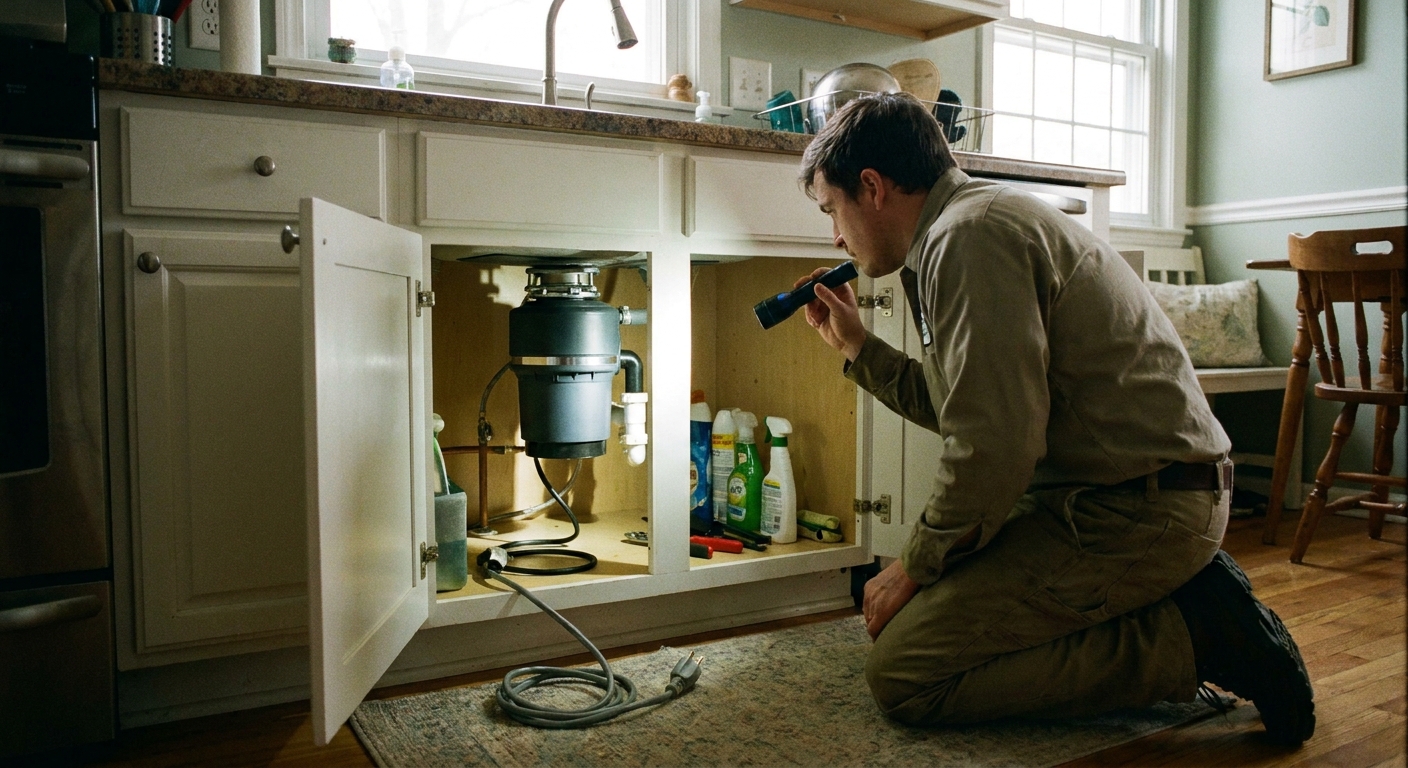
Below is a safe, no-drama checklist you can work through in under 30 minutes, plus a few clues for when it is time to stop troubleshooting and call in help.
What the humming means
A humming disposal almost always means: electricity is reaching the motor, but the motor cannot spin the flywheel. That typically points to one of these issues:
- A jam (utensil, bone, fruit pit, glass shard, or a stubborn wad of fibrous peels).
- Overload or overheating from running too long or grinding something too tough.
- A failing motor or capacitor if it hums repeatedly after you have cleared jams and it still will not start spinning.
If it is humming, do not keep flipping the switch on and off hoping it will “catch.” That can burn out the motor.
One quick clarity note: a tripped reset usually means no power to the motor, so the unit typically does nothing at all, not even a hum. Still, it is worth checking as part of a full reset and restart.
Safety first, always
Before you touch anything, set yourself up to win.
- Turn off the switch at the wall.
- Cut power by unplugging the disposal under the sink. If it is hardwired, switch off the correct breaker.
- Never put your hand inside the disposal, even if it is unplugged. Use tongs or pliers if you need to remove something from the opening.
- Let it cool for 10 to 15 minutes if it was running and then stopped.
If you smell burning, see smoke, or the unit is leaking from the body, skip ahead to the section on calling a pro.
Fix it: hums but won’t spin
1) Check for an obvious jam
With the unit unplugged, shine a flashlight into the drain opening. You are looking for anything wedged between the grinding plate and the ring.
- Use tongs or needle-nose pliers to pull out visible objects.
- Common culprits: spoon handles, bottle caps, small bones, corn cobs, fruit pits.
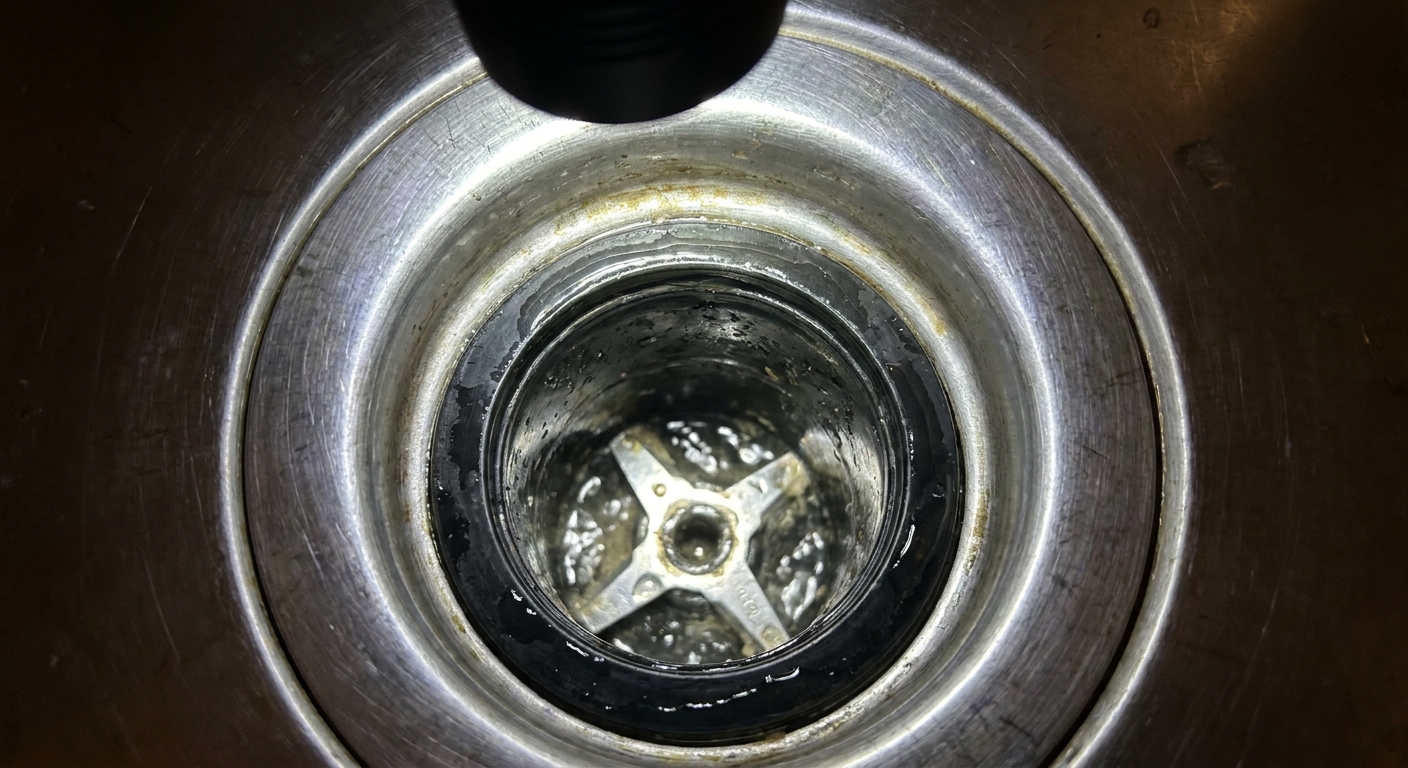
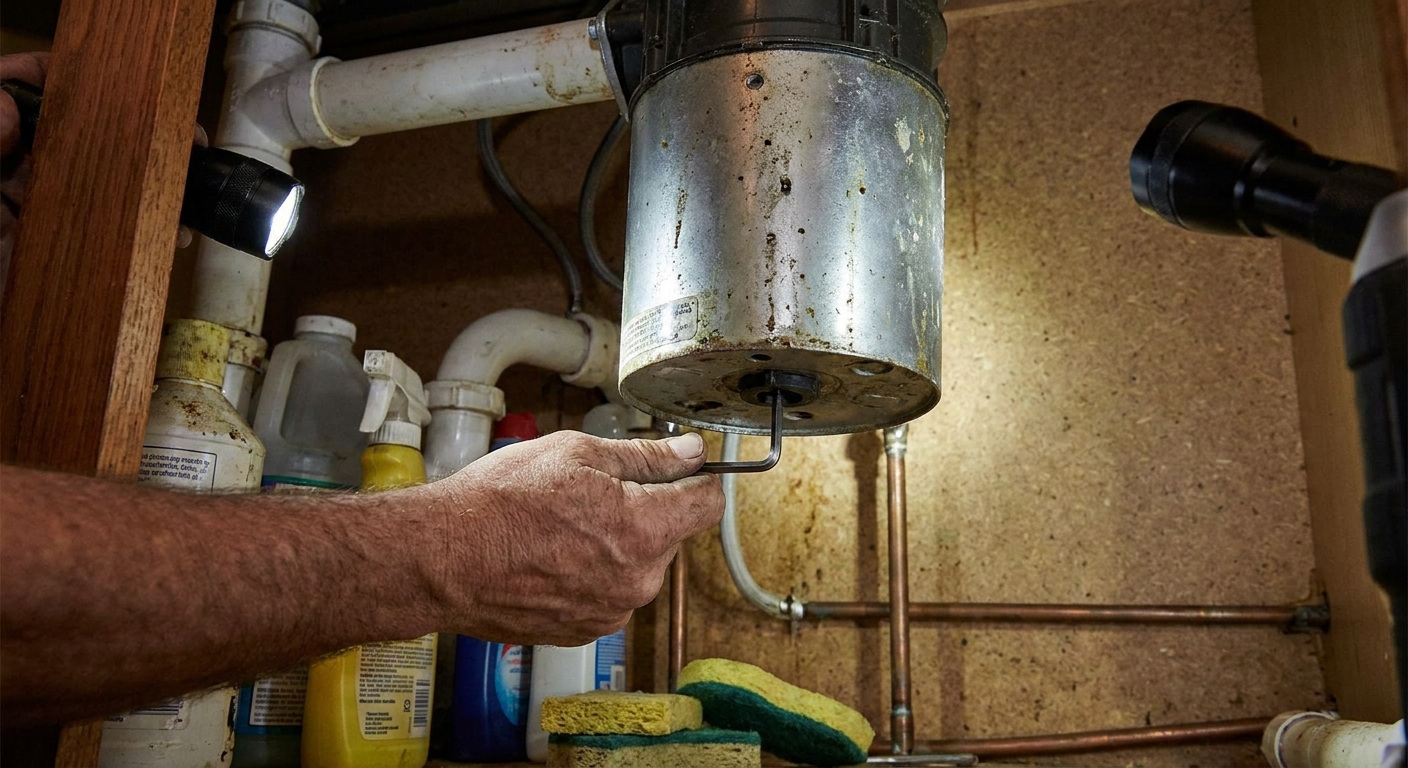
2) Free the flywheel from below
Most disposals have a hex socket centered on the bottom. This is your secret weapon.
- Insert a 1/4-inch Allen wrench (many units include one when new).
- Turn the wrench back and forth until it moves freely.
- You may feel it “give” as the jam loosens.
If your model does not have the hex socket, you can usually use a wooden spoon handle from above to nudge the grinding plate back and forth. Again, never use your hand.
3) Press the reset button
On the bottom of the disposal, there is typically a small red or black button. If it has popped out, the unit will usually do nothing at all.
- Wait 10 minutes if the disposal seems hot.
- Press the button until it clicks and stays in.
Then restore power and try a quick test.
4) Restore power and do a short test
Plug it back in (or turn the breaker back on). Run cold water, then flip the disposal switch for one second.
- If it spins normally, let it run under cold water for 15 to 30 seconds to clear small debris.
- If it still hums, turn it off immediately and repeat the unjamming step.
5) If water is backing up, treat it as a separate issue
A clogged P-trap or blocked drain can make the situation feel more dramatic, but it does not typically stop the disposal flywheel from spinning. Think of it as the second problem that arrives at the party uninvited.
- P-trap clog: If the sink drains slowly or backs up, the trap may be packed with sludge or debris.
- Dishwasher connection: If you recently installed a new disposal and the dishwasher will not drain, the knockout plug in the dishwasher inlet may still be in place. That is a classic first-week installation issue.
If you are not comfortable disassembling plumbing, a plumber can clear a trap quickly and safely.
What not to do
- Do not pour drain cleaner into a disposal. It can damage seals and splash back dangerously if you need to take things apart.
- Do not keep running it while it hums. That can overheat the motor and turn a simple jam into a replacement.
- Do not use boiling water as a first move. It can soften fats into a paste and stress PVC plumbing.
- Do not stick a metal tool inside while power is connected.
If you need a gentle “clean out” after you fix it, use cold water and a few small ice cubes, then a tiny bit of dish soap. Keep it simple.
Why it jammed
Disposals are tough, but they are not magical. A few habits prevent repeat humming episodes:
- Skip fibrous foods: celery, corn husks, artichoke leaves, onion skins.
- Avoid starchy expanders: rice, pasta, oatmeal, potato peels in large amounts.
- Keep fats out: grease, oil, and buttery pan drippings belong in the trash, not the drain.
- Feed slowly: let the disposal work in small bites, not one heroic dump.
- Always use cold water while grinding and for 10 to 20 seconds after.
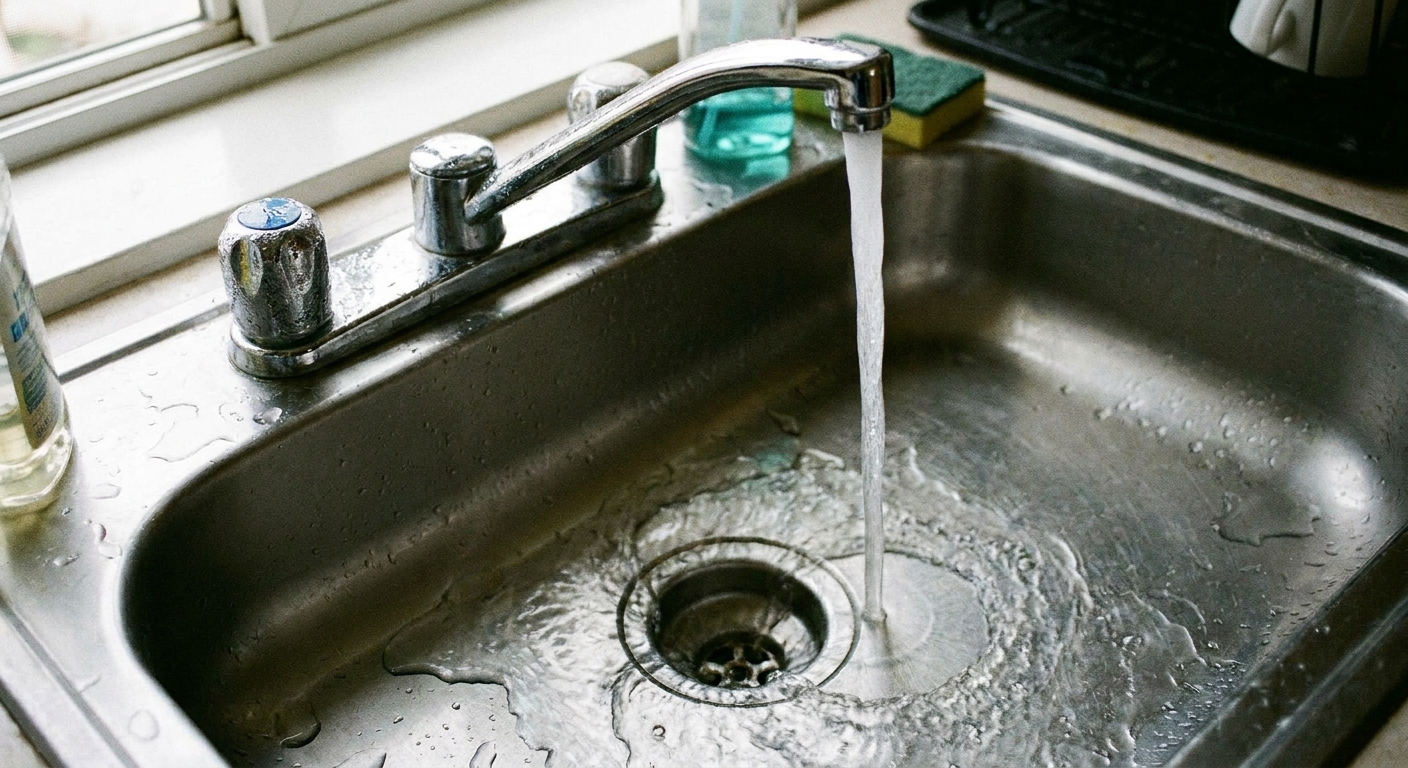
Think of it like styling a room: the best results come from pacing yourself and not forcing everything into one corner at once.
When to call a pro
If you have tried unjamming, resetting, and testing with cold water and it still only hums, it may be beyond a simple fix. Call an appliance tech or plumber if:
- The disposal hums after you have cleared jams and will not start spinning.
- You hear metal-on-metal screeching or grinding that sounds different than normal.
- There is leaking from the disposal body (not just a loose connection).
- The unit is more than 8 to 12 years old and has been acting up.
- You see signs of electrical trouble like a burning smell, warm cord, or flickering lights.
A persistent hum after a clear jam can indicate a weak start capacitor or failing motor. At that point, replacement is often more cost-effective than repair, especially for builder-grade models.
Quick checklist
- Turn off switch and unplug disposal.
- Flashlight check for foreign objects. Remove with tongs.
- Use Allen wrench from bottom to free the flywheel.
- Let it cool, then press the reset button.
- Test with cold water in a one-second burst.
- If it still hums, stop and consider a pro evaluation.
FAQ
Is it safe to use the reset button if it keeps popping?
You can press it once after the unit cools, but if it pops again quickly, the disposal is likely still jammed or overheating due to a failing component. Continuing to reset can damage the motor.
My disposal hums and then shuts off. What does that mean?
That is often overheating protection kicking in. Turn it off, cut power, let it cool for 10 to 15 minutes, clear any jam, then reset.
Can I fix a humming disposal without an Allen wrench?
Often, yes. You can use a wooden spoon handle from above to gently nudge the grinding plate back and forth. If your unit has the hex socket, the wrench method is usually easier and more controlled.
Should I run hot water with the disposal?
Use cold water while grinding. Cold helps keep fats solid so they are less likely to coat pipes. Hot water is better reserved for flushing the sink after everything is off, and only if your plumbing can handle it.
A final Velvet Abode note
I know this is not the glamorous side of home, but little fixes like this are part of what makes a space feel calm. A sink that works quietly is like good lighting: you only notice it when it’s wrong. Take it step by step, keep your hands safe, and if the disposal is telling you it is done, it is okay to let it retire with dignity.