Garbage Disposal Humming but Not Turning On

Clara Townsend
Clara Townsend is an interior stylist, vintage furniture enthusiast, and the creative voice behind Velvet Abode. With over a decade of experience transforming both cramped city apartments and sprawling fixer-uppers, she believes that a beautiful home is built on personal stories rather than massive budgets. When she isn't hunting for the perfect brass sconce at a local flea market, she can usually be found rearranging her living room for the third time this month.
There is a very specific kind of kitchen stress: you flip the switch, your garbage disposal makes that low, stubborn hummmm… and absolutely nothing moves. No whirl. No satisfying whoosh. Just a motor that sounds like it wants to work, but cannot.
The good news is that a humming disposal usually means it is getting power. The bad news is that something is stopping the grinding plate from turning, or the motor is protecting itself. Let’s walk through the safest, most reliable fixes, in the order I use when I am trying to get dinner back on track with minimal drama.
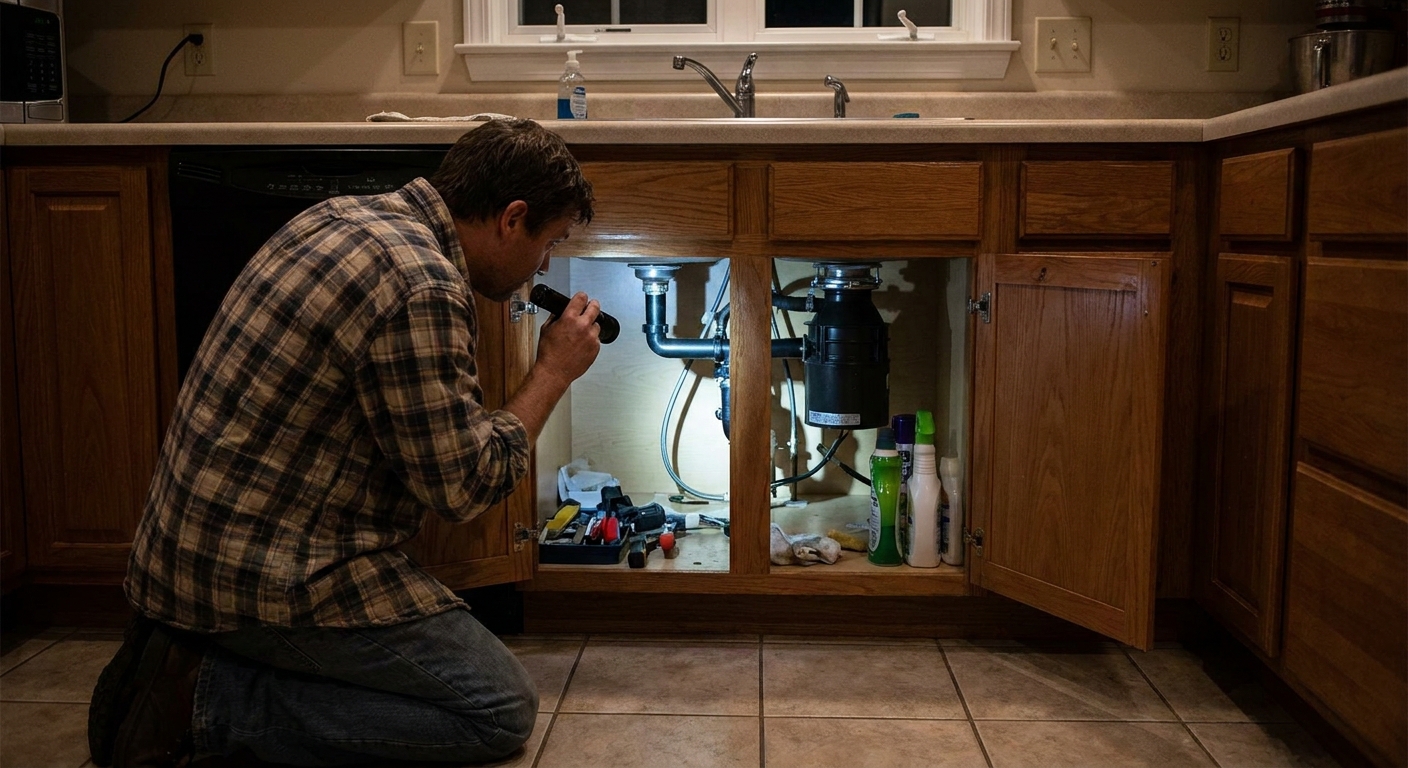
First, a quick safety reset for your brain
Before we do anything hands-on, two rules that save fingers and sanity:
- Turn the disposal switch off.
- Cut power at the source. Unplug the disposal under the sink if it has a plug, or flip the disposal breaker off at your electrical panel.
- Never put your hand inside the disposal. Not even “just to feel.” Use tongs or pliers if you need to pull something out.
If you smell burning, see smoke, or the unit is leaking, skip to the “When to call a pro” section.
Why it hums but does not spin
A humming garbage disposal is typically dealing with one of these issues:
- Something is jammed between the impellers and the grinding ring (bones, fruit pits, a spoon, a shard of glass, a twist tie).
- The motor is overheated and has shut itself down, especially after a long run or repeated starts with a jam.
- The internal overload protector has tripped (often fixed with the reset button).
- The motor or capacitor is failing (more common in older units or ones that have jammed often).
Step-by-step: Fix a humming disposal
1) Do a quick power sanity check
If your disposal is humming, it is almost certainly receiving power, so a tripped breaker or GFCI is not the main storyline right now.
Still, it is worth doing a fast check for the common “it hummed, then suddenly went silent” scenario, especially if you (or someone else) kept flipping the switch while it was stuck:
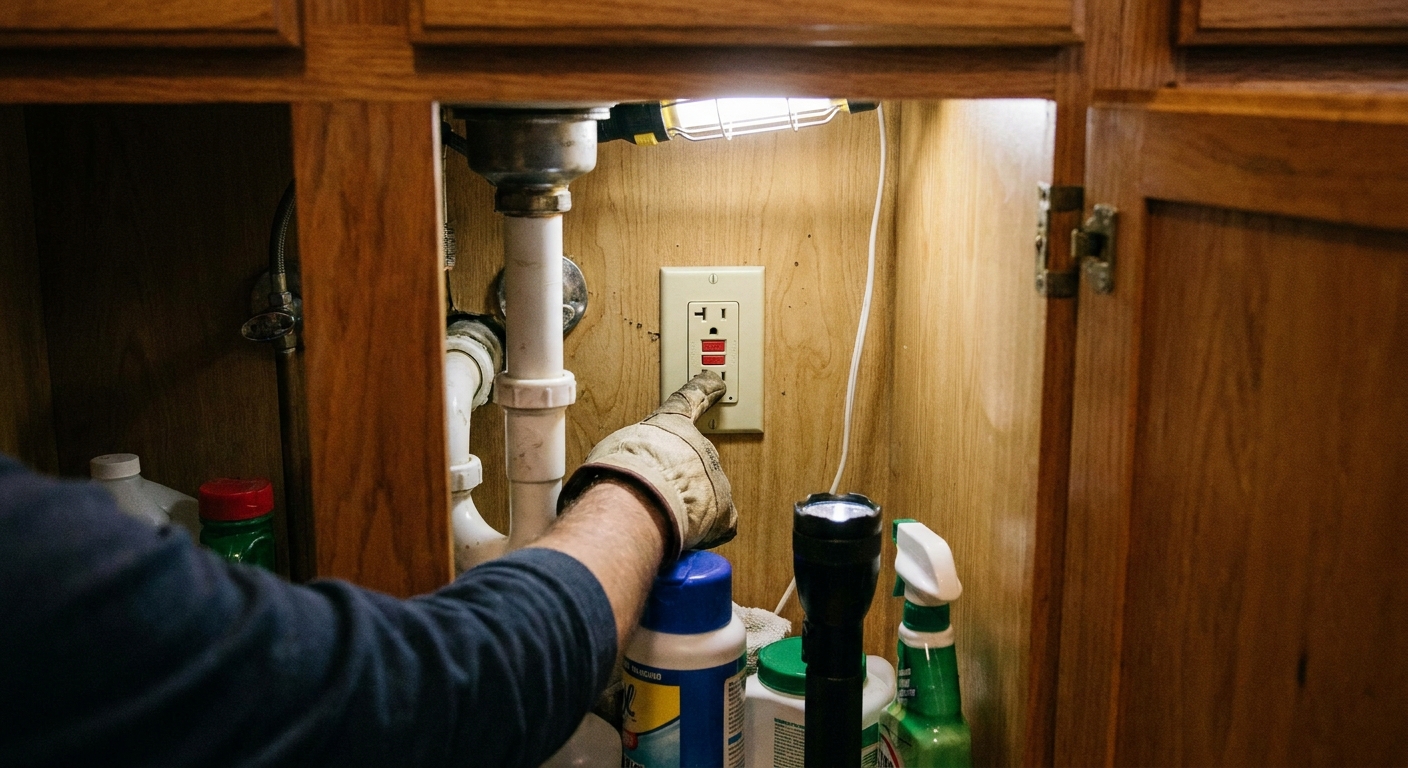
- Under-sink plug: Make sure the disposal is firmly plugged in.
- GFCI outlet: If your disposal is connected to a GFCI outlet (common under sinks) and it has gone quiet, press Reset on the outlet.
- Breaker: If it has gone quiet, check your electrical panel for a tripped breaker.
If the unit is still humming, turn it off and cut power again. From here on, we are treating this like a jam or overload issue.
2) Let it cool down (seriously)
If the disposal has been humming for more than a few seconds, stop. A stuck motor can overheat quickly.
- Turn the switch off.
- Cut power (unplug or breaker).
- Wait 10 to 20 minutes to let the motor cool.
This “pause” is not wasted time. It can be the difference between a quick fix and a burned-out unit.
3) Press the reset button
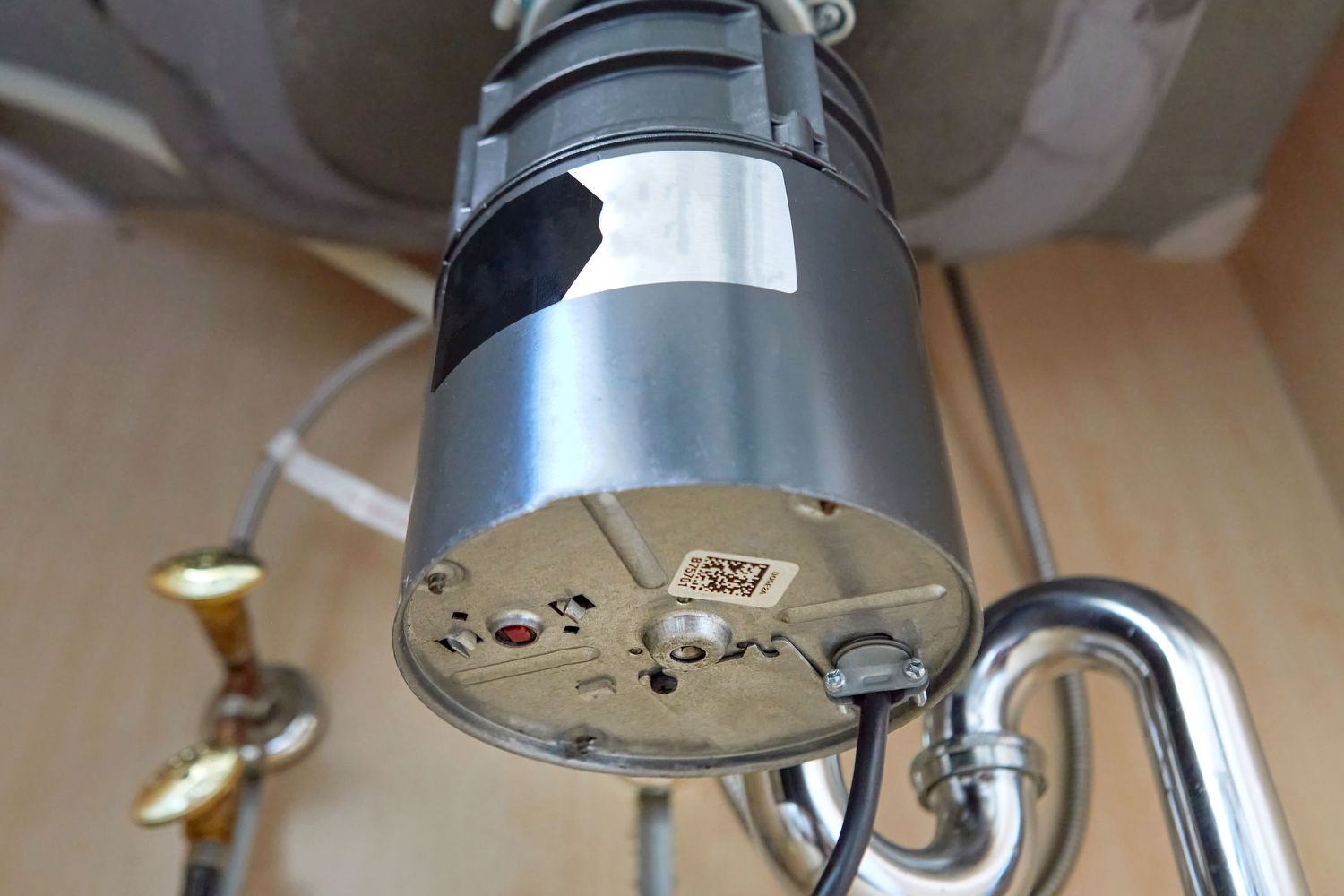
Most disposals have a small red (sometimes black) reset button on the bottom of the unit, under the sink. It usually pops out when the overload trips.
- With the power still off, locate the button.
- Press it firmly. You may feel a soft click.
After pressing reset, keep going to the un-jamming step. If a disposal reset trips because of a jam, the jam is still there.
4) Un-jam it from below using an Allen wrench
This is the most common fix for the “hums but will not spin” problem.
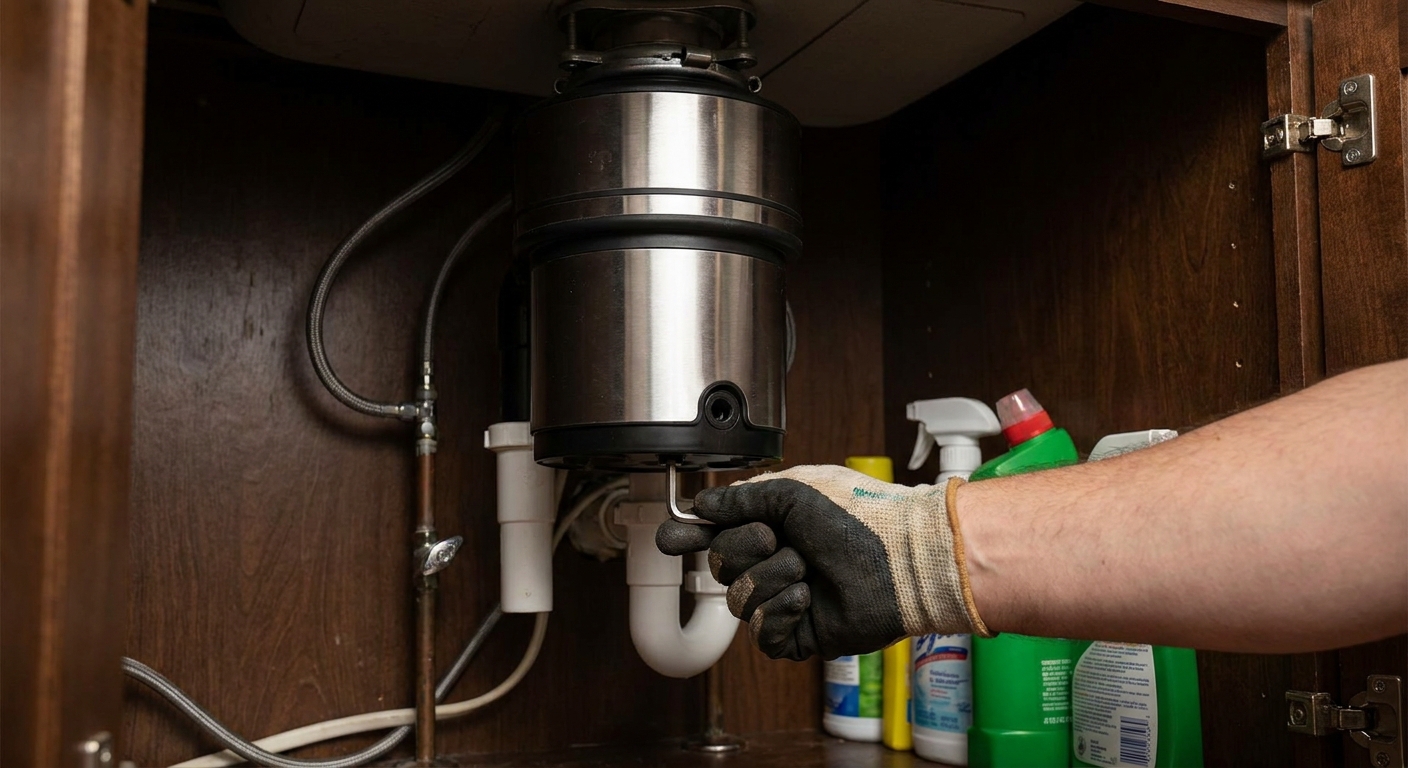
Many disposals have a hex-shaped socket on the bottom center. It is designed for a standard Allen wrench (often 1/4 inch, but check your manual). Some units include a little wrench clipped to the side of the disposal or tucked near the sink installation paperwork.
- Power off.
- Insert the Allen wrench into the bottom socket.
- Turn it back and forth firmly to free the grinding plate.
- Keep turning until it moves smoothly.
If you cannot find a hex socket, use the wooden spoon method below.
5) Un-jam it from above using a wooden spoon handle
No hex socket? You can often free the plate from above without putting your hand inside.
- Power off.
- Use a flashlight to look into the disposal opening.
- Use the handle of a wooden spoon (or a thick wooden dowel) to push against the grinding plate and nudge it around.
- If you see an obvious object, use tongs to lift it out.
Again, no hands in the opening. Even unplugged, sharp edges and trapped debris can be nasty.
6) Clear debris, then test correctly
Once the plate moves freely:
- Remove any debris you can reach with tongs.
- Remove the stopper so water can flow freely into the disposal.
- Run cold water at a steady flow.
- Restore power.
- Turn the disposal on for 1 to 2 seconds.
If it starts, let it run under cold water for 10 to 15 seconds to flush. If it still hums, stop immediately and move to the troubleshooting section below.
If it still hums: what that usually means
The jam is still there
If the Allen wrench will not budge the plate, something is wedged tightly. Common culprits are:
- Fruit pits (peach, avocado, mango)
- Small bones
- Metal (spoon, bottle cap)
- Glass fragments
- Fibrous food wrapped around impellers (celery, corn husks)
At this point, it is often worth removing the obstruction with tongs and repeating the Allen wrench step. If you suspect glass, wear thick gloves and go slowly.
The unit is failing internally
If the grinding plate turns freely by hand with the wrench, but the motor only hums when powered, you may be looking at a failing motor or start capacitor. This is where DIY becomes less cost-effective.
The switch or wiring is suspect
A loose connection can deliver enough power for a hum but not enough to start under load. If you notice flickering lights, a warm switch plate, or intermittent operation, stop and call an electrician or plumber who handles disposals.
What not to do
- Do not keep flipping the switch. Repeated starts against a jam can burn out the motor.
- Do not pour drain cleaner into a disposal. It can damage seals and create a dangerous splash risk if you later remove parts.
- Do not stick a metal tool inside while power is connected. Even a momentary accidental switch flip is too much risk.
- Do not run hot water to “melt” things. Cold water is better for keeping fats solid so they flush instead of coating pipes.
When to call a plumber (or replace it)
I love a simple fix. I also love knowing when to stop.
Call a pro or plan for replacement if:
- The disposal hums but will not spin even after un-jamming and pressing reset.
- You smell burning or see smoke.
- The unit leaks from the bottom (often a failed seal, usually not repairable).
- The reset button keeps tripping repeatedly.
- The disposal is 8 to 12+ years old and has been acting up.
A disposal replacement is often more practical than a motor repair, and a plumber can usually swap a like-for-like unit quickly if your mounting system is standard.
How to prevent the hum next time
Think of your disposal like a helpful assistant, not a black hole for everything. A few habits keep it happy:
- Use cold water while running and for 10 seconds after.
- Feed slowly, especially starchy scraps.
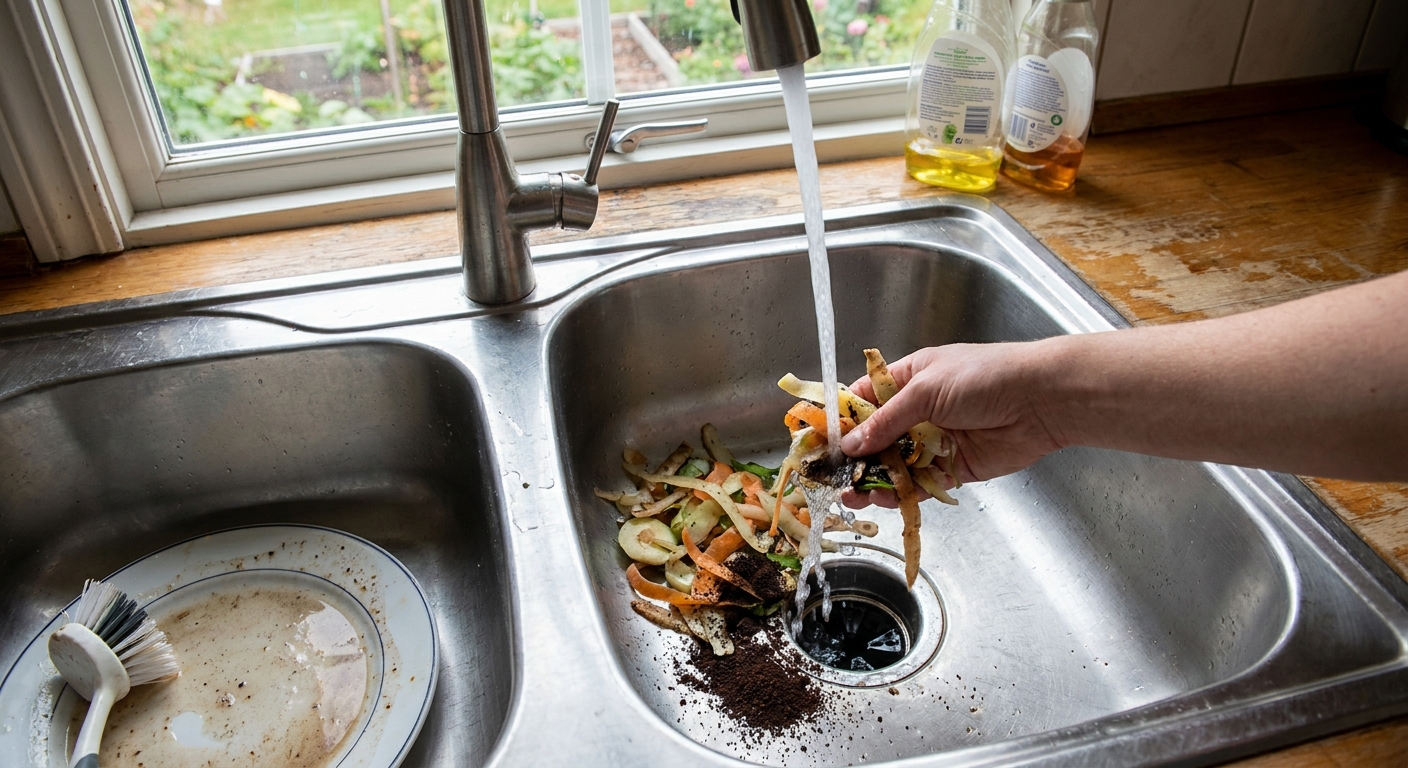
- Avoid the usual troublemakers: grease, coffee grounds, eggshells in large amounts, pasta and rice, fibrous peels, and big pits.
- Cut big scraps smaller before sending them down.
- Run it regularly so it does not get sluggish from sitting.
Quick checklist
- Switch off, then unplug or breaker off
- Wait 10 minutes if it overheated
- Press the reset button underneath
- Use an Allen wrench on the bottom socket to free the plate
- Remove debris with tongs
- Restore power, run cold water (stopper out), test briefly
If it still only hums, do not force it. That is your cue to call a plumber or consider replacement.