Fix a Door Latch That Won’t Catch (Renter-Safe)

Clara Townsend
Clara Townsend is an interior stylist, vintage furniture enthusiast, and the creative voice behind Velvet Abode. With over a decade of experience transforming both cramped city apartments and sprawling fixer-uppers, she believes that a beautiful home is built on personal stories rather than massive budgets. When she isn't hunting for the perfect brass sconce at a local flea market, she can usually be found rearranging her living room for the third time this month.
Nothing makes a home feel more chaotic than a door that refuses to click shut. You pull it closed, it bounces back, and suddenly you are living with a door that behaves like a stubborn cabinet. The good news: a latch that will not catch is usually an alignment problem , not a “replace the whole lock” problem.
This guide is renter-safe, meaning we will focus on tweaks that are typically reversible and do not require carving the door frame, moving the jamb, or doing full hinge mortise work. I will also call out where to stop and loop in your landlord or maintenance.
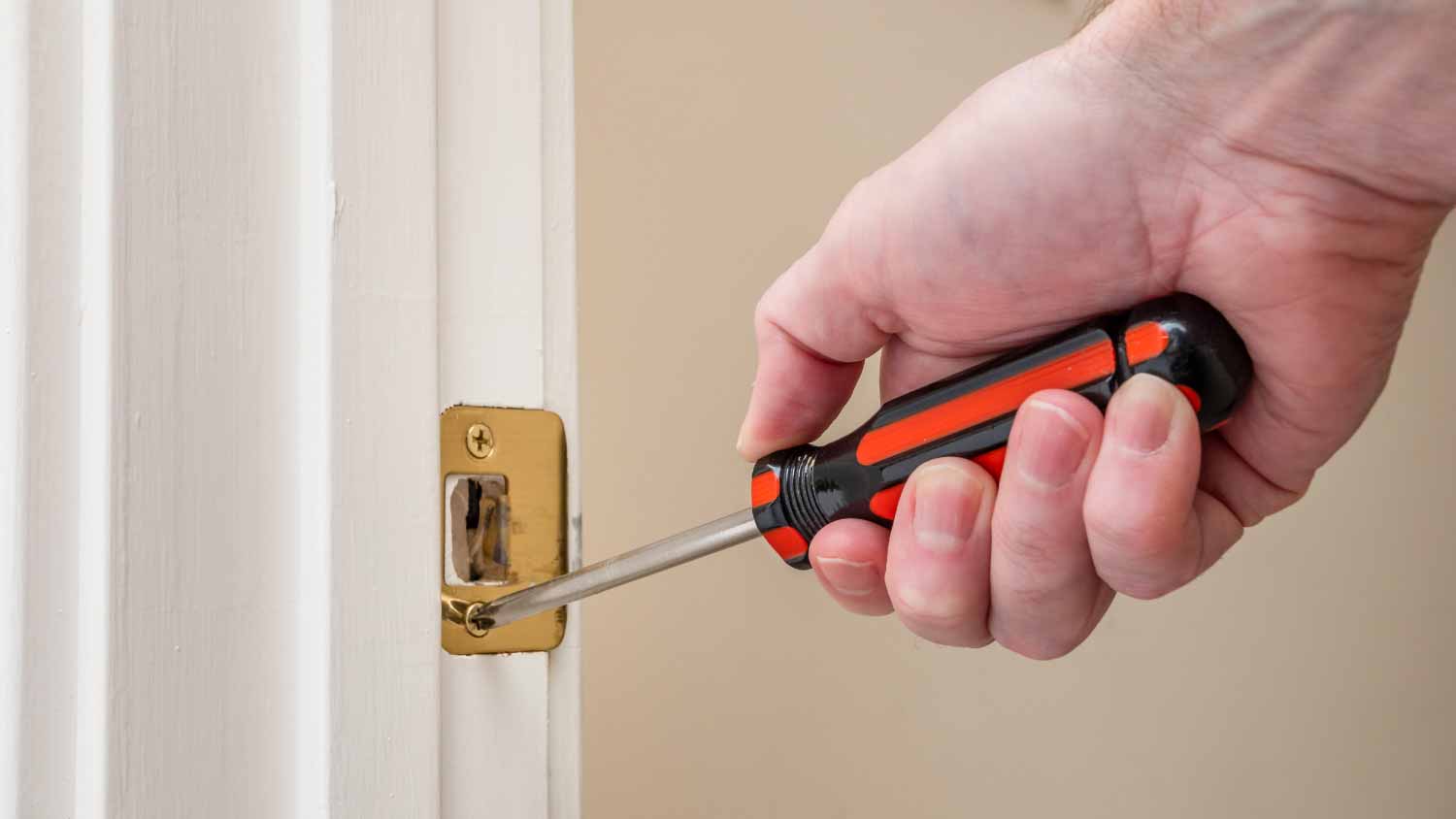
First: sticking or missing?
Before we touch a screw, figure out which problem you actually have. A door can feel “stubborn” for two very different reasons:
- Door sticks/rubs: you feel scraping or resistance before it closes. The latch might catch sometimes, but the door is fighting you.
- Latch misses the strike plate: the door closes smoothly, but the latch bolt hits the metal strike plate or the jamb and will not slip into the hole.
This article is for the second one: the latch is not landing in the strike opening.
The 20-second test
Close the door slowly and watch the latch bolt as it approaches the strike plate.
- If the latch bolt lines up but does not move easily, you may have friction or a sticky latch bolt.
- If the latch bolt is clearly too high, too low, too far in, or too far out compared to the strike hole, you have alignment to fix.
Important: If you feel scraping before the latch even reaches the strike plate, pause and deal with the rubbing first. Otherwise you can waste time “fixing” the strike for a door that is not fully closing.
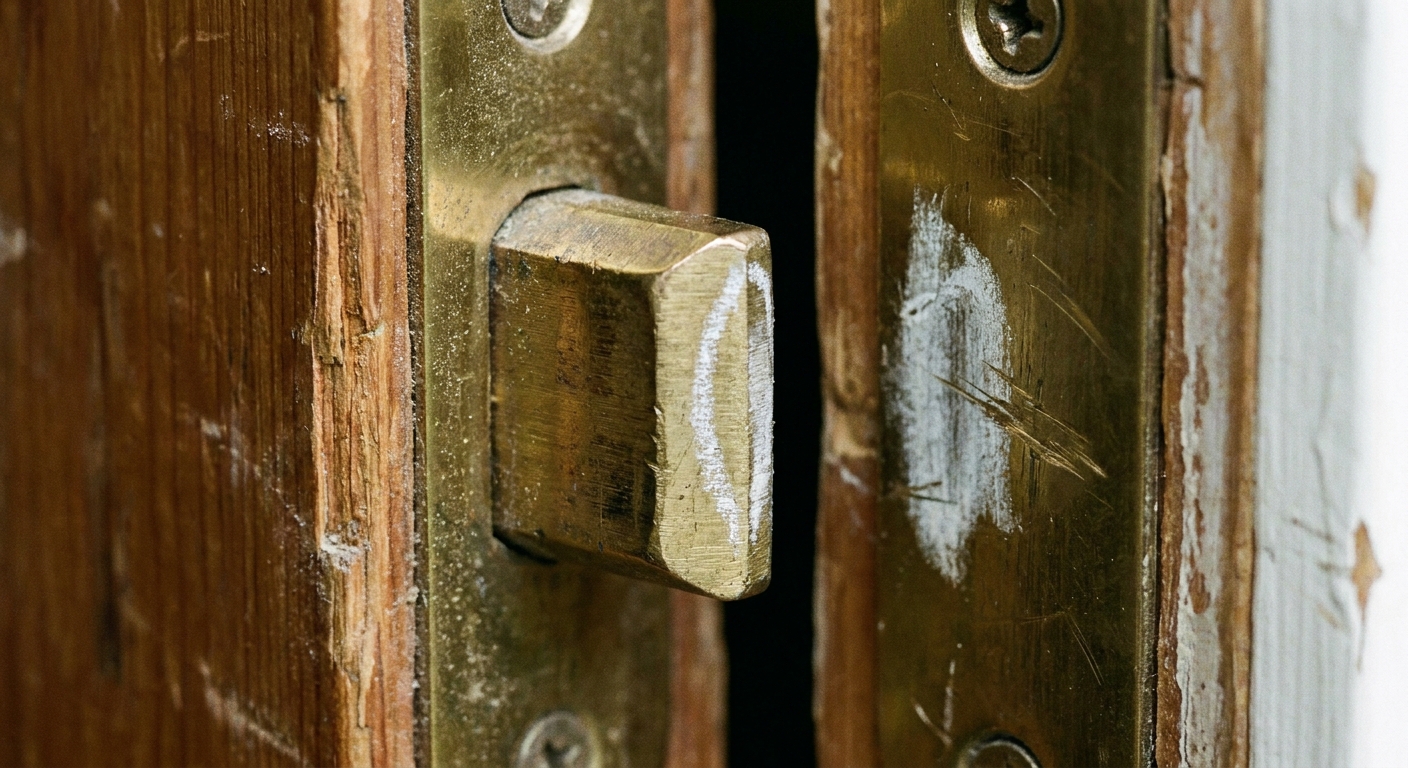
Quick marking trick: rub a little lipstick, washable marker, or painter’s chalk on the latch bolt, then close the door gently. The mark left on the strike plate shows exactly where it is hitting.
Tools and supplies (simple, renter-friendly)
- Phillips screwdriver (or the correct bit for your screws)
- Small flat screwdriver (helpful for tiny nudges)
- Painter’s tape or sticky notes (for temporary shims)
- Thin cardboard (cereal box), cardstock, or plastic shim material
- Toothpicks and wood glue (only if screw holes are stripped)
- Dry lubricant or graphite for locks, or silicone spray (avoid oil where dust builds up)
- Optional: a hand screwdriver instead of a drill for better control
Skip for rentals: chisels, grinders, or anything that removes wood from the frame unless you have written permission.
Fix order that saves time
If you do these steps out of order, you can end up “adjusting” the strike plate to compensate for loose hinges, then chasing the problem forever. Here is the sequence I use in real homes:
- Tighten hinge screws (most common fix).
- Check for hinge-side sag and do a small, reversible correction if needed.
- Confirm the latch moves freely once you know the door is closing correctly.
- Adjust the strike plate (micro-moves, then shims).
- Escalate to landlord if it needs mortising, moving the jamb, or major door planing.
Step 1: Tighten hinges
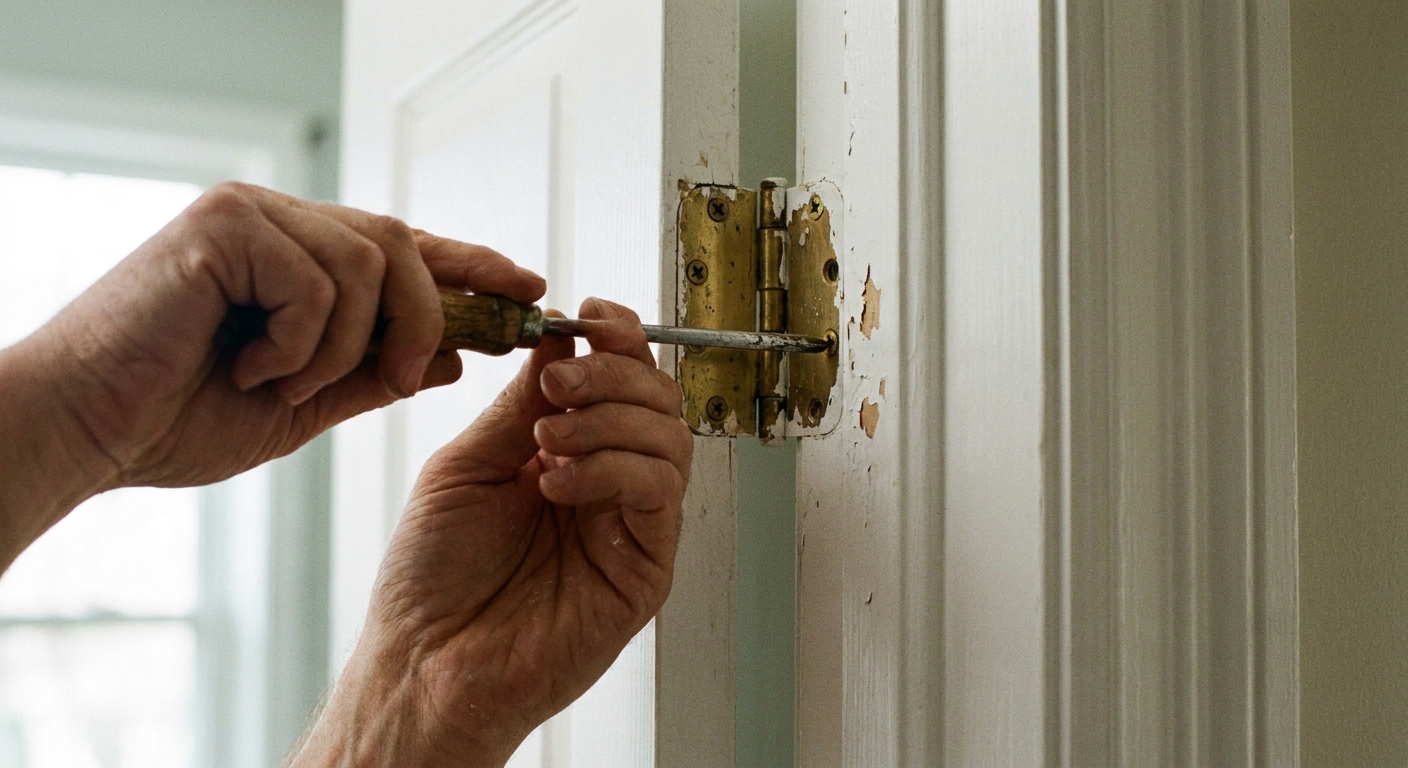
When hinge screws loosen, the door drops just a hair. That tiny sag is enough for the latch bolt to hit the strike plate instead of sliding neatly into the hole.
What to do
- Open the door.
- With a screwdriver, snug all hinge screws on the door side and the frame side.
- Start with the top hinge. That one does the heavy lifting.
Renter-safe note: Tightening screws is typically fine and fully reversible.
If a hinge screw just spins (stripped hole)
This is still usually renter-safe if done neatly:
- Remove the spinning screw.
- Dip 2 to 3 toothpicks in wood glue, insert into the hole, snap flush.
- Let dry, then reinstall the screw by hand.
If you are not comfortable gluing into the jamb, stop here and contact maintenance. Stripped holes can be a landlord fix in many leases.
Step 2: Find the misalignment
Now re-test the close. If it still will not catch, identify which way the latch is missing. Look for rub marks on the strike plate.
- Latch hits below the hole: door has sagged downward (often loose top hinge), or the strike is too high.
- Latch hits above the hole: strike is too low, or something is pushing the door up (for example, a binding hinge, swollen door edge near the hinge side, or a stop/trim point that is forcing the door to ride slightly high).
- Latch hits the outer lip of the strike: door needs to move inward toward the stop, or the strike needs to come outward.
- Latch hits deep inside the jamb: strike needs to move inward, or the door is sitting too far into the frame.
That direction tells you whether to shim, shift, or lubricate.
Step 3: Make sure the latch moves freely
Sometimes alignment is fine, but the latch bolt is sticky, especially in older hardware that has collected layers of paint dust and hallway mystery.
How to check
- With the door open, press the latch bolt in with your thumb. It should glide smoothly and spring back instantly.
- Turn the knob and release it. The latch should pop out crisply.
Lubrication (after confirming alignment, before adjusting the strike plate)
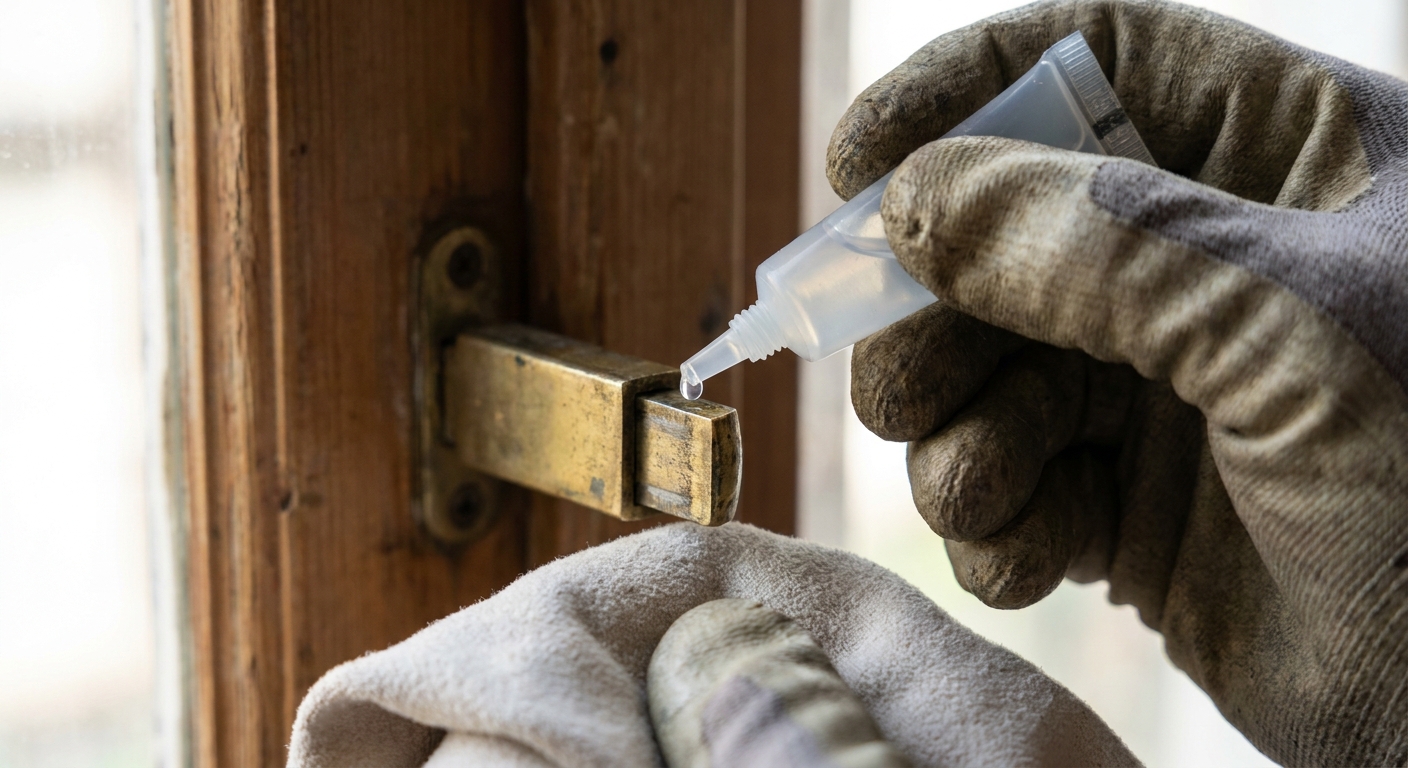
- Use graphite (for the latch mechanism) or silicone spray (lightly) on the latch bolt and inside edge of the strike plate hole.
- Wipe off excess. You want “soft glide,” not “greasy door.”
Avoid: heavy oils like WD-40 as a long-term solution. WD-40 is great for cleaning and water displacement, but it is not a lasting lubricant. A dry lube is usually better for dust-prone areas.
Step 4: Adjust the strike plate
If the latch bolt is healthy but still missing, the strike plate is your best renter-safe lever. In many cases you can shift it just enough using the existing screw holes.
Method A: Nudge the strike plate
- Loosen the two strike plate screws one or two turns. Do not remove.
- Gently shift the plate the direction you need, usually up or down. You may also be able to rotate it slightly or move it a hair fore or aft if your screw holes allow it.
- Hold it there and tighten the screws.
- Test the latch. Repeat if needed.
Tip: Put painter’s tape around the strike plate first. It protects the paint while you make micro-adjustments.
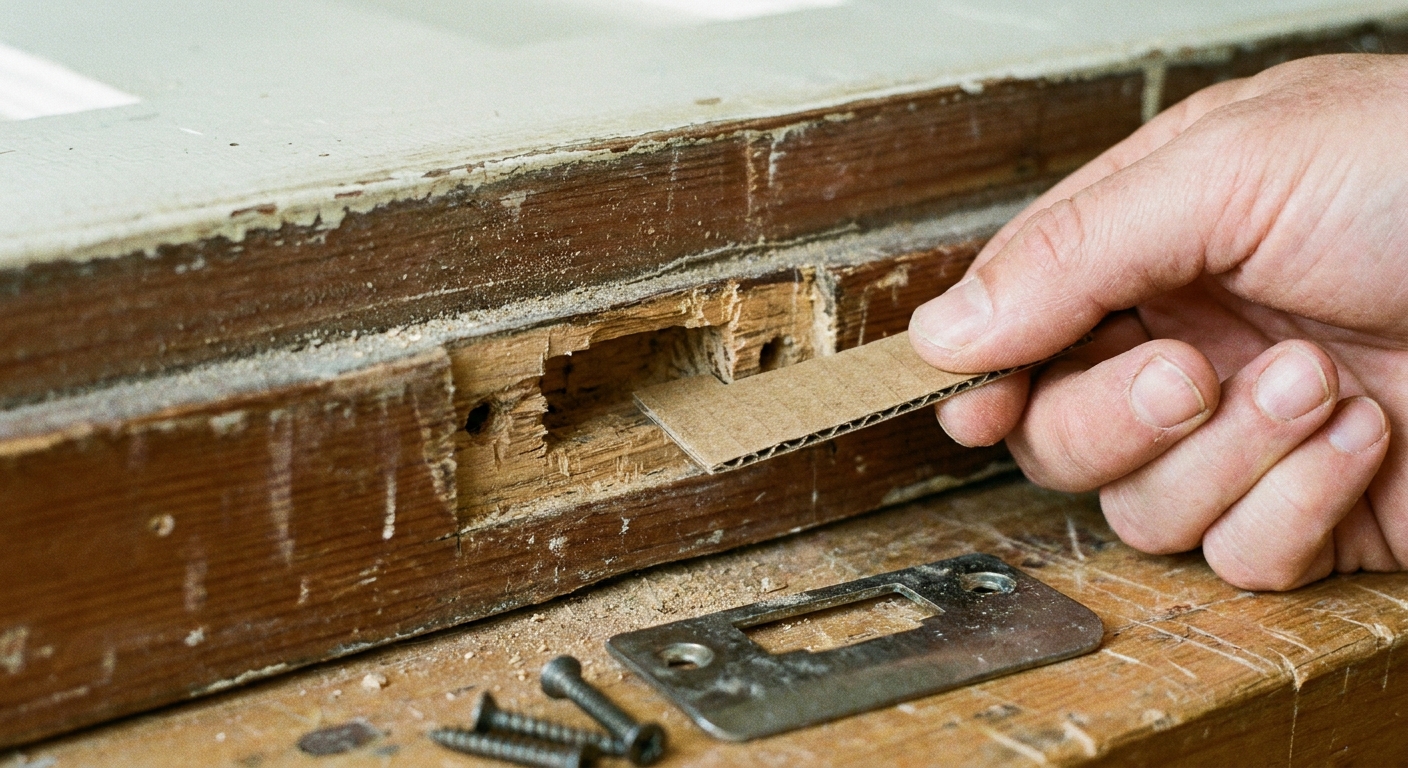
Method B: Shim behind the strike plate
If the latch is hitting because the strike sits too deep or too shallow, a thin shim can fix it without cutting wood.
- Remove the strike plate screws and plate.
- Cut a shim from thin cardboard or cardstock to match the plate shape.
- Place shim behind the plate, reattach, and test.
When shims help most: If you have to “pull” the door to get it to catch, a small shim can bring the strike plate forward so the latch lands more naturally.
Step 5: If it latches but pops open
If your latch slips into the hole but the door still pops open, you may have a worn strike plate, a loose door stop, or the latch is not reaching deep enough.
Try these renter-safe checks
- Tighten the strike plate screws and the handle set screws (if present).
- Check the door stop molding (the thin trim the door closes against). If it is loose, it may prevent full latch engagement. Tightening finish nails is landlord territory, but you can document it.
- Look for paint buildup inside the strike hole. A few thick coats can reduce the opening just enough to interfere. If it needs scraping, ask permission first.
- Check for weatherstripping or bumper pads that are too thick. If the door compresses and then bounces back, the latch can slip out even though it “clicked” for a second.
- Rare, but real: if the knob feels wobbly or loose, a loose rose or privacy knob hardware can lead to inconsistent latch throw. Tighten what you can access, and if it still acts up, it is a good landlord ticket.
Lease-safe limits
I am all for confident DIY, but rentals come with a boundary line. Here is my rule: if the fix requires removing wood or permanently relocating hardware, it is usually a landlord job.
Usually renter-safe
- Tightening screws
- Lubricating the latch bolt
- Shimming behind the strike plate
- Minor strike plate nudges using existing screw wiggle room
- Repairing a stripped screw hole with toothpicks and glue (only if your lease allows minor repairs)
Usually landlord or permission-needed
- Chiseling the jamb to move the strike plate pocket (mortise work)
- Filing or grinding the strike plate opening
- Moving the strike plate to new screw holes
- Bending hinges or removing hinge pins to reshape the swing
- Planing/sanding the door edge
If your door is significantly misaligned (you can see a big uneven gap at the top, or the latch misses by more than a few millimeters), send a quick photo to your landlord. That is often hinge sag or frame shift that needs a more involved correction.
Troubleshooting table
| What you see | Likely cause | Renter-safe fix to try |
|---|---|---|
| Latch hits the strike plate below the hole | Door sag from loose hinges (often top hinge) | Tighten top hinge screws, test, then adjust strike plate slightly if needed |
| Latch hits above the hole | Strike plate too low, or door is being forced upward (binding hinge, swelling, stop interference) | Nudge strike plate down (within screw play) or shim as needed |
| Latch hits the outer edge and needs a shoulder shove to latch | Strike plate too far back, or door is not fully closing against the stop | Add thin shim behind strike plate, and check for weatherstripping or pads causing bounce-back |
| Latch lines up but sticks | Dry or dirty latch mechanism | Graphite or silicone lubrication, wipe clean |
| Latch catches but door pops open | Loose strike, shallow engagement, or compressing weatherstrip | Tighten strike screws, consider shimming, check door stop and weatherstripping |
Bonus: quiet close
Once your latch is catching, you can make the whole doorway feel calmer. Add two small felt pads on the door stop where the door meets the frame. It softens the sound and makes the close feel intentional, like a well-made bed with crisp linen.
If you want, tell me what type of door you have (hollow-core bedroom door, bathroom privacy knob, older mortise lock) and what direction the latch is missing. I can help you choose the most likely fix without turning your afternoon into a hardware store saga.