Feathers Poking Through Your Sofa? Stop the Leaks

Clara Townsend
Clara Townsend is an interior stylist, vintage furniture enthusiast, and the creative voice behind Velvet Abode. With over a decade of experience transforming both cramped city apartments and sprawling fixer-uppers, she believes that a beautiful home is built on personal stories rather than massive budgets. When she isn't hunting for the perfect brass sconce at a local flea market, she can usually be found rearranging her living room for the third time this month.
If you have ever stood up from the sofa and found a tiny feather hitchhiking on your sweater, you are not alone. Feather and down cushions are dreamy for that sink-in comfort, but they can be a little… rebellious. When quills start poking through the fabric, it feels like the sofa is shedding. The good news: in most cases, you can reduce it a lot without replacing the whole piece.
Let’s walk through why it happens, what actually works (and what tends to make it worse), and how to decide between a quick patch, a new cover, or a full cushion swap.
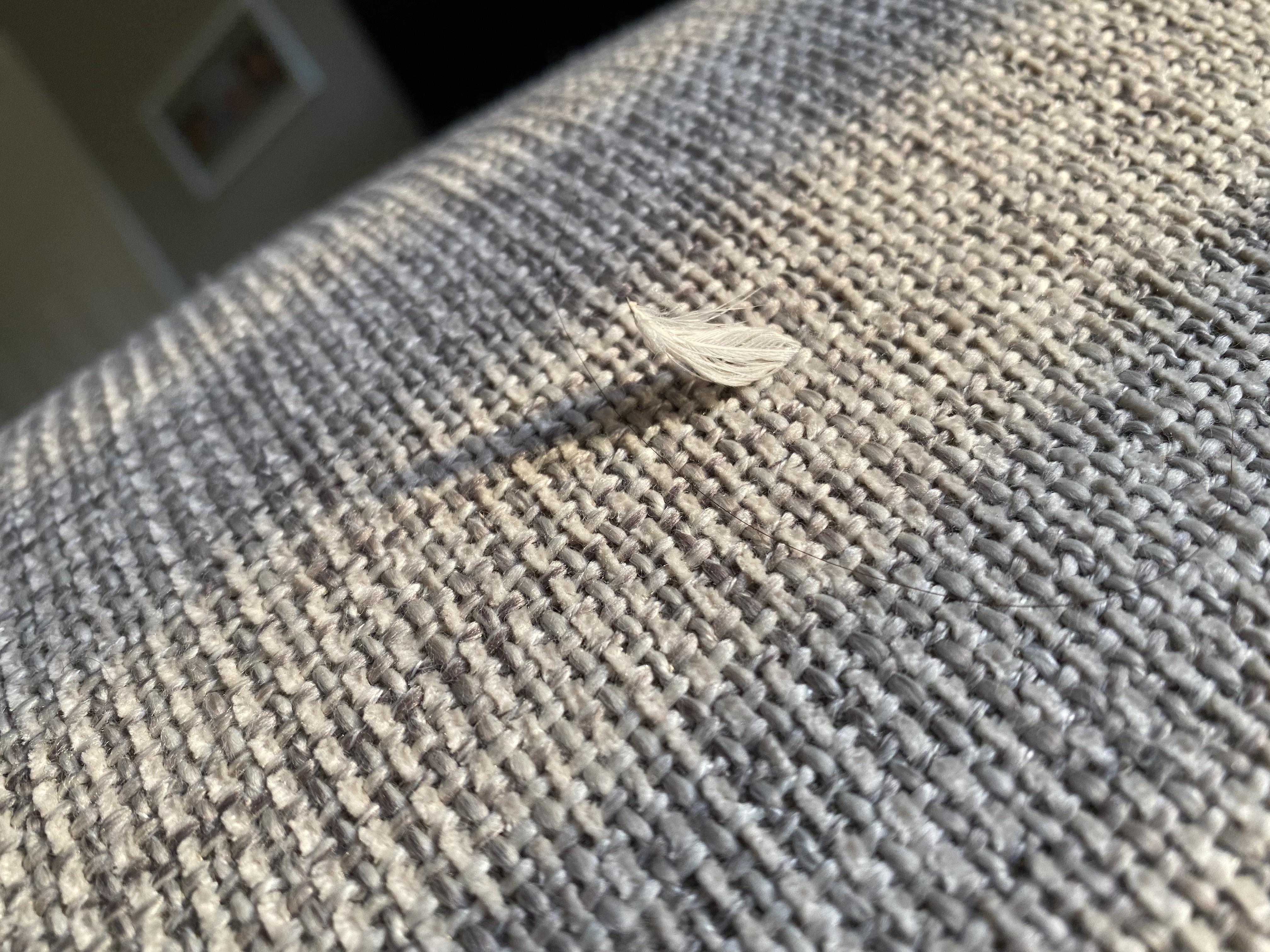
Why feathers and down poke through fabric
Feather and down fill behaves differently than foam. Foam stays put. Feathers shift, compress, and spring back, which means the sharp ends of small feathers (the quills) can gradually work their way toward the surface.
The usual culprits
- Loose weave upholstery fabric: If you can see tiny gaps between threads when you hold the fabric up to light, quills can find those pathways.
- High feather content: “Down” is soft and fluffy. “Feather” includes more quills. Many cushions are blends, and feather-heavy blends shed more.
- Thin or missing inner ticking: Quality inserts usually have a tightly woven inner liner (often called ticking). If the ticking is thin, damaged, or absent, feathers migrate more easily.
- Friction and pressure: Sliding on and off the seat, pets nesting, kids flopping, and even frequent fluffing can push quills outward.
- Age and wear: Fabric fibers loosen over time, seams relax, and tiny snags become escape routes.
One important note: a few stray feathers at the beginning can be normal, especially with brand-new feather inserts. But persistent poking, daily shedding, or quills that feel like little pins usually means the barrier layers are not doing their job.
First aid: what to do when a quill pokes out
The instinct is to pull it out. I get it. But that can actually invite more leakage because you widen the hole and tug other feathers toward the opening.
Do this instead
- Pull the quill back in: Use your fingertips to pinch the fabric around the quill and gently massage it back through to the inside.
- Use tweezers only if needed: If the quill is stubborn, grab the tip and guide it back in rather than yanking it out.
- Seal the spot (optional but helpful): If it is the cushion cover (not a fixed sofa body), you can dab a tiny amount of fabric glue on the inside of the cover where the quill punctured. Let it dry fully before reassembling.
If you have ever noticed that once you pull one feather, you suddenly see three more, this is why. Think of it like a snag in a knit sweater. Gentle containment beats aggressive extraction.
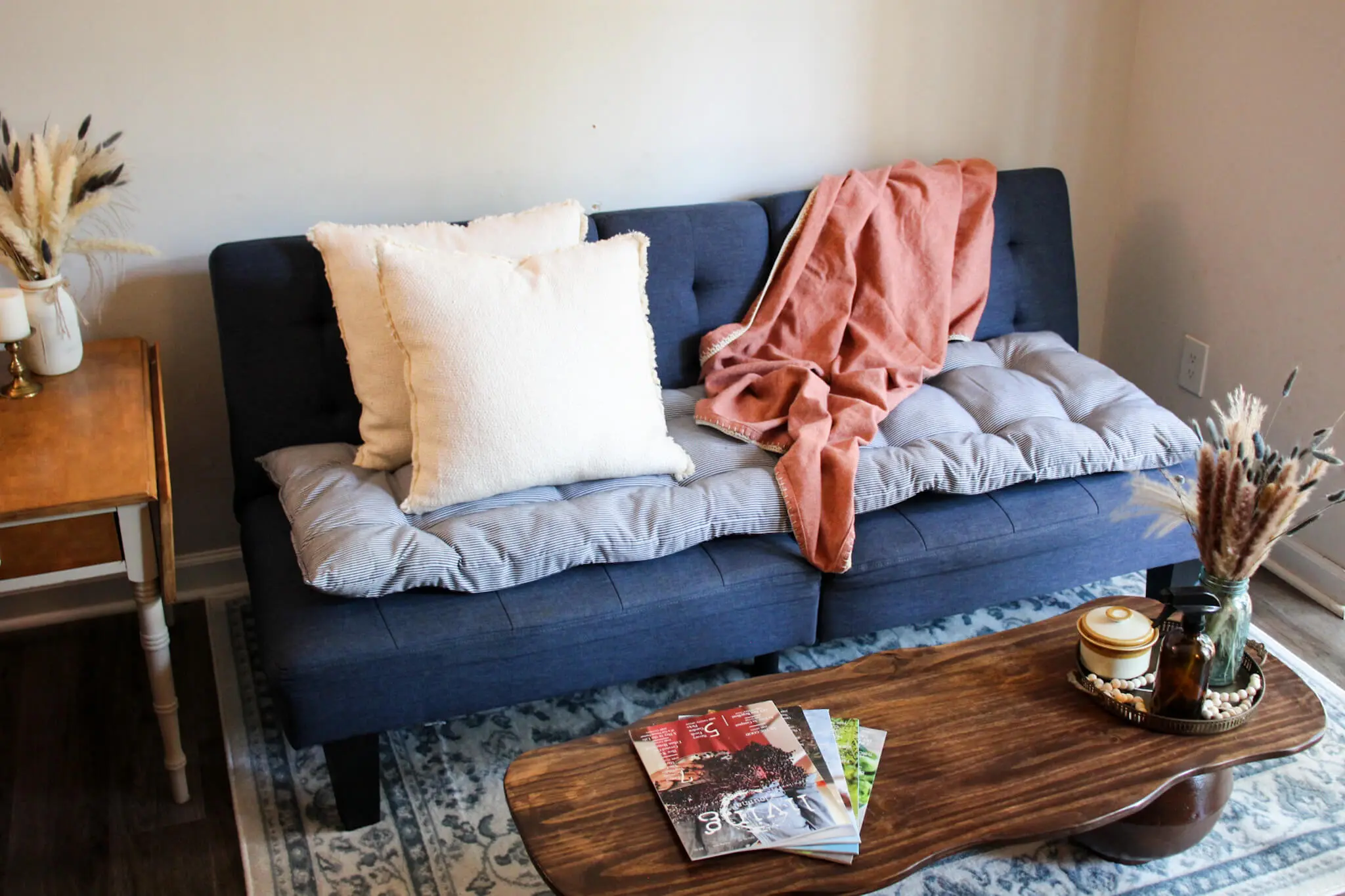
The best long-term fix: add a tighter inner liner
If your cushion insert does not already have a strong inner barrier, adding one is the most effective way to reduce quills and shedding without changing the look of your sofa.
What to look for in a liner
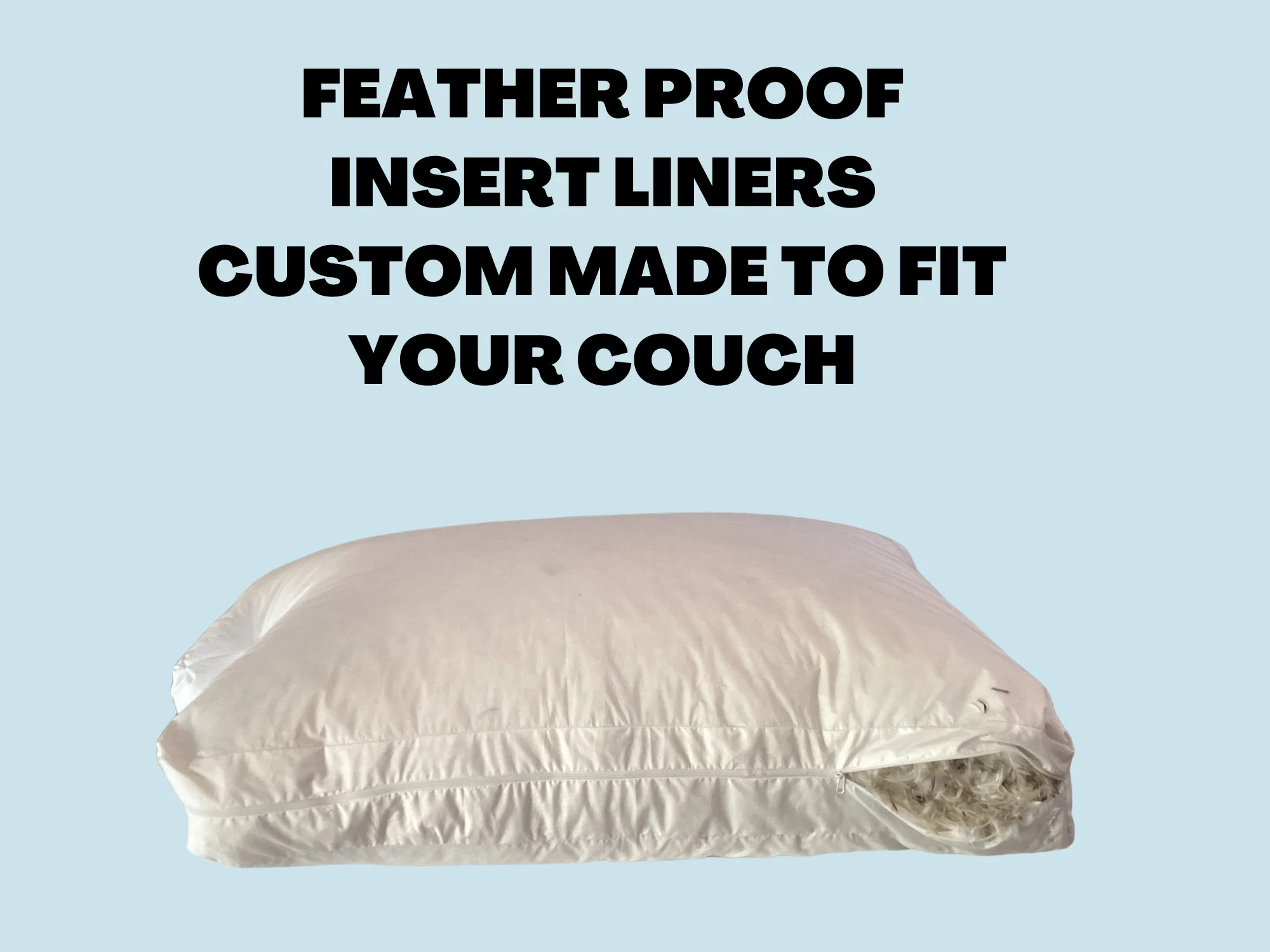
- Down-proof ticking: This is tightly woven cotton (or cotton blend) designed specifically to keep feathers contained.
- High thread count and dense weave: The fabric should feel crisp, not gauzy.
- Zip closure (ideal): Makes it easier to slide your existing insert in and out.
How to do it
- Remove the cushion cover and inspect the insert. If the insert itself is leaking, you need to address that layer, not just the pretty outer cover.
- Encase the insert in a down-proof liner (like a “protector” for the cushion).
- Put the insert back into the outer cover, taking care not to catch corners on zippers or seams.
Stylist tip: if the insert is slightly overstuffed, it creates more pressure on the outer fabric and can increase leakage. A liner helps, but you might also consider sizing the insert correctly for the cover so it is plump, not bursting.
The pillow-in-cushion trick (my favorite for stubborn shedders)
If your cushions are a feather and down blend and the outer fabric is a looser weave, this trick is a quiet little miracle. You are essentially adding a second containment layer, plus smoothing out the cushion shape.
How it works
You add a stable “core” layer inside the cushion system so the fill does not constantly migrate to the edges and corners. The key is doing it without cutting open a sewn-shut insert (because that is a fast track to feathers everywhere).
Two ways to do it
- Envelope insert method: Buy a pre-made “foam core with down or down-alternative wrap” insert (often called an envelope or wrap insert). It gives you that plush perimeter without the constant feather drift.
- Layered liner method: Use a zippered down-proof liner as your work zone. Place a thinner foam or microfiber insert into the liner first, then add your feather insert alongside it, or use two zippered liners (one for the core, one for the feathers) before the final upholstery cover. You get structure plus containment, and everything stays removable and sane.
Think of it like wearing a slip under a dress. Nobody sees it, but everything sits better and behaves.
Patch, reinforce, or replace: how to choose
Not every leaky cushion needs a full replacement. Here is the decision tree I use in my own home (especially when I am trying to be practical instead of dramatic).
Patch or reinforce if
- Leakage is limited to one spot or a seam area.
- The cover fabric is in good shape and not thinning overall.
- The insert feels full and supportive, just a bit pokey.
Best patch options: iron-on fabric patches (inside the cover), a small hand stitch over a seam gap, or fusible interfacing applied to the inside for extra density. If you are patching a removable cushion cover, work from the inside so the fix stays invisible.
Replace the insert if
- Feathers are escaping from multiple areas.
- The insert ticking is torn or poorly made.
- The cushion has developed flat zones and lumps that never fluff out.
Replacing inserts is often cheaper than reupholstery and makes a sofa feel brand new. If you love the look of down but hate the quills, consider a down alternative wrap over foam. You get that plush edge without the constant feather migration.
Replace the cover fabric (or reupholster) if
- The upholstery fabric itself is a loose weave and leakage is widespread.
- You can see general thinning, abrasion, or “shine” from wear.
- Pets have snagged the fabric into tiny escape holes everywhere.
In that case, even the best liner can only do so much. A denser upholstery fabric, or a slipcover made with tight weave cotton canvas or twill, is the real fix.
Fabric matters more than people realize
Some fabrics are simply not feather-friendly. When you are shopping for a new sofa, slipcover, or replacement cushion covers, you want a fabric that acts like a bouncer at a velvet rope: friendly, but firm.
More likely to leak
- Loosely woven linen and linen blends
- Open basket weaves
- Some bouclé styles with lots of texture and loops
- Thin cotton weaves
Less likely to leak
- Tight weave cotton twill or canvas
- Velvet and performance velvet (often dense)
- Performance fabrics designed for abrasion resistance
- Leather (no weave for quills to pass through)
Even if you adore the breezy look of linen, you can still have it. Just pair it with a proper down-proof ticking liner so your sofa is not quietly turning into a pillow fight.
How to reduce shedding day to day
Once you have improved the barrier layers, a few habits help keep things calm.
- Fluff with a “karate chop” motion, not aggressive twisting: Twisting drives quills toward corners and seams.
- Rotate cushions: Swap left and right, and flip if your cushions are reversible, so one spot is not constantly compressed.
- Vacuum gently with an upholstery attachment: This removes escaped feathers without tugging at the weave.
- Trim, do not pull: If a feather is truly stuck and cannot be pushed back in, snip the exposed tip close to the fabric instead of yanking.
- Keep pet nails trimmed: Tiny snags create tiny exits.
Allergens and air quality notes
Feathers and down can be a concern for some households, but the situation is nuanced. Many people who say they are “allergic to down” are actually reacting to dust mites, dander, or residual processing materials rather than the down itself. That said, if you notice sneezing, itchy eyes, wheezing, or skin irritation that seems tied to your sofa, it is worth paying attention to.
Practical steps that may help
- Add a sealed liner: A down-proof cover helps contain both quills and fine particles.
- Vacuum regularly: Especially along seams, under cushions, and around the sofa base.
- Consider a down-alternative insert: This is often the easiest swap for sensitive households.
- Washable slipcovers: If your sofa allows it, periodic washing can reduce allergens in the outer layer.
Important: This is general home advice, not medical advice. If you have asthma, severe allergies, or symptoms that persist, check in with a qualified healthcare professional for guidance tailored to you.
Quick checklist: stop the quills
- Do not yank feathers out. Push them back in or trim the tip.
- Add a down-proof ticking liner around the insert.
- Use a core-style (envelope) insert or layered liners to stabilize shifting fill.
- Patch from the inside if leakage is localized.
- Replace inserts when the ticking fails or the fill is breaking down.
- If the fabric weave is too open, consider a new cover or slipcover.
Feather cushions can absolutely be livable. Once you tighten the barrier layers and calm the shifting fill, the comfort stays, and the constant little “pin pricks” and stray feathers usually fade into the background where they belong.