Faded Resin Patio Chairs: Restore the Color
Gust
A little flutter. A cozier corner.
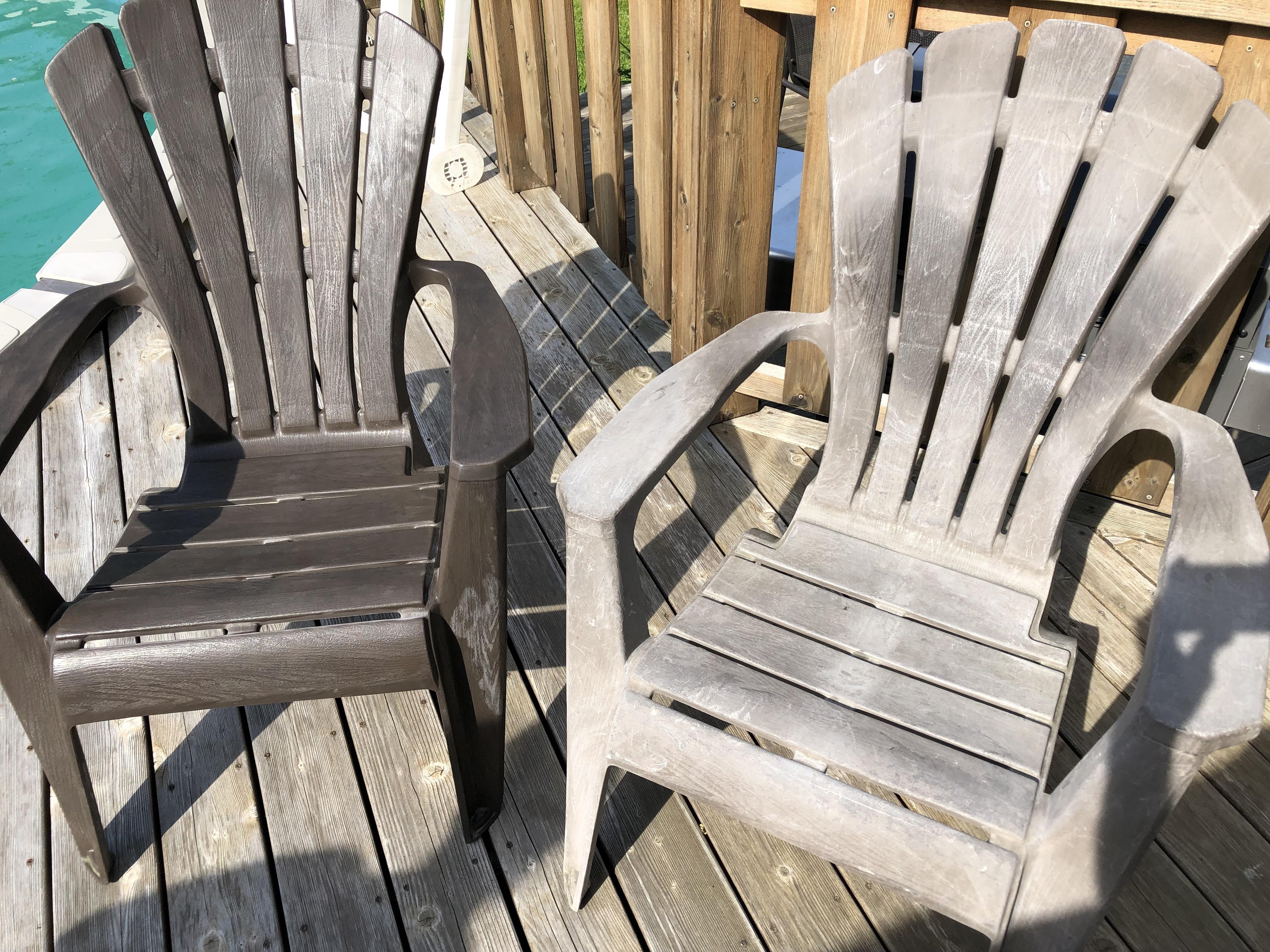
If your resin or plastic patio chairs used to be a confident color and now they look like they have been lightly dusted with sidewalk chalk, you are not imagining it. Sun and weather slowly rough up the very top layer of plastic. That hazy, powdery film is usually a UV-degraded and lightly oxidized surface layer, and it steals color by scattering light. The good news is you can often clean it off and add a protectant that helps the color look deeper again. The honest news is that sometimes UV damage goes past the surface and the chair gets brittle. I will help you tell the difference.
First: is it dirt, oxidation, or damage?
Before you buy anything, do a quick check. It keeps you from scrubbing too hard or sealing in grime.
- Dirt and mildew: looks blotchy or speckled. It often concentrates in creases, under armrests, and on feet. It usually improves fast with soap and a brush.
- Chalky UV layer: looks even and dusty, like a matte haze. If you rub a finger across the chair and get a powdery residue, that is the classic giveaway.
- UV brittleness: the chair feels unusually light, stiff, or “dry.” You may see fine cracks, spiderweb lines, or whitening at stress points. Press gently on the seat or flex the back. If you hear crackling or see new lines appear, restoration is mostly cosmetic and the structure may be nearing retirement.
A quick test: wet a small area with water. If the color looks dramatically better when wet but fades again when it dries, that usually means a surface issue you can improve with cleaning and protection. (Wetting can also temporarily hide fine scratches, so pair this with the finger-rub powder test.)
What plastic is it? A 10-second check
“Resin” is a catch-all. Most molded outdoor chairs are polypropylene, polyethylene, or a blend of the two, and that matters for how easily they scratch and how well paint sticks.
- Flip the chair over and look for a recycling stamp or letters.
- PP (#5): polypropylene is common. It is durable, but it can be finicky for paint unless you prep well.
- HDPE (#2) or PE: also common, often a little waxier feeling, and also picky about adhesion.
If you cannot find a code, do not sweat it. Just assume it is a “paint needs help” plastic and use a plastic-bonding primer if you go that route.
Supplies that play nicely with plastic
You do not need a complicated cart of products. You do need the right kind of gentle tools because most molded patio-chair plastics scratch more easily than people expect.
- Dish soap or a mild all-purpose cleaner
- Warm water
- Soft nylon scrub brush or microfiber cloths
- Baking soda (optional, for scuffs)
- White vinegar (optional, for mineral spots)
- A plastic-safe protectant with UV inhibitors (look for labels like “vinyl,” “marine,” “outdoor,” or “automotive trim”)
- If painting: plastic-bonding primer and a spray paint labeled for plastic
Step-by-step: clean off the chalky layer
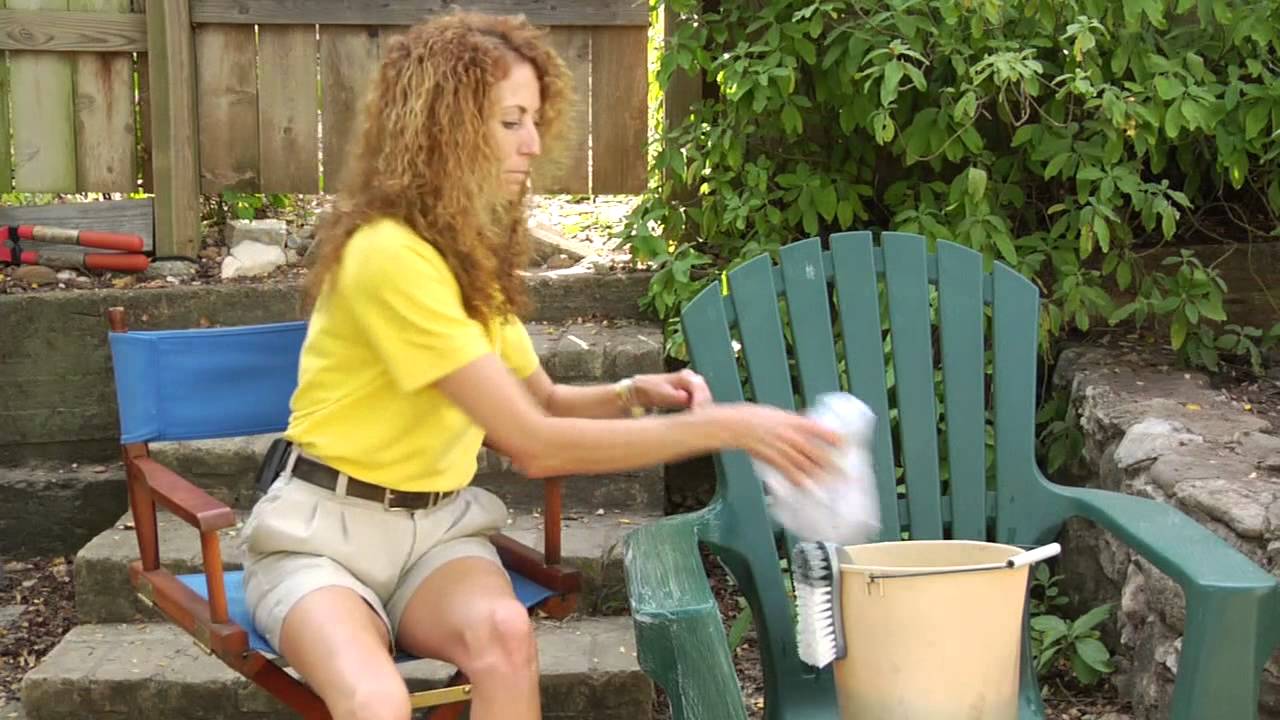
1) Rinse first
Hose the chair down to remove loose grit. This step matters because scrubbing dry dust into plastic is how you get permanent scratchy grayness.
2) Wash with warm soapy water
Mix warm water with a small squeeze of dish soap. Scrub with a soft brush, following the texture of the chair. Rinse well.
3) Lift stubborn chalkiness gently
If the chair still feels powdery, use a slightly stronger but still plastic-friendly approach:
- Baking soda paste: Mix baking soda with a little water until it is spreadable. Rub lightly with a damp microfiber cloth. This can remove chalkiness and scuffs without the harshness of heavy abrasives.
- Magic eraser style sponges: These are micro-abrasive. They can help on textured resin, but go easy. Test in a hidden spot, keep it wet, and use light pressure to avoid creating shiny patches.
Rinse again and let the chair dry completely before you protect or paint. If water is hiding in seams, give it time.
A quick runoff note
If you are using any cleaner stronger than dish soap, be mindful of runoff. I like to wash on gravel or an area where you can control the rinse water, not straight into storm drains or into the flowerbed you are trying to keep alive.
Revive color: plastic-safe protectants and polishes
Once the chalky layer is removed, a protectant can deepen the look of the color and slow future fading. The key phrase is plastic-safe and ideally UV protection. You will find these products marketed for vinyl, marine use, outdoor furniture, and automotive plastic trim.
How to apply
- Work in shade on a cool chair. Hot plastic can make products streak.
- Apply a small amount to a microfiber cloth, not directly onto the chair, to prevent drips and blotches.
- Spread thinly and evenly. Let it sit per label directions.
- Buff off any excess so the surface does not feel oily. Oily finishes attract dust and pollen.
What to expect
A protectant helps most when the chair is structurally sound and the main issue is surface degradation. It will not rebuild pigment that has fully broken down through the plastic. Think of it like smoothing the “chalk veil” and adding a sacrificial layer that takes the weathering first.
If your chairs are used around food or kids who perch on armrests with popsicles, favor a finish that dries non-greasy. Also note that some silicone-heavy protectants can feel slippery on seating surfaces. Apply sparingly and buff well so you do not turn your patio into a slow-motion slip test.
What to avoid
- Bleach baths: diluted bleach can help with mildew occasionally, but frequent or strong bleach can dull or discolor some plastics, and repeated use combined with sun exposure may speed up surface wear. If you use it, keep it mild, rinse very well, and do it rarely.
- Acetone, lacquer thinner, or strong solvents: these can soften, smear, or permanently dull plastic.
- Abrasive powders and heavy scouring pads: they scratch. Scratches catch dirt and make chalkiness look worse.
- Pressure washers up close: a narrow tip can etch the surface or drive water into seams. If you use one, use a wide fan tip and keep distance.
- Oils not meant for plastic: cooking oils and some household oils can leave a sticky film that turns into a grime layer.
If cleaning is not enough: painting plastic chairs
Painting can be a glow-up, but only if the chair is still structurally sturdy. Paint will not fix brittleness or cracking, and a flexy seat can make paint fail faster.
Best paint approach
- Clean thoroughly: any chalk left behind becomes weak “dust” under the paint.
- Light scuff sanding: use a fine grit sandpaper just to de-gloss and give tooth. You are not trying to remove material, only to help adhesion.
- Use a plastic-bonding primer: look for one labeled for plastic or multi-surface that explicitly includes plastic.
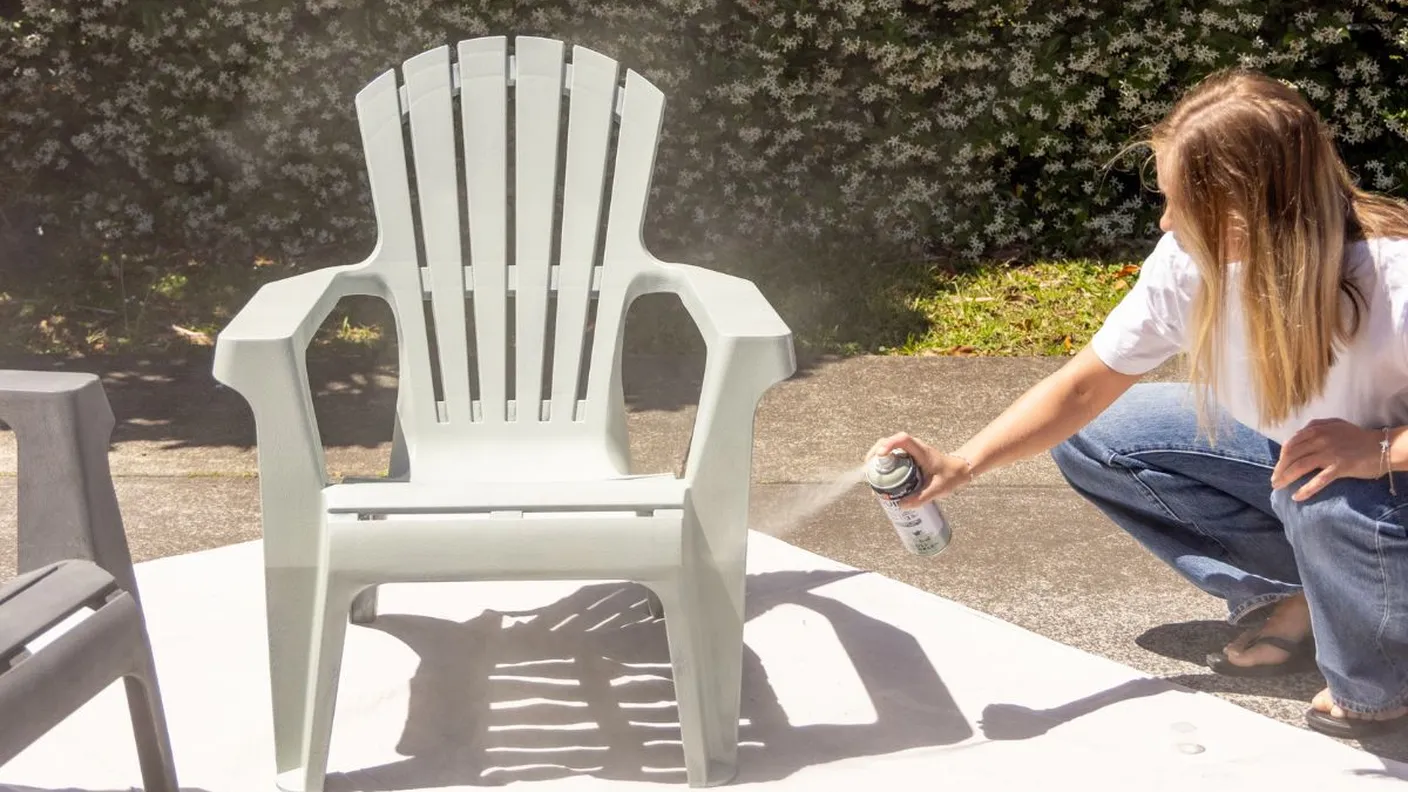
- Choose paint made for plastic: spray paints labeled for plastic typically bond better and flex a bit with the chair.
- Thin coats: multiple light coats beat one thick coat every time. Thick coats chip and feel tacky longer.
- Let it truly cure: “dry” is not “cured.” Follow the label before you stack or sit. Weather matters, so give it extra time if it is cool or humid.
Color tip for small patios
If your space is tight, lighter or mid-tone colors make bulky chair shapes feel less visually heavy. A soft clay, misty blue, or warm white can make a small balcony read larger without turning it sterile.
When UV damage has made the chair brittle
Sometimes the chair is not just faded, it is tired. UV exposure can break down plastics over time, which is a fancy way of saying the chair loses toughness. If you see these signs, focus on safety first:
- Cracks around screw holes, legs, or where the seat meets the back
- A rough, fibrous look at edges or stress points
- New cracks appearing when you gently flex the chair
- Pieces that snap off rather than bend
What you can do: You can still clean it and improve the look, but avoid aggressive sanding or harsh chemicals. If the chair supports real weight, consider replacing it. A brittle chair can fail suddenly, and patios are not the place for surprise floor meetings.
Keep the color longer
- Shade when you can: umbrellas and awnings help chairs and your skin.
- Store in the off-season: a shed, garage, or even a covered corner reduces UV time dramatically.
- Use breathable covers: avoid trapping moisture, which invites mildew and stains.
- Quick rinses: pollen and dust are mildly abrasive. A rinse now and then keeps buildup from turning into a scrub session later.
- Reapply protectant: follow the product label. Outdoors, it is normal to refresh periodically.
Quick FAQ
Why do plastic chairs turn chalky?
Sunlight, especially UV, breaks down the surface of many outdoor plastics. The top layer gets rough and dull, and it can leave a fine powder on your hand.
Can I use car wax on plastic patio chairs?
Some waxes are fine on certain plastics, but others can haze, streak, or fail to bond. The safest route is a product labeled for plastic or vinyl, ideally with UV inhibitors. If you already have a wax in the garage, test it on the underside first and watch for cloudiness after it dries.
Will heat bring the color back?
You may see heat-based restoration tricks online. Heat can temporarily change how light reflects off the surface, but it can also warp plastic, create shiny patches, or accelerate aging if overdone. For patio chairs, gentle cleaning and a plastic-safe protectant is the calmer path.
Do I have to sand before painting?
Usually, yes. A light scuff helps primer and paint grip. The chair does not need to look sanded, it just needs a slightly dulled surface.
My chair is white. Why is it chalky?
Even white plastic can oxidize and turn dull. Cleaning helps, but also check for mineral residue from sprinklers or hard water. A vinegar and water wipe can help with that, followed by a thorough rinse. If the chair has metal fasteners, keep vinegar off them when you can, and rinse well so you do not invite corrosion.