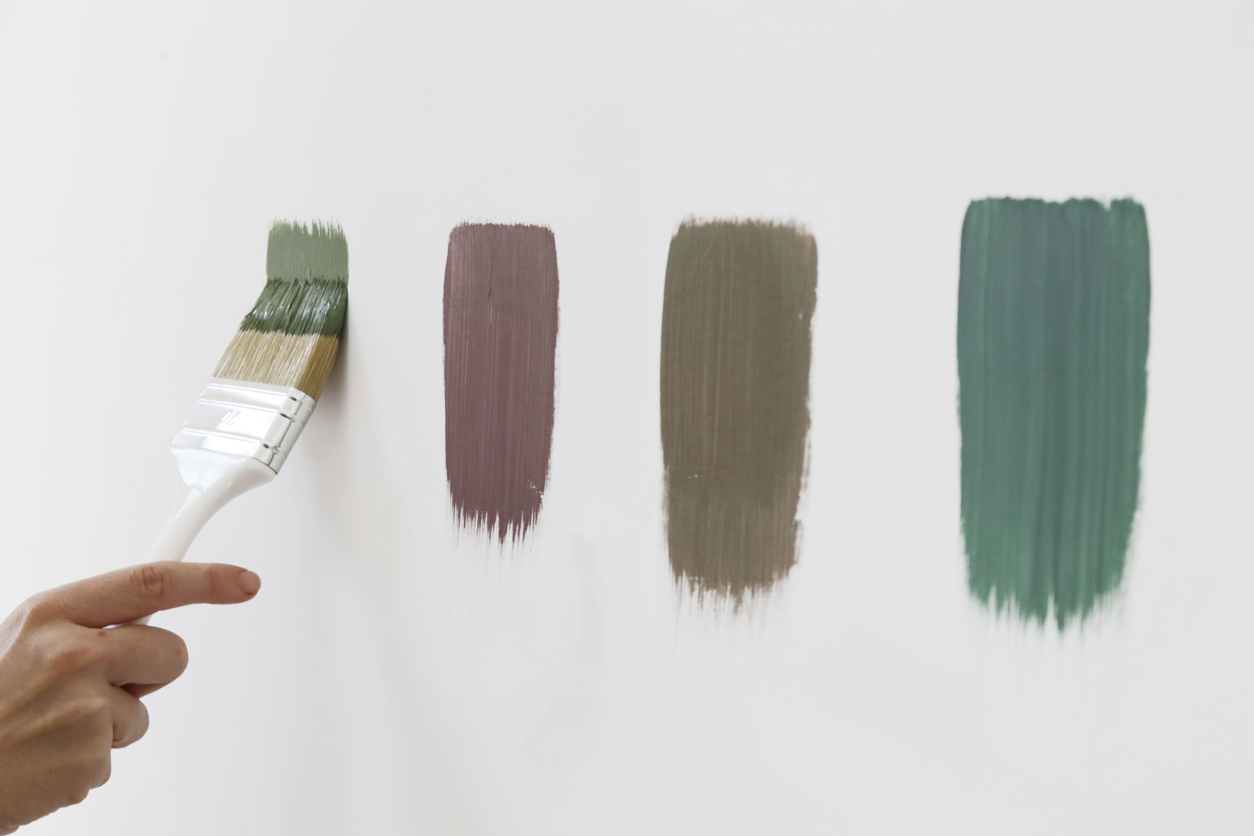
Eggshell vs Satin vs Semi-Gloss: Where to Use Each Paint Finish

Clara Townsend
Clara Townsend is an interior stylist, vintage furniture enthusiast, and the creative voice behind Velvet Abode. With over a decade of experience transforming both cramped city apartments and sprawling fixer-uppers, she believes that a beautiful home is built on personal stories rather than massive budgets. When she isn't hunting for the perfect brass sconce at a local flea market, she can usually be found rearranging her living room for the third time this month.
Paint sheen is one of those quietly powerful choices that can make the same color feel either soft and velvety or bright and a little… eager. If you have ever painted a hallway and then watched every little bump announce itself at 4 p.m. when the sun hits just right, you already understand the plot.
In real rooms, sheen affects three things most: how forgiving the surface looks, how easily it cleans, and how light bounces. Below is the simple, home-living version of eggshell vs satin vs semi-gloss, plus where each one shines (and where it can make you mutter under your breath).
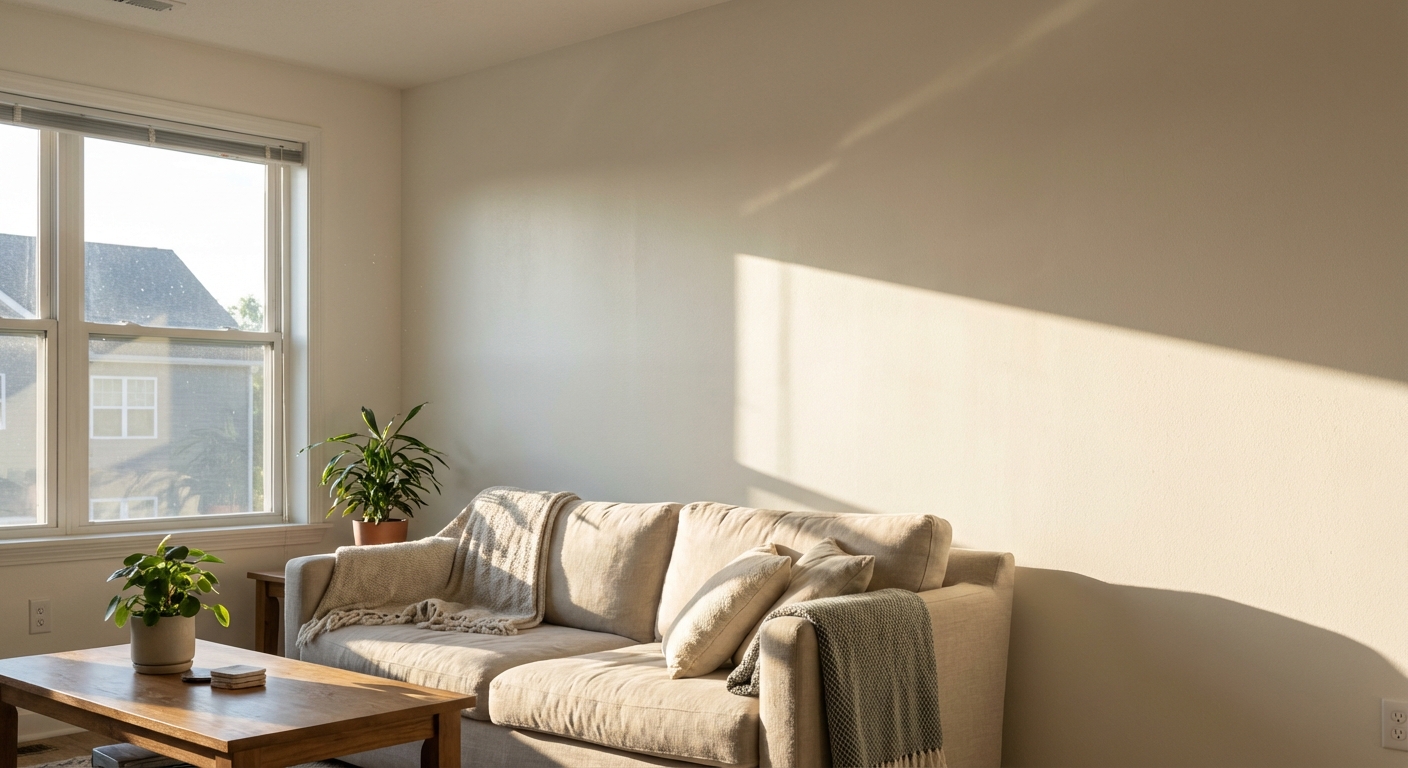
Sheen 101: what you are really choosing
Think of sheen as a sliding scale from matte and mellow to shiny and scrubby. In general, higher-sheen paints tend to be more wipeable and durable, but formulation matters. Some premium “scrubbable matte” and modern wall enamels hold up surprisingly well at lower sheens.
One more sanity-saving note: sheen names are not perfectly standardized. One brand’s eggshell can look like another brand’s satin, so it is worth checking the sample on your wall (or at least comparing the sheen chips within the same brand).
- Flat or matte: Lowest sheen, very soft and most forgiving for uneven walls. Depending on the product, it can mark or burnish with heavy rubbing.
- Eggshell: Low sheen with a soft, velvety glow. Generally forgiving on walls.
- Satin: Noticeably more sheen, reads smoother and cleans more easily. Can show more wall texture.
- Semi-gloss: Shiny, crisp, and tough. Great for trim and frequent cleaning, but it will spotlight imperfections.
- High-gloss: The most reflective and dramatic. Very durable, very honest. Best reserved for specialty trim, furniture, or statement doors where prep is immaculate.
Eggshell: the cozy wall finish
If your goal is “my home feels calm at the end of a long day,” eggshell is usually the answer for main living spaces. It reflects a little light, but not so much that every drywall seam becomes a personality trait.
Best uses for eggshell
- Living rooms and dining rooms: Soft glow in lamp light, forgiving during daytime sun.
- Bedrooms: Especially lovely with linen curtains and warm bulbs.
- Hallways (low to moderate traffic): Great if your walls are reasonably smooth and you are not battling constant backpack scuffs.
When eggshell is not ideal
- Very busy entryways or kid-heavy corridors: You may want the extra wipeability of satin (or a high-quality washable matte).
- Bathrooms with frequent splashing or poor ventilation: Consider a bath-rated paint in satin, and focus on ventilation and prep as much as sheen.

Satin: the hardworking middle ground
Satin is the finish I reach for when a room needs to behave. It has a gentle shine, like a well-worn leather bag that still looks polished. It is typically easier to wipe clean than eggshell, which matters in the real world where hands touch walls more than we like to admit.
Best uses for satin
- Kids’ rooms and playrooms: Better for fingerprints and mystery marks.
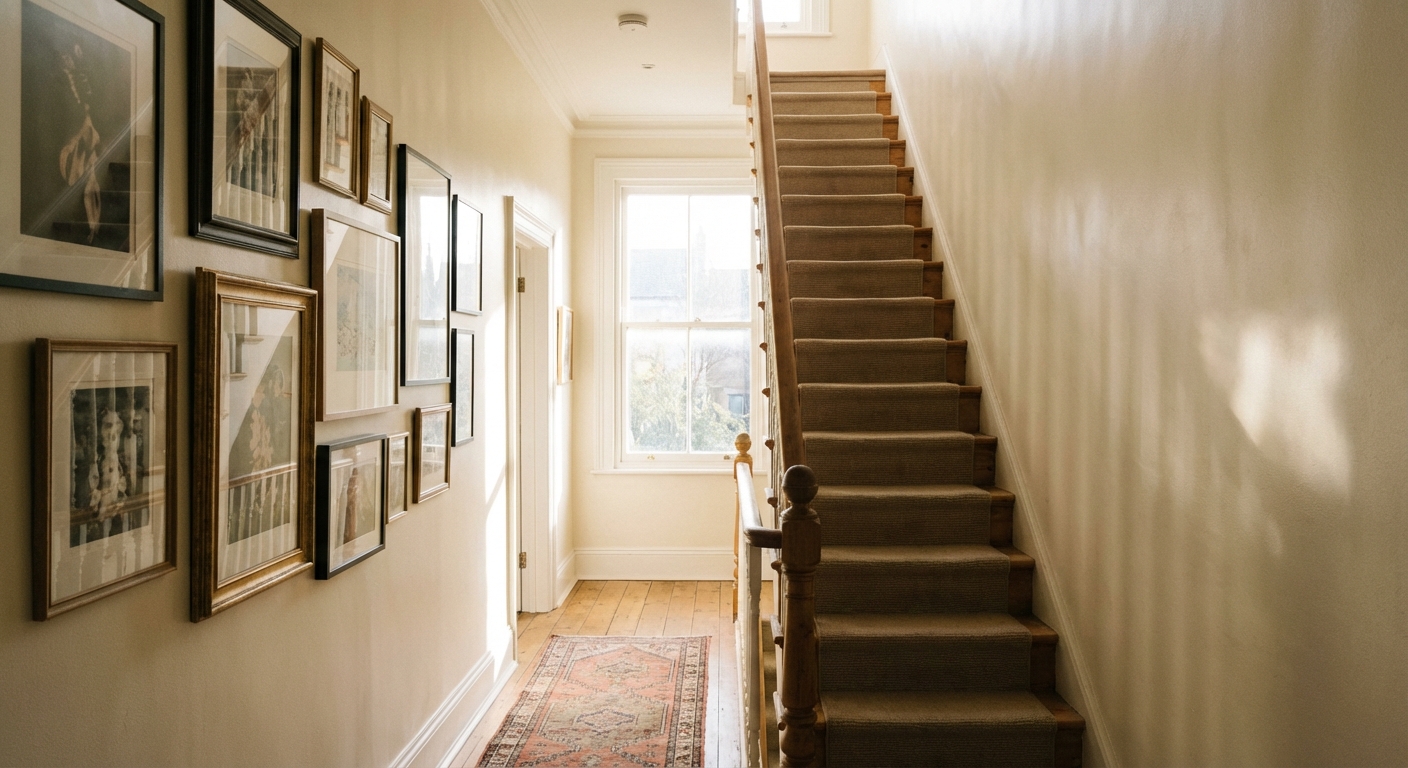
- High-traffic hallways and stairwells: A practical choice that still looks “wall-like,” not glossy.
- Kitchens (walls): Especially near breakfast nooks, pet bowls, and light switch zones.
- Laundry rooms and mudrooms: Where splashes and bumps are part of the deal.
Satin watch-outs
- It can highlight wall texture: If your walls have patches, heavy orange peel, or older plaster waves, satin may make them more visible in raking light.
- Touch-ups can flash: Depending on brand, color, and how long the paint has cured, spot touch-ups may dry slightly different and catch light.
Semi-gloss: crisp, durable, and honest about flaws
Semi-gloss has that clean, slightly reflective look that makes trim feel intentional. It also stands up to frequent cleaning and day-to-day moisture better than lower sheens in many paint lines. The downside is simple: semi-gloss does not lie. If your trim has dents, brush marks, or uneven caulk lines, semi-gloss will show them.
Best uses for semi-gloss
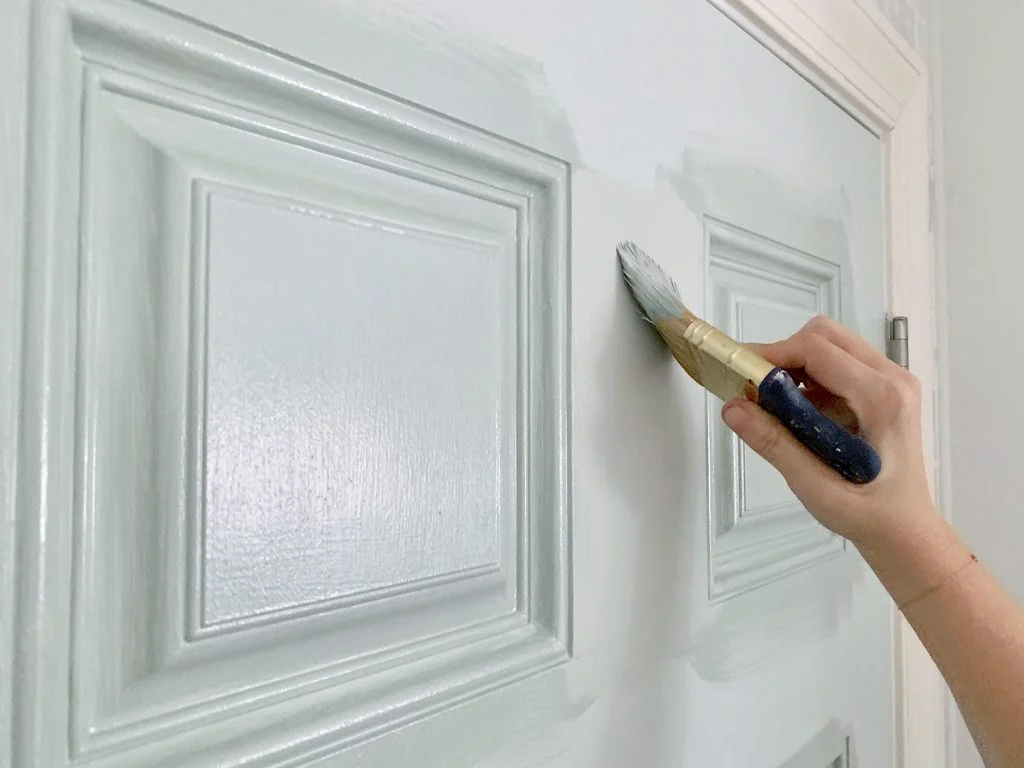
- Trim and doors: Baseboards, casings, and interior doors love semi-gloss because it handles scuffs.
- Kitchens (trim and cabinets): Easy wipe-down zone.
- Bathrooms (trim and sometimes walls): Most people prefer satin on bathroom walls, but semi-gloss can work on very smooth walls if you truly want maximum wipeability.
- Window sashes: Great for durability and a clean edge against glass.
Where semi-gloss can feel too shiny
- Large wall surfaces: It can read a bit “builder-grade glossy” and will amplify every bump.
- Low ceilings with strong lighting: Reflections can feel busy overhead.
Room-by-room recommendations
Bathrooms
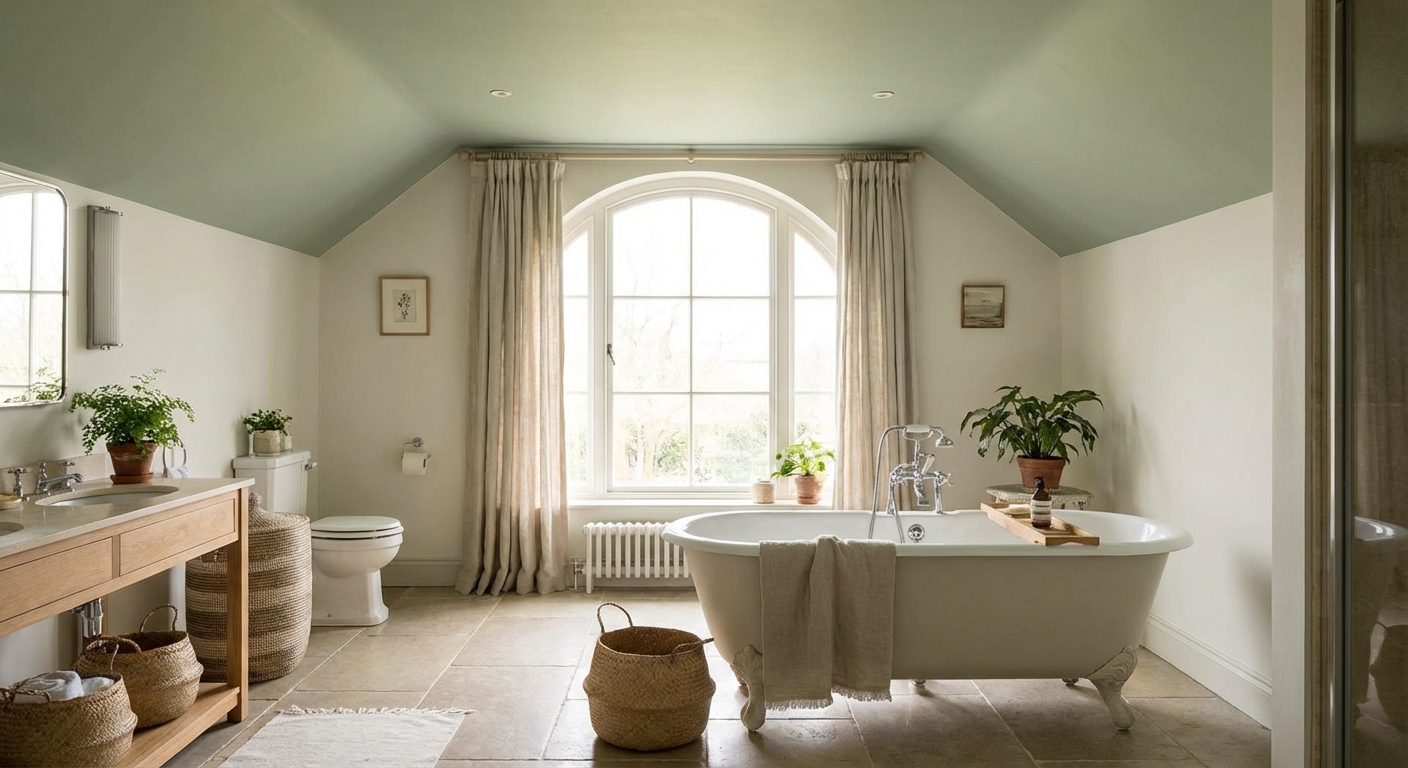
Bathrooms are a mix of moisture, frequent cleaning, and harsh lighting. A paint labeled for baths, solid ventilation, and good prep do more for longevity than sheen alone. If ventilation is good, satin on walls is often the sweet spot. For trim and doors, semi-gloss is the workhorse.
- Walls: Satin (most homes). Consider washable matte or eggshell if you want a softer look and your bath paint is designed for moisture resistance. Semi-gloss only if you want maximum wipeability and your walls are very smooth.
- Trim and door: Semi-gloss.
- Ceiling: Usually flat or matte ceiling paint. If you regularly get steam buildup, ask for a moisture-resistant ceiling formulation in a low sheen.
Kitchens
Kitchens collect cooking residue and fingerprints, even if you are a “we only make tea” household. Satin on walls handles spot cleaning well without looking overly shiny. Save semi-gloss for trim, doors, and cabinetry.
- Walls: Satin.
- Trim: Semi-gloss.
Living room and dining room
These rooms usually benefit from a softer finish that flatters light and art. Eggshell is my default here. If you love an extra velvety look, a high-quality washable matte can also be beautiful.
- Walls: Eggshell (or washable matte for a softer look).
- Trim: Semi-gloss (or satin if you prefer a quieter trim look).
Bedrooms
Bedrooms are where sheen can either help you exhale or make the room feel slightly too “new build bright.” Eggshell keeps things calm, while satin works well for kids’ rooms and high-touch areas.
- Walls: Eggshell for adults, satin for kids or frequent-clean zones (or washable matte if you want the softest look).
- Trim: Semi-gloss.
Kids’ spaces
Kids are tiny artists with sticky hands. Choose the finish that lets you clean without panic. Satin is usually the best balance of durability and not-too-much shine.
- Walls: Satin.
- Trim and doors: Semi-gloss.
Trim, doors, and built-ins
Trim takes the most abuse from vacuums, shoes, pets, and life. Semi-gloss is the classic for a reason. If you want a slightly softer, more modern look, satin on trim can work too, especially in older homes where extra shine emphasizes every ripple.
Quick reminder: the shinier you go, the more prep matters. Filling, sanding, and a good primer (especially over knots, repairs, or glossy old paint) make the difference between “crisp” and “why does this look wavy?”
- Classic crisp look: Semi-gloss.
- Softer, lower-contrast sheen: Satin.
Ceilings
Ceilings are the one place where I almost always want “quiet.” Most people use flat or matte ceiling paint so light does not bounce around highlighting drywall seams. If you are only choosing between eggshell, satin, and semi-gloss, eggshell is the least risky of the three for ceilings, but it is still not the usual choice. It can show roller lap marks and patches more than true ceiling paint.
How light changes everything
Sheen is basically a light reflector. In a store, paint chips sit under bright, even lighting. In your home, you have:
- Raking light: When sunlight hits a wall at an angle, texture and sheen become more obvious.
- Mixed bulbs: Warm lamps at night can make eggshell feel richer, while cooler overhead lighting can make satin look shinier.
- Shadow pockets: Corners and hallways can make a shinier paint read blotchy if the wall is not perfectly smooth.
If you are trying to hide imperfect walls, go down in sheen before you start blaming your paint color.
Touch-ups: quick rules that save your sanity
Touch-ups are where sheen choices become very real, very fast.
- Lower sheen often touches up easier: Eggshell is often more forgiving than satin, and satin often more forgiving than semi-gloss. Still, touch-ups depend heavily on wall texture, porosity, application method, and how long the paint has cured.
- Let paint cure before judging: Many paints “settle” as they cure. What looks uneven day one can look better after a week or two.
- Use the same batch when possible: If you can, save a labeled jar from the original paint. Even the same color can vary slightly between batches.
- Feather, do not patch like a sticker: Lightly blend the edges of your touch-up area outward with a small roller or brush so you avoid a hard halo.
- Clean first: Grease, soap residue, and hand oils can make touch-ups look different. A gentle wash and full dry time helps.
- When in doubt, repaint the whole plane: For shinier finishes, repainting the entire wall (or entire door) often looks cleaner than spot fixes.
Resale-friendly choices that still feel personal
If you are painting with resale in mind, you want finishes that look clean, photograph well, and do not spotlight every drywall quirk.
- Walls: Eggshell is a safe, widely accepted default for living areas and bedrooms.
- High-traffic walls: Satin in hallways and family spaces reads practical and well cared for.
- Trim and doors: Semi-gloss is the classic choice buyers expect because it looks crisp and is easy to clean.
The biggest resale mistake is choosing a sheen that makes the home look more worn than it is. Overly shiny walls can emphasize uneven textures, while too-flat walls in busy areas can look scuffed quickly (unless you use a premium washable matte).
DIY tester tips
If you are torn between two sheens, you do not need to guess. Test like you are trying to catch the light in the act.
- Paint two sheens in the same color on two poster boards or primed scraps, then move them around the room.
- Check at three times: Morning daylight, afternoon raking light, and evening lamp light.
- Look from a few angles: Stand straight on, then walk past the wall. Shine shows itself in motion.
- Rub test: After the sample cures, gently wipe with a damp cloth to see which finish you will actually enjoy living with.
Give yourself permission to choose the finish that fits your life, not just the one that sounds right. The most beautiful rooms I have styled are the ones that feel easy to live in, where the paint is doing its job quietly in the background.