Dishwasher Not Draining: Renter-Safe Checks

Clara Townsend
Clara Townsend is an interior stylist, vintage furniture enthusiast, and the creative voice behind Velvet Abode. With over a decade of experience transforming both cramped city apartments and sprawling fixer-uppers, she believes that a beautiful home is built on personal stories rather than massive budgets. When she isn't hunting for the perfect brass sconce at a local flea market, she can usually be found rearranging her living room for the third time this month.
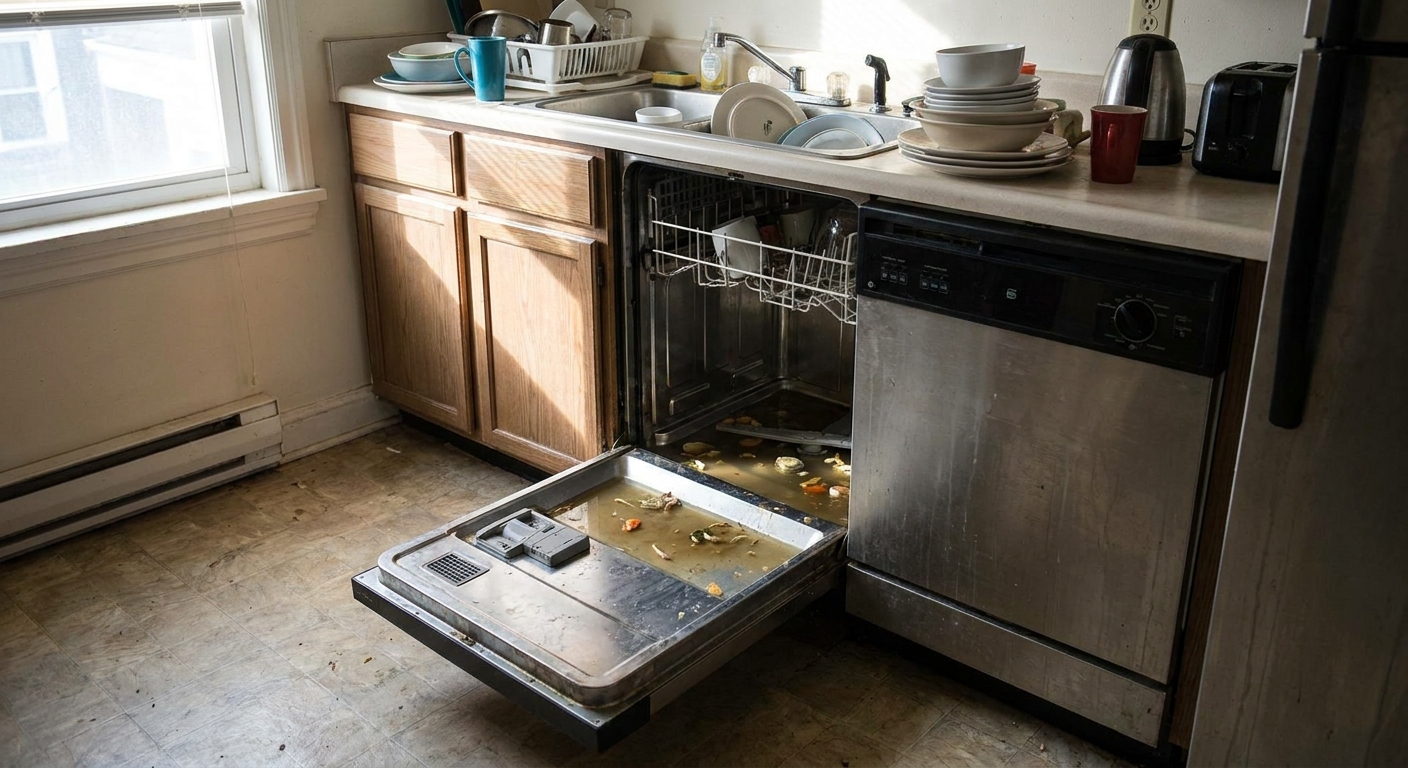
There are few kitchen sights more deflating than opening the dishwasher and finding a little swamp where your plates should be. Before you panic (or start yanking appliances out of cabinets), let’s do a calm, renter-safe triage. The goal here is simple: clear the most common, easy-to-fix causes of standing water without risking your deposit or your lease.
Quick expectation check: a small puddle in the sump area (often below the filter) can be normal on some models to keep seals from drying out. What is not normal is a pool across the tub bottom that covers the filter area or leaves dishes sitting in dirty water.
This is not a deep repair guide. No rewiring, no pump surgery, no mystery tools. Just the checks that are safe for most rentals and genuinely worth trying before you call maintenance.
Do this first checklist
If you only have five minutes and a towel, start here. These steps solve a surprising number of “won’t drain” calls.
- Cancel and drain: Try the appliance’s Cancel or Cancel/Drain function once. On many models, you press and hold 2 to 3 seconds.
- Power reset: If you can safely access it, unplug the dishwasher (many rentals have a plug under the sink) for 1 to 5 minutes, then plug it back in and try Cancel/Drain again. If it is hardwired, flip the dishwasher breaker off for 1 to 5 minutes instead.
- Remove the bottom rack: Check for a spoon, glass shard, label, or twist tie near the drain area.
- Clean the filter: Rinse it well and clear any gunk from the sump area.
- Check the sink: If the sink is slow or backing up too, the problem may be the sink drain (and the dishwasher cannot push past it).
- Run the garbage disposal: If the dishwasher drains into the disposal, a clogged disposal can block it.
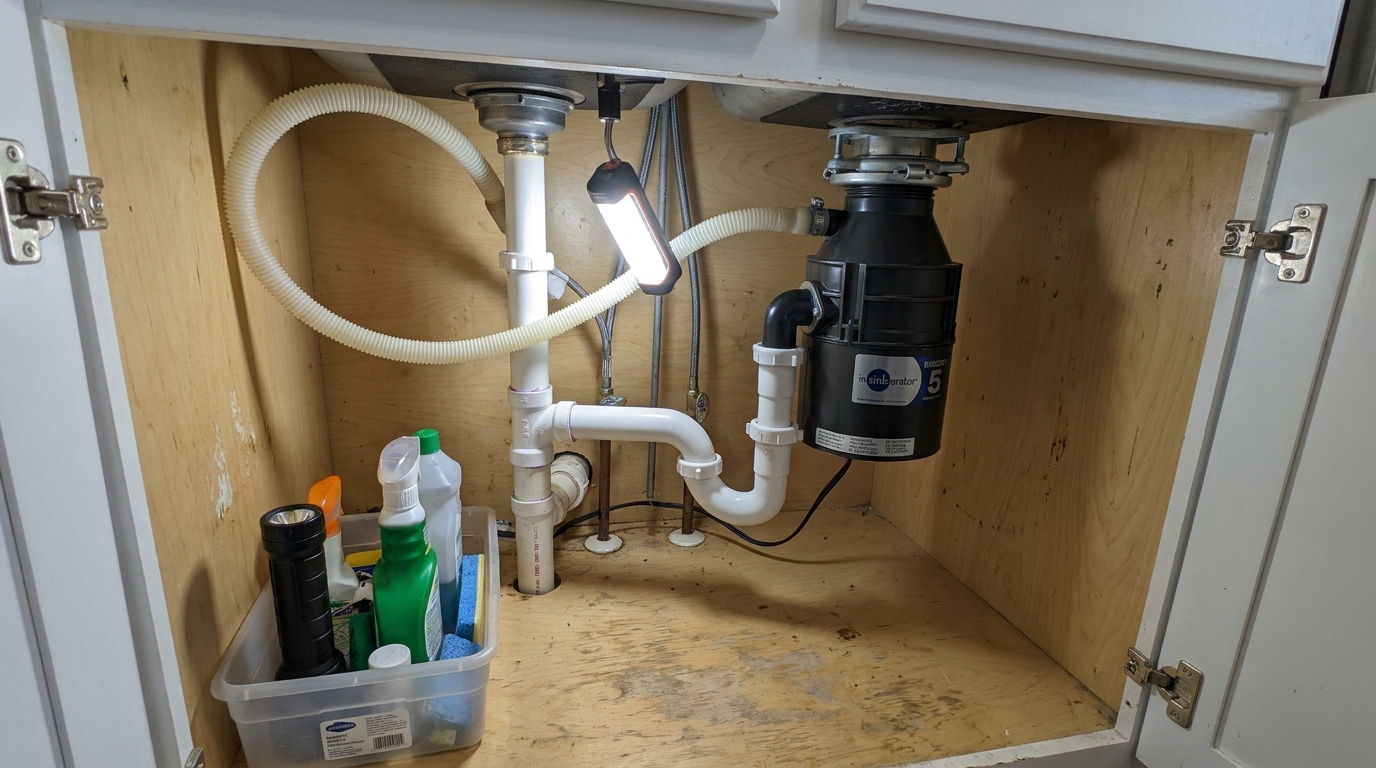
- Check under the sink: Look for a kinked drain hose and confirm the hose has a high loop or air gap.
After any fix, run Cancel/Drain or a short Rinse cycle to confirm the water level actually drops.
If standing water is still there after these, skip ahead to when to stop and call maintenance.
Safety and lease limits
My renter rule: if it requires a screwdriver, moving the dishwasher, or disconnecting plumbing, it’s usually maintenance territory. The checks below stay on the safe side of that line.
- Do: Turn off power at the breaker, unplug (if accessible), remove racks, clean filters, wipe accessible parts, look for obvious hose kinks, run the disposal, clear an air gap cap.
- Do not: Pull the dishwasher out, detach hoses, remove the toe-kick panel if it’s screwed in, open the motor area, or use chemical drain cleaners.
- Never use drain cleaner: It can damage hoses and seals, and it’s a common “please don’t” in leases.
If you see water leaking under the sink or on the floor, stop and call maintenance. Standing water inside the tub is annoying. Water where it should not be is urgent.
Step 1: Run a real drain
Sometimes the dishwasher is fine, but it ended mid-cycle due to a brief power blip or a door that did not fully latch.
What to do
- Press Cancel or Cancel/Drain. Many models run the drain pump for 60 to 120 seconds. Some require you to hold the button 2 to 3 seconds.
- Listen: you should hear a steady humming or whooshing sound.
- If nothing happens, do a quick reset: unplug (if accessible) or flip the breaker off for 1 to 5 minutes, then try Cancel/Drain again.
If the drain pump runs but the water level does not change, move to the next steps.
Step 2: Clean the filter
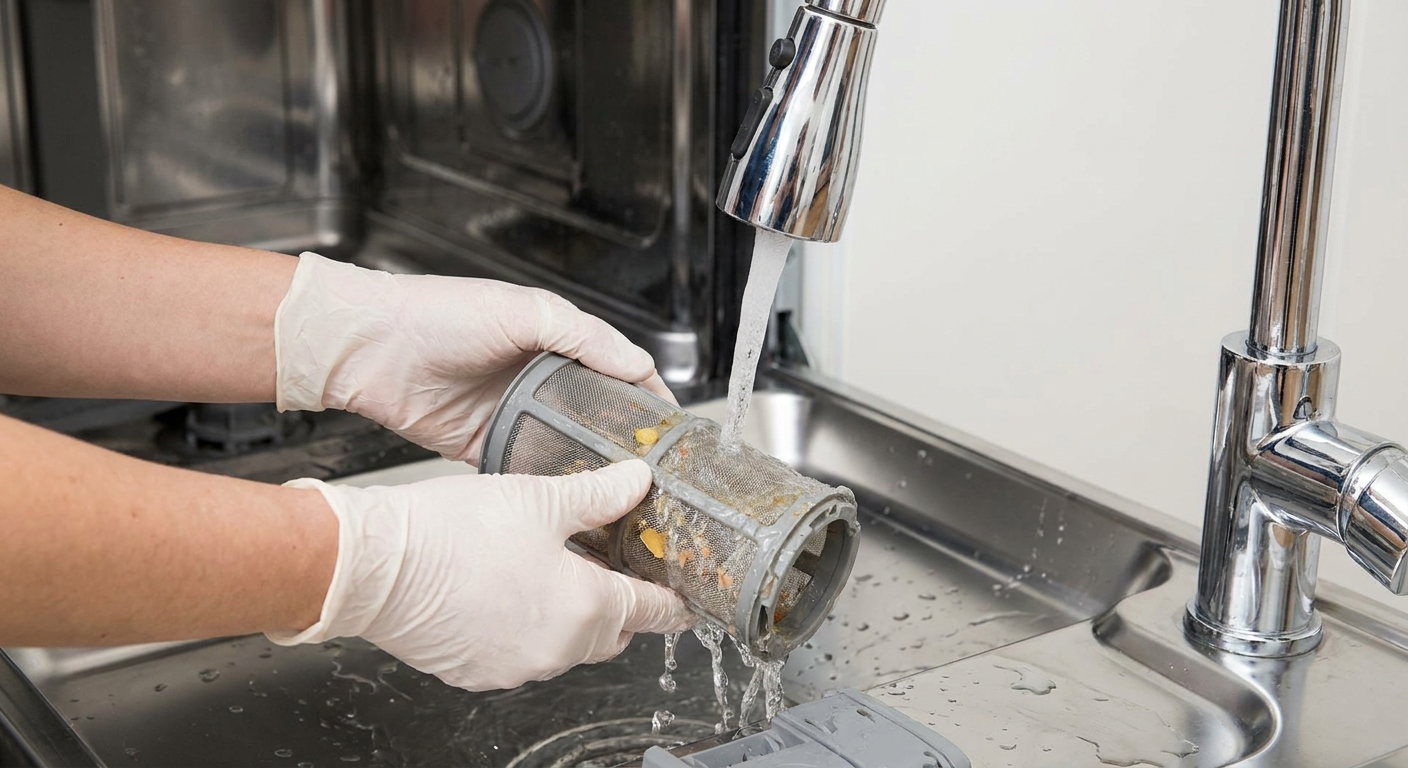
This is the most common fix in real rental kitchens. Think of the filter as the lint trap of your dishwasher. When it clogs, water can’t move out efficiently, and the tub starts holding onto it.
What to do
- Pull out the bottom rack.
- Find the filter at the bottom. Many twist to unlock.
- Rinse under hot water. Use a soft brush or old toothbrush for the mesh.
- Wipe out the area underneath the filter carefully. Watch for glass shards.
- Reinstall the filter snugly. A loosely seated filter can contribute to performance issues (including noise and sometimes poor draining).
What you’re looking for
- Food bits, stickers from produce, popcorn kernels, broken glass, paper labels, and tiny plastic pieces.
- A slimy film that seems innocent but blocks flow like a clogged scarf in a drain.
Then run Cancel/Drain or a short Rinse to re-test.
Step 3: Check the sink and disposal
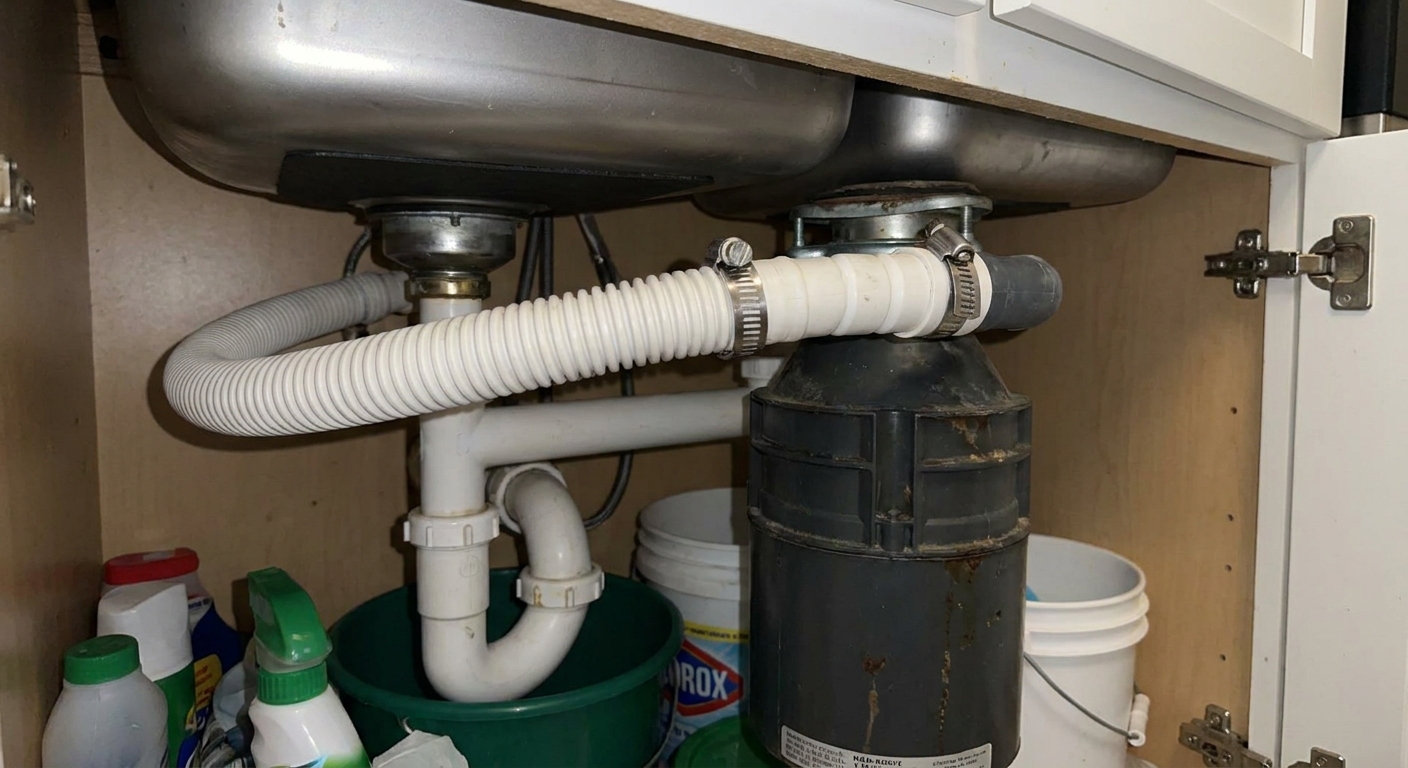
In many rentals, the dishwasher drains through a hose into the garbage disposal or the sink’s drain pipe. If the disposal is jammed or the sink drain is slow, the dishwasher cannot push water out.
Quick triage
- If the sink is backing up too, it is likely a sink drain issue. Put that in your maintenance request.
- If the sink drains fine but the dishwasher still won’t drain, it is more likely a dishwasher-side blockage, hose routing issue, or a pump problem.
If you have a garbage disposal
- Run the disposal for 10 to 15 seconds with water running.
- Then run the dishwasher Cancel/Drain again.
New install clue: the knockout plug
If the dishwasher was recently installed or replaced and it never drained properly from day one, the disposal may still have the knockout plug in place. That plug must be removed during install. This is not a renter DIY moment because it involves detaching the hose. Take a photo under the sink and call maintenance.
Step 4: Check the drain hose
This is the “it’s so simple it’s rude” fix. If the drain hose is kinked, crushed by cleaning supplies, or sagging into a low spot, water can get trapped and backflow into the dishwasher.
What to do
- Open the cabinet under the sink.
- Find the dishwasher drain hose. It is usually a flexible corrugated hose.
- Gently straighten obvious kinks.
- Move any stored items that are pinching the hose.
Do not disconnect anything. Just relieve pressure and re-test drain.
Step 5: Check the high loop or air gap
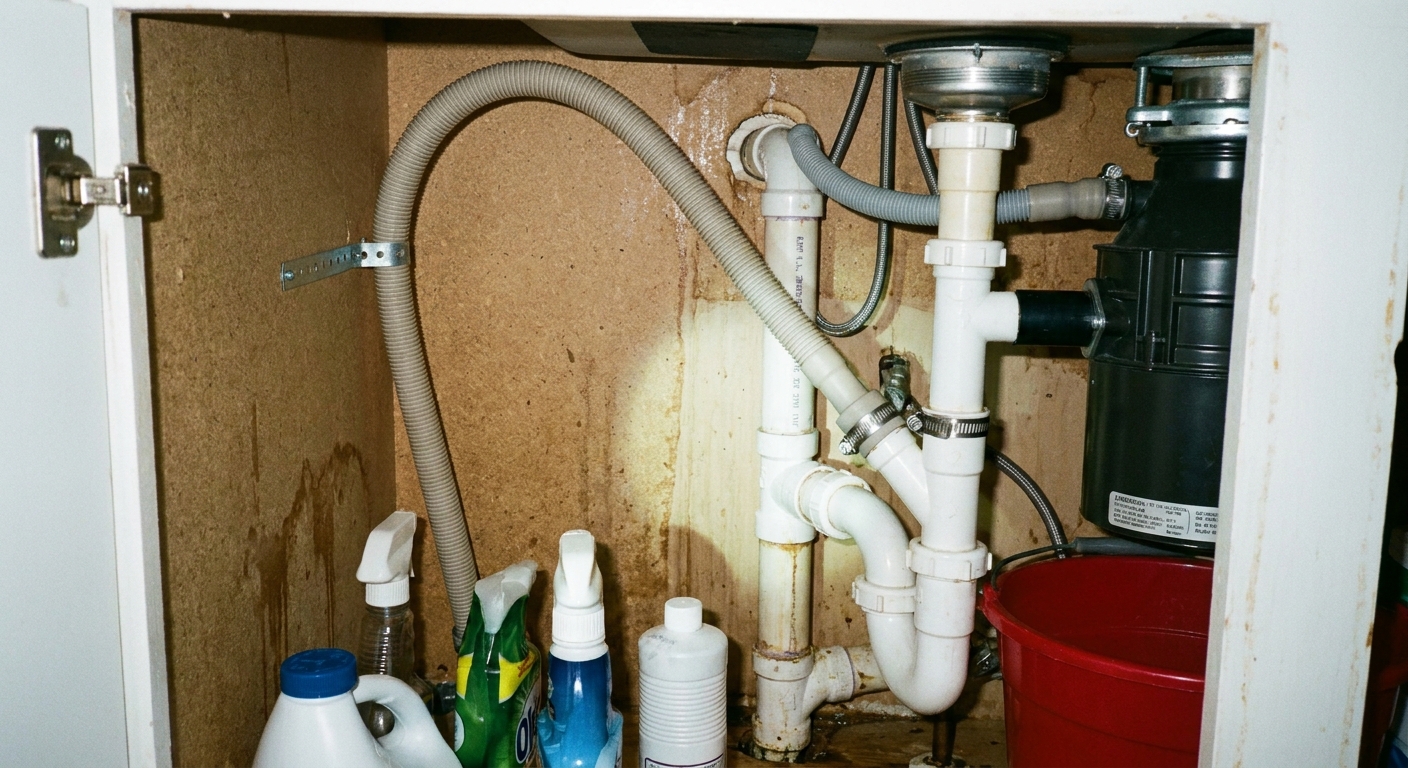
Your dishwasher drain line needs either a high loop or an air gap to prevent dirty sink water from flowing back into the dishwasher. In rentals, I often see a drain hose that droops like a sleepy vine. That droop can contribute to standing water and funky backflow.
Note: Codes vary. Some jurisdictions require an air gap even if a high loop exists. If you are not sure what your building requires, do not modify plumbing. Ask maintenance.
High loop: what it should look like
- The drain hose arcs up as high as possible under the countertop, then back down to the disposal or drain connection.
- Ideally it is secured with a strap or clip, not just hanging.
Renter-safe move: If the hose is clearly sagging and there is an existing hook, clip, or zip tie you can re-seat it into, do that. If it would require installing hardware, leave it and ask maintenance.
Air gap: what it is and how to check it
An air gap is the small metal or plastic cylinder on the sink or countertop, often near the faucet. If it clogs, your dishwasher may drain poorly or spit water into the sink.
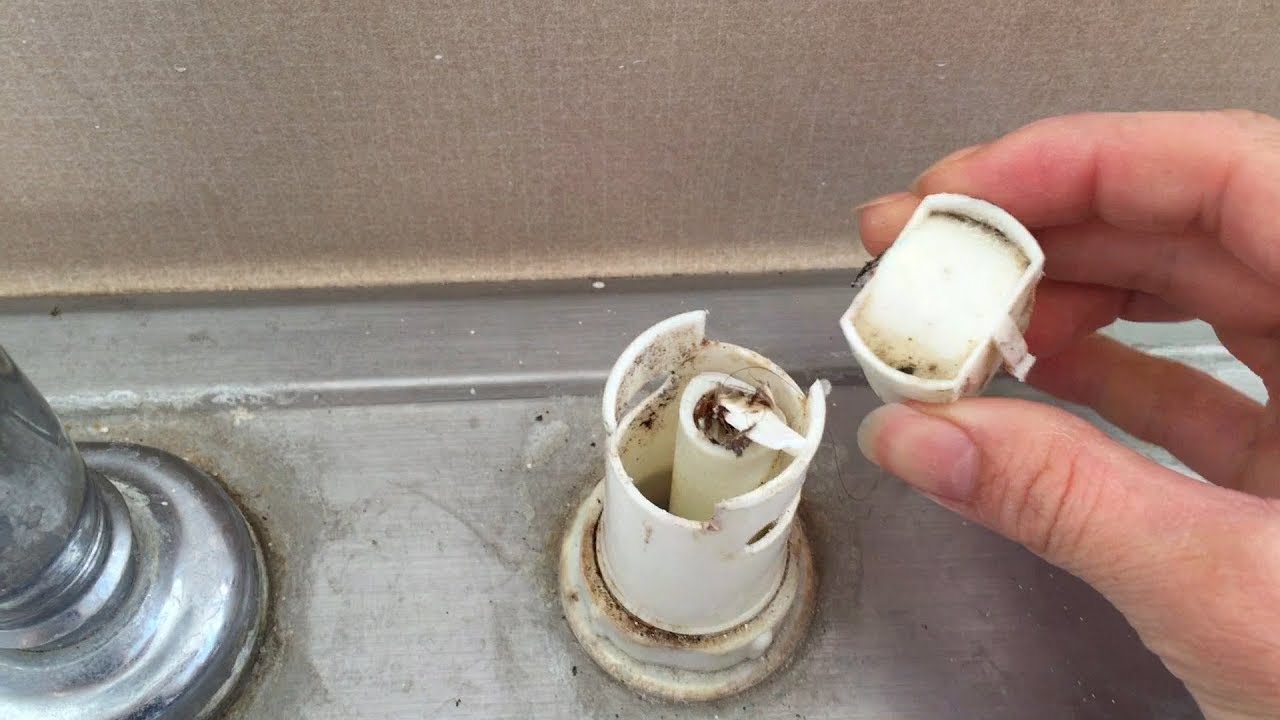
- Pop off the air gap cap.
- Look inside for gunk.
- Rinse the cap and clear debris you can reach with a small brush.
- Re-seat the cap and try Cancel/Drain.
Step 6: Check the drain port
If the filter is clean but water still sits, the next most common culprit is a small obstruction right at the drain port or a little flap-style check valve near it. You are not doing surgery here. You are just checking what you can see and safely reach.
What to do
- Scoop out standing water with a cup or ladle into a bucket, then blot the rest with towels.
- With the tub mostly dry, look closely at the drain opening area for debris caught at the entrance.
- Remove any visible bits by hand while wearing gloves.
Avoid poking tools into holes you cannot see into. A tiny shard of glass is one thing. Damaging an internal valve is another.
Reassemble everything and run Cancel/Drain or a short Rinse to confirm.
Photos to take for maintenance
If you need to escalate, a few quick photos can save you days of back-and-forth. It also helps you communicate clearly without having to memorize plumbing vocabulary.
- Photo inside the dishwasher showing the standing water level.
- Close-up of the filter area with the filter removed.
- Under-sink wide photo showing the drain hose path.
- Close-up where the dishwasher hose connects to the disposal or drain pipe.
- If you have an air gap, a photo of it next to the faucet.
- If there is a drain error code or blinking light pattern, take a clear photo of the panel.
When to stop and call maintenance
I love a confident DIY moment, but I love a protected security deposit more. Stop your troubleshooting and put in a maintenance request if any of the following are true:
- The dishwasher won’t drain after filter cleaning and a Cancel/Drain attempt.
- You suspect a disposal knockout plug was never removed (especially after a recent install).
- You see leaks under the sink or water on the floor.
- The dishwasher makes a loud grinding sound during drain, or the pump sounds strained.
- The breaker trips repeatedly or you smell burning plastic.
- You would need to disconnect hoses or pull the dishwasher out to go further.
What to say in your request
Copy and paste this and fill in the blanks:
“Dishwasher is not draining. Standing water remains in the bottom after running Cancel/Drain (held button for ___ seconds). Filter has been cleaned and drain port checked for visible debris. Sink drains [normally / slowly / backs up]. Garbage disposal was run (if applicable). Under-sink drain hose is not kinked, and there is / is not a high loop or air gap present. Control panel shows error code / blinking lights: ___. Photos attached.”
Prevent the next swamp
Once it’s draining again, a few small habits keep things smooth, especially in older rentals where plumbing is a little temperamental.
- Scrape big stuff: Not sparkling clean, just get the chunky bits off.
- Clean the filter monthly: Set a calendar reminder. It takes two minutes.
- Run hot water at the sink for 30 seconds before starting the dishwasher in winter or in drafty buildings.
- Skip the stickers: Pull produce labels off containers and jars before loading.
If your dishwasher drains but smells off, that is a different problem with a different set of fixes. This page is just for standing water and drainage issues.