Deodorize a Used Couch in 48 Hours

Clara Townsend
Clara Townsend is an interior stylist, vintage furniture enthusiast, and the creative voice behind Velvet Abode. With over a decade of experience transforming both cramped city apartments and sprawling fixer-uppers, she believes that a beautiful home is built on personal stories rather than massive budgets. When she isn't hunting for the perfect brass sconce at a local flea market, she can usually be found rearranging her living room for the third time this month.
The first time you sit on a used couch should feel like a small victory. Instead, it’s often a little… scented. Maybe it’s thrift-store sweetness. Maybe it’s old-house must. Maybe it’s unmistakably smoke. Whatever it is, you don’t have to live with it, and you don’t have to drench your sofa in a dozen products to fix it.
This is your 48-hour game plan, written for real homes with real schedules. We’ll identify what you’re smelling, use low-moisture strategies that won’t leave cushions damp for days, and cover what’s safe to unzip, wash, and treat. I’ll also tell you when it’s time to involve a pro, and what to do if you’re renting and your lease has rules about upholstery cleaning.

Before you start
A quick safety and sanity check before you clean:
- Check the tag and spot test. If you see a care code, follow it. Test any cleaner on the back or underside first for colorfastness and water rings.
- If there’s heavy dust or strong mildew: consider gloves and a mask, open windows, and avoid aggressive dry-brushing that can kick particles into the air.
- Keep kids and pets out of the room while baking soda is sitting on the fabric, then vacuum thoroughly.
- No tag? Assume it’s delicate. Start with vacuuming, airflow, and charcoal only until you’re confident a light wipe-down won’t mark the fabric.
- Asthma or fragrance sensitivity? Skip scented products, choose fragrance-free detergent, and lean on ventilation and charcoal. If anything makes your throat tickle, stop and simplify.
First: what kind of smell is it?
Odor removal works best when you treat the source, not just the air around it. Here’s a quick sniff-test that actually helps you pick the right method.
Smoke (cigarette, cigar, fireplace)
- Clues: the smell hits fast when you press your nose near the arms and back, your hands smell after touching fabric, and the odor blooms in warm sunlight.
- What it is: sticky residues and trapped particles in fabric, foam, and the frame. This is often the most stubborn.
- What helps most: ventilation, dry odor absorbers (like baking soda and charcoal), gentle surface cleaning, and sometimes professional hydroxyl or ozone treatment.
Musty or “stored in a garage”
- Clues: smells earthy, like damp cardboard or basement air, and it’s strongest when cushions are lifted or the couch has been closed up overnight.
- What it is: usually moisture plus trapped dust and sometimes microbial growth (mildew or mold), especially under cushions and along the underside.
- What helps most: airflow, dehumidifying, and low-moisture wipe-downs where appropriate.
Mold note: If you see visible mold, widespread black spotting, or the musty smell is intense and persistent, don’t keep disturbing it with vacuuming or brushing. That’s a good moment for professional evaluation.
Perfume masking (air freshener, fabric spray, detergent)
- Clues: a sweet or sharp “clean” smell that sits on top of the fabric, sometimes making your throat tickle, and often strongest on removable cushion covers.
- What it is: fragrance oils and softeners clinging to fibers. These can trap other odors underneath.
- What helps most: time plus dry absorption (baking soda or activated charcoal), plus a mild wash of removable covers if the care label allows.
Note: This article is about secondhand couch smells from previous homes. If your couch is brand new and smells chemical or plasticky, that’s usually off-gassing from manufacturing, which is a different issue. And if the smell is clearly pet urine, you’ll want pet-specific enzyme saturation and extraction methods that go deeper than what we’re doing in the first 48 hours.
Your first 15 minutes
Before you start spraying anything, do a calm, methodical check. It keeps you from pushing odor deeper with moisture.
- Find the hot spots. Smell the arms, the back, under the cushions, and the underside dust cover. Most odor hides where air doesn’t move.
- Look for dampness or stains. If you see active moisture, treat this like a drying problem first.
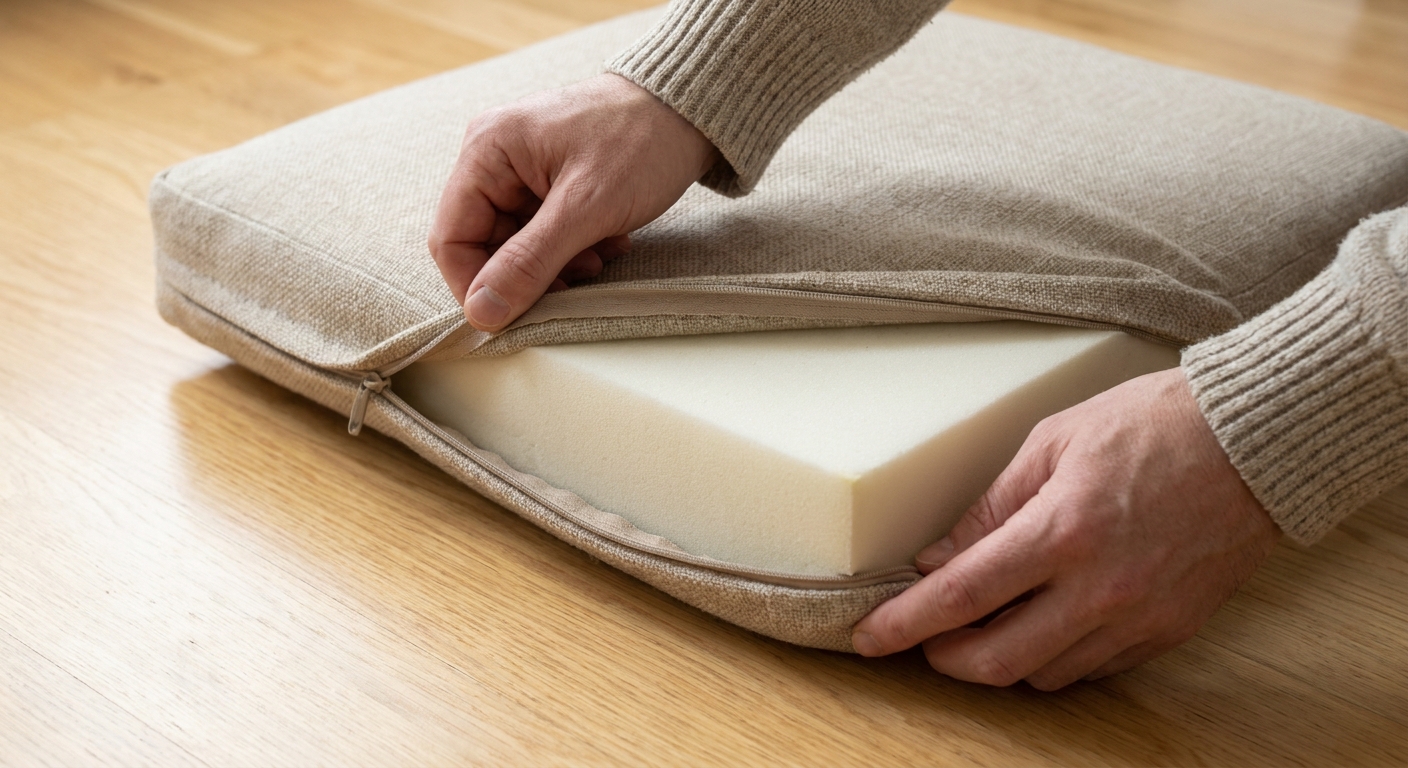
- Check for tags and zippers. Look for a care label on cushion covers. If cushions unzip, peek inside and identify foam, fiberfill, or down blend.
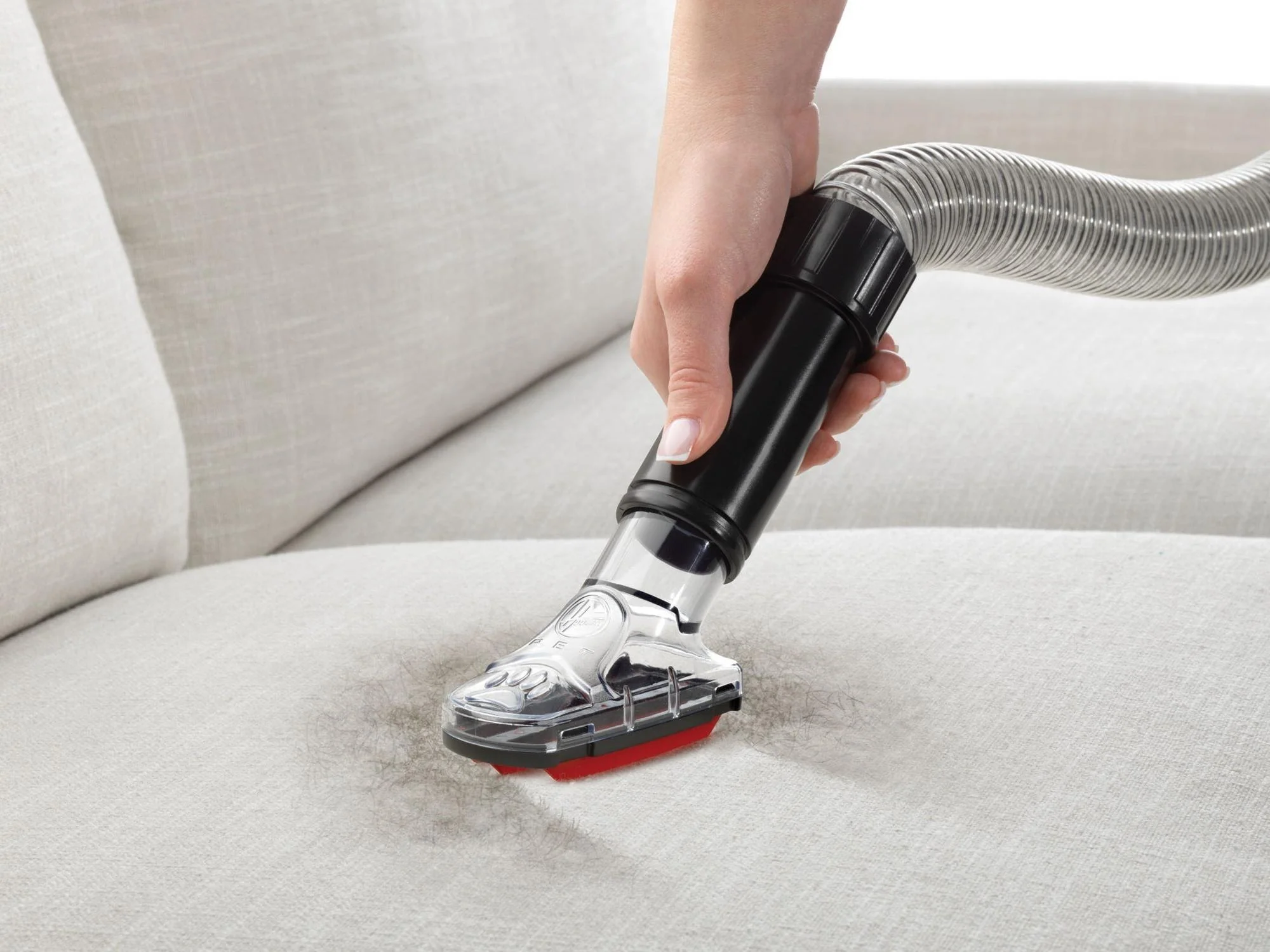
- Vacuum immediately. Use an upholstery attachment and go slowly. Dust and crumbs hold smell like a sponge.
The 48-hour plan
Hours 0 to 6: airflow and dry absorption
If you do nothing else today, do this part. It’s the safest and it makes every next step work better.
- Ventilate like you mean it. Open two windows for cross-breeze. Add a box fan pointing out one window to push stale air out.
- Lift and separate. Remove all loose cushions. Stand them on edge so air can reach all sides. If you can, pull the couch 6 to 12 inches from the wall.
- Dehumidify if it’s musty. Run a dehumidifier in the room or crank AC. Musty odors love humidity.
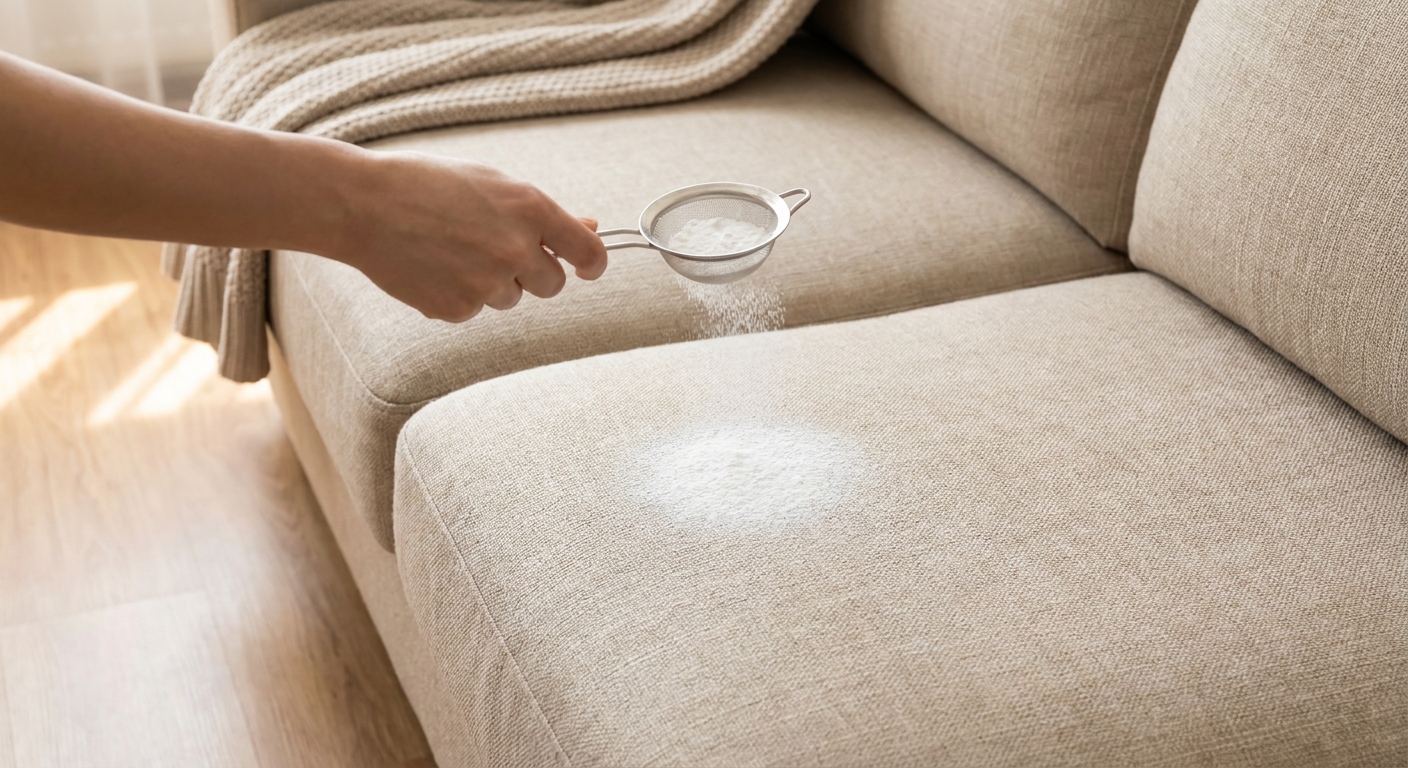
- Use a dry odor absorber. Sprinkle a thin, even layer of baking soda on fabric surfaces and the tops of cushions. Let it sit 4 to 6 hours, then vacuum thoroughly. Baking soda can help absorb some odors and oils near the surface, but it won’t magically reach deep into foam.
- Go low-mess with charcoal. Place activated charcoal bags under cushions, behind the couch, and near the underside. Leave them for 24 to 72 hours, then refresh or replace per the product directions.
Tip from my styling toolkit: Baking soda works best when it can actually touch fibers. If the fabric is heavily textured or hairy (bouclé, chunky chenille), go lighter and vacuum more slowly so you don’t leave a dusty film.
Hours 6 to 24: low-moisture surface refresh
Now that you’ve reduced the air part of the odor, you can tackle surface residue. If your tag is W or WS and you’ve spot-tested, start here.
Option A: gentle soap-and-water wipe
- Mix 1 teaspoon clear dish soap into 2 cups warm water.
- Dampen a white microfiber cloth, then wring until very little water transfers.
- Blot and wipe in small sections, especially arms and head-rest zones where skin oils build up.
- Follow with a second cloth dampened with plain water to remove soap residue.
- Dry immediately with a fan aimed at the area.
Option B: vinegar-water wipe (for musty smells)
- Mix 1 cup white vinegar with 2 cups water.
- Spot test first for colorfastness and finish changes.
- Lightly blot the worst musty areas, then fan-dry.
Important: Don’t use vinegar on leather, suede, or some performance finishes without testing. Also, never mix vinegar with bleach-based products.
Option C: fabric-safe enzyme spray (use with realistic expectations)
If the smell reads as body oils, old spills, or general lived-in funk, an enzyme spray can help. Enzymes work best when they reach the actual organic source and get enough dwell time. In the first 48 hours, you’re intentionally avoiding saturation, so results may be limited for deep odors trapped in foam.
Mist lightly, don’t soak, and give it the contact time recommended on the label. If the odor is truly embedded (sour, urine-like, old spill that lives in the cushion), a pro treatment with deeper application and proper extraction is usually the real fix.
Cushions and zippers
This is where most secondhand couch victories happen. It’s also where people accidentally shrink covers, distort inserts, or trap moisture inside foam. Here’s the safest way through.
Step 1: read the care label
- W: water-based cleaning is generally okay.
- S: solvent-based cleaning only. Avoid DIY wet cleaning. Consider a professional.
- WS or SW: usually tolerant, still spot test.
- X: vacuum only. No water, no solvents.
If the label says dry clean only or gives manufacturer-specific instructions, follow those. When in doubt, keep it dry and gentle.
Step 2: if covers are removable, wash thoughtfully
- Zip off and photograph. Take a quick photo of how the cover sits on the insert so you can re-fit it easily.
- Wash cold, gentle, inside out. Use a fragrance-free detergent. Skip softener, which can lock in perfume smells.
- Air dry, or low heat only if the label allows. Heat is a common culprit for shrinkage.
- Reinstall slightly damp only if you can dry fast. Many pros put covers back on when barely damp to reduce wrinkles, but only do this if you’ve got strong airflow and low humidity. Otherwise, fully air dry first.
Step 3: treat inserts without soaking them
Foam is odor’s favorite hiding place, and it also hates being wet.
- Deodorize dry first. Sprinkle baking soda on foam lightly, let sit 1 to 2 hours, then vacuum with a brush attachment.
- Sun and air, but not all day. A couple hours of indirect sun and fresh air can help musty foam. Avoid harsh midday sun on delicate fabrics and don’t let foam sit outside if it’s humid.
- If foam smells deeply smoky or sour: replacement inserts may be the most effective fix, especially if the couch is otherwise a great frame.
Material notes
Most woven upholstery
Vacuum, baking soda, charcoal, and light wipe-downs are usually safe. Avoid over-wetting, because water can carry old odors deeper and can leave tide marks.
Velvet and velour
Go extra low-moisture. Vacuum gently in the direction of the nap, use a barely damp cloth for spot testing only, and rely more on charcoal and airflow. A handheld garment steamer can help lift odor on some velvets, but use it cautiously and never linger in one spot.
Leather
Skip baking soda directly on the surface if it feels drying or abrasive. Focus on ventilation and a leather cleaner followed by a conditioner. Smoke odor in leather may require professional treatment because it can settle into the finish and seams.
Vintage surprises
If the couch is genuinely old, be mindful of what’s inside. Some older pieces have fragile batting, dust, or degraded foam. If you open the dust cover and see excessive crumbling material, dark spotting, or a strong mildew smell, pause and consider professional assessment.
Don’t do this
- Don’t saturate cushions with water or vinegar. Wet foam dries slowly and can turn musty fast.
- Don’t use heavy fragrance sprays to cover odor. You end up with perfume plus smoke, which is truly a design crime.
- Don’t sprinkle baking soda into deep crevices and forget it. It can cake and be hard to remove, especially on textured fabrics.
- Don’t use chlorine bleach on upholstery. It can discolor and damage fibers, and it’s unsafe to mix with other cleaners.
- Don’t close the room up tight. Odor removal is part chemistry, part airflow. You need both.
Frame and underside odors
Sometimes the smell isn’t just in the fabric. Smoke and must can live in the frame and underside, too.
- Vacuum the underside dust cover gently using the upholstery tool.
- If there’s exposed wood you can reach, wipe it lightly with a barely damp cloth (water only) and dry right away with airflow.
- Charcoal placement matters. Tuck charcoal bags under the couch and behind it so they can work on what’s trapped around the frame.
When to call a pro
Sometimes the kindest thing you can do for yourself is hand it off. Consider professional help if:
- Smoke odor remains strong after 48 hours of ventilation and dry absorption.
- Musty odor returns every morning, especially after running heat or AC.
- You see signs of mold or widespread staining.
- The tag says S or X and you can’t safely do a wet clean.
- It’s still strong after 5 to 7 days of consistent airflow plus charcoal, which usually means it’s embedded in foam or frame.
When you call, ask specifically:
- Whether they have experience with smoke odor in upholstery.
- Whether they use hot water extraction (deep cleaning) and how they ensure cushions dry quickly.
- If they offer hydroxyl treatment (often marketed as safer for occupied homes) or ozone treatment (effective, but the space should be unoccupied during treatment and aired out afterward).
Ozone caution: Ozone shouldn’t be used around people, pets, or plants, and it can degrade rubber and some materials over time. This is one to leave to trained pros who follow safety protocols.
Rental note: If you’re a tenant, check your lease before booking ozone treatments or any service that requires leaving the unit. Some landlords have strict rules about equipment and odors spreading into shared ventilation.
48-hour checklist
- Day 1, morning: Vacuum thoroughly, remove cushions, start cross-ventilation.
- Day 1, midday: Baking soda on fabric surfaces, charcoal bags behind and under.
- Day 1, evening: Vacuum up baking soda, light wipe-down on touch zones, keep fans running.
- Day 2, morning: If covers are washable, launder fragrance-free on cold and air dry. Rotate cushions and continue airflow.
- Day 2, evening: Sniff test. If odor is still clearly smoke or deeply musty, plan for professional help or cushion insert replacement.
Quick FAQ
How long does it take for a used couch smell to go away?
Light old-home or perfume smells often improve noticeably in 24 to 48 hours with ventilation plus baking soda or charcoal. Smoke and deep must can take longer and sometimes require professional treatment or replacement inserts. If it’s still strong after a week of consistent effort, it’s probably living in the foam or frame.
Does baking soda really deodorize upholstery?
It can help absorb some odors and oils near the surface, especially in fabrics. It’s less effective on odors embedded deep in foam or wood framing, which is why airflow, charcoal, and targeted cleaning matter.
Will steam cleaning fix it?
Steam cleaning can help with some odors, but it also introduces moisture. If you can’t dry the couch quickly and completely, you risk creating a mustier problem. For smoke odor, steam cleaning alone may not be enough.
If you want the Velvet Abode version of encouragement: you didn’t make a bad purchase just because it smells a little like someone else’s life. Give it 48 hours of fresh air, gentle cleaning, and dry odor absorption. Most secondhand couches just need a reset to become yours.