Clip-On Lampshade Keeps Falling Off

Clara Townsend
The first time a clip-on shade popped off in my apartment, it did it with the confidence of a champagne cork. One minute everything looked softly lit and charming. The next, the shade was dangling at an angle like it had given up on me personally.
If your clip-on lampshade keeps falling off a chandelier bulb or sconce, you are not alone and you are not cursed. Clip-on shades are simple, but they are picky. They behave best when the bulb shape, clip tension, and heat are all in the sweet spot.
Why clip-on shades slip
A clip-on fitter is meant to grip the bulb glass or a candle sleeve right around the bulb, depending on the shade design. Some clips hug the glass envelope directly. Others are shaped to sit on a sleeve or a narrower neck. Either way, when a shade falls, it is almost always one of these issues.
- The bulb is the wrong shape or finish. Many modern LED bulbs are smooth-sided and narrow, so there is not much for the clip to bite onto. Some LEDs have molded necks or slightly grippy coatings and those tend to behave better.
- The clip lost tension over time. Spring metal can lose its “snap” after years of heat cycles and gentle tugging during cleaning.
- The shade is too heavy or too deep for the clip style. A heavier fabric, trim, or a tall drum shade can lever the clip right off the bulb.
- Vibration is shaking it loose. Doors slamming, ceiling fans, or a wobbly chandelier arm can slowly walk a shade off the bulb.
- Heat is reducing grip. Too-hot bulbs can make the clip expand slightly in the moment, and repeated overheating can weaken the spring tension over time.
Check fit and size first
If you want the easiest fix with the least drama, start with fit. Clip-ons are most reliable on torpedo and flame-tip chandelier bulbs that have a clear taper for the clip to catch.
Also, clip-on shades are often made for specific bulb diameters. A clip meant for a slim candelabra bulb can feel stubborn on a thicker bulb, and a clip meant for a thicker bulb can slide on a slimmer LED.
How to measure
- Turn the light off and let the bulb cool completely.
- Measure the bulb where the clip actually sits (usually the narrower neck area, not the widest part). A simple ruler or caliper works.
- Compare that measurement to your shade’s intended bulb type (B10, B11, CA10, flame tip) and any diameter guidance from the shade maker.
If you cannot find sizing info anywhere and the clip feels loose on every bulb you try, it is often faster to swap the shade for one that matches your bulb type than to keep improvising.
Bulbs that often slip
- Globe bulbs (round). The clip has nowhere to settle and can rotate or slide.
- Short, straight-sided LED chandelier bulbs. Many are nearly the same diameter from base to tip, so the clip cannot find a seat.
- Oversized decorative bulbs. The shade may technically clip on, but the angle forces the fitter to splay open.
Bulbs that grip better
- B10 or B11 chandelier bulbs (common in sconces and chandeliers)
- CA10 torpedo bulbs (the gently tapered candle look)
- Flame-tip bulbs if your shade is designed for them and clearance is safe
If you are shopping for LEDs, look for chandelier-style bulbs that still have a tapered profile instead of a straight plastic column. That taper is your clip-on shade’s best friend.
Fix 1: tighten the clip safely
If your shade used to stay on and now it does not, the clip likely spread a bit. You can usually bring it back, as long as you do it in small moves.
What you need
- A soft cloth
- Your hands, or rubber-coated gloves for grip
- Optional: needle-nose pliers (used gently)
How to do it
- Turn the light off and let the bulb cool completely.
- Remove the shade. Hold it close to the clip so you are not bending the frame.
- Slightly pinch the two sides of the clip toward each other. Think tiny adjustment, not crush it.
- Test fit. Clip it back on and give the shade a very gentle wiggle. You want firm, not strained.
Pro tip: If you use pliers, wrap the clip with a cloth first so you do not scar the metal. Scratches are not just cosmetic. They can create sharp points that snag fabric or weaken the clip further.
Do not over-bend it. If you go too far, you can fatigue the metal and end up with a clip that never holds quite right again.
Fix 2: add a grippy buffer
If the clip is technically tight but still slides on a smooth LED bulb, a thin buffer can add friction. This is the fix that tempts people into creative chaos, so here is the safe lane.
Good buffer options
- High-temp silicone bulb grip sleeves made for lighting accessories
- High-temperature silicone tape rated for the temperatures your bulb surface can reach, applied only where the clip sits
The goal is subtle friction, not bulk. Avoid anything that creates a thick ridge that forces the clip open.
Important safety note: Only use materials that are explicitly rated for high heat, and only on the part of the bulb where the shade manufacturer intends the clip to sit. Do not cover ventilation openings, do not wrap the bulb base or heat sink, and stop immediately if you notice odor, softening, slipping, or discoloration. When in doubt, skip the buffer and switch to a better-matched bulb or shade.
What not to use
- Standard rubber bands. They dry out, get sticky, and can fail from heat.
- Electrical tape. Adhesive can soften with warmth and slide.
- Foam, felt, or fabric scraps. They can be a heat risk near a bulb.
- Glue, epoxy, or hot glue. Adhesives can soften, off-gas, or make future bulb changes miserable. If you have to glue a lampshade to a bulb to keep it on, the fit is wrong.
Fix 3: balance the pull
Sometimes the issue is not the clip, it is the way the shade’s weight is pulling. If the shade’s center of gravity sits forward or off to one side, it acts like a tiny lever, prying the clip open a little at a time.
Quick checks
- Is the shade level? If it tilts, the clip may be slightly twisted. Gently straighten it so the shade hangs evenly.
- Is the frame warped? A bent wire frame can shift the center of gravity forward and pry the clip loose.
- Is the clip placed correctly on the bulb? Many clip-ons are designed to sit at a specific point on the bulb, not all the way down near the base.
If your shade has a little tail of weight, like trim or fringe, rotate the shade so the heaviest part is not pulling forward. Tiny adjustments can make a surprising difference.
Fix 4: reduce heat
Clip-on shades and hot bulbs are a messy combo. Heat can weaken the clip and also damage the shade material over time.
Safer bulb choices for clip-on shades
- LED bulbs (often cooler at the glass than incandescent, but some LED bases and heat sinks can still run hot)
- Lower wattage equivalents, especially in tight shades or enclosed fixtures
- Chandelier LEDs that mimic the classic slender, tapered profile
One caveat, and it matters: LEDs can be cooler where your shade and clip touch the glass, but the base area can still get quite warm. Clearance and ventilation still matter, especially in enclosed fixtures.
If you are using incandescent bulbs with clip-on shades, be extra cautious. Many clip-on shades, especially small fabric ones on sconces, were never meant to roast next to a high-watt bulb.
Rule of thumb: if the shade or clip feels hot to the touch after the light has been on for a while, it is time to switch to a cooler bulb and reassess clearance. Warm glow is lovely. Heat damage is not.
When clip-on is not right
I love a clip-on for a quick style upgrade, especially on older sconces where you want softness without rewiring. But sometimes the setup itself is telling you no.
Rethink it if:
- The bulb points downward. Clip-ons are far more secure when the bulb points up or outward. Downward-facing bulbs invite slipping.
- The fixture gets bumped often. In tight hallways or near frequently used doors, vibration and accidental contact will keep knocking it loose.
- You need a larger, heavier shade. Clip-ons are happiest with petite shades designed for sconces and chandeliers.
- Your bulb must be a smooth specialty shape that leaves the clip with no grip point.
Extra caution setups
- Halogen bulbs. They run very hot. Clip-on shades are generally not recommended with halogen unless the fixture and shade manufacturer specifically rate the setup for that heat.
- Fully enclosed fixtures. Heat buildup is higher, even with LEDs, so be conservative with bulb choice and shade clearance.
- Exposed sockets without sleeves. If your fixture is missing its candle sleeves or insulating parts, do not improvise. The clip should only contact bulb glass or the proper sleeve, not anything that could expose live components.
Why spider shades do not fit
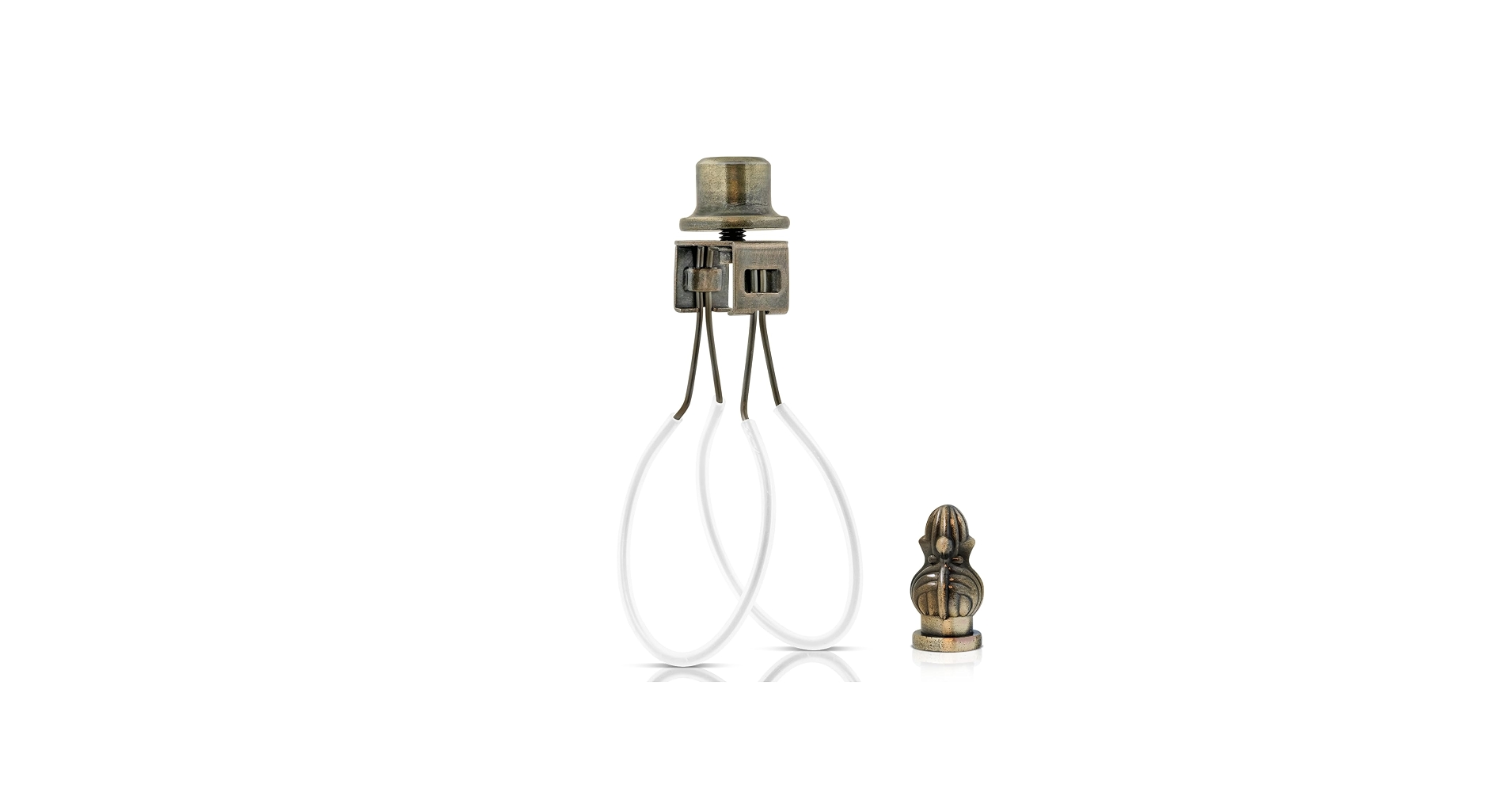
This is the moment where many people think, “Fine, I will just use a regular shade.” Totally reasonable instinct, but a spider fitter shade is designed to sit on a harp and be secured by a finial. Most sconces and chandeliers do not have that structure.
If you try to put a spider shade on a fixture meant for a clip-on:
- There is typically nowhere for the spider to rest, so the shade will sit crooked or not at all.
- You can end up with the shade too close to the bulb, which is a heat and fire risk.
- You may stress the socket or arms of a chandelier trying to make it work.
If you truly want to move away from clip-ons, the right path is usually one of these:
- A shade designed for your fixture type (often another clip-on that better matches your bulb shape and diameter)
- A conversion kit specifically made for sconces or chandeliers, installed according to manufacturer instructions
- Replacing sleeves or adding proper shade holders if the fixture supports it
In other words, it is not that spider shades are bad. It is that they are engineered for a different system.
Troubleshooting
If you are skimming, do this first: turn the light off and let the bulb cool before you adjust anything.
- Shade slides down slowly over days: bulb is too smooth, the clip is slightly loose, or the clip is the wrong size. Try Fix 2 (a heat-rated, minimal buffer) and Fix 1 (a small clip tighten).
- Shade pops off when you turn the light on: the clip may not be fully seated, the bulb shape gives it no stop, or heat expansion is nudging a barely-gripping clip loose. Reseat the shade, try a more tapered bulb, and consider Fix 4 if things are running hot.
- Shade hangs crooked and falls with a tiny bump: clip is twisted or frame is bent. Try Fix 3 first, then Fix 1 if it still feels loose.
- Shade only falls off on one chandelier arm: that socket may be angled differently, vibrating more, or using a slightly different bulb. Try a more tapered bulb on that arm and check that the sleeve and socket hardware are stable.
Safety notes
- Always let bulbs cool before adjusting a clip-on shade.
- Keep shade material away from the bulb. If fabric is touching the bulb, stop and reassess immediately.
- Use LEDs when possible. They are often cooler at the glass, but still check for hot spots at the base and ensure airflow.
- Avoid adhesives and mystery materials near heat. If it can melt, soften, or off-gas, it does not belong by a bulb. Only use products rated for the temperatures at the contact point, and keep them away from the hottest areas and any ventilation.
- Do not force a bad fit. If you have to bend aggressively, wedge things in, or “make it work,” switch the bulb shape or replace the shade with a better match.
FAQ
Can I bend a clip-on holder to make it tighter?
Yes, gently. Small adjustments are best. If you bend too far, you can fatigue the metal or distort the clip so it grips unevenly. Tighten, test, and stop as soon as it holds firmly.
Why does my clip-on shade work on one bulb but not another?
Even bulbs that look similar can have different neck shapes, diameters, and finishes. A slightly slicker coating or a straighter sidewall can be enough to make a clip slip. Matching the shade to a tapered chandelier bulb and the correct clip size usually fixes it.
Is it okay if the clip touches the bulb glass?
That is normal for many clip-on designs, but follow the shade and fixture guidance if you have it. You still want clearance so the shade itself is not pressed up against the bulb. If the clip is discoloring, warping, or getting extremely hot, switch to a cooler bulb and check that the shade is the right size for the fixture.
My sconce bulb points down. Will a clip-on shade ever stay?
Sometimes, but it is the hardest setup for clip-ons. You will need excellent clip tension and a bulb shape that gives the clip a strong seat. If it keeps failing, consider a shade solution designed specifically for downward-facing sconces rather than forcing a clip-on to behave.