Clean Fabric Dining Chairs and Bar Stools

Clara Townsend
Clara Townsend is an interior stylist, vintage furniture enthusiast, and the creative voice behind Velvet Abode. With over a decade of experience transforming both cramped city apartments and sprawling fixer-uppers, she believes that a beautiful home is built on personal stories rather than massive budgets. When she isn't hunting for the perfect brass sconce at a local flea market, she can usually be found rearranging her living room for the third time this month.
If you have fabric dining chairs or upholstered bar stools, you already know the truth: they’re gorgeous for approximately six minutes after dinner. Then come the invisible fingerprints, the little oil mist that floats up from roasting veggies, and the mystery splash you only see when the morning sun hits the seat like a spotlight.
The good news is that dining upholstery doesn’t have to slowly become a crunchy, sour-smelling time capsule. With the right approach for your fabric type and a simple post-dinner routine, you can keep it fresh without turning your kitchen into a chemistry lab.
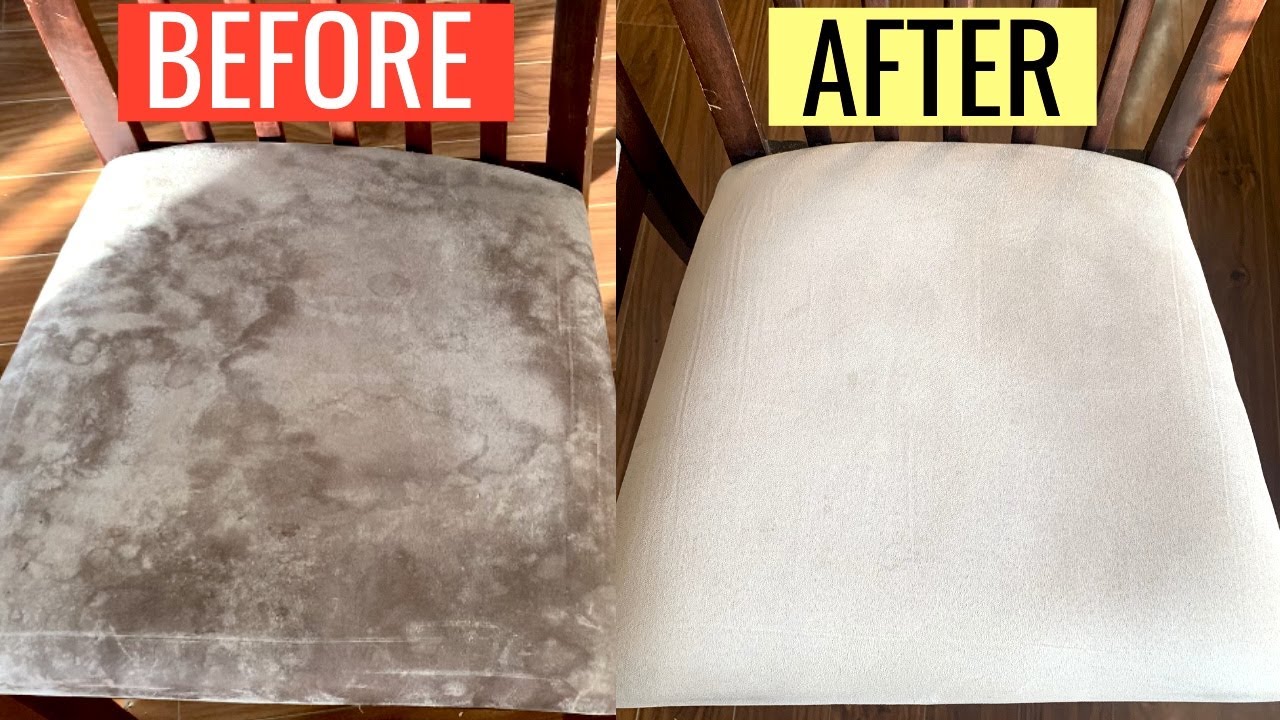
Why dining upholstery gets funky
Most dining chair drama isn’t about the one dramatic spill. It’s about buildup: tiny amounts of oil + crumbs + humidity + time.
- Cooking oils can become airborne. Tiny oil droplets and particles can float around and settle on nearby fabric, especially in small kitchens or when ventilation isn’t great.
- Skin oils add up fast. Bare arms, shorts, and the constant scoot-in-scoot-out motion leave a film you can’t see at first.
- Crumbs feed odor. Tiny food bits work their way into seams, tufts, and weave texture.
- Moisture locks it in. A damp wipe with no follow-up drying can trap smells, especially on foam seats.
Translation: a quick, consistent routine beats heroic deep-cleaning once a year.
Know your seat: textured vs smooth
Textured and woven fabrics
Think bouclé, chunky linen blends, tweed, basketweave, and anything with visible texture. These look dreamy and forgiving, but they’re also crumb magnets. Grease can settle into the tiny valleys of the weave, and wiping can push grime deeper if you get aggressive.
- Best tools: vacuum with upholstery brush, lint roller, soft horsehair brush, microfiber cloth
- Best approach: lift debris first, then blot and spot-clean
Smooth or tight-weave fabrics
Think many cotton blends, microfiber, and velvets with a tight, even pile. These are often easier for day-to-day maintenance because crumbs sit on top and wipes actually remove grime instead of smearing it around.
- Best tools: microfiber cloth, gentle dish soap solution, soft brush for seams
- Best approach: quick wipe, then dry
Performance fabric (it varies)
Performance upholstery can be smooth or textured. The magic is usually in the finish or fiber, not the weave. Always check the brand’s care instructions and your cleaning code tag before you treat it like it’s bulletproof.
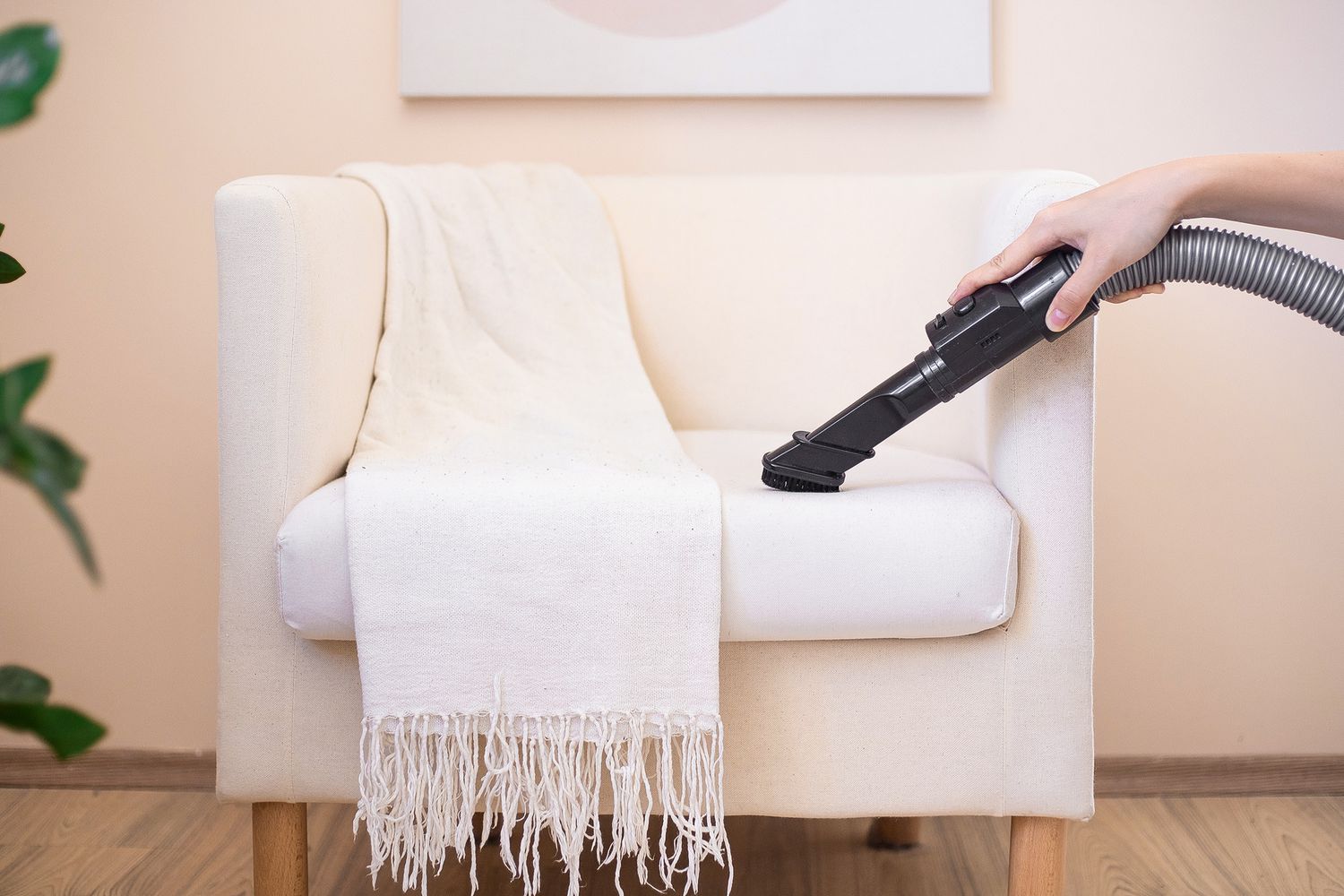
The 2-minute post-dinner routine
I’m a big believer in routines you can do while the kettle heats up. Here’s the no-drama version.
Before you start: peek for a care tag under the seat or cushion. Only do the damp wipe below on W or WS fabrics. If your tag says S (solvent only) or X (vacuum only), skip water and jump to the cleaning code section. When in doubt, patch test on a hidden spot and let it dry completely.
Step 1: Dry sweep the seat
- For textured/woven: vacuum lightly with an upholstery brush or use a lint roller for quick crumb pickup.
- For smooth/tight: a quick handheld vac pass or a dry microfiber cloth works.
Step 2: Quick wipe for oils (W/WS only)
Mix a small bowl of warm water with one drop of gentle dish soap. Dip a microfiber cloth, wring it out hard, and wipe the seat surface. You want “barely damp,” not “just mopped the floor.” If you’ve got hard water or you’re prone to water rings, distilled water helps.
Extra caution fabrics: some velvets, rayon/viscose blends, and certain linens can watermark or change texture with water. If that’s your seat, stick to dry methods or follow the manufacturer’s instructions to the letter.
Step 3: Dry it on purpose
Use a second dry cloth to buff away moisture. If your seats tend to hold odor, point a small fan toward the chairs for 10 minutes while you clean up the kitchen. Keep airflow gentle and skip heat blasts. No hair dryer experiments unless the manufacturer specifically says it’s safe.
That’s it. The goal is to remove oils before they break down and start smelling stale.
First aid for spills
The first minute is where you win or lose. The rule: blot, don’t rub. Rubbing spreads the stain and can fuzz the fabric.
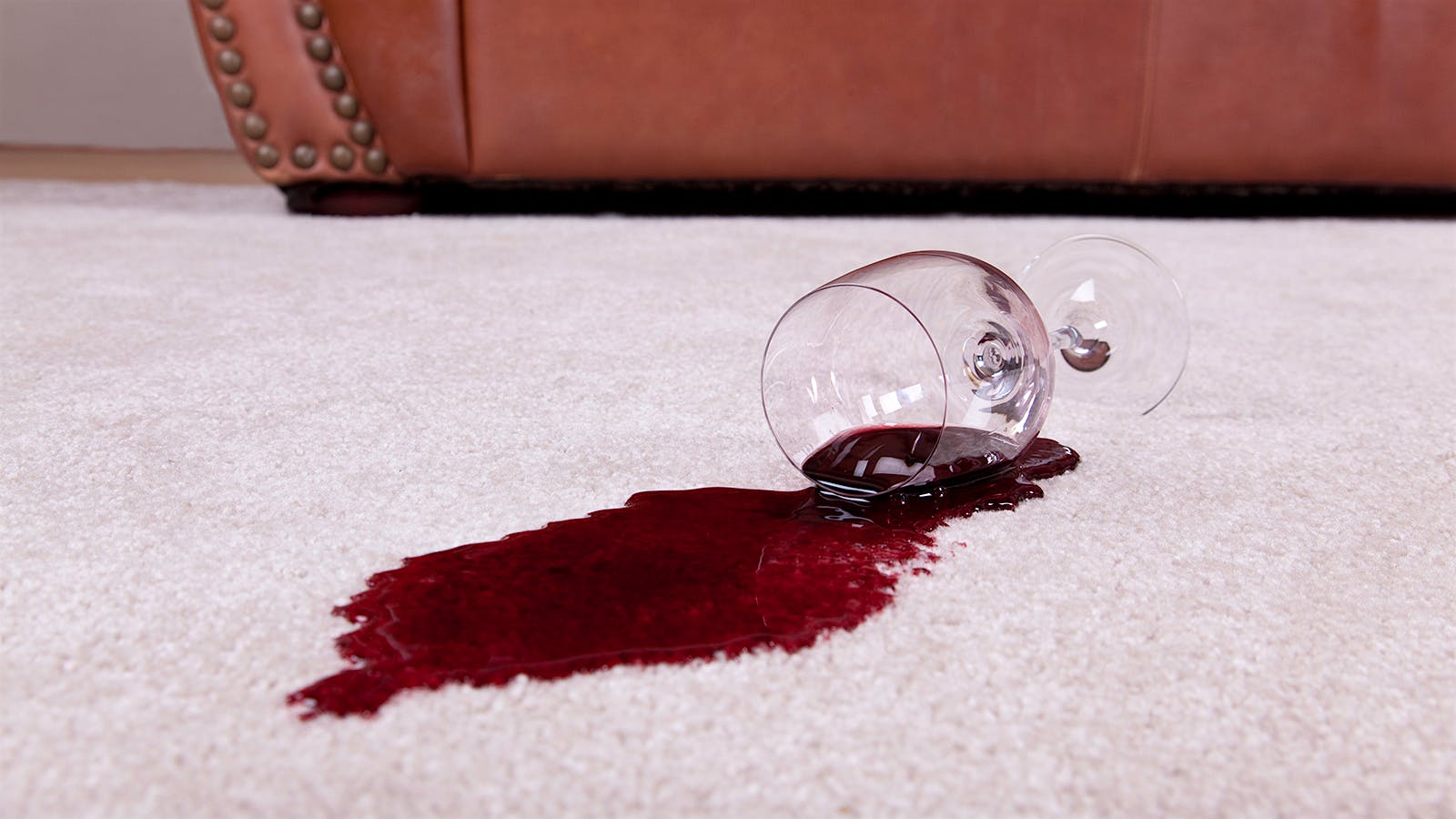
If it’s a watery spill (juice, soda, wine, coffee)
- Blot with clean paper towels or a white cloth until no more liquid transfers.
- Mist lightly with plain water and blot again. This helps prevent a hard edge or ring.
- If needed, follow with a tiny amount of dish soap solution, then blot with plain water to rinse (W/WS only).
- Dry with a towel, then air-dry with a fan.
If it’s greasy (pizza oil, butter, salad dressing)
- Lift solids with a spoon, dull knife, or the edge of a credit card.
- Blot oil gently.
- Sprinkle baking soda or cornstarch over the spot, let sit 15 to 30 minutes, then vacuum.
- Spot-clean with dish soap solution (W/WS only), blot with plain water to rinse, then dry.
Skirted bases: the hidden crumb zone
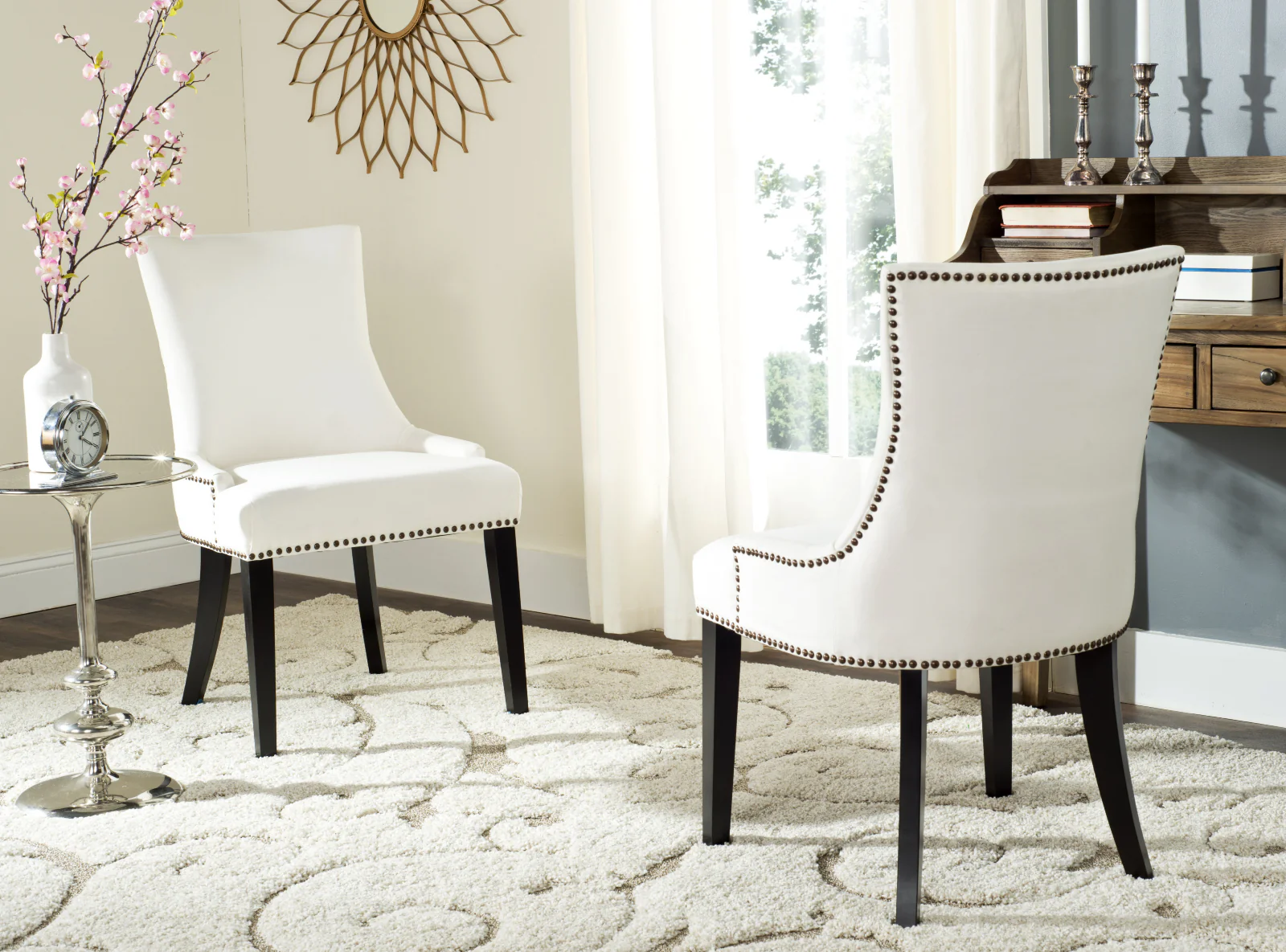
Skirted dining chairs and upholstered stools are romantic in a vintage way, but the skirt acts like a curtain for crumbs and sticky splatters. It also hides the exact spot that needs attention until it’s had time to set.
How to clean skirts without mangling them
- Vacuum first using the crevice tool around the base, especially where the skirt meets the floor.
- Work top-down so drips don’t travel further.
- Spot-clean on a cloth, not the chair when possible. Apply cleaner to your cloth, then dab the skirt. This helps avoid over-wetting the hem.
- Check the underside once a month. Grease and dust can cling to the bottom edge and transfer back onto the fabric.
If your skirt is removable (some are Velcro or staple-free), you’re living the dream. Take it outside, shake it, vacuum it, and spot-clean like a slipcover.
Nailhead trim and seams
Nailhead trim is like jewelry for chairs. It’s also a tiny ledge that catches everything: oils, dust, and that one grain of rice that clings for dear life.
Gentle routine for nailheads
- Use a dry, soft toothbrush or detailing brush to loosen debris along the trim line.
- Vacuum with the brush attachment to lift it away.
- Wipe nailheads with a barely damp cloth (only if safe for your fabric and finish), then immediately dry with a towel.
For brass or antique-finish nailheads, skip harsh polish unless you know the finish is sealed. A mild wipe and dry is usually enough to keep them from looking grimy.
Bar stools: the extra-touched troublemakers
Bar stools see more hand traffic, more quick snacks, and more “leaning while chatting.” They also tend to sit closer to cooking zones, which can mean more airborne oil landing on the fabric.
Weekly bar stool reset (10 minutes)
- Vacuum seats and backs, including piping and tufted buttons.
- Wipe high-touch zones: front edge of the seat, top of the backrest, and arms if you’ve got them.
- Check footrests: grime on the footrest transfers to fabric when legs swing or people perch sideways.
If you cook often, consider keeping a small basket under the island with microfiber cloths and a travel-size fabric-safe cleaner so the habit is easy.
What cleaning codes mean
Flip your cushion or peek under the seat. Many upholstered dining pieces have a tag with a cleaning code:
- W: Water-based cleaners are safe.
- S: Solvent-based cleaners only. No water.
- WS or SW: Water-based or solvent-based is often okay, but follow the manufacturer’s directions and patch test.
- X: Vacuum only. Professional cleaning recommended.
If you can’t find a tag, test any cleaner on a hidden area first, like the back hem or under the seat edge. Let it dry fully before deciding it’s safe.
Odor control without “perfume clean”
If your chairs smell a little like last month’s taco night, you don’t need to drown them in fragrance. You need to remove oils and let the fabric dry thoroughly.
Deodorizing steps that work
- Baking soda overnight: sprinkle lightly, let sit 8 to 12 hours, then vacuum well.
- Fresh air + sun (carefully): if cushions are removable and fabric is colorfast, a short airing in indirect sun helps. Avoid harsh direct sun for long periods to prevent fading.
- Enzyme cleaner for food odors: helpful if spills involved dairy, meat drippings, or pet-related mess. Patch test first, and don’t mix enzyme products with bleach or disinfectants.
Avoid saturating foam. Deep moisture is what creates that lingering “something is off” smell.
Protection that doesn’t look like protection
You don’t have to wrap your dining room in plastic. A few subtle choices make fabric dining seats easier to live with.
- Choose performance fabric when you can. Many newer performance linens and velvets are designed to release stains more easily, but care rules still vary by brand.
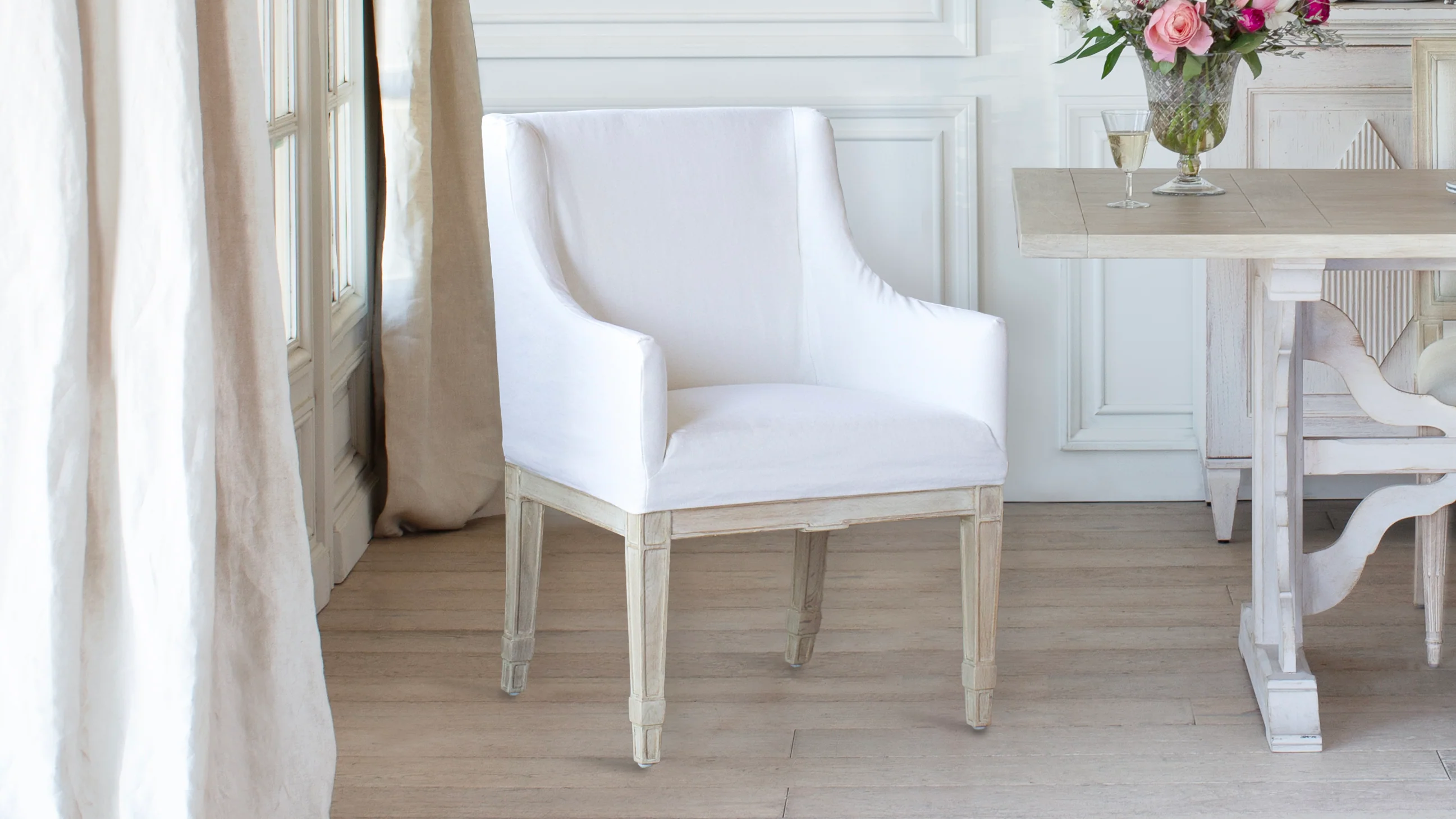
- Use washable slipcovers for high-traffic seasons. Holidays, houseguests, and kid birthday months count.
- Consider a fabric protector wisely. A fabric protector can help buy time, but it’s not magic. It also needs good ventilation during application and can change the feel of some textiles. Always test first.
- Keep a “dining chair kit.” Microfiber cloths, a soft brush, and a tiny bottle of gentle dish soap under the sink makes maintenance feel effortless.
What not to do
- Don’t over-wet seats or leave them damp. Moisture that lingers is where odors move in.
- Don’t steam or hot-air dry unless the manufacturer approves it. Heat can set some stains or distort some fibers.
- Don’t use bleach, ammonia, or mystery multi-surface sprays on upholstery.
- Don’t use colored towels that can transfer dye onto light fabric.
When to call a pro
If your seats are dingy overall, not just spot-stained, you may need extraction cleaning.
- Call a professional if the fabric is vintage, delicate, tagged X, solvent-only S, or has heavy grease buildup that keeps returning.
- Rent or use a home upholstery extractor if you’ve got multiple chairs and a performance or W-coded fabric. Use minimal water, do extra dry passes, and let everything dry fully with airflow.
If your chairs still smell after cleaning, it usually means residue (soap or grease) is still in the fibers, or the padding didn’t dry completely. In that case, less product and more drying time is the fix.
A simple schedule
- After dinner: quick crumb sweep + light wipe for oils (only if your code allows)
- Weekly: vacuum seams, tufting, and trim details
- Monthly: spot-check skirt hems, chair backs, and underside edges
- Seasonally: baking soda refresh or a deeper clean, especially before holidays
Dining chairs are meant to be lived in. The goal isn’t to keep them perfect. It’s to keep them clean enough that sitting down feels like a comforting exhale, not a suspicious sniff.