Clean a Linen Sofa Without Shrinking It

Clara Townsend
Clara Townsend is an interior stylist, vintage furniture enthusiast, and the creative voice behind Velvet Abode. With over a decade of experience transforming both cramped city apartments and sprawling fixer-uppers, she believes that a beautiful home is built on personal stories rather than massive budgets. When she isn't hunting for the perfect brass sconce at a local flea market, she can usually be found rearranging her living room for the third time this month.
Linen is one of those fabrics that makes a room feel instantly calm and expensive, even if the sofa came from a marketplace pickup and a little elbow grease. But it is also the fabric most likely to punish you for “just winging it.” Too much water, too much heat, or the wrong cleaner can leave you with a cover that shrank like it saw a ghost, or a weave that feels crunchy instead of breezy.
Let’s clean your linen or linen-blend sofa the gentle way: minimal moisture, minimal friction, and a drying plan that respects the fiber.
Quick note: Always follow your sofa’s specific manufacturer instructions first. Upholstery codes and recommended methods can vary by brand and finish.
Know what you are cleaning
“Linen sofa” can mean a few different things in the real world, and the cleaning approach changes depending on the blend and how the fabric was finished.
Pure linen
- Pros: Breathable, beautiful drape, that lived-in softness over time.
- Watch-outs: Can wrinkle, can water-spot, and can shrink if the cover is washed or dried with too much heat. It can also roughen if scrubbed hard.
Linen-cotton blends
- Pros: Softer out of the gate, often a bit more forgiving with wrinkles.
- Watch-outs: Cotton often shrinks readily, especially with heat, and the blend can still shrink if laundered incorrectly. A tailored linen-cotton slipcover is the one I treat most cautiously around water and dryers.
Linen-poly or linen-rayon blends
- Pros: Typically more wrinkle-resistant and sometimes more stain-resistant depending on the finish.
- Watch-outs: Heat can damage synthetics or create shine. Rayon (viscose) can be especially sensitive to water and may distort or develop rings if overwet.
Performance “linen-look” fabrics
Some sofas are polyester or acrylic designed to mimic linen’s texture. These are usually sturdier, but they still hate harsh scrubbing because the “linen look” comes from surface texture that can fuzz.
If you are not sure what you have, check your tag and the manufacturer listing if you can find it. When in doubt, treat it like the most delicate option: low moisture and blotting only.
Read the care tag
Look for a tag under seat cushions, under the frame, or inside a zippered cover. Upholstery tags commonly use these codes, but they are not perfectly universal. When the brand gives specific instructions, trust those first.
- W: Water-based cleaners are considered safe.
- S: Solvent-based cleaners only. Avoid water.
- WS (or SW): Water-based or solvent-based cleaners are acceptable, with care.
- X: Vacuum only. No water or solvent. (Usually means call a pro for anything beyond dry soil.)
Important: A “W” code does not mean “soak it.” It simply means a water-based cleaner can be used in a controlled, low-moisture way.
What not to use
If you want to keep linen soft and the color consistent, skip the heavy hitters unless your manufacturer explicitly says otherwise.
- Bleach or whitening sprays: Can weaken fibers and cause uneven fading.
- Ammonia: Harsh, can shift dyes and finishes.
- Oxi-style powders or strong enzymatic cleaners: Sometimes helpful, sometimes a disaster on linen and linen-viscose. Use only if your tag and the product label say it is appropriate, and spot test like your weekend depends on it.
- Steam cleaners: Heat plus moisture is risky, especially on viscose blends and tailored slipcovers. Only use steam if the manufacturer specifically approves it.
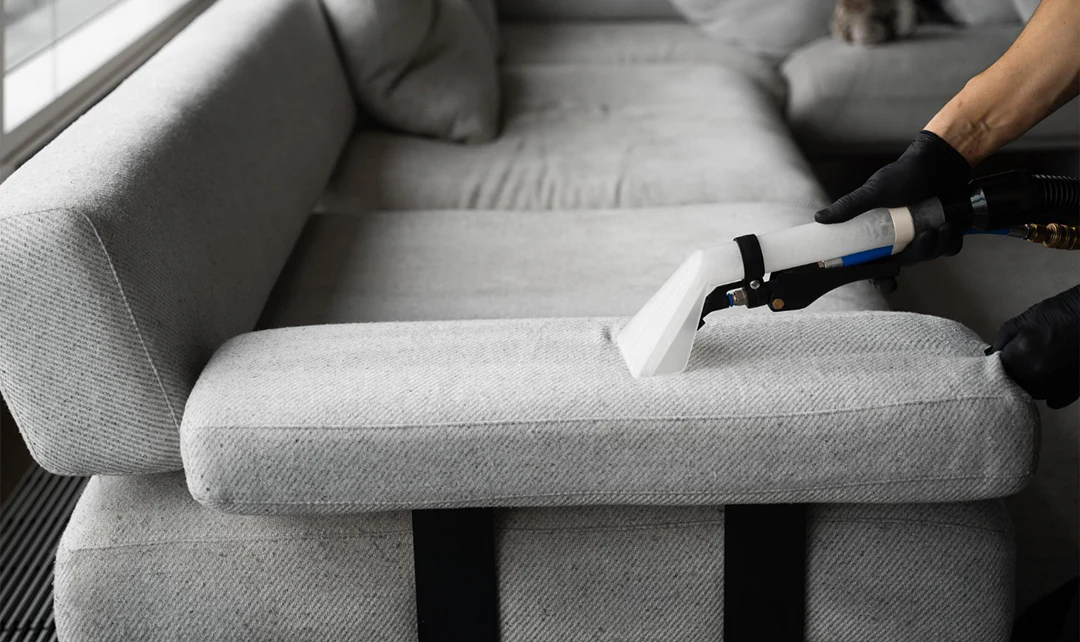
- Extraction machines and upholstery shampooers: Great on some synthetics, often too wet for linen and blends. Overwetting is how you get rings, stiffness, and that “why does this smell weird now” situation.
- Colored towels: Dye transfer is real. Stick to white cloths.
Common mistakes
- Overwetting: Linen and blends can water-spot, develop rings, and feel stiff after heavy wet cleaning. This is often from a mix of fiber swelling, soil being pushed deeper, and leftover cleaner residue.
- Heat drying: Hair dryers, space heaters, direct hot sun, and high dryer heat can shrink covers and lock in stiffness.
- Scrubbing: Aggressive brushing frays the surface, creates fuzz, and can permanently change the weave’s feel.
- Too much product: Soap residue dries crunchy and attracts dirt like a magnet. If your fabric feels stiff after cleaning, residue is often the culprit.
- Skipping a spot test: Linen can darken, ring, or shift color with certain cleaners, even “gentle” ones.
- Washing slipcovers like sheets: Machine-washing and tumble-drying removable covers is where most shrinkage disasters happen, especially with linen-cotton blends.
Vacuum first
Dry soil is the enemy of soft upholstery. Dirt particles act like tiny sandpaper when you add moisture.
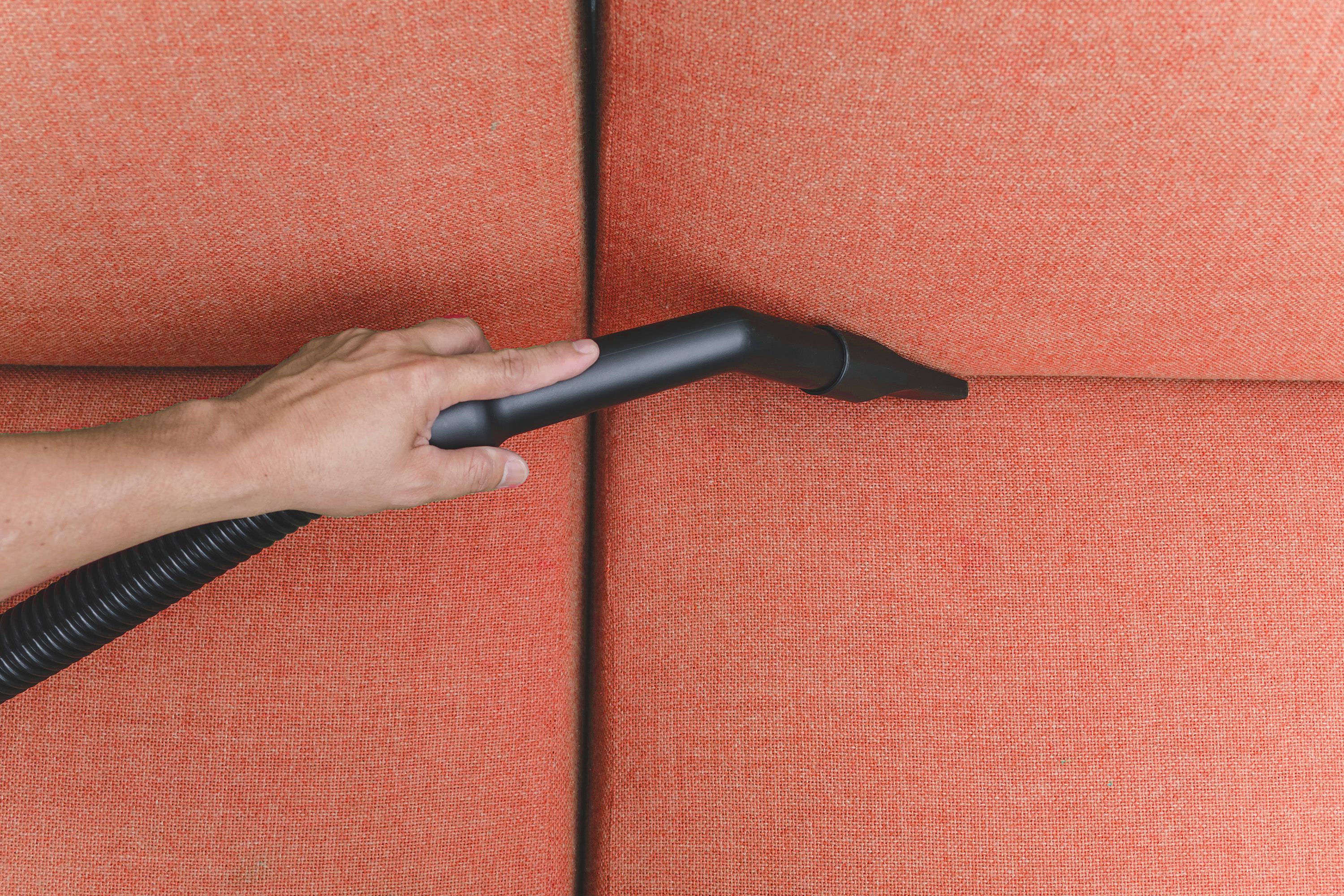
- Use the upholstery attachment and vacuum every seam, welt, and crease.
- If you have pets, use a rubber pet hair tool first, then vacuum again.
- Lift cushions and vacuum the platform underneath. The crumbs down there are always judging us.
Spot test
Choose an inconspicuous area: the back hem, the underside of a cushion, or a hidden inner panel.
- Apply your cleaner to a white cloth first, not directly to the fabric.
- Blot the test area lightly.
- Wait until fully dry, then check for color change, rings, stiffness, or raised texture.
If it fails the test, do not try to “fix” it by adding more water. Stop and switch methods or call a professional.
Low-moisture spot cleaning
This is my go-to for most real-life situations: food drips, makeup smudges, a mystery mark that appeared overnight. It is gentle enough to protect the weave, and controlled enough to avoid shrinkage.
What you need
- Vacuum with upholstery tool
- White cotton cloths or microfiber cloths (white helps you see transfer)
- A small bowl of distilled water (tap water can leave mineral rings)
- A few drops of mild, clear dish soap or a fabric or upholstery cleaner that matches your tag code
- Optional: 50/50 distilled water and white vinegar for odor or light organic stains, only if your spot test passes
Safety aside: Never mix vinegar with bleach (or any bleach-based product). Ventilate well with any cleaner.
Step-by-step
- Blot, do not rub. If the stain is fresh, blot with a dry cloth first to pull up as much as possible.
- Dampen a cloth, not the sofa. The cloth should be barely damp, not wet.
- Work from the outside in. This helps prevent a ring.
- No circles. Avoid circular rubbing that can spread a stain and roughen the weave. Stick to gentle blotting and short, straight motions.
- Use tiny amounts of cleaner. If using soap, start with an extremely diluted mix. More product means more residue.
- Rinse by blotting. Switch to a cloth dampened with distilled water only and blot to remove any cleaner.
- Press to dry. Use a dry cloth and press firmly. Repeat with fresh dry cloths until the area feels only lightly damp.
Texture tip: If the fabric feels a little raised after drying, gently smooth it in the direction of the weave with your hand. Avoid stiff brushes.
Solvent method (S code)
If your tag says S, avoid water-based cleaning. Many linen-viscose blends and some finished linens water-spot easily.
What to do
- Use a solvent-based upholstery cleaner specifically labeled for S-coded fabrics.
- Ventilate well and follow the product instructions precisely.
- Keep away from heat, flames, and sparks. Many solvents are flammable.
- Apply to a cloth first, then blot.
- Do not oversaturate. Solvents can spread dyes if you flood an area.
If you are dealing with a large stain on an S-coded sofa, this is often the moment to call a pro. Solvent use is less forgiving, and you do not want a larger, lighter “clean patch” in the middle of your cushion.
Whole-cushion refresh
Sometimes the issue is not a stain, it is that overall “sofa looks tired” haze. For linen, cleaning just one small spot can create a clean halo. In that case, a light, even refresh across the entire cushion face is safer.
How to do it
- Vacuum thoroughly.
- Lightly mist a clean cloth with distilled water (or an appropriate cleaner for your tag).
- Wipe the entire cushion face evenly, using long, gentle passes. Try to be consistent around piping and seams so you do not end up with uneven edges.
- Follow immediately with a dry cloth, pressing to remove moisture.
- Let it dry with plenty of airflow.
You are not trying to wet the cushion. You are just lifting surface soil evenly so the color looks consistent.
If liquid got inside
If a spill soaked through the fabric, surface cleaning is only half the job.
- If the cover is removable: unzip and pull it back so the insert can breathe.
- Blot the insert: press with clean towels to remove as much moisture as possible.
- Dry thoroughly: stand cushions on edge, run a fan, and give it time. A slightly damp interior is where mildew and lingering odor are born.
If the spill is pet urine or anything that has already soured, you may need a professional. Many enzyme products are water-heavy and can cause rings on linen if used casually, even if they work great on other fabrics.
Drying
Drying is half the cleaning. The goal is fast airflow, low heat, and a supported shape.
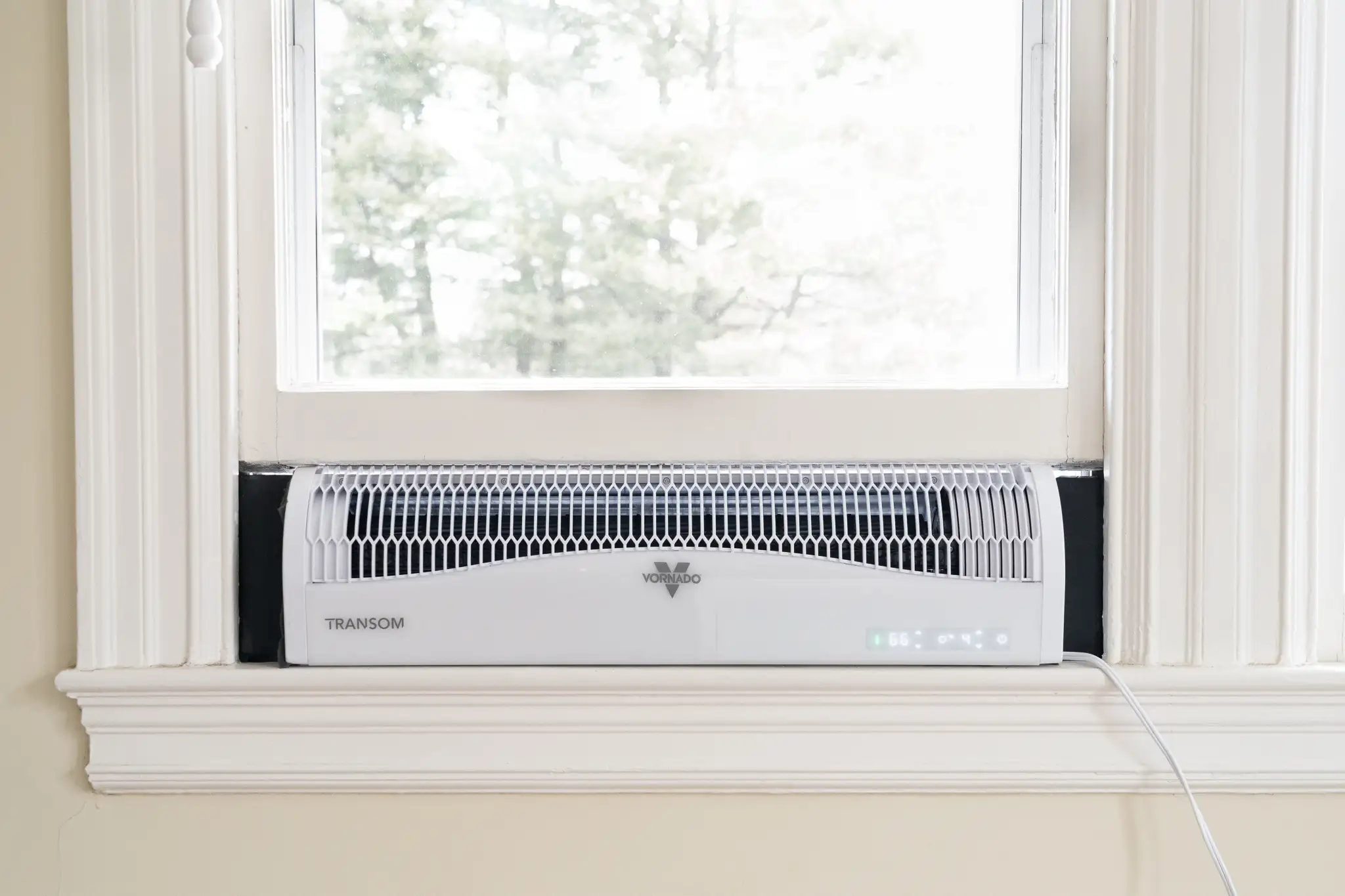
- Airflow is your best friend: Open windows, run a fan, or aim a cool setting from an air purifier toward the sofa.
- Avoid heat: No hair dryer on hot. No space heater. No placing cushions in direct hot sun.
- Avoid prolonged direct sunlight: Even when it is not hot, it can fade fabric over time.
- Dry flat and true: If you removed a cover, lay it flat to dry (or hang it evenly supported) and reshape it gently. If it is a cushion, stand it on its side so air hits both faces.
- Do not sit on it until fully dry: Pressure can set creases, distort the weave, and create mildew risk if it is still damp inside.
Removable slipcovers
Removable covers feel like a gift until you shrink one and spend the evening wrestling it back onto a cushion like a reluctant burrito.
Order of operations
- Check the label inside the cover. Some linen covers are dry clean only.
- When machine-washing is allowed: Use cold water, gentle cycle, mild detergent, and do not overload the machine.
- Skip the dryer whenever possible. Air dry flat.
- If the tag allows tumble drying: Use the lowest heat and remove while still slightly damp.
- Re-cover while slightly damp: This helps the fabric ease back into shape without forcing it.
My personal rule: If the slipcover is linen-cotton and the fit is tailored, I do not tumble-dry it. That is the fastest route to “why is this suddenly two inches too small.”
Stain cheat sheet
- Wine, coffee, tea: Blot immediately. Use low-moisture diluted soap on a cloth, then blot-rinse with distilled water.
- Grease: Sprinkle baking soda or cornstarch, let sit 15 to 30 minutes, vacuum. Repeat before using any moisture.
- Water ring: Often caused by uneven wetting. Lightly and evenly dampen the entire cushion face with distilled water using a cloth, then press-dry and air dry with a fan. Spot test first.
- Odor: Vacuum, then lightly wipe with plain distilled water on a cloth. If needed and spot test passes, a very light 50/50 vinegar and distilled water wipe can help, followed by plain water blotting.
If a stain has dye (ink, some makeup, some fruit), go slowly. Aggressive rubbing can spread the pigment through the weave.
When to call a pro
There is zero shame in outsourcing a fabric that behaves like a diva. Call an upholstery cleaner if:
- Your tag is X, or you cannot find a tag and the fabric seems water-sensitive.
- The stain covers a large area or has soaked into the cushion insert.
- You have an S-coded linen blend and the stain is more than a small spot.
- There is a smell that suggests mildew or pet urine inside the cushion.
- The sofa is a high-value piece, vintage, or has natural dyes you do not want to risk shifting.
Ask if they have experience with linen and linen-viscose blends specifically, and request a low-moisture method when appropriate.
Maintenance routine
- Weekly: Quick vacuum of seat cushions and arms.
- Monthly: Rotate and flip cushions if your sofa design allows it.
- Seasonally: Even, whole-cushion refresh with a barely damp cloth, then thorough air drying.
- Anytime: Blot spills immediately and keep a small stack of white cloths somewhere you can grab them fast.
Linen rewards consistency. Treat it like a favorite white button-down: not precious, just cared for thoughtfully. The payoff is that relaxed, softly rumpled texture that makes a home feel lived in, in the best way.