Bouclé and Looped Upholstery Care

Clara Townsend
Clara Townsend is an interior stylist, vintage furniture enthusiast, and the creative voice behind Velvet Abode. With over a decade of experience transforming both cramped city apartments and sprawling fixer-uppers, she believes that a beautiful home is built on personal stories rather than massive budgets. When she isn't hunting for the perfect brass sconce at a local flea market, she can usually be found rearranging her living room for the third time this month.
Bouclé is the design-world equivalent of a warm latte: textured, comforting, and immediately inviting. But looped upholstery has one little quirk. Those pretty loops can grab, fuzz, and pill if you treat them like a flat weave. The good news is you don't need a fancy upholstery degree to keep bouclé looking plush and intentional. You just need the right direction, the right tools, and a gentle hand.
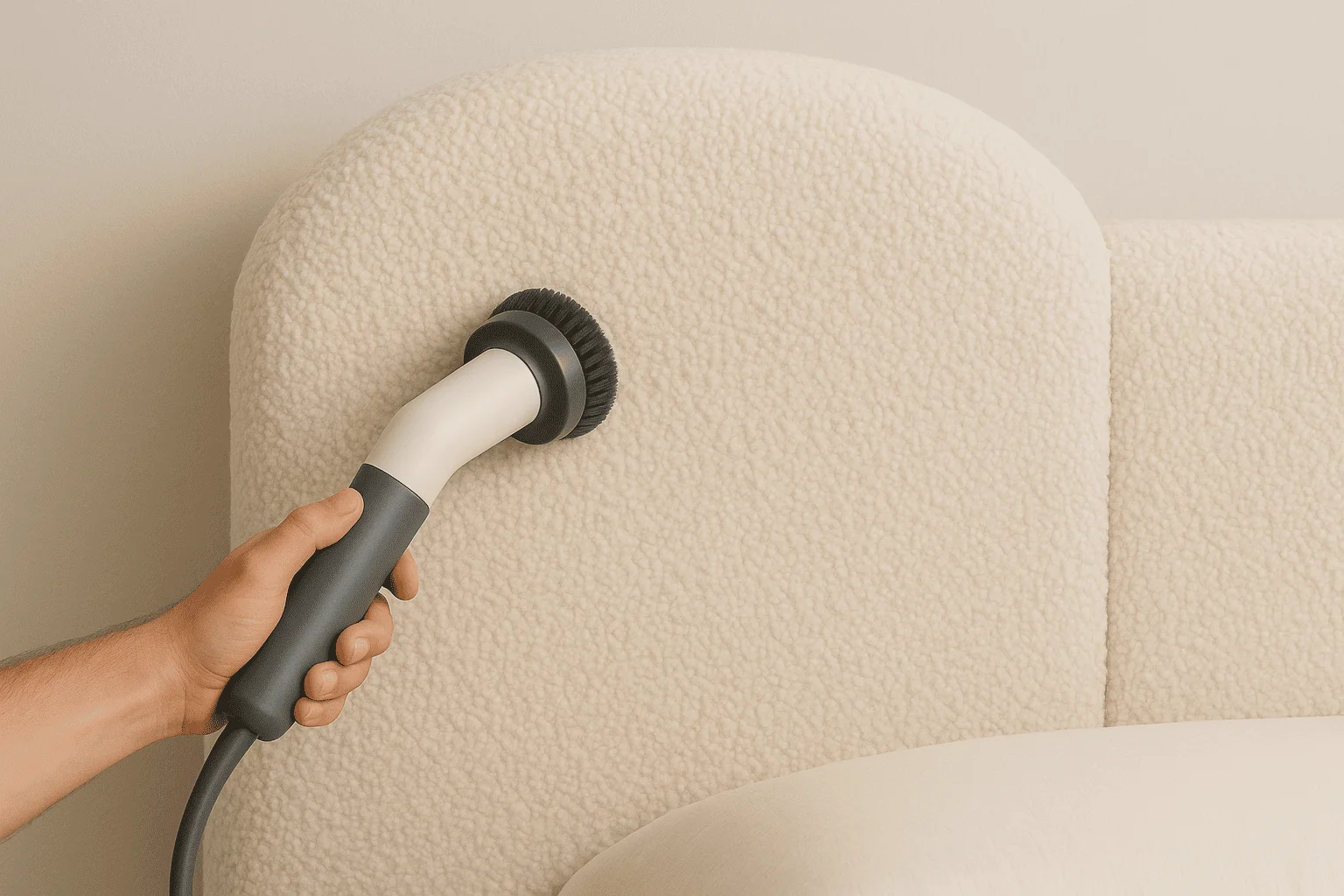
Why loops snag and why bouclé pills
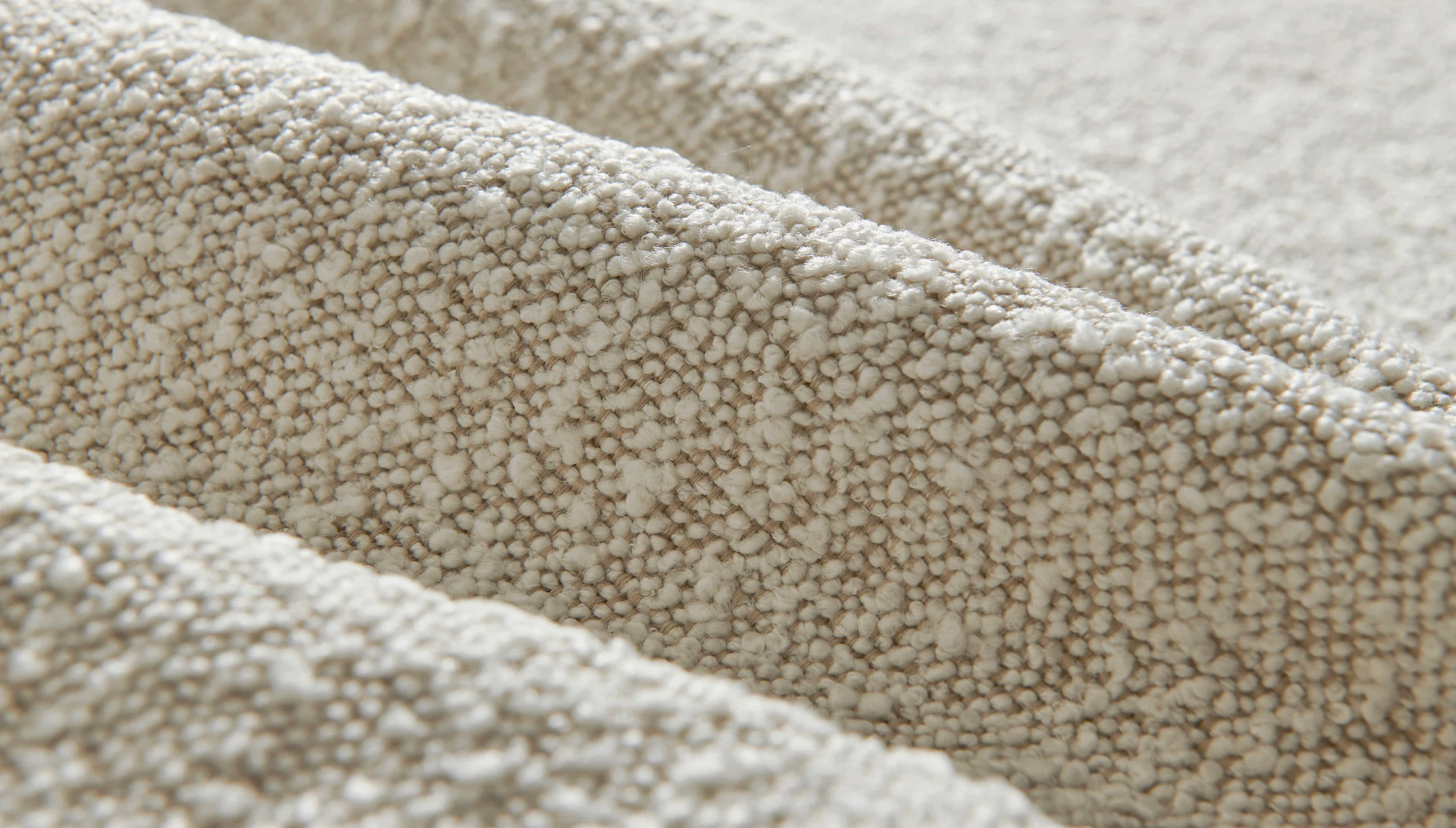
Bouclé and other looped fabrics are made from yarns constructed to create little loops on the surface. That texture is what makes them gorgeous and forgiving under soft light. It's also what makes them vulnerable.
Snags happen because loops are exposed
On a flat, tightly woven fabric, the yarns are more protected. On a looped surface, the loops sit up like tiny handles. Anything with an edge can hook them: a zipper, a pet nail, a ring, even a rough callus on your heel if you're a “feet on the sofa” person.
Pilling happens because loose fiber ends tangle
Pills are those little bobbly fuzz balls that form when short fibers work themselves loose and then twist together with friction. Bouclé can pill more quickly if:
- The yarn includes shorter staple fibers (common with some wools and acrylic blends)
- The fabric is rubbed often in the same spot (armrests, front edge of cushions)
- Dust and body oils build up, making fibers cling together
Important note: pilling isn't always “poor quality.” It can be a normal break-in phase, especially on cozy, nubby textiles. The goal is to manage it early so it never becomes a rough, matted patch.
Your bouclé toolkit
You don't need a drawer full of gadgets. These are the tools I reach for most when I'm trying to keep loops fluffy, not frazzled.
- Vacuum with a soft brush attachment: this is your weekly maintenance hero.
- Soft upholstery brush: look for natural bristles or very soft synthetic bristles.
- Lint roller or low-tack upholstery tape: great for crumbs and hair without yanking loops.
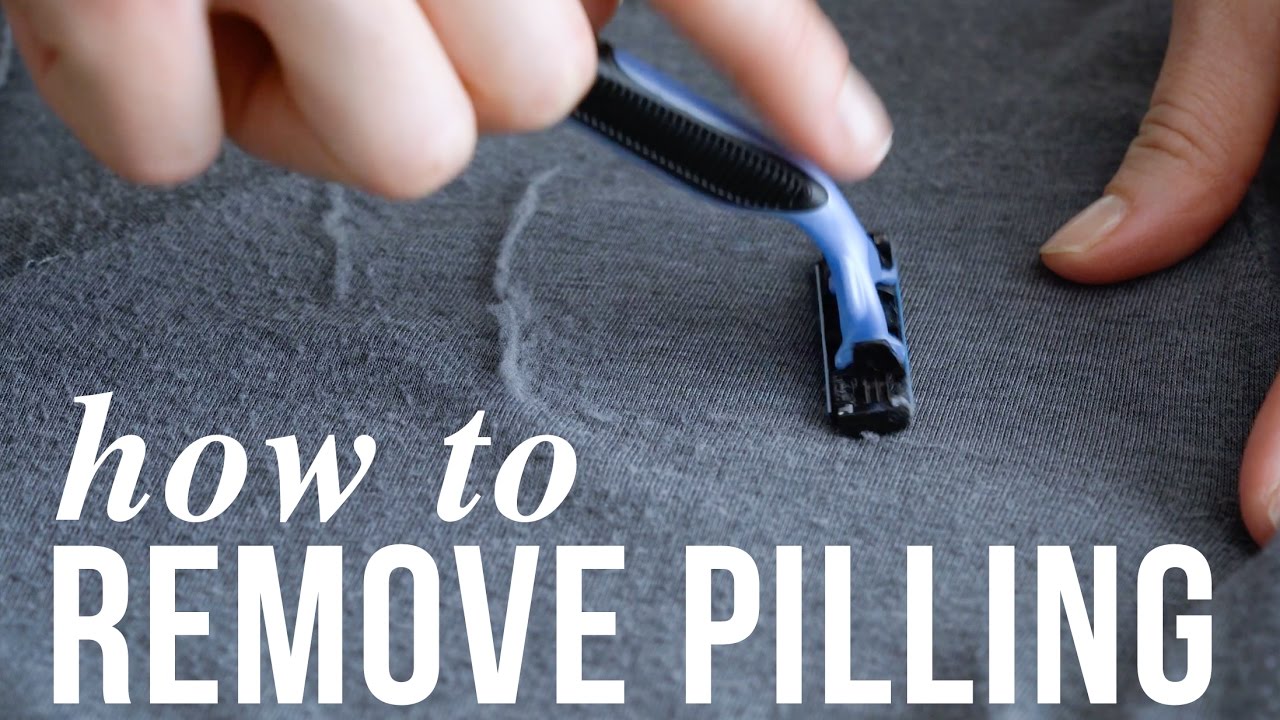
- Fabric shaver (optional, with caution): useful for pills on some blends, risky on prominent loops.
- Depilling comb or sweater stone (only for certain weaves): can be too aggressive for open loops.
- White microfiber cloths: for blotting spills.
- Distilled water (if your code allows water): helps avoid rings from mineral-heavy tap water.
- Snag repair needle (snag nab-it tool): the easiest way to tuck a pulled loop back where it belongs.
If you only buy one thing: pick the best vacuum brush attachment you can. Bouclé loves gentle, consistent upkeep.
Snag and pill prevention
Most bouclé damage is preventable. A few small habits make a big difference, especially in the first months.
- Trim pet nails and keep scratchy toys off the sofa. Loops and claws are not friends.
- Watch sharp hardware: zippers, rivets, belt buckles, and even rough tote-bag corners can hook loops as you sit down.
- Use a throw in high-wear zones (seat center, arm you always lean on). Think of it as a stylish little buffer.
- Rotate and flip cushions (if your sofa allows) so one spot doesn't get all the friction.
- Keep grit off the fabric: tiny crumbs act like sandpaper over time. Vacuuming is prevention, not just cleanup.
Vacuuming and brushing
With looped upholstery, technique is everything. Think “float and lift,” not “scrub and grind.”
Vacuuming: the gentle weekly reset
- Use the brush attachment, not a bare nozzle. Bare plastic edges can catch loops.
- Lower suction if possible. High suction can tug on looser loops, especially on cushion edges and seams.
- Work in one direction first, using light passes. Then do a second set of passes at a slight angle, like you're mowing a lawn gently.
- Support the fabric with your free hand on looser areas so you don't stretch the upholstery.
Brushing: refresh texture without stress
Brushing can bring bouclé back to life, but only if you do it like you're petting a skittish cat.
- Look for the fabric's lay: some bouclés have a subtle direction the loops prefer, and some don't. Either way, pick the direction that looks most uniform and stick with it.
- Brush lightly using short strokes. Avoid aggressive back-and-forth motion.
- For flattened areas, brush outward from the center of the matted spot, then finish with longer blending strokes.
- Go easy on seams and piping. Those areas snag first.
You're trying to coax loops upright, not cut them down. If you feel resistance or hear snagging, stop and switch to a gentler tool or use less pressure.
Spills and spot cleaning
Before you grab dish soap and start swirling, check the manufacturer tag. Most upholstered pieces have a cleaning code that tells you what's safe. Also, codes aren't perfectly universal: some brands use variations like W-S, W/WS, or brand-specific wording. When in doubt, the tag and manufacturer instructions win.
Common upholstery cleaning codes
- W: Water-based cleaners are safe. Use a mild upholstery shampoo or a small amount of gentle soap diluted in water.
- S: Solvent-based cleaners only. Water can cause rings, dye bleeding, or texture distortion.
- WS or SW: Water-based or solvent-based cleaners are acceptable. Still test first.
- X: Vacuum only. No water, no solvents. This often shows up on delicate or specialty fabrics.
If you can't find a code, treat the fabric as sensitive: dry methods first, and test any cleaner on a hidden area like the back hem or under a cushion.
How to spot clean bouclé without making it worse
- Blot, don't rub. Rubbing pushes the spill deeper and frays loop tips.
- Work from the outside in to prevent spreading.
- Use minimal moisture. Bouclé can hold water in its texture, which raises the risk of rings and stiff patches.
- Rinse carefully (W or WS) by blotting with a cloth dampened with distilled water, then blot dry.
- Air-dry fully and then lightly brush to restore loft.
If the spill is oily (makeup, salad dressing, body oil), a W-only approach can smear it around. In that case, the code matters even more. If you're not sure, pause and call a pro rather than improvising.
Deep cleaning by code
Spot cleaning fixes accidents. Deep cleaning fixes the slow buildup that makes bouclé look dingy or feel matted. Keep it low-moisture and low-drama.
W and WS: water-based, but go light
- Use a low-moisture upholstery cleaner and apply it to a cloth first when possible.
- Avoid over-wetting cushions. Saturation can leave rings, stiffen texture, or trap odors.
- If you use an extractor, keep passes quick and focus on thorough extraction (pulling moisture out), not soaking the fabric.
S and WS: solvents only (ventilation matters)
- Use an upholstery-safe dry-cleaning solvent per label directions, and test in a hidden spot.
- Ventilate well and keep any ignition sources away. Solvents can be flammable.
- Blot and lift rather than scrubbing, especially on open loops.
X: dry methods only
- Vacuum with a brush, lint roll gently, and use a soft brush to lift texture.
- No water, no solvents, even “just a little.” If it's stained, this is a good moment for a professional who specializes in delicate upholstery.
Depilling bouclé
Pills are normal, especially during the first few months of use. The trick is removing pills without cutting loops or creating bald patches.
Safest first step: vacuum and lift
Sometimes what looks like pilling is actually compacted lint and dust. Start with a gentle vacuum using the brush attachment, then a soft brush in your chosen lay direction.
Lint roller technique for surface fuzz
For hair and loose fuzz, use a lint roller with light pressure. Roll in one direction and lift off. Don't “saw” back and forth, which can catch loop ends.
Fabric shavers: only with a light hand
A fabric shaver can help on tighter bouclé blends where pills sit on top rather than being part of the loop structure. If you choose to use one:
- Test in a hidden spot first.
- If your shaver has a guard, use the highest guard setting.
- Keep the shaver perfectly flat and move slowly with almost no pressure.
- Avoid edges, seams, and raised loop clusters.
If you can see tall, distinct loops, skip the shaver. It's very easy to shear off loop tips, and once they're gone the texture can look shaved and patchy.
What to avoid
- Scissors for general pilling: okay for a single snag you can isolate, not for overall fuzz.
- Hard sweater stones on open loops: too abrasive for many upholstery bouclés.
- Aggressive wire pet brushes: these can pull loops out and create permanent fuzzing.
Fixing snags
If you spot a snag, the most important rule is: don't pull it. Pulling can drag more yarn to the surface and create a ladder-like run in the weave.
Gentle snag rescue method
- If the loop is just lifted, try brushing around it first to see if it settles back in.
- If a loop is clearly pulled, use a snag repair needle (snag nab-it tool). Insert near the snag, catch the loop, and pull it gently to the back side.
- Once it's tucked, lightly brush to blend the surface.
If you don't have a snag tool, you can sometimes use a large, blunt needle. Go slowly and don't pierce the yarn repeatedly. The goal is to relocate the pulled loop, not puncture the fabric into a new problem.
Unflatten the texture
Flattening happens in high-contact areas: the spot you always sit, the arm you always lean on, the cushion your dog has claimed as their throne. You can revive that cozy, cloudlike look without cutting fibers.
My go-to fluff-back routine
- Vacuum first to remove grit that can grind fibers down.
- Brush gently with the lay, then very lightly against it, then finish with it again. This is lift-and-set, not scrubbing.
- Steam with caution only if the tag and manufacturer allow it, and only after testing in a hidden spot. Steam is higher-risk on wool, mohair, and some glued backings because it can shrink, felt, or distort. Hold a garment steamer several inches away so the fabric gets a light warm mist, not wet.
- Rotate cushions weekly or at least monthly. Bouclé responds beautifully to being “rested.”
If steaming makes you nervous, you're not alone. When in doubt, skip it and stick to vacuuming plus brushing. Most severe flattening is from pressure and grime, not a lack of steam.
What not to use
- Bleach or whitening sprays
- Harsh detergents and strong alkaline cleaners
- Stiff scrub brushes or abrasive pads
- High heat from a hair dryer or heat gun (it can set stains, shrink fibers, or warp backings)
- Soaking wet methods that saturate cushions
Sunlight and wear
Bouclé is cozy, but it's still upholstery. Strong sun can fade dyes, yellow some light fibers over time, and dry out certain blends. If your sofa sits in direct sunlight, consider rotating cushions more often and using a sheer curtain or UV-filtering window film to soften the exposure. And if your household is high-traffic, vacuuming matters even more because grit is basically microscopic abrasion.
When to call a pro
Some issues are best handled by a professional upholstery cleaner, especially if you want to preserve the original texture and avoid water rings.
Call a pro if you notice:
- Severe matting where the fabric feels hard, slick, or visibly crushed in a large area
- Staining that has set (wine, coffee, grease) or has spread into the backing
- Color transfer or dye bleeding during spot cleaning
- Rings that keep reappearing, often caused by uneven wetting, minerals, or soil wicking. It can require cleaning and blending the whole panel, not just the spot.
- Strong odors that suggest moisture got deep into the cushion
- Delicate codes like X, or any fabric you suspect is wool-heavy, mohair-blended, or specialty bouclé
A good pro will know how to control moisture, use appropriate solvents when needed, and groom the fabric afterward so it dries with a soft, even texture instead of a crusty patch.
Quick care schedule
- Weekly: vacuum with brush attachment, light passes.
- Monthly: rotate cushions, quick brush to lift texture.
- As needed: lint roll for hair, treat snags immediately, depill gently before pills multiply.
- Seasonally: deeper clean based on your fabric code, or book a professional refresh if the sofa is your household's hardest-working piece.
Bouclé is meant to look lived-in, not lab-perfect. With a little consistent care and the gentlest possible tools, you can keep that beautiful looped texture looking plush, cozy, and intentionally styled for the long haul.