Best Low-Light Plants for Steamy Bathrooms

Clara Townsend
Clara Townsend is an interior stylist, vintage furniture enthusiast, and the creative voice behind Velvet Abode. With over a decade of experience transforming both cramped city apartments and sprawling fixer-uppers, she believes that a beautiful home is built on personal stories rather than massive budgets. When she isn't hunting for the perfect brass sconce at a local flea market, she can usually be found rearranging her living room for the third time this month.
If your bathroom light feels more like a suggestion than a real light source, you are not alone. Bathrooms are a funny little microclimate: lots of humidity, quick temperature swings, and often very little natural light. The good news is that a handful of plants genuinely like the steamy air and do not demand a sun-drenched window to look lush.
Below is my go-to shortlist for low-light plants that tolerate humidity, plus exactly where I would place them based on your window situation, what grow lights can and cannot fix, and a few styling tricks that make even a rental bathroom feel like a boutique hotel.
What “low light” means
Plant labels can be optimistic. In real life, “low light” usually means the plant can survive with limited sun, not necessarily thrive with constant new growth.
Here is a practical rule of thumb, plus a more plant-y cue. Light changes by season, obstructions, and window size, so treat these as guidelines, not laws.
- True low light: No window, or a window facing an air shaft, alley, or heavily shaded courtyard. You can move around safely, but colors look a little muted and you would not choose to read in there without turning on a light. Roughly, this can be under about 50 to 100 lux in many homes.
- Medium indirect light: Frosted glass window, north-facing window, or a small window that stays bright without sunbeams hitting the plant. Often around 100 to 500 lux.
- Bright indirect light: A larger window with a sheer curtain, or any bathroom where daylight feels abundant even if the sun is not directly on the leaves. Often 500 lux and up.
Most “bathroom plants” do best in medium indirect light plus humidity. If you have a truly windowless bathroom, aim for the toughest foliage plants and consider a small grow light for a few hours a day.
Best plants for steamy bathrooms
These are my reliable, low-drama picks when the air is humid and the light is limited. I am highlighting what each one likes, what it hates, and the easiest way to make it look intentional in a bathroom.
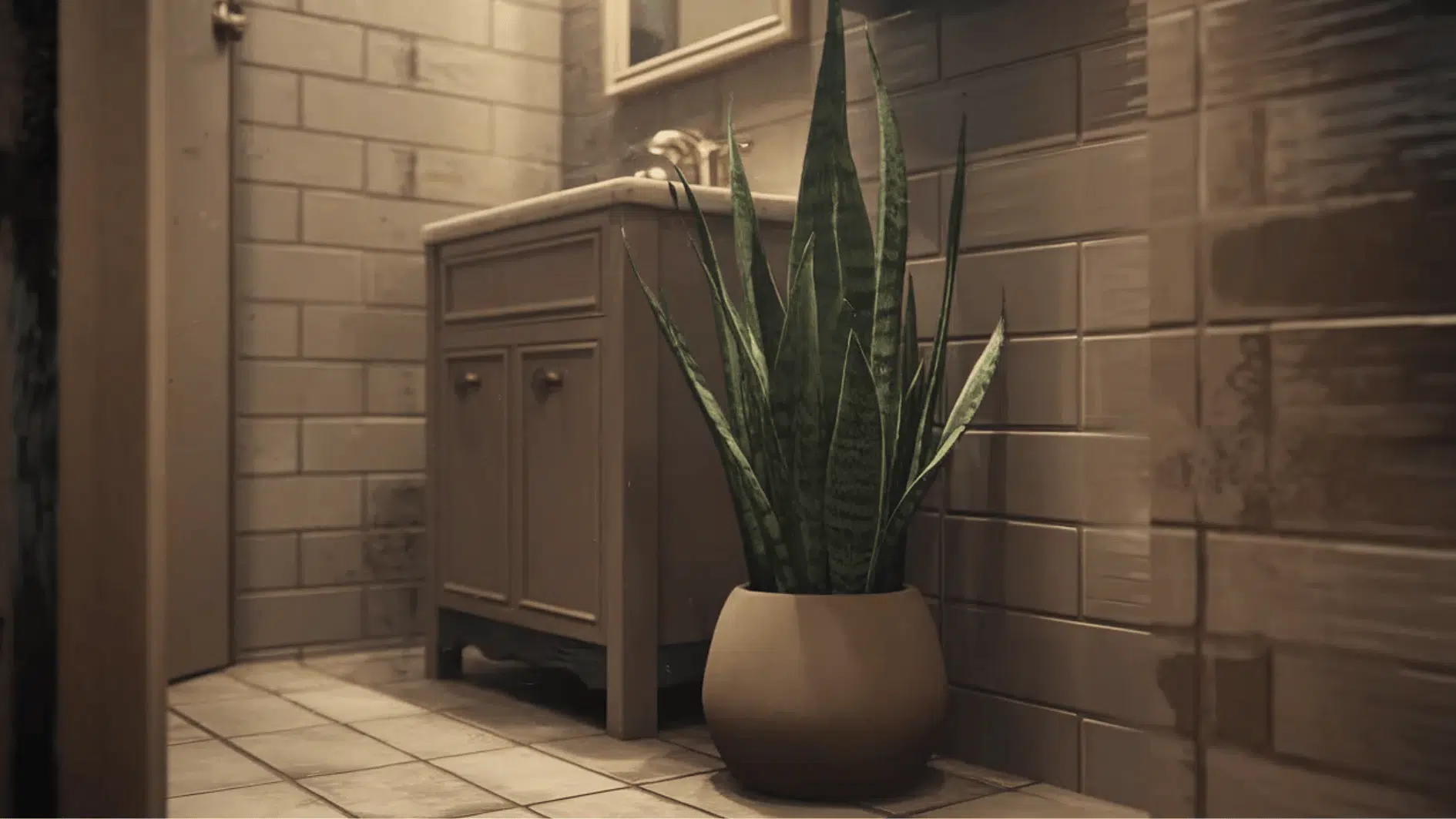
Snake plant (Sansevieria, now Dracaena trifasciata)
This is my number-one recommendation for a dim bathroom because it tolerates low light, erratic watering, and still looks crisp and architectural. Humidity is fine, but it does not need it.
- Best spot: Floor near the tub, or beside the vanity where it reads like a sculptural object.
- Avoid: Constantly wet soil. Let it dry almost fully.
- Styling note: Choose a tall pot with a narrow footprint to save space. A matte stoneware pot looks quietly elevated.
ZZ plant (Zamioculcas zamiifolia)
Glossy leaves, slow growth, and an almost comical ability to handle low light. ZZ does not need bathroom humidity, but it tolerates it beautifully.
- Best spot: A low stool in a corner, or a deep windowsill that does not get much sun.
- Avoid: Overwatering. If you are unsure, wait.
- Styling note: The shiny leaves bounce light around, which can make a small bathroom feel brighter.
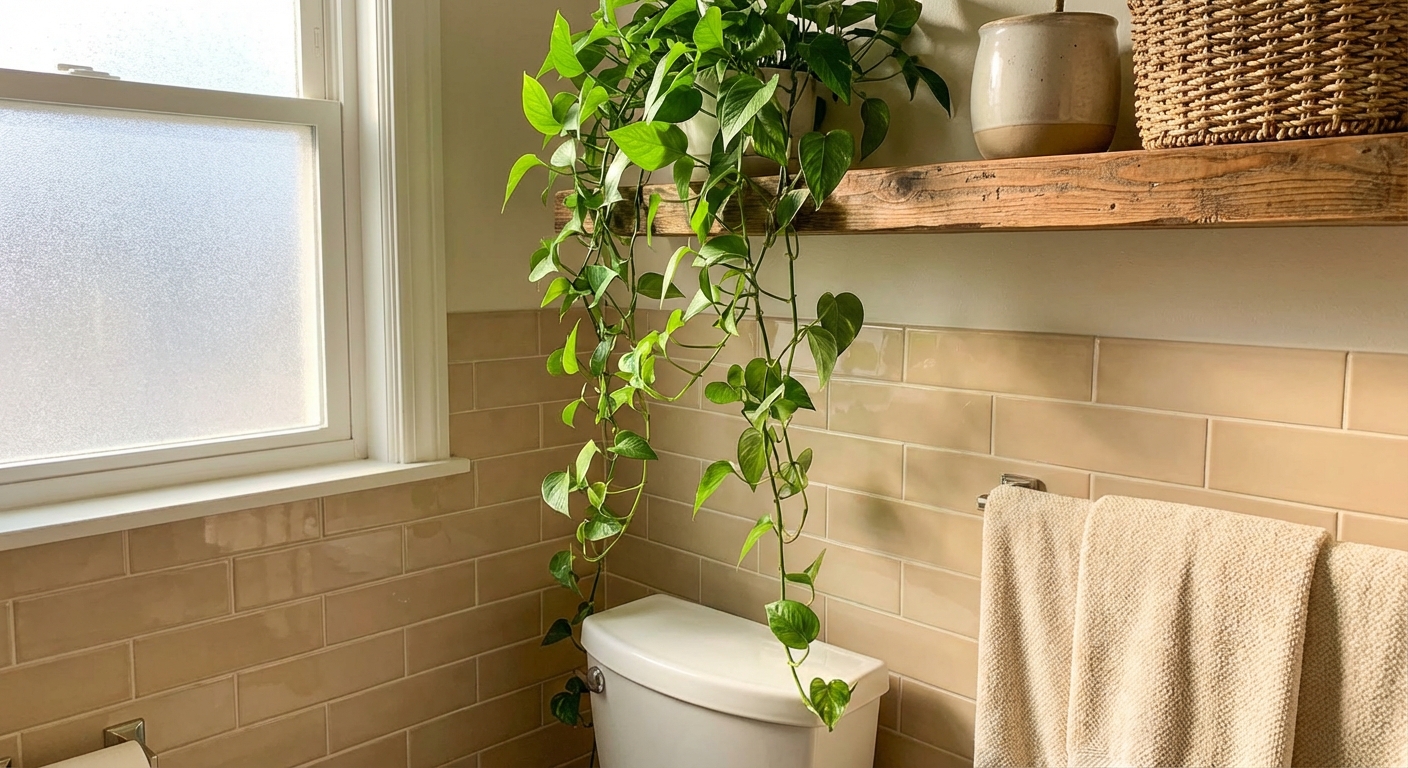
Pothos (Epipremnum aureum)
Pothos is a classic for a reason. It handles low light, and while it does fine in average home humidity, it tends to look extra happy in bathrooms. It also trails in a way that softens hard bathroom lines.
- Best spot: High shelf, top of a cabinet, or a shower-adjacent hook where it can drape.
- Avoid: Letting it sit in water. Bathrooms are humid, but roots still need oxygen.
- Styling note: A single trailing vine over a mirror corner is the easiest “styled” look with almost zero fuss.
Heartleaf philodendron (Philodendron hederaceum)
Similar to pothos but with a softer, more velvety leaf shape. It is forgiving in low light. Humidity is a bonus, not a requirement, but it usually enjoys the steady bathroom air.
- Best spot: Countertop near the sink if you have any natural light at all, or on a wall shelf.
- Avoid: Cold drafts from an always-open window in winter.
- Styling note: Put it in a warm-toned pot like terracotta or a caramel glaze for that cozy, lived-in feel.
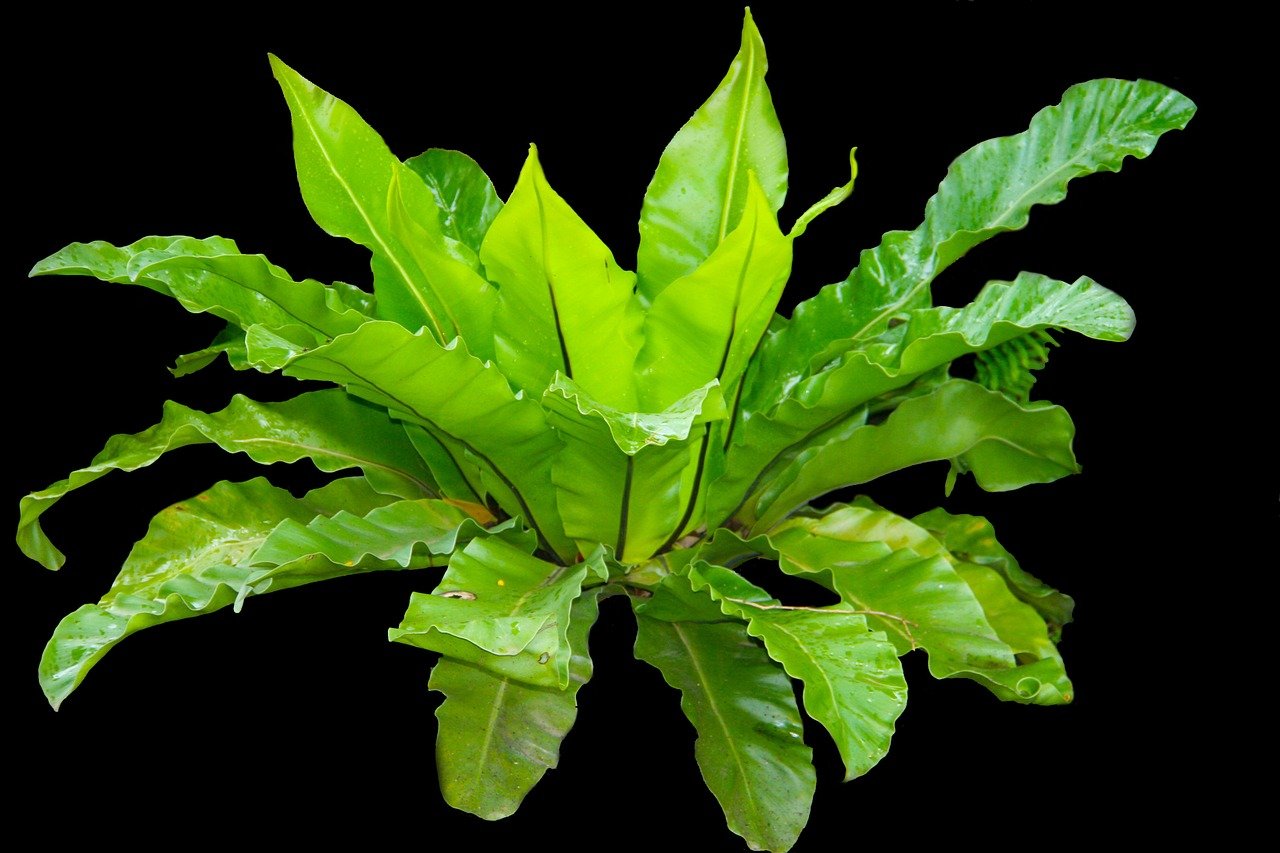
Bird’s nest fern (Asplenium nidus)
If your bathroom gets steamy regularly, this fern can be magic. It likes humidity and medium to low indirect light, and its ripple-edged leaves feel lush without being as fussy as some ferns.
- Best spot: On a ledge near a frosted window, or on a shelf a few feet from a window.
- Avoid: Dry air plus strong sun. Also avoid water sitting in the center crown for long periods. Water the soil, and if the crown gets splashed, make sure it dries out with decent airflow.
- Styling note: A fern looks beautiful in a slightly vintage vessel, like a softly crackled ceramic cachepot.
Cast iron plant (Aspidistra elatior)
Its name is honest. This plant is slow-growing and tough, and it tolerates low light better than many trendy picks. Humidity is a bonus, not a requirement.
- Best spot: The darkest corner that feels empty and awkward.
- Avoid: Overwatering. Think steady, not soggy.
- Styling note: It pairs well with vintage bathrooms, especially near warm wood or brass accents.
Chinese evergreen (Aglaonema)
Great for bathrooms that are dim but not cave-dark. Many varieties have silver, pink, or red tones that look incredible against tile.
- Best spot: Vanity corner or a small stand near a window.
- Avoid: Cold temps. Keep it away from a drafty window in winter.
- Styling note: If your bathroom is all white and chrome, a pink-tinged aglaonema adds warmth without changing a single fixture.
Peace lily (Spathiphyllum)
Peace lilies can handle lower light and enjoy humidity, and they are famous for their dramatic “I am thirsty” droop that perks up after watering. They are not truly low-light forever plants, but in many bathrooms with some daylight they do well.
- Best spot: Near a north-facing or frosted window.
- Avoid: Letting it dry bone-dry for long stretches.
- Styling note: One peace lily in a simple white pot is instant spa.
Placement by window type
Bathrooms vary wildly. Use this like a quick matchmaking guide.
No window
- Best bets: Snake plant, ZZ plant, cast iron plant.
- Good with a small grow light: Pothos, heartleaf philodendron, Chinese evergreen.
- Placement tip: Keep plants away from constant splashes. A dry corner or the top of a cabinet is usually safer than the tub ledge.
Small frosted window
- Best bets: Bird’s nest fern, peace lily, pothos, philodendron, Chinese evergreen.
- Placement tip: Put the humidity-lovers within 2 to 4 feet of the window. In bathrooms, that small distance matters.
North-facing window
- Best bets: Ferns, peace lily, pothos, philodendron, aglaonema.
- Placement tip: North light can be steady but gentle. A windowsill, floating shelf, or narrow plant stand works beautifully.
East-facing window
- Best bets: Most of the list, especially pothos, philodendron, and peace lily.
- Placement tip: Morning sun can be direct. If leaves look bleached, pull the plant back a foot or add a sheer curtain.
South or west window
- Best bets: Snake plant, pothos, philodendron, ZZ.
- Placement tip: These windows can be intense. Humidity helps, but sunburn is real. Use indirect placement unless you know your plant likes sun.
Grow lights: what works
Myth: Ceiling lights are enough
Most standard bathroom bulbs are not bright enough for plant growth, even if they feel bright to us. Plants need intensity and the right spectrum.
Myth: Any “plant bulb” makes a windowless bathroom a jungle
A tiny clip light helps, but it is not magic. In a no-window bathroom, think of grow lights as a way to maintain hardy plants and support moderate growers, not to force lush tropical growth.
What works in real apartments
- Choose the right format: A small LED grow bulb in a regular lamp can look much nicer than a glaring purple light.
- Timing: Aim for 8 to 12 hours a day in windowless spaces, depending on brightness and plant type.
- Distance: Keep the light relatively close, often 6 to 18 inches from the leaves depending on output. Small bulbs usually need to be closer than you think.
- Make it automatic: A simple outlet timer is the difference between “I will remember” and actually remembering.
If the idea of a grow light sounds annoying, pick one of the tough trio: snake plant, ZZ, or cast iron plant. They are the best match for real life.
Easy styling ideas
I love bathroom plants because they soften tile and mirror edges, but the styling has to be practical. No one wants to move five objects just to wash their face.
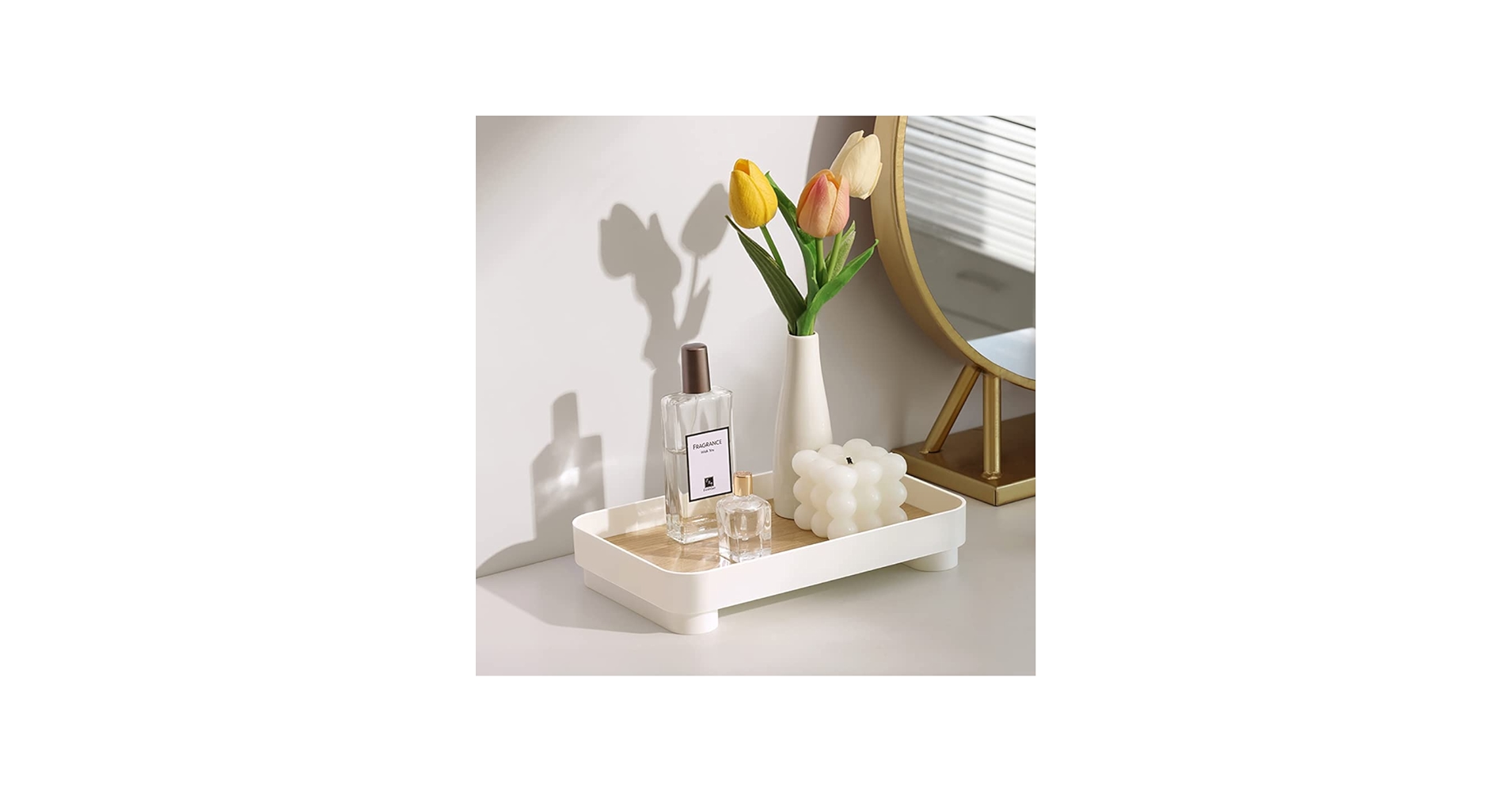
The one plant, one tray rule
On a vanity, keep it to a single plant plus your daily essentials corralled on a tray. A small pothos, philodendron, or aglaonema works well here.
- Choose a tray in stone, wood, or aged brass for warmth.
- Pick a pot that echoes your hardware. Black pot with black faucet, warm ceramic with brass.
Ledge plants that look intentional
If you have a tub ledge or a deep sill, create a tiny still life with two heights.
- Height 1: A bird’s nest fern or peace lily.
- Height 2: A small candle or amber bottle, away from splash zones.
Keep pots in waterproof cachepots or use a saucer so you are not trapping moisture against stone or wood.
Shower styling (without rot)
The shower is tempting, but constant water and low airflow can cause problems. If you want that lush shower look:
- Choose pothos or philodendron.
- Hang it so it gets humidity but not constant direct spray.
- Optional hack: If your bathroom is very dim, moving it to brighter light occasionally can help. Try a few days every couple of weeks and see how it responds. One day a week might be enough for some setups, but it is not a guarantee.
Care, simplified
A bathroom can be forgiving because of humidity, but it can also hide issues like low light and poor airflow. Here is the low-effort routine that keeps plants happy.
- Match water to the plant: Let snake plant and ZZ dry almost fully. Keep ferns and peace lilies more evenly moist, but never soggy. Pothos, philodendron, aglaonema, and cast iron plant usually like to dry a bit between waterings.
- Water less than you think: Humidity does not replace watering, but it slows evaporation. Check soil with your finger before watering.
- Prioritize drainage: Even decorative pots should have a nursery pot inside, or a setup that prevents roots from sitting in water.
- Vent after showers: Run the fan for 15 to 30 minutes after a shower, or crack the door if you can. Plants like humidity, but they do not love stagnant air.
- Avoid heat and AC blasts: Keep plants away from heater vents, radiators, and strong AC drafts. That airflow can crisp leaves fast.
- Rinse residue: Bathroom plants can collect hairspray or cleaning mist. A gentle shower rinse once a month helps.
- Watch for yellow leaves: Usually overwatering or too little light. In bathrooms, it is often both at once.
If you only remember one thing: low light plus wet soil is where most bathroom plants fail. Keep the light as good as you can, and keep the soil on the drier side for the tough plants.
Quick picks by vibe
Spa feel
- Peace lily near the window
- Bird’s nest fern on a ledge
- Matte white or warm stone pots
Vintage and moody
- Cast iron plant in a dark glazed pot
- Snake plant with a slightly patinated brass plant stand
Tiny rental bathroom
- Pothos on a high shelf
- Heartleaf philodendron in a small counter pot
- One cohesive tray to keep clutter calm
FAQ
Are orchids low-light bathroom plants?
Most common orchids (like phalaenopsis) like bright indirect light. They love humidity, but in a genuinely low-light bathroom they will struggle to rebloom. If your bathroom has a bright frosted window, they can be lovely.
Will mold be an issue with plants in bathrooms?
It can be if soil stays constantly wet and airflow is poor. Use pots with drainage, avoid overwatering, and run the fan after showers when possible.
What is the easiest plant for a windowless bathroom?
Snake plant and ZZ plant are the most reliable. Add a small grow light if you want faster growth or a wider variety of plants.
Are these plants safe around pets and kids?
Many popular bathroom plants are toxic if chewed, including pothos, philodendron, peace lily, ZZ plant, aglaonema, and snake plant. If you have curious pets or little kids, place plants up high, choose a safer alternative, or skip plants in that room.
One last cozy thought
Bathrooms can feel like purely functional boxes, especially in apartments. A single plant changes the energy fast. It adds softness, texture, and that quiet sense of life that makes a home feel like yours. Start with one sturdy plant, place it where you will actually see it, and let it become part of your daily rituals, steam and all.