Bed Bugs in Sofas: First Checks for Renters

Clara Townsend
Clara Townsend is an interior stylist, vintage furniture enthusiast, and the creative voice behind Velvet Abode. With over a decade of experience transforming both cramped city apartments and sprawling fixer-uppers, she believes that a beautiful home is built on personal stories rather than massive budgets. When she isn't hunting for the perfect brass sconce at a local flea market, she can usually be found rearranging her living room for the third time this month.
If you are reading this while side-eyeing your sofa, take a breath. Bed bug situations feel deeply personal, but they are usually just logistics: identify, contain, document, and treat. As a renter, your superpower is moving calmly and keeping a paper trail, not emptying your cart on “miracle” sprays at 2 a.m.
This guide walks you through first checks for upholstered furniture, what you can safely do yourself, and when it is time to bring in professional help, especially if you share walls with neighbors.
First: contain the chaos
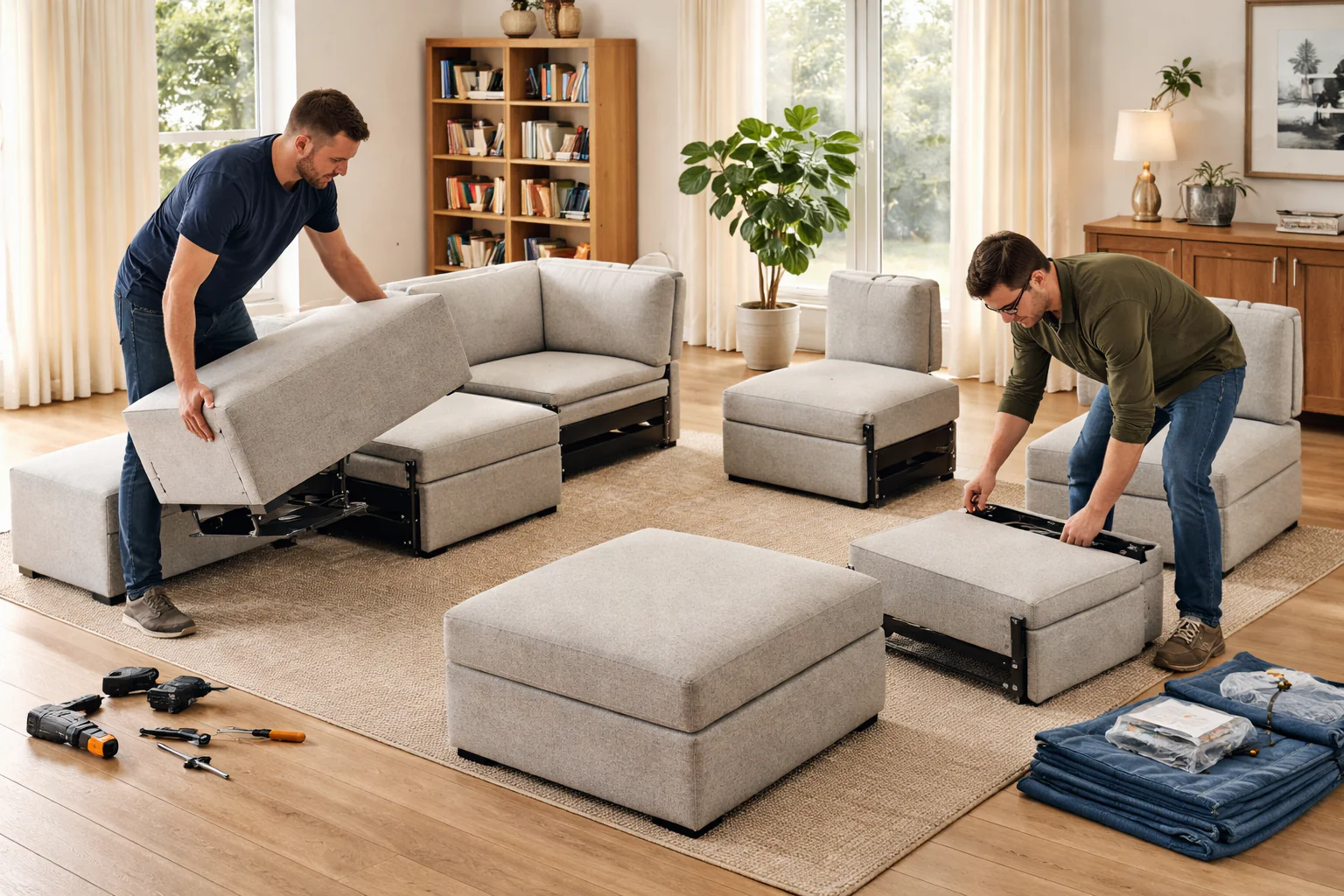
The goal for the first hour is to avoid spreading a possible problem from the sofa to the rest of your home.
- Do not move the couch through hallways or into another room “just to clean.” That can drop hitchhikers along the way.
- Pause laundry piles near the sofa. Move loose textiles (throws, slipcovers, kids’ blankets) straight into sealable bags.
- Clear the floor perimeter around the sofa so you can inspect without dragging items across fabric.
- Skip bug bombs and foggers. Public health and extension guidance generally does not recommend them for bed bugs. They are usually ineffective, can increase pesticide exposure, and may scatter bugs into harder-to-treat spots.
Quick reality check: a single bite is not proof. Skin reactions vary wildly, and many “bite-looking” rashes are not bed bugs. What matters is evidence in the furniture.
Confirm it is bed bugs
Before you spiral, know this: a lot of things can mimic bed bugs or bed bug bites. If you can, capture a sample and get it identified by a licensed pest pro or a local extension office.
- Carpet beetles: fuzzy larvae, shed skins, and irritation that looks like bites but is usually a skin reaction.
- Fleas: jumpy, often tied to pets, bites commonly show up on ankles and lower legs.
- Bat bugs: extremely similar to bed bugs and typically linked to bat activity in attics or wall voids.
If you find a bug, clear tape on white paper or a small sealed jar beats a blurry photo every time.
What to look for on a sofa
Bed bugs prefer tight, hidden spaces close to where people rest. Sofas are prime real estate because of seams, folds, and the cozy darkness under cushions.
Tools that help
- A bright flashlight or phone light
- A thin card (old gift card) to run along seams
- Disposable gloves
- Clear tape or a small jar for capturing a sample
- White paper towel (makes dark specks easier to see)
- If you have one: a vacuum with a crevice tool
Signs you are hunting
- Live bugs: flat, oval, reddish-brown, apple-seed sized adults. Nymphs are smaller and lighter.
- Cast skins: translucent shells they shed as they grow.
- Eggs: tiny (about 1 mm), white to pale, and pearl-like. They are usually tucked into fabric folds and corners, not sitting out in the open.
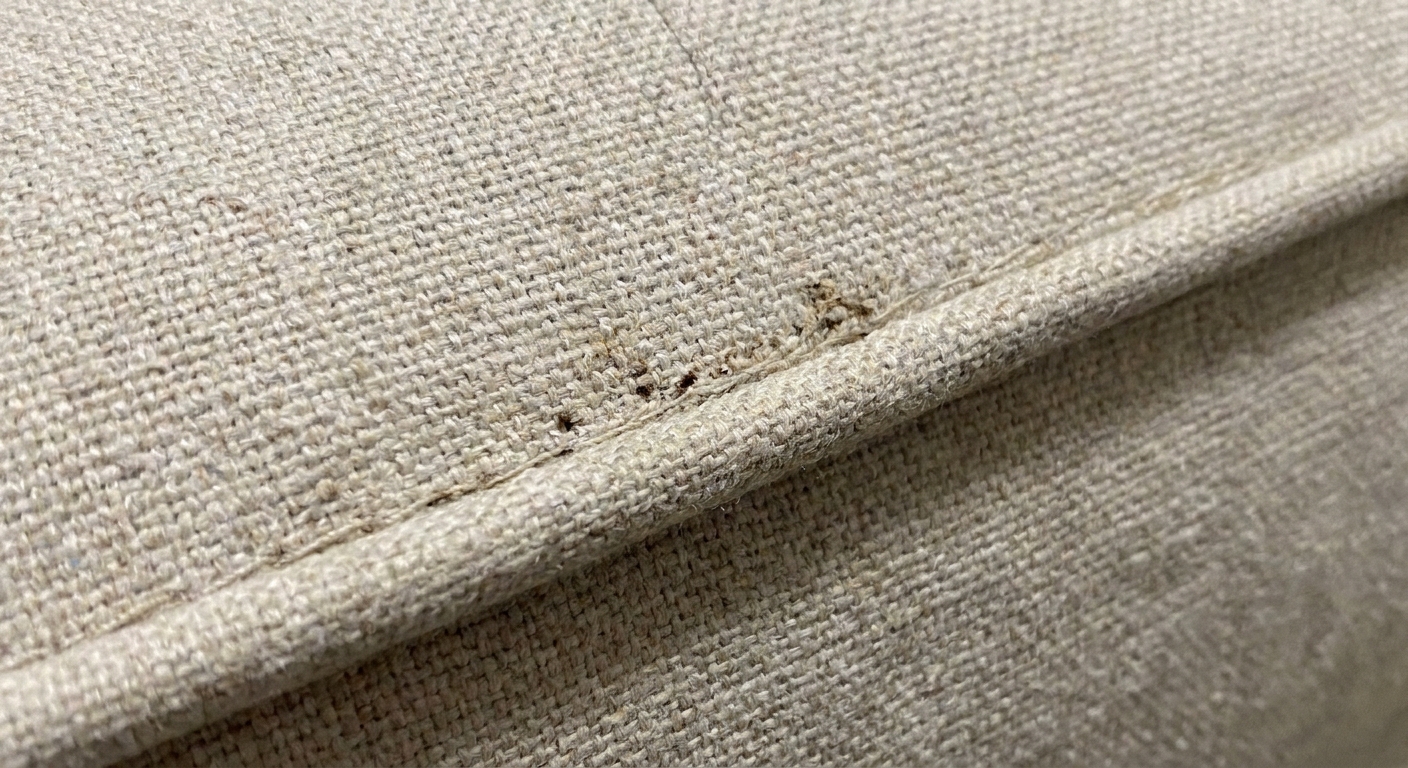
- Fecal spots: peppery dark dots that can smear brownish-red if dabbed with a slightly damp paper towel (smearing helps, but it is not a perfect test on its own).
- Blood specks: small rust-colored stains on cushion covers or nearby textiles.
Where to inspect first
If you only have the energy for one pass, focus on the most likely hiding zones. I like to work from “soft” to “structural.”
1) Cushions and covers
- Remove every cushion and inspect all four edges, especially piping and welting.
- If there is a zipper, open it and inspect the inside fold where the zipper tape meets fabric.
- Check the underside of cushions, where people rarely look and bugs love to tuck in.
2) Seat and back seams
- Run a card slowly along seams to coax out debris.
- Pay extra attention where the back meets the seat, and where arms meet the body.
3) Under the sofa
Flip the sofa only if you can do it safely and without dragging it through the room. Use furniture sliders if you have them, or recruit a friend.
- Inspect the black fabric dust cover underneath. Tears and stapled edges are common hiding areas.
- Look along the wood frame joints, staples, and any cracked or rough wood.
- Check around legs and caster plates.
First 48 hours: what helps
There is a big difference between “knockdown” products and a plan that stops an infestation. Many over-the-counter sprays are misused, may scatter bed bugs into new hiding spots, and can complicate control. They can also contribute to pesticide resistance over time when they are overapplied or applied incorrectly. As a renter, you also need to think about lease rules, shared ventilation, and building policy.
Also important: vacuuming and steam can reduce numbers and help you confirm what is going on, but they rarely solve an established infestation on their own.
Helpful, low-drama actions
- Vacuum carefully: Use the crevice tool on seams, under cushions, and along the frame. Work slowly. Skip brush attachments that can fling debris or snag eggs into the bristles.
- Seal and discard vacuum contents: If bagged, remove and seal the bag. If bagless, empty into a plastic bag, seal, and take it outside. Wash the canister if possible.
- Clean the tool, too: Wipe down the crevice tool and vacuum nozzle after use, then bag any wipes or debris.
- Steam, if you can do it correctly: Steam can kill bed bugs on contact, but only if the surface temperature gets hot enough. Aim for a contact surface temperature of about 160°F (71°C) or higher and move slowly (think about 1 inch per second). Keep the head close to the fabric and avoid soaking the upholstery.
- Reduce clutter around the sofa: Fewer hiding places means easier treatment and better inspection.
Things to skip
- Foggers and “bug bombs”
- Random essential oil blends as a primary treatment
- Soaking the sofa with harsh chemicals that can stain fabric and still not solve the issue
Pesticide safety note
If you use any pesticide, use only products labeled for indoor bed bug control and approved for the surface you are treating. Never apply anything not labeled for upholstered furniture. Follow the label exactly, keep kids and pets away, and do not mix chemicals. In some buildings, self-treating can conflict with management policy, so check before you spray.
Deep cleaning: when it helps
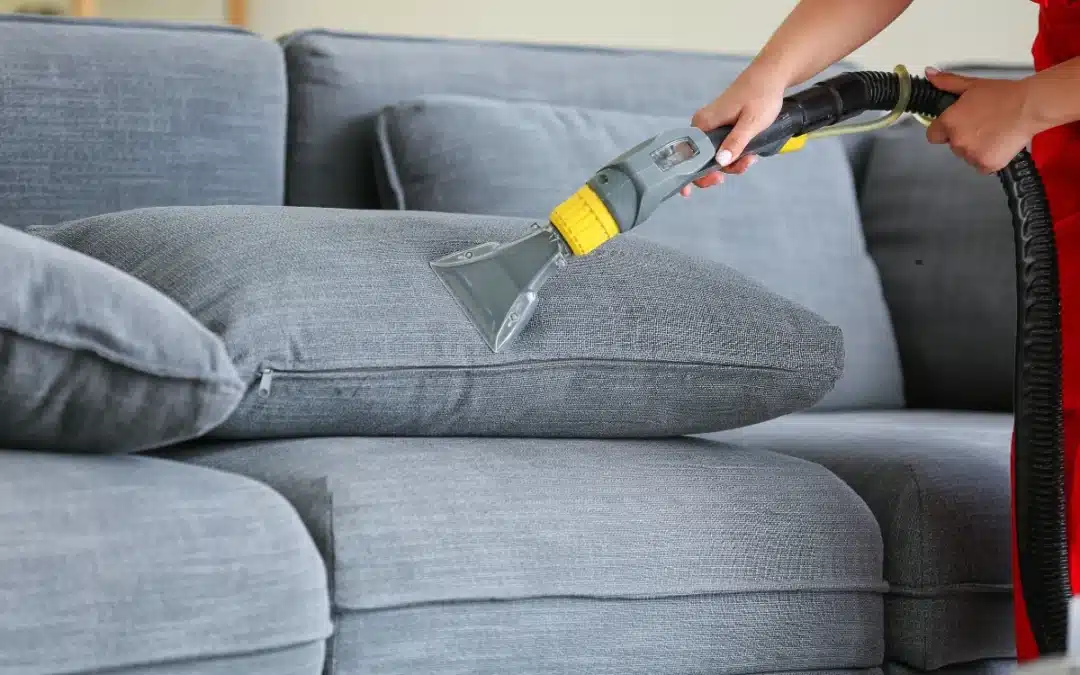
Deep cleaning can be useful as part of a larger strategy, but it is rarely the entire solution if bed bugs are established.
Deep cleaning can help when
- You have no confirmed evidence yet, but you want to clean and inspect thoroughly.
- You found a small amount of evidence and you are waiting on professional treatment.
- You are using cleaning as containment support to reduce numbers.
Deep cleaning is not enough when
- You are seeing live bugs repeatedly.
- Evidence is present in multiple areas: sofa, bed, baseboards, outlets.
- You live in a building with shared walls and the problem may be traveling.
If you hire an upholstery cleaner, be upfront about the concern. Many will not treat suspected infestations because it risks spreading to their equipment and other homes.
Bagging and heat treating
Textiles near the sofa are often the easiest win, because they can be heat-treated without guessing.
What to bag now
- Throws, pillow covers, slipcovers
- Nearby curtains that touch the sofa
- Pet blankets and soft toys stored in the same area
Use clear or white bags if possible, seal tightly, and label them so you are not reopening bags repeatedly.
Dryer basics
- Dryer on high heat is your friend for many washable fabrics. When appropriate, you can run items in the dryer first (to kill bugs), then wash.
- Time matters: a practical rule of thumb is at least 30 to 45 minutes on high heat once items are tumbling freely. Bulkier loads may need longer to heat all layers.
Be cautious with
- Vintage or delicate textiles: wool, silk, rayon, trims, glued backings, and anything with “dry clean only” tags. Heat can shrink, warp, or delaminate.
- Leather and faux leather cushions: heat can crack finishes.
- “Leave it in a hot car” strategies: sometimes it works in extreme heat, but temperature is inconsistent and often does not reach lethal heat in all layers unless you monitor it with a thermometer and give it enough time.
For delicate pieces you love, consider professional dry cleaning with disclosure, or sealing items until a professional confirms next steps.
Monitor the area
If you are trying to confirm activity, monitoring helps you avoid guessing. For sofas, consider interceptors under the legs (often sold as climb-up style traps). They do not solve an infestation, but they can help detect bugs and show whether numbers are changing after treatment.
Sofa encasements exist for some styles. They can be helpful in specific situations, but fit is tricky and they are not a magic shield. A pest pro can tell you whether it is worth it for your specific couch.
Throw the sofa out?
I know the impulse. I have felt it in my bones, standing in a too-small apartment imagining the couch as a villain. But replacement is not always the fastest or cheapest fix, and it can make things worse if you move the sofa through shared spaces.
Consider keeping and treating if
- The sofa is structurally sound and you have limited evidence.
- You can get professional treatment quickly.
- Your building may have a broader issue that replacement will not solve.
Consider replacement if
- The sofa is heavily infested and treatment costs exceed value.
- It is a cheap, hollow-framed piece with many internal voids that are hard to treat.
- You are already planning to replace it and you can dispose of it safely per building rules.
If you do dispose of it, wrap it (plastic sheeting), label it clearly (per local guidelines), and coordinate with management so it does not sit in a hallway or by the elevator like an unwanted party favor. If allowed, render it unusable (for example, slash the fabric) to reduce the odds someone takes it home.
When to call professionals
Call a licensed pest control professional when you have confirmed evidence, or when you suspect the issue extends beyond one piece of furniture.
It is urgent if
- You live in an apartment, condo, or townhouse with shared walls.
- You have bites plus visible signs in the sofa or bed.
- You have tried DIY measures and evidence continues.
Ask what approach they use. Integrated Pest Management (IPM) usually combines inspection, targeted treatments, and monitoring rather than heavy, broad spraying. In multi-unit buildings, coordinated treatment is often necessary, so ask whether adjacent units will be inspected and what the building’s process is.
Document for your landlord
Your goal is to be clear, factual, and fast. Many leases require prompt reporting of pests, and early notification protects you.
What to collect
- Date-stamped photos of evidence: spots along seams, cast skins, or captured bugs.
- A short log: when you noticed bites, where you saw evidence, what rooms are affected.
- A sample if possible: use clear tape to capture a bug or skin, or seal in a small jar or bag.
What to write
Keep it short and practical:
Hello [Name], I am reporting a possible bed bug issue in my unit. On [date], I found [describe evidence] on/near the living room sofa and took attached photos. I would like to request a professional inspection and next steps per building policy. Please confirm how you would like me to prepare the unit and whether adjacent units will also be inspected.
Do not admit fault, do not speculate about where they came from, and do not wait until you are “100% sure.” Reporting early is responsible, not embarrassing.
Prep for an inspection
- Do not move items from room to room. Contain in bags.
- Pull the sofa slightly away from the wall if requested, but only after you have bagged nearby textiles.
- Reduce floor clutter around baseboards.
- Keep pets secured so the technician can work.
- Ask whether you should launder textiles before or after treatment.

Save this renter checklist
- Inspect: cushions, seams, zippers, underside dust cover, frame joints
- Confirm: capture a sample if possible and consider professional or extension ID
- Contain: bag textiles, avoid moving the sofa through the home
- Clean smart: vacuum with crevice tool, seal and discard contents
- Heat-treat washable fabrics: high heat in the dryer for at least 30 to 45 minutes
- Steam slowly: aim for about 160°F (71°C) or higher at the surface
- Monitor: consider interceptors under sofa legs
- Skip foggers and panic sprays
- Document: photos, dates, notes, sample if possible
- Notify landlord promptly and request professional inspection
If you want the most comforting truth: you are not “dirty,” you are not alone, and you do not have to solve this with sheer willpower. A clear inspection, steady containment, and the right professional support is how renters get their homes back.