Bean Bag and Floor Pillow Care

Clara Townsend
Clara Townsend is an interior stylist, vintage furniture enthusiast, and the creative voice behind Velvet Abode. With over a decade of experience transforming both cramped city apartments and sprawling fixer-uppers, she believes that a beautiful home is built on personal stories rather than massive budgets. When she isn't hunting for the perfect brass sconce at a local flea market, she can usually be found rearranging her living room for the third time this month.
Bean bags and big floor pillows are the unsung heroes of real life. They catch movie-night popcorn, sleepy pets, post-work flops, and the occasional “I will definitely drink this coffee carefully” lie. The good news is they are usually easier to maintain than upholstered sofas, as long as you treat the cover, the zipper, and the fill like three separate little worlds.
This is my Velvet Abode care routine for keeping them clean, lofty, and inviting, without turning your living room into a blizzard of foam bits or runaway beads.
Quick reality check: Always defer to your manufacturer tag and materials, especially for specialty fabrics, waterproof liners, and kid-safe zipper systems. When in doubt, patch test and go gentler than you think.
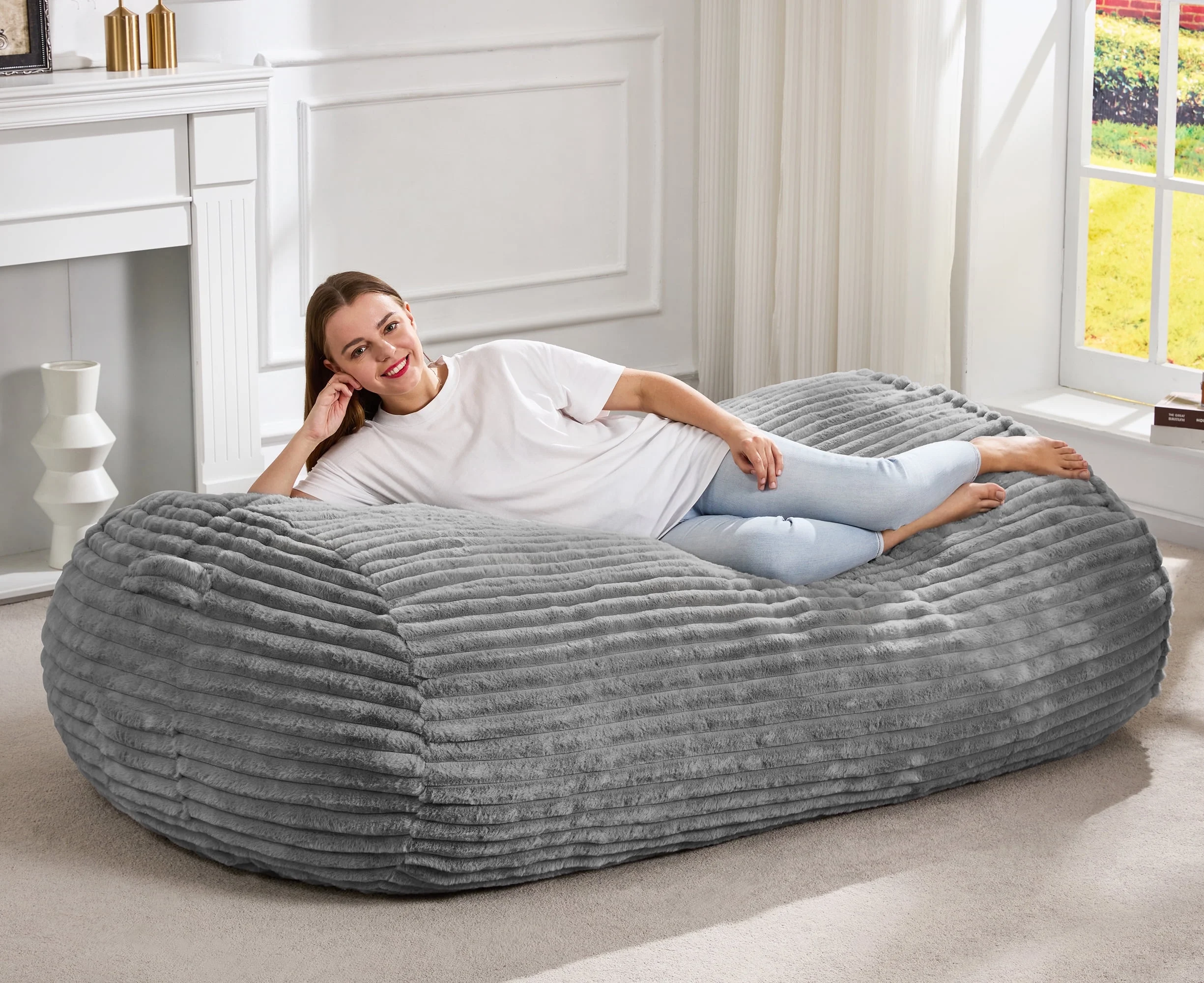
Know what you are cleaning
Before you attack a stain, take thirty seconds to figure out what you actually have. Most quality bean bags and floor pillows are built in layers:
- Outer cover: the washable, touchable part. Often cotton, canvas, velvet, faux fur, boucle, or performance fabric.
- Inner liner (sometimes): a protective shell that holds the fill. This is your best friend during spills.
- Fill: usually EPS beads (tiny polystyrene beads) or shredded foam. Less common: microbeads, kapok, buckwheat hulls, or polyester fiber.
If you have a liner, most “disasters” stop at the cover. If you do not have a liner, treat every zipper opening like you are handling glitter at a wedding.
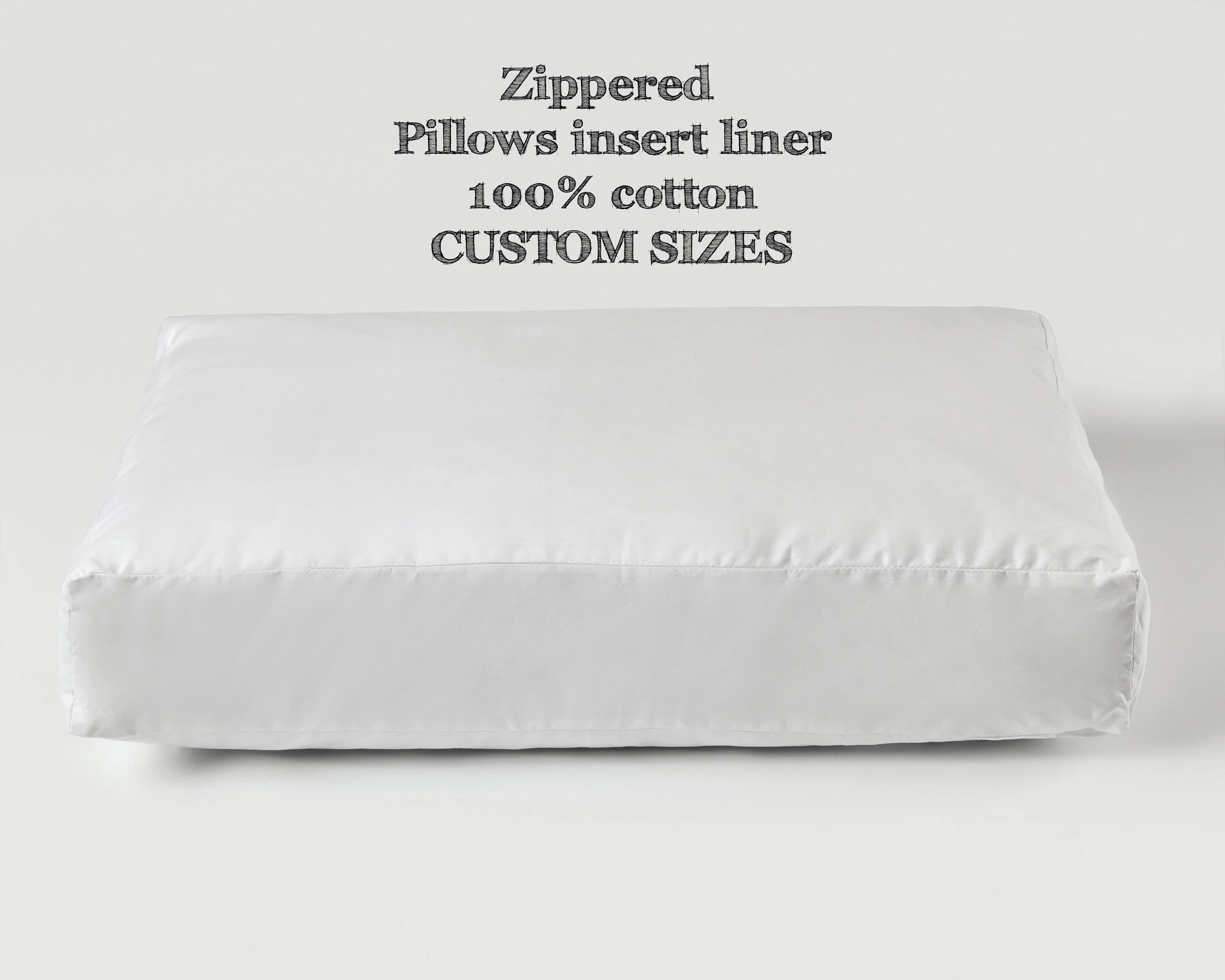
Zipper safety
If you have EPS beads, the real mess is not the spill, it is the moment the zipper sneaks open and your home becomes lightly static-charged forever.
Quick zipper rules I swear by
- Open over a sheet: Spread an old bedsheet on the floor first. If beads or foam fall, you can gather the corners and funnel them back.
- Reduce static (gently): Higher humidity can reduce static. If your air is desert-dry, run a humidifier nearby, or do a very light mist into the air away from the fabric so droplets do not settle on the cover.
- Use two hands on the zipper: One hand stabilizes the seam while the other pulls. This prevents ripping stitches, especially on chunky knits and faux fur.
- Check for a safety zipper: Some models, especially children’s bean bags, have a second safety zipper that opens with a paperclip. Keep it engaged. It is not a nuisance, it is a sanity saver.
Small safety note (kids, pets, and vacuums)
- Choking hazard: EPS beads and microbeads are small and sneaky. Keep them away from kids and pets, and clean spills right away.
- Protect your plumbing: Do not rinse beads down a sink or drain.
- Vacuum carefully: If you must vacuum loose beads, use a vacuum with a bag or a canister you can empty outside. Upholstery attachments help, but go slow so you do not create a bead tornado.
Spot-cleaning by fill type
Spill strategy depends on what is inside. With EPS-filled pieces, avoid heat and heavy moisture. With shredded-foam pieces, avoid trapping dampness. The goal is always the same: get moisture and residue out fast, then dry thoroughly.
If it is filled with EPS beads
What EPS is like: lightweight, springy, and very prone to static. It does not absorb liquid, but liquid can slip through seams or sit in a liner, which can lead to odors.
- Step 1: Blot, do not rub. Use clean towels and press firmly. Rubbing pushes stains deeper and roughs up the pile on velvets and faux furs.
- Step 2: Use a gentle solution. Mix a few drops of mild dish soap in cool water. Dampen a cloth, then dab the stain from the outside in.
- Step 3: Rinse lightly. Use a separate cloth with plain cool water to remove soap. Leftover soap attracts dirt.
- Step 4: Dry thoroughly. Towel-blot, then air-dry with a fan. Skip hot hair dryers. Heat can warp some synthetics, and you do not want warmth and moisture lingering near the liner.
How to tell it is actually dry: no cool or damp feel to the touch, and no “wet laundry” smell when you put your nose near the spot. If it smells even slightly damp, keep the air moving.
For oily stains (pizza hands, lotion, makeup): Sprinkle baking soda or cornstarch, let sit 15 to 30 minutes, then vacuum gently with an upholstery attachment before using any water.
If it is filled with shredded foam
What shredded foam is like: comfy, moldable, and better at “refluffing” than beads. It can hold onto odors if it gets damp and stays damp.
- Step 1: Blot immediately. Get as much liquid out as possible.
- Step 2: Spot-clean the cover. Same mild soap approach as above, unless the care label recommends a specific cleaner.
- Step 3: Check for seep-through. If liquid reached the foam, unzip and feel for dampness. If it is wet, you need airflow.
- Step 4: Air out the foam. Spread the pillow open in a dry room with moving air. Rotate and fluff every hour or two until fully dry. If you can smell moisture, it is not done.
A note about enzymes: For pet accidents or milk spills, an enzyme cleaner can help on the cover and liner. Patch test first. Avoid saturating the interior.

Washing removable covers
The biggest cover-washing mistake is treating it like a bath towel. Many bean bag and floor pillow covers are oversized and heavy when wet, and that can stress seams and zippers.
Before you wash
- Read the tag: I know, I know. But it tells you whether the fabric is pre-shrunk and whether heat is the enemy.
- Zip it closed: This protects the zipper teeth and prevents snagging.
- Turn inside out: Helps preserve color and pile on velvet-like fabrics.
- Shake out debris: Crumbs love to hide in the corners and can redeposit as grime.
Machine-wash settings that work for most covers
- Water: Cold or cool.
- Cycle: Gentle or delicate.
- Detergent: Mild, no bleach, no optical brighteners if you have dark or richly colored fabric.
- Load size: Give it space. If it crowds the drum, consider a laundromat’s larger machine.
Drying, the shrinkage danger zone
- Best option: Air-dry flat or draped over a drying rack, then finish with 5 to 10 minutes in the dryer on no heat or air fluff to soften.
- If you must use heat: Use low heat and pull it while it is still slightly damp. Then reshape and let it finish air-drying.
- Never bake faux fur or long pile: Heat can melt tips and turn it permanently scraggly.
My reshaping trick: Put the damp cover back on the liner for 10 minutes, smooth it into shape, then take it off again to finish drying. This helps it dry in the right proportions.
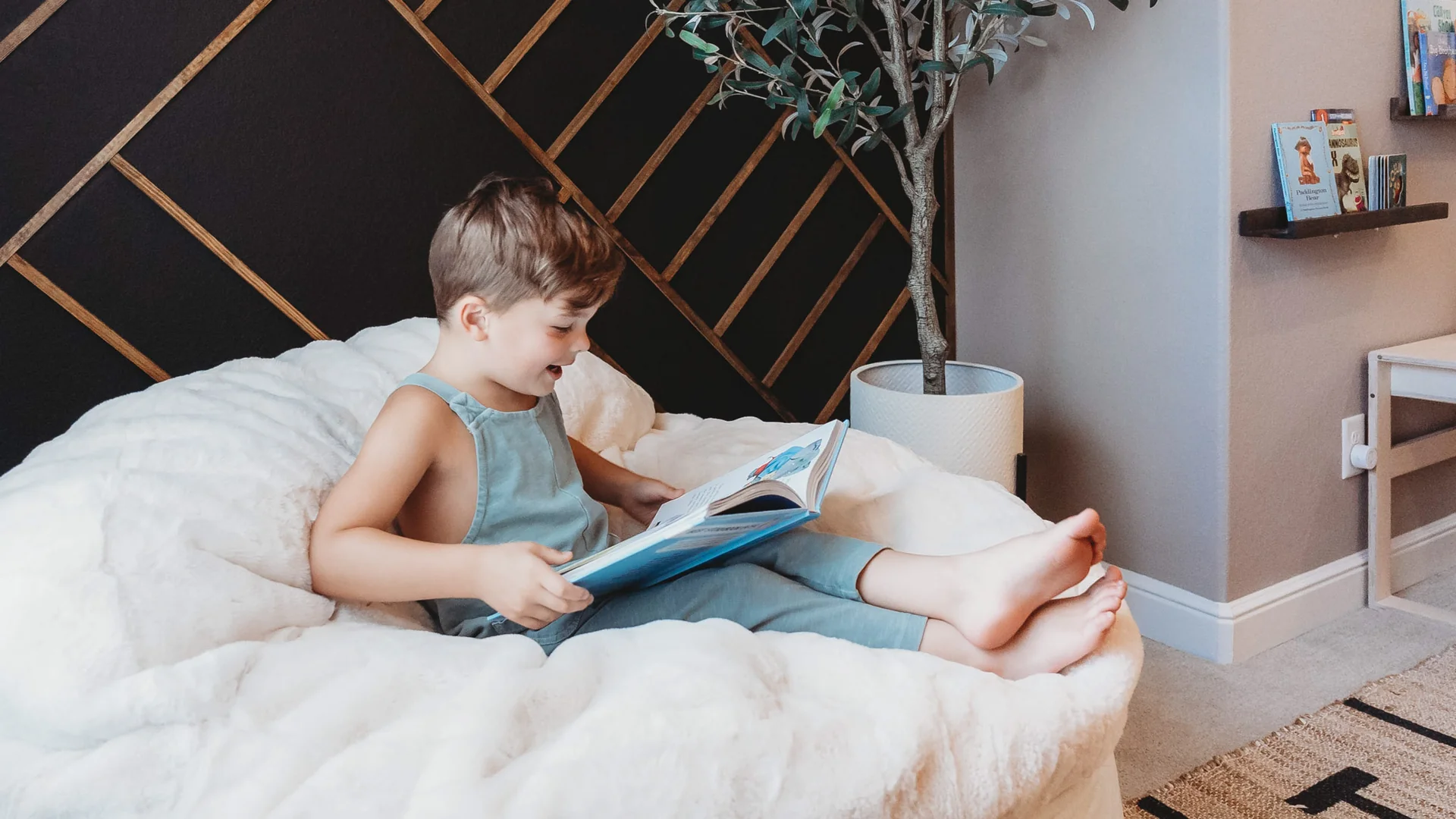
Odors and airing out
Sometimes your bean bag or floor pillow is not “dirty,” it is just… lived in. Between body heat, snacks, and pets, soft seating can hold onto smells.
For the cover
- Fresh air: Hang it outside in shade for a few hours if possible.
- Baking soda: Sprinkle, let sit 30 to 60 minutes, then vacuum with upholstery attachment.
For the inner liner and fill
- Unzip and vent: Open the cover and liner slightly and aim a fan at the opening for a few hours.
- Sunlight, with caution: A short sunbath may help odors, but too much direct sun can fade covers and may make some liners more brittle over time. Morning light for an hour is plenty.
Avoid: Heavy fragrance sprays. They tend to mix with old odors rather than remove them, and they can leave residue that attracts dirt.
Refluffing
Bean bags and floor pillows go flat for two reasons: the fill compresses, and the fill migrates to places you do not want it. Refluffing is basically redistributing and reintroducing air.
EPS bead refluffing
- Shake and roll: Stand it up, give it a few firm shakes, then roll it on the floor like you are kneading dough.
- Flip weekly: Rotate which side gets the most sitting. This prevents permanent “butt crater” architecture.
- Break up clumps: If beads are sticking due to humidity or static, open the cover and gently massage the liner to loosen them.
Shredded foam refluffing
- Massage and pull: Pull the pillow outward at the corners, then scrunch and knead the center to break up compressed foam.
- Air it: Unzip for 15 to 30 minutes while you fluff. Foam perks up when it can breathe.
- Optional tumble: If the cover only is dryer-safe, a short no-heat tumble can help soften and lift texture.
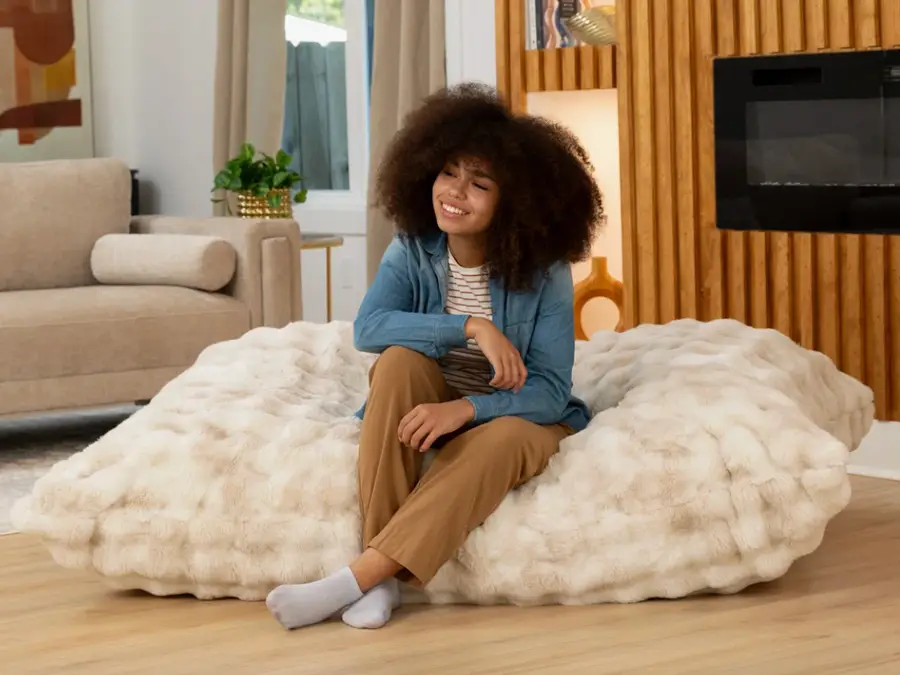
Refills and how to do them neatly
At a certain point, refluffing is like trying to revive a stale croissant with positive thoughts. If your seat no longer supports you, or it feels lumpy no matter what you do, it is refill time.
Signs you need more fill
- You regularly hit the floor beneath the pillow or bean bag.
- The shape collapses within minutes of sitting.
- You can feel hard clumps (common with older shredded foam).
- Odors persist even after airing out and washing the cover (fill can hold onto smells).
Choosing the right refill
- EPS beads: Light, classic “bean bag” feel. Look for virgin EPS for the most consistent loft. Recycled EPS can be fine, but quality varies by supplier and it can be less consistent in size and sound.
- Shredded foam: More structured, sofa-cushion vibe. A mix of shredded foam with a little fiber can feel extra plush and less lumpy.
Refilling without chaos
- Work inside a sheet “tray”: Spread a sheet, then sit the bean bag in the center.
- Use a funnel: A wide plastic funnel helps. For foam, a clean cardboard tube can guide pieces in.
- Add in small batches: Pause to redistribute every few handfuls so you do not overfill one area.
- Do not overstuff: You want a little give. Overfilling strains seams and makes the seat feel perched rather than cozy.
Pro tip: If you are unsure, add less than you think, live with it for a day, then top up. Fill settles.
Fabric cheat sheet
- Cotton canvas: Durable, usually machine-washable. Cold wash helps prevent shrinkage and fading.
- Linen blends: Can shrink and wrinkle. Air-dry and reshape while damp.
- Velvet (cotton or poly): Spot-clean gently, avoid heavy soaking. Brush pile softly once dry.
- Boucle and nubby textures: Vacuum with upholstery attachment often. Be gentle with snag-prone loops.
- Faux fur: Shake out, spot-clean, air-dry. Avoid heat.
- Performance fabric: Often easiest. Still avoid harsh degreasers and always rinse soap out.
If the cover does not come off
Not every bean bag or floor pillow has a removable cover. And some covers are dry-clean-only, which is basically the universe telling you to slow down and be polite.
- Vacuum first: A quick pass with an upholstery attachment solves more “mystery grime” than you would think.
- Spot-clean only: Use minimal moisture and a mild cleaner that matches your fabric type. Always patch test.
- Dry-clean-only tags: Treat them as real instructions, not a vibe. If you need a full refresh, call a professional cleaner or follow the brand’s recommended method.
- When to call backup: Large stains, smoke smells, or anything that soaked into the interior and will not dry quickly.
What not to use
- Bleach (unless the label explicitly allows it).
- Harsh solvents that can strip dye or melt synthetics.
- High-heat steamers on faux fur, velvet, or near EPS liners and fill.
- Soaking the interior, especially foam. Damp trapped inside is how odors become roommates.
- Heavy fragrance sprays as a substitute for cleaning.
Prevention upgrades
If your home includes kids, pets, or enthusiastic snack confidence, prevention is your best low-effort flex.
- Add a waterproof liner or protector: Especially helpful if your piece did not come with an inner liner.
- Keep a throw blanket nearby: It is the easiest washable “seat cover” you will ever own.
- Do a fast crumb sweep: A handheld vacuum around seams once a week keeps the fabric from turning snacks into permanent grit.
A simple care rhythm
If you want your bean bag or floor pillow to feel like a comforting hug instead of a slightly sad dorm relic, this is the schedule that actually sticks:
- Weekly: Shake, flip, quick vacuum around seams and piping.
- Monthly: Baking soda deodorize, then vacuum. Air out for an afternoon if weather allows.
- Seasonally: Wash removable cover (or deep spot-clean), inspect zippers and seams, refluff with intention.
- As needed: Refill when support is gone, not when you are mildly annoyed.
Comfort pieces deserve real care. Not fussy care, just the kind that keeps them ready for the next chapter of your life, whether that is a new apartment, a new pet, or your third living room rearrange this month.