Ash and Soot on Upholstery

Clara Townsend
Clara Townsend is an interior stylist, vintage furniture enthusiast, and the creative voice behind Velvet Abode. With over a decade of experience transforming both cramped city apartments and sprawling fixer-uppers, she believes that a beautiful home is built on personal stories rather than massive budgets. When she isn't hunting for the perfect brass sconce at a local flea market, she can usually be found rearranging her living room for the third time this month.
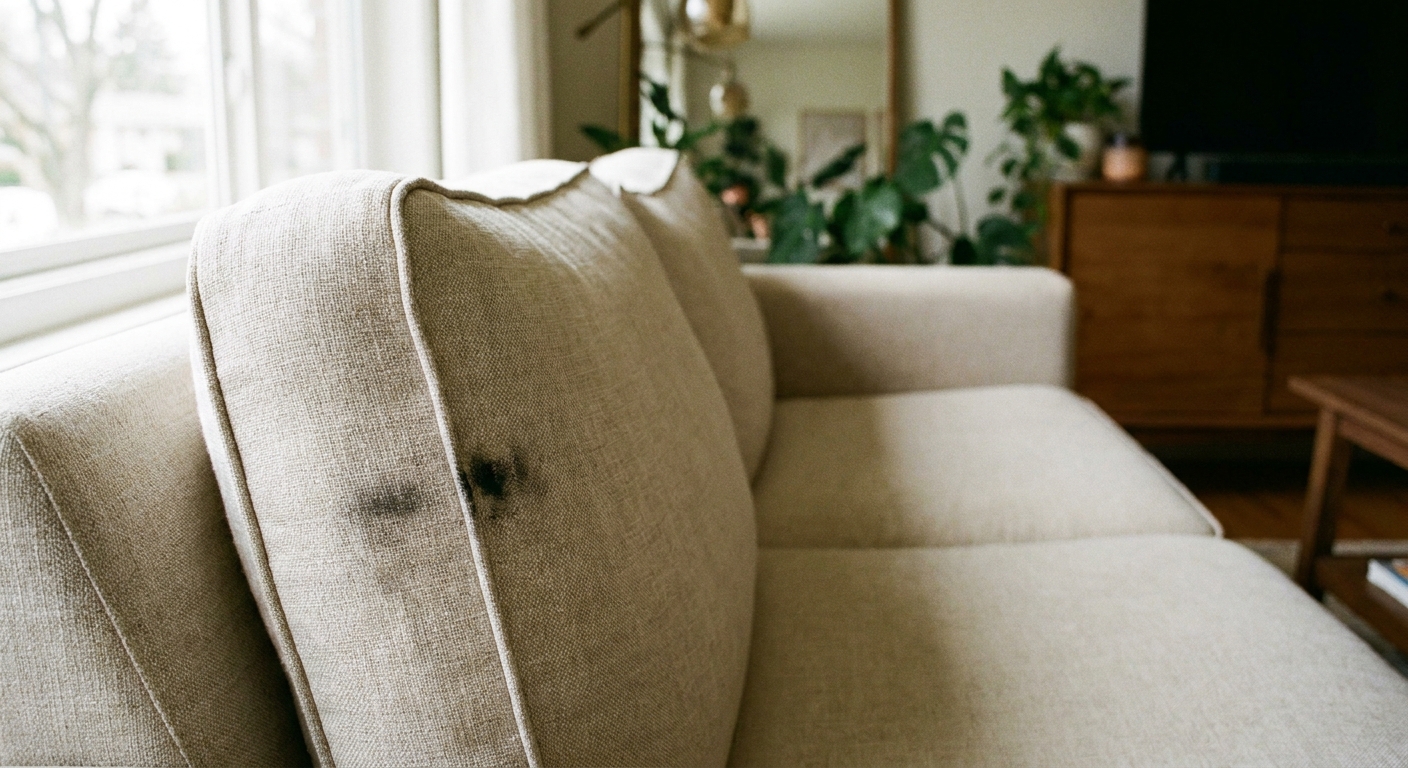
Ash and soot have a special talent for making a small moment feel like a full-blown disaster. One smoky candle that tunneled, a fireplace puff-back, a singed wick you caught in time, and suddenly your beautiful upholstery is wearing a gray smudge like a bad mood.
The good news is that ash and soot start as a particle problem, which means the order you clean in matters more than buying a fancy product. The asterisk: soot can also have oily, tar-like components , especially from candles and fires, so it can behave like a greasy stain after the loose dust is gone. If you rush in with water, you can grind pigment deeper into fibers and create the very stain you were trying to avoid. Let’s do this the calm, clean way.
Ash vs. soot vs. smoke smell
These get lumped together online, but they behave differently.
- Ash: usually light gray, powdery residue from wood or paper. It sits on top at first, then migrates into weave if rubbed.
- Soot: finer carbon particles from candles, fireplaces, or a brief burn. It clings, it smears, and it can have an oily side that bonds to fibers.
- General smoke or cooking odor: often no visible particles at all. It is gases and residues that settled over time, which calls for deodorizing and gentle overall cleaning, not just spot particle removal.
If you can see a dusty deposit or black smudge, treat it like particle removal first. Odor comes later.
What not to do
- Do not wipe with a wet cloth first. Water can turn loose soot into a larger, darker stain.
- Do not scrub. Scrubbing pushes particles down into the backing and frays fibers.
- Do not use a spinning brush roll. Brush rolls can grind soot into fabric and spread it. Use a clean, soft upholstery tool instead.
- Do not use bleach or all-purpose sprays on mystery fabrics. Many upholstery dyes and finishes react badly, especially on vintage pieces.
Think of soot like flour mixed with ink. The goal is to lift, not smear.
The safest order
Step 1: Let it cool and settle
If this came from a candle flare-up or fireplace puff-back, give the area time to fully cool. Then gently pick up any chunky debris with a spoon or a piece of stiff paper. No rubbing.
Step 2: Start with gentle vacuuming if it is very loose
If you have a lot of dry, fluffy fallout, begin with very gentle vacuuming to reduce drifting. A HEPA vacuum is ideal. Use a clean upholstery tool or soft brush attachment, keep suction moderate if you can, and do short passes. Empty the canister or change the bag first if it is already dusty, and make sure the filter is seated properly so you are not redepositing soot.
If this is a bigger event, consider opening windows and wearing a well-fitting mask while you work. Soot is not the kind of “dust” you want to breathe.
Step 3: Dry-brush toward suction
This is the quiet hero step. Use a clean, soft brush, like a natural-bristle paintbrush or a dedicated upholstery brush. Hold the vacuum hose nearby (not touching) and brush toward suction so particles lift and get captured instead of drifting.
- Brush in one direction with light strokes.
- Work from the outer edge toward the center so you do not spread the mess.
- Keep your movements small and controlled, like you are dusting a fragile antique frame.
Step 4: Vacuum with the right tool
Now vacuum again. Use the upholstery attachment or a soft brush head with the brush roll turned off. Avoid hard edges pressed into delicate weaves. Short passes. No grinding the tool into the fabric.
If the cushion cover is removable and washable, still do this dry removal first. Washing a cushion that still has loose soot on it is a recipe for a gray haze.
Optional: A dry cleaning (soot) sponge
If you have one, a dry cleaning sponge (often called a soot sponge or chemical sponge) can be incredibly effective after vacuuming. Use it dry and dab or drag lightly in one direction. Do not scrub. When the surface looks dirty, slice off the top layer or rotate to a clean area. This is especially helpful on textured weaves where soot likes to cling.
Step 5: Choose your method (W, S, WS, X)
Once the loose particles are gone, you may be left with a faint shadow or an oily smudge. That is when you choose a method.
Check your sofa’s care tag (often under a cushion) for a cleaning code:
- W: water-based cleaner is generally OK.
- S: solvent-only upholstery cleaner.
- WS (or SW): either water-based or solvent cleaners may be used with care.
- X: vacuum only. No water, no solvent. This is a pro zone.
If you are unsure of your fabric , test in a hidden spot first. Blot with your chosen method and check for dye transfer, texture change, or watermarking.
Low-moisture cleaning
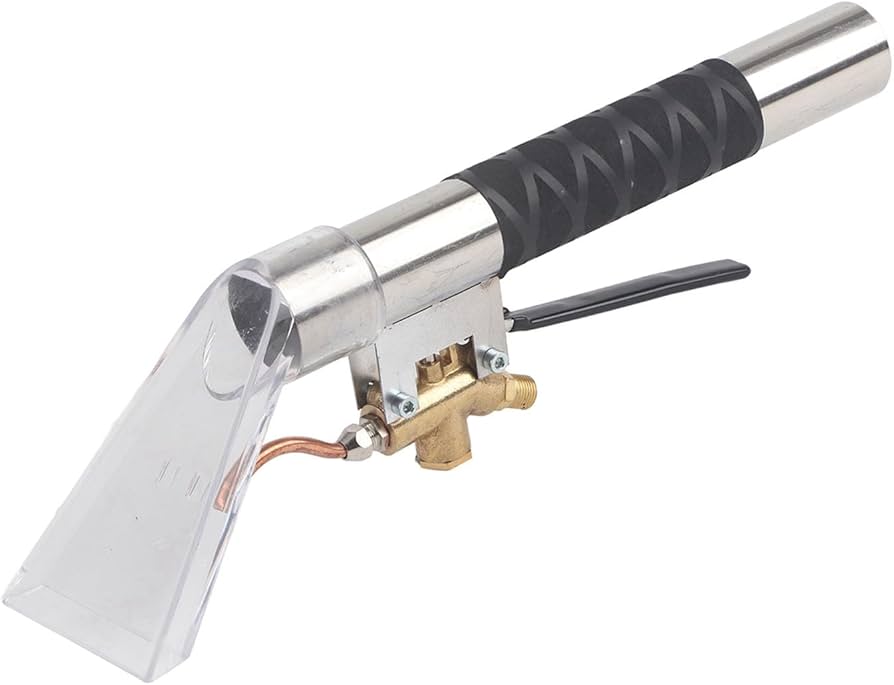
This is not “soak and pray.” We are going for barely damp and lots of blotting.
What you need
- Clean white cloths or paper towels
- A small bowl
- Mild upholstery-safe detergent or a few drops of clear dish soap
- Distilled water (helps avoid rings)
- Optional: a soft upholstery brush
Method
- Mix a very dilute solution: a couple drops of soap in a cup of distilled water.
- Dampen a cloth (do not pour onto fabric). Wring until it feels almost dry.
- Blot. Press and lift. Rotate to a clean area of cloth constantly.
- Feather outward lightly so the cleaned area blends and avoids a visible edge.
- Rinse-blot with a cloth dampened with plain distilled water to remove residue.
- Dry fast: blot dry, then use a fan. Quick drying helps prevent rings and lingering odor.
If the spot is improving but not gone, repeat in short rounds rather than getting the cushion wetter.
Dry-solvent steps
Dry-solvent cleaning is about lifting oily soot without introducing water. Because fabrics and finishes vary wildly, stick to products labeled for upholstery spot cleaning and follow the label.
Best practices
- Ventilate and keep away from flames, pilot lights, and cigarettes.
- Patch test in a hidden seam or under a cushion.
- Apply to a cloth first, then blot the stain, unless the product instructs direct application.
- Work from edge to center to contain the mark.
- Let it evaporate fully before judging the result. Solvent-cleaned fabric can look temporarily darker while it flashes off.
If you see dye transfer, a fuzzy surface change, or a tide ring forming, stop and consider a professional upholstery cleaner. Some velvets, rayons, and antique fabrics are stunning and also famously unforgiving.
Odor comes after particles
Here is the truth: you cannot deodorize soot effectively until you remove the particles. Odor clings to residue. So once the visible issue is handled, you can address any lingering smoky scent.
For light leftover odor
- Fresh air and time: open windows, run a fan, give it 24 to 48 hours.
- Baking soda: sprinkle lightly on dry upholstery, let sit several hours, then vacuum with an upholstery tool. Test first. The most common issue is a pale residue caught in textured weaves or a slightly dulled nap if it is not fully removed.
For stubborn odor
- Activated charcoal: place charcoal odor absorbers near the sofa (not poured on it). Great for enclosed rooms.
- Enzyme sprays are not the main tool: enzymes target organic soils. If the odor is purely smoke, they usually help less. If smoke is mixed with food, drink, or pet residue, an upholstery-safe enzyme cleaner can help, but use it sparingly and do not soak.
If the odor is pervasive throughout the room, that is closer to a whole-space smoke residue problem rather than a single soot spot. At that point, cleaning the sofa alone may not fully fix the smell because walls, curtains, and rugs can all be holding onto it.
Aftercare and prevention
Once you have your cushion looking like itself again, protect it like you would protect a white button-down after laundry day.
Do this when fully dry
- Brush the nap or pile back into place with a soft brush, especially on velvet and microfiber.
- Consider a fabric protector designed for upholstery if you have light linen, cotton, or a pale performance fabric. Patch test first. Apply evenly and allow full cure time with windows open.
- Create a candle landing zone: use a tray under candles, keep wicks trimmed to about 1/4 inch, and avoid drafts that make flames flicker and smoke.
- Fireplace habits: open the flue fully, use a screen, and keep a small handheld vacuum nearby for quick ash control.

If covers are removable
Removable covers can be a gift, but only if you treat them gently.
- Check the care label first and follow it.
- Do all dry particle removal before washing.
- Wash separately (so soot does not migrate to other items) and consider an extra rinse.
- Air dry if recommended , or dry on low if allowed. Heat can set oily residue and can shrink some covers.
Quick triage
Candle soot line on a cushion
Dry removal first (vacuum, then brush toward suction). Then low-moisture blotting if the fabric is W or WS. If it smears when damp, switch to a solvent approach if the code allows, or call a pro.
Fireplace ash sprinkled on the seat
Pick up larger bits, dry-brush toward suction, vacuum. You may not need wet cleaning at all.
Burn scare with a dark kiss mark
If the fibers look melted, crunchy, or missing, that is damage, not dirt. Cleaning can remove soot, but it cannot restore a singe. Consider a slipcover, a strategic cushion rotation, or a professional reupholsterer for repair.
When to call a pro
- Large areas of soot fallout from a fireplace puff-back or small indoor fire
- Antique or unknown upholstery with dye bleed during testing
- Velvet, viscose, silk blends, or “S” codes you are not comfortable treating
- “X” code upholstery
- Persistent odor that remains after thorough particle removal
There is no design badge for doing it all yourself. Sometimes the most stylish choice is protecting the piece you love.
Simple checklist
- Cool, pick up chunks
- Gentle vacuum if fallout is loose (HEPA if possible)
- Dry-brush toward suction
- Vacuum with a clean upholstery tool, brush roll off
- Optional: soot sponge
- Check code: W, S, WS, X
- Blot carefully, dry fast
- Then address odor
- Protect light fabrics once fully dry
If you take nothing else from this: dry first, gentle always. Your upholstery will thank you, and your living room can go back to feeling like a comforting hug instead of a crime scene.