Allergen Reset for Fabric Couches

Clara Townsend
Clara Townsend is an interior stylist, vintage furniture enthusiast, and the creative voice behind Velvet Abode. With over a decade of experience transforming both cramped city apartments and sprawling fixer-uppers, she believes that a beautiful home is built on personal stories rather than massive budgets. When she isn't hunting for the perfect brass sconce at a local flea market, she can usually be found rearranging her living room for the third time this month.
If your fabric couch is the place you land at the end of a long day, it is also the place dust, skin flakes, and humidity quietly gather. And if allergies are flaring, a quick lint roll is not going to cut it. What you want is an allergen reset: a repeatable routine that lowers what is living in the fibers, what is trapped in cushions, and what gets kicked up into your room when you sit down.
This is not about making your couch medically sterile. It is about reducing dust mites and their waste, fine dust, and dander to a level your body can tolerate, without wrecking your upholstery or falling for “hypoallergenic” buzzwords.
What you are actually fighting
Dust mites are tiny relatives of spiders that feed on shed skin cells. The mites themselves are not usually the main issue. The allergens are primarily proteins in their waste and body fragments that settle into soft surfaces and can be briefly resuspended into the air when you sit, flop, or fluff cushions.
Why couches become a hotspot
- Soft fibers trap particles. Woven upholstery holds onto fine dust in a way leather usually does not.
- Warmth and humidity help mites thrive. They do best in humid indoor air. You do not need a “dirty” house for mites to show up.
- Cushions are a little ecosystem. Foam and batting can hold dust deep inside, especially if you rarely unzip covers or vacuum crevices.
Translation: you can have a beautiful, tidy home and still need a plan.
HEPA vs. standard vacuums
For allergy work, vacuuming is not just about suction. It is also about what the vacuum releases back into the air.
What matters most
- Sealed system + HEPA filtration. A true HEPA filter captures very fine particles, but it only helps if the vacuum body is well-sealed. If air leaks around the housing, it can puff allergens right back into the room.
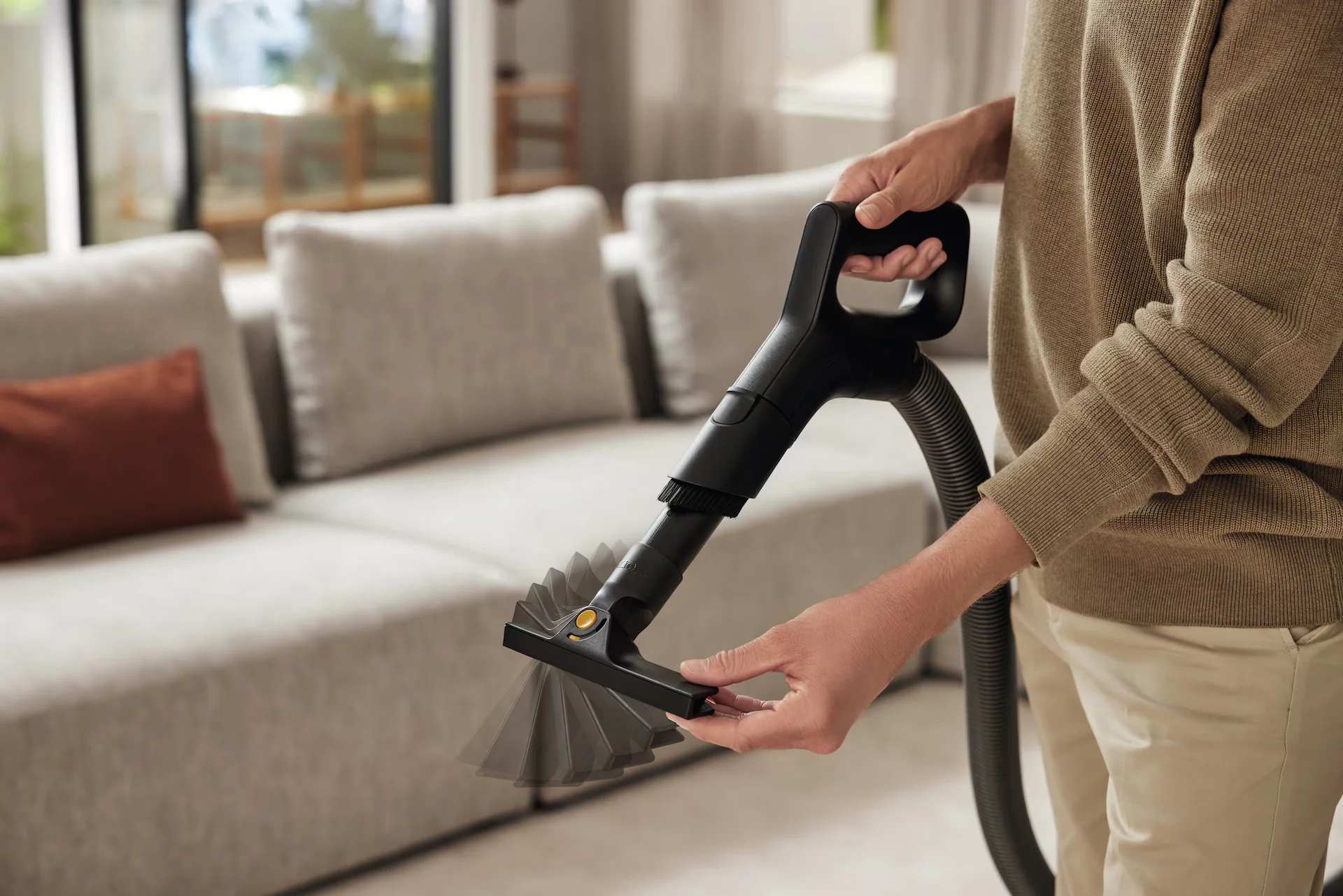
- Attachment control. Upholstery needs steady suction, a clean brush, and the right tool for seams. A motorized mini brush can help on tightly woven fabrics, but it can be too aggressive for delicate weaves.
- Bagged is often better for allergies. A quality bag traps dust during removal. Bagless bins can be a sneeze-fest when you empty them.
If you only have a standard vacuum
You can still make progress. Use a clean upholstery tool, vacuum slowly, and empty the bin outdoors if possible. Then wipe the canister rim and seals with a damp microfiber cloth. The goal is to keep the “dust cloud” moment as small as you can.
My rule of thumb: if your vacuum makes your eyes itchy while you use it, the filtration and seals are not doing enough.
Quick vacuum shopping checklist
- Sealed system (not just a HEPA filter on paper)
- True HEPA filtration
- Bagged design if allergies are a big factor
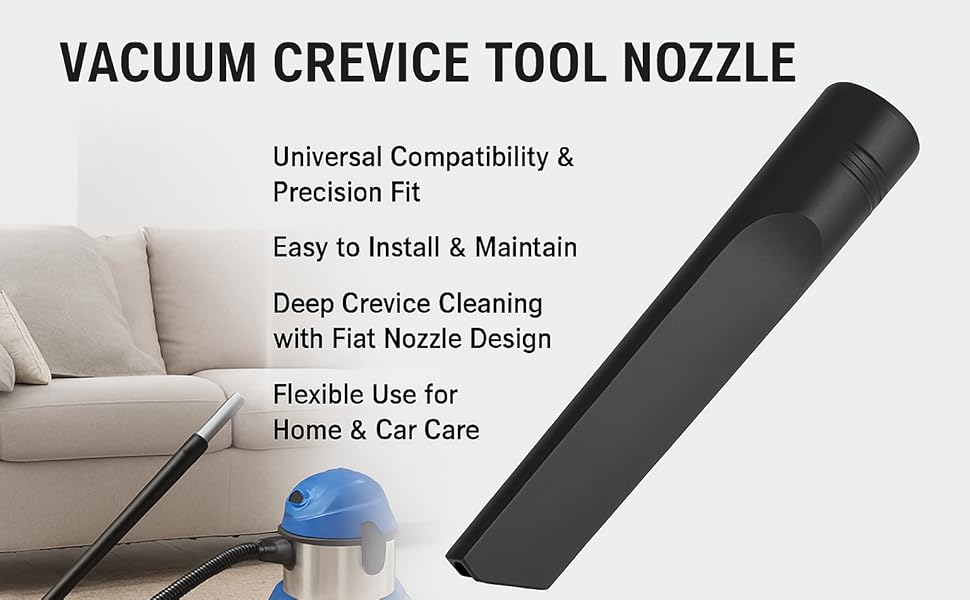
- Upholstery tool + crevice tool
- Optional: mini motorized tool (great for tight weaves, skip for delicate fabrics)
The vacuum sequence
This is the part most people skip. The order matters because you do not want to re-contaminate a freshly cleaned cushion by dropping debris from the backrest, or by grinding grit deeper into the fabric.
Step-by-step couch reset (30 to 60 minutes)
- Prep the room. Open a window if outdoor pollen is not a problem that day. If you have an air purifier, run it on high during cleaning and for an hour after.
- Strip the couch. Remove throw pillows, blankets, and any washable covers. Put washable items straight into the laundry. Do not shake them in the room.
- Vacuum top to bottom. Start with the top back, then arms, then seat deck. Slow passes matter. Think of it like painting: deliberate coverage, not speed.
- Hit seams and crevices. Use a crevice tool where crumbs and allergen-heavy dust hide. Get between seat cushions and the frame.
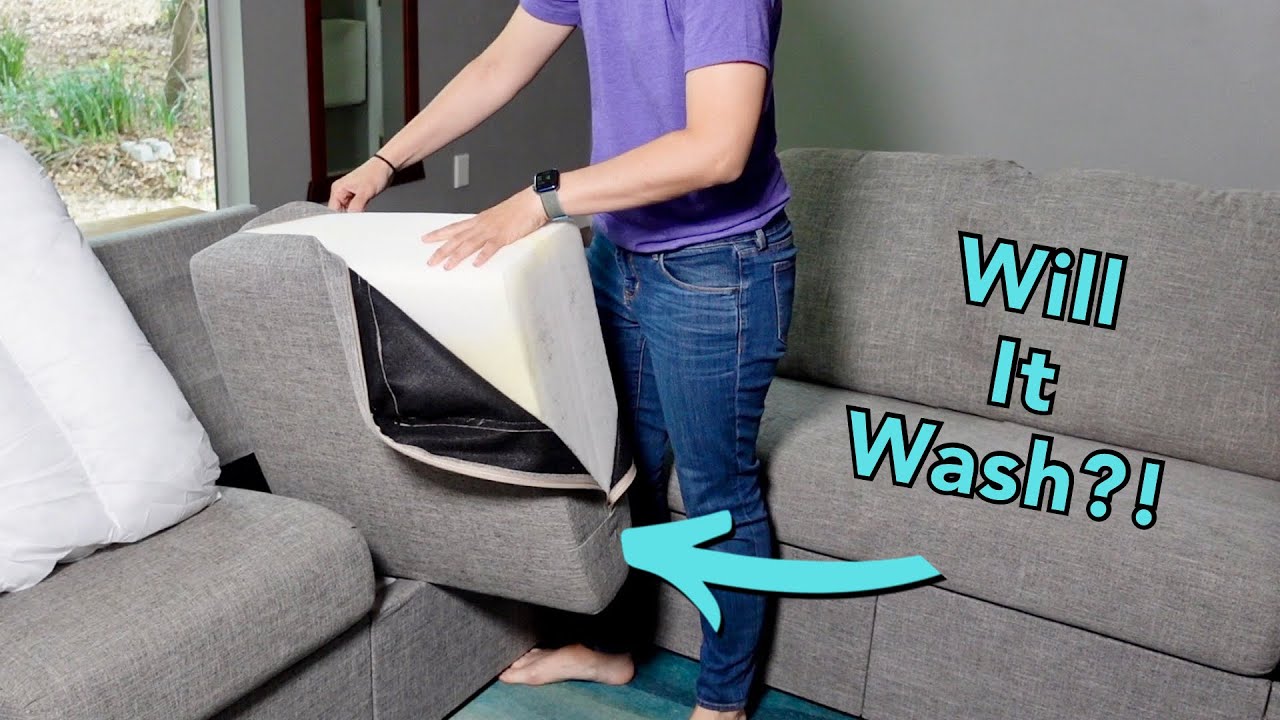
- Flip and vacuum cushions (if possible). Vacuum both sides. If your cushion covers unzip, unzip them and vacuum along the zipper track and inner edges.
- Finish with the floor around the couch. Dust knocked loose ends up here. Vacuum at least a 3 to 6 foot area around the sofa, especially if you have baseboard vents.
Small upgrades that help
- Slow down. Fast passes skim the surface.
- Use clean attachments. A dusty brush just redistributes grime.
- Do not forget the back panel. If your couch sits near a wall, vacuum the back fabric too.
Steam and heat
Heat can reduce dust mite populations, but upholstery is not a cotton towel. Most couch fabrics, cushion foams, and underlying glues do not love being soaked or overheated. Also, many consumer steamers do not deliver a consistent, sustained temperature deep in a cushion core, so expect steam to help more on the surface than as a full “kill it all” solution.
When steam can make sense
- Durable, colorfast upholstery where the manufacturer allows water-based cleaning (check the care code if you have it).
- When you can dry fast. The biggest risk with steam is leaving moisture behind, which can encourage mold and musty odors.
When to skip steam
- Vintage or unknown fabrics. Dyes can bleed, fibers can shrink, and you can end up with watermarking.
- Velvet, silk blends, and delicate weaves. These can crush, ripple, or spot.
- Down-filled cushions. Moisture can linger and clump.
If you steam, follow these drying rules
- Less water than you think. Multiple light passes beat one soaking pass.
- Cross-ventilation plus airflow. Run a fan aimed across the surface, not directly into the fabric.
- Dehumidify. If your home runs humid, use a dehumidifier in the room until the couch is fully dry.
- Do not put cushions back immediately. Let each piece dry separately so trapped moisture cannot hide inside the sandwich of fabric and foam.
A practical benchmark: aim for fully dry the same day, ideally within 4 to 8 hours. If it is still cool-damp later, you used too much moisture or do not have enough airflow and humidity control.
Care codes (quick guide)
If your couch still has its tag, the cleaning code helps you avoid expensive mistakes:
- W: Water-based cleaners are generally safe.
- WS or SW: Water-based or solvent-based cleaners may be used.
- S: Solvent-based cleaner only. Water can cause staining or damage.
- X: Vacuum only. No water, no solvent. Stick to dry methods and call a pro for stains.
Even with the “right” code, always spot test in an inconspicuous area first.
Slipcovers and encasements
If you are allergy-prone, a removable barrier can be a game-changer. But not every cover is equally helpful.
Slipcovers
Pros: You can wash them. They also take the daily wear, which is lovely if you have kids, pets, or a red wine habit.
Cons: Many slipcovers are loose and porous. They reduce surface dust, but they do not seal cushions the way a true encasement does. Some fabrics also pill, which can hold onto allergens.
Allergen encasements (for cushions)
Pros: A good encasement uses a tightly woven fabric and a zipper closure to limit dust mite allergen transfer. This is especially helpful if your cushion inserts are older and hard to clean deeply.
Cons: They can feel crinkly or change the hand-feel of the cushion. They also add a layer that may slightly firm up the sit. You will want to make sure your decorative covers still fit comfortably.
My realistic recommendation
- If your allergies are mild to moderate: start with washable slipcovers or washable cushion covers and a strong vacuum routine.
- If allergies are significant or asthma is involved: consider encasements for seat and back inserts, then put your normal covers over them.
UV vacuums and sprays
These are heavily marketed, so here is the straight talk.
UV upholstery vacuums
UV-C light can inactivate some microbes with the right dose and exposure, but on a couch the light is easily blocked by fabric texture and dust. In real use, UV features are often less important than strong suction, agitation, and sealed HEPA filtration. If a UV vacuum also happens to be a great sealed HEPA vacuum, fine. Just do not treat UV as the reason it will solve allergens.
Anti-allergen or “denaturing” sprays
Some sprays claim to denature allergens (including dust mite proteins). They can help in specific cases, but they are not magic, and results vary by product and how you use it. The bigger issue: if you spray and do not remove the residue with proper drying and extraction, you can leave behind sticky buildup that attracts more soil.
- If you try one: choose a reputable product, follow directions exactly, and spot test first.
- Skip the perfume bombs: strong fragrance can irritate airways even if it smells “clean.”
- Still vacuum: sprays do not replace physical removal of dust and debris.
Washing and airflow
One of the sneakiest parts of couch allergens is that the problem is not only the couch. It is also the air movement around it.
Washing removes allergens, but handling matters
- Carry textiles gently. Do not shake throws and pillow covers in the living room. That just launches fine particles.
- Wash warm if the fabric allows. Higher temperatures can help, but always follow care labels. Damage is not worth it.
- Dry thoroughly. Slight dampness can lead to odor and mildew, especially with thick covers.
Air pathways
If your couch sits near a return vent, the area can act like a funnel for dust. When you sit down and the cushions puff, particles can be kicked up and may contribute to recirculation through the HVAC system, depending on airflow and filtration.
- Change HVAC filters regularly. Choose a filter you can sustain without stressing airflow. Very high MERV filters can restrict airflow in some systems, so match the filter to your HVAC specs.
- Vacuum the vent area. The floor and baseboards near returns collect a surprising amount of fine dust.
- Consider a purifier in the living room. Especially if you cannot open windows often.
Humidity targets
Humidity control is one of the most underrated dust mite strategies. Many guidelines recommend keeping indoor relative humidity below about 50%, and often in the 30 to 50% range for comfort and mite control. A cheap hygrometer takes the guesswork out.
If your home is consistently above 50% RH, a dehumidifier (or HVAC adjustments) can make your cleaning work stick longer.
Drying rules
Moisture control is the difference between a fresh couch and a couch that smells like a forgotten beach towel.
Spot cleaning
- Blot, do not rub. Rubbing pushes soil and moisture deeper into fibers.
- Rinse lightly if appropriate. Residual soap can attract more dirt later.
- Dry fast. Towel-blot, then airflow. A fan plus dehumidifier is the dream team.
After any wet method, do the three checks
- Touch: no cool dampness anywhere, including seams.
- Smell: no musty note when you press your nose close to the fabric.
- Time: same-day dry is the goal. If it is still damp late in the day, increase airflow and lower humidity immediately.
What “hypoallergenic” gets wrong
I wish this label meant what it sounds like. In reality, “hypoallergenic” in furniture often points to one feature like a fabric choice or a finish, not an allergen-proof living situation.
Realistic expectations
- No fabric couch is dust-mite-proof. Dust mites can live where people live. The goal is reduction and routine.
- Leather and tight weaves are easier to manage. Smooth surfaces do not trap as much dust on the surface, but allergens can still collect in seams and crevices.
- Your habits matter more than your couch brand. Washing, vacuum order, humidity control, and filters are where you will feel the difference.
If you are shopping with allergies in mind, focus on removable, washable covers, simple cushion shapes you can fully access, and durable upholstery that can tolerate regular cleaning.
A simple rhythm
Allergen resets work best when the reset becomes a rhythm.
Weekly
- Vacuum seat cushions, arms, and crevices.
- Vacuum the floor around the couch and baseboards nearby.
Every 2 to 4 weeks
- Wash throw blankets and pillow covers.
- If you use slipcovers, wash them on the schedule the fabric can handle.
Seasonally
- Do a full strip and deep vacuum, including the back panel and under cushions.
- Check indoor humidity with a hygrometer and adjust if you are consistently above about 50% RH.
- Replace or clean HVAC filters as recommended for your system and household.
If you want the coziest version of this routine, light a soft amber lamp, put on something comforting, and treat it like resetting your space for your future self. Your lungs will notice, and your couch will feel fresher, too.
Safety notes
- Do not mix cleaners. Especially anything involving bleach, ammonia, or acids.
- Spot test first. Hidden corner, small area, let it fully dry, then decide.
- Go easy on brushing. Over-brushing can fuzz or damage delicate weaves.
When to bring in a pro
Consider professional upholstery cleaning if:
- You have persistent odors, visible staining, or a history of water exposure.
- Someone in the home has severe allergies or asthma and symptoms spike around soft furniture.
- Your couch is vintage or valuable and you are unsure about safe methods.
Ask what method they use, how they control moisture, and how long drying typically takes in real homes. A good cleaner will answer clearly without vague promises.