A Cozy Reading Nook for an Awkward Corner

Clara Townsend
Clara Townsend is an interior stylist, vintage furniture enthusiast, and the creative voice behind Velvet Abode. With over a decade of experience transforming both cramped city apartments and sprawling fixer-uppers, she believes that a beautiful home is built on personal stories rather than massive budgets. When she isn't hunting for the perfect brass sconce at a local flea market, she can usually be found rearranging her living room for the third time this month.
Every home has at least one weird little spot that feels like it is waiting for a purpose. The under-stair triangle. The shallow alcove that will not hold a “normal” chair. That corner in the bedroom that collects laundry baskets like a magnet. My favorite design trick is giving those awkward corners a job, and the coziest job of all is a reading nook.
Forget perfection. A great reading nook is basically a mini room with three things: a place to land, a light you actually want to live under, and a small surface for your tea, book stack, or both. The rest is texture, mood, and your personal quirks in the best way.
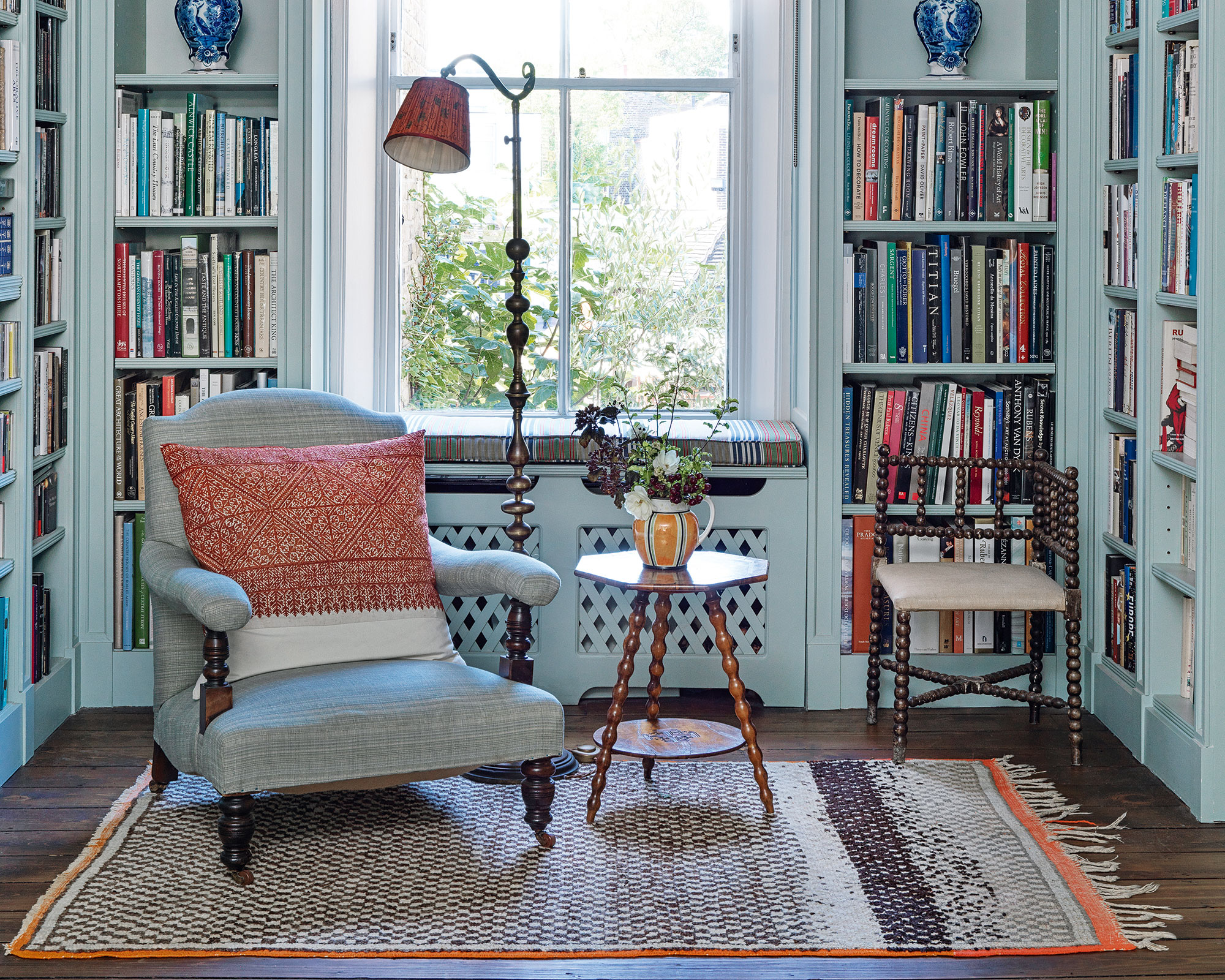
Step 1: Read the corner
Before you buy anything, do a two-minute “corner audit.” This is the part that saves money and prevents the dreaded chair-that-blocks-everything situation.
- Measure the footprint. Note the width of each wall and how far you can come out into the room without pinching a walkway. A comfortable target for circulation is about 30 to 36 inches, especially near doors and main traffic paths.
- Look up. Does the corner have a window, a sloped ceiling, a vent, or a stair stringer overhead? Vertical limitations matter as much as floor space.
- Find the outlet. Lighting is what makes a nook feel intentional. If there is no outlet, plan for a rechargeable lamp or a plug-in sconce with a tidy cord cover.
- Check the natural light. If it is bright, you can lean into airy linens and a lighter rug. If it is dim, you will want warmer bulbs and lighter surfaces to bounce light.
My note: I like to mark the nook’s footprint with painter’s tape on the floor. It is unglamorous and incredibly effective.
Step 2: Pick the right seat
Your seat is the anchor. In an odd corner, the goal is comfort without bulk. Here are my go-to options, depending on the shape of the space.
For a shallow alcove
- Armless slipper chair: Slim profile, easy to slide in and out, and it will not visually fight the walls.
- Small club chair: If the alcove is wide enough, a tight-back vintage club chair feels like instant library energy.
For an under-stair space
- Low lounge chair: A lower back helps when the ceiling slopes. Pair with a small ottoman so you can put your feet up without needing a full recliner footprint.
- Built-in style bench with cushions: If you can DIY or hire help, a bench along the short wall makes the space feel custom, and you can tuck baskets underneath.
For a plain empty corner
- Oversized chair and a half: If you have the clearance, this is peak cozy. It turns the nook into a destination.
- Vintage cane chair with plush cushion: Perfect if you want a lighter look but still crave softness.
Comfort checklist: Your knees should be roughly level with your hips, your back should feel supported, and you should be able to rest a forearm comfortably. If you want extra support, add a firmer seat cushion or a small lumbar pillow rather than piling on decorative pillows. If a chair is cute but makes you fidget after five pages, it is not a reading chair.
Quick sizing guide: For most corners, a chair that is roughly 28 to 36 inches wide and 30 to 38 inches deep fits without swallowing the room. If you are choosing a side table, a 14 to 20 inch diameter (or a 10 to 14 inch wide C-table) is usually the sweet spot.
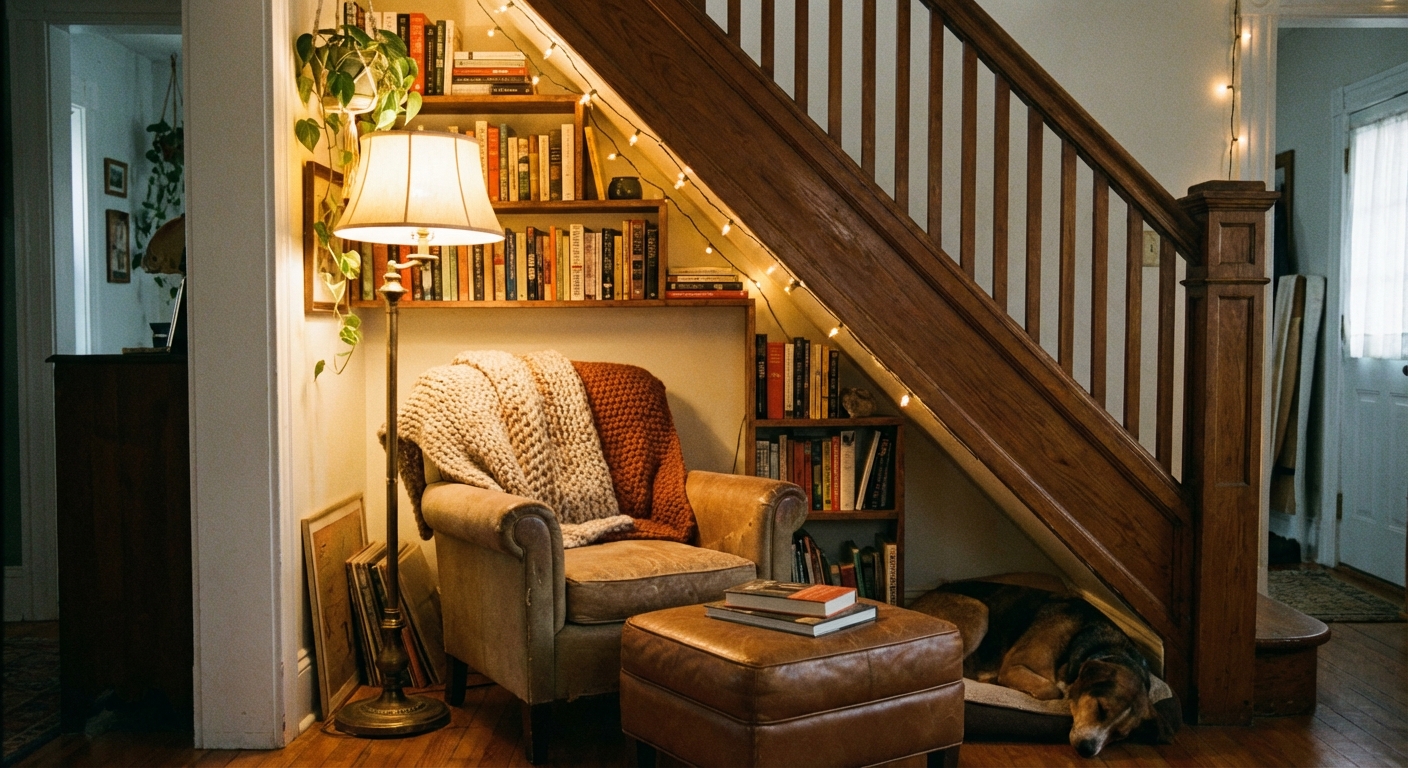
Step 3: Light it well
Cozy is mostly lighting. If your nook feels like a “sad corner” instead of a sanctuary, it is usually because the light is overhead-only or too cool.
- Start with a dedicated reading light. A floor lamp with an adjustable arm, a swing-arm wall sconce, or a clip-on lamp (yes, really) can direct light onto your book without glaring in your eyes.
- Layer a softer glow. Add a small table lamp, a rechargeable lamp, or even a warm LED candle for that late-night hush.
- Pick the right bulb. Look for 2700K to 3000K for a warm, inviting tone. If you are sensitive to eye strain, a high CRI bulb (ideally 90+) may feel more comfortable and natural, especially for long reads.
Quick placement tip: If you read with the book in your lap, place the light slightly behind and to the side of your shoulder, ideally on the opposite side of the hand you hold the book with. It helps reduce shadows on the page.
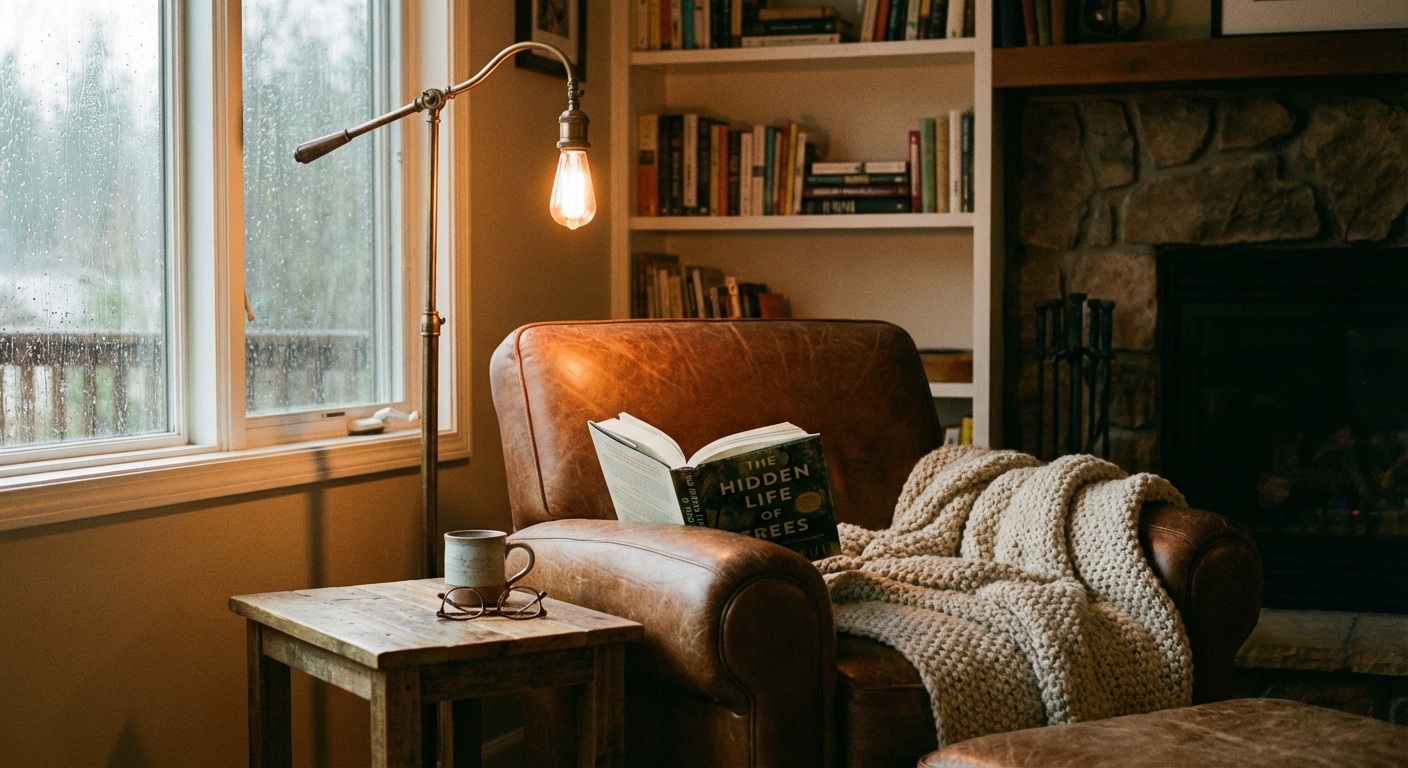
Step 4: Add a landing spot
A reading nook needs a place to set things down. Otherwise, you end up balancing tea on a windowsill like a circus act.
Best small-space surfaces
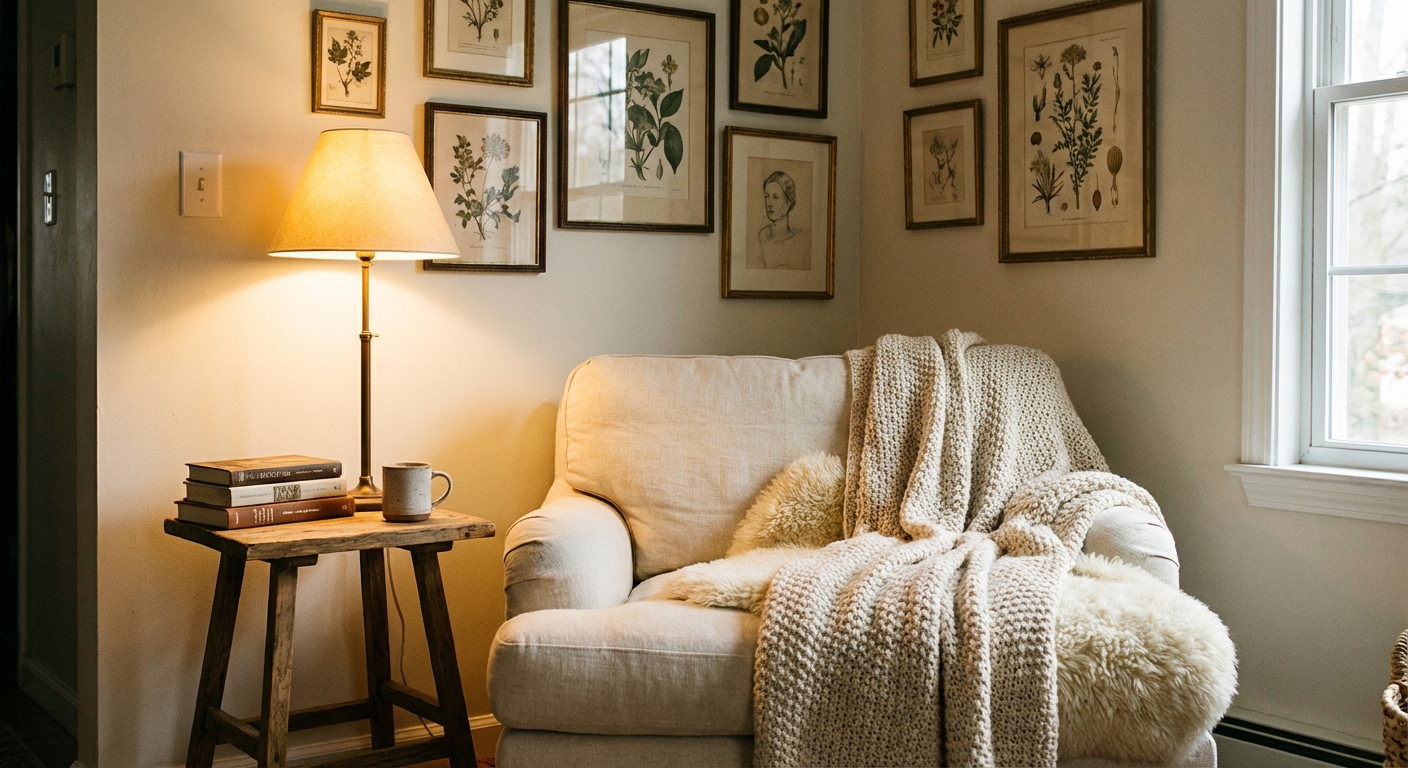
- C-shaped side table: Slides under the chair and saves floor space.
- Round pedestal table: Takes up less visual room and is easier to squeeze into tight corners.
- Wall-mounted shelf: Perfect for under-stair nooks or ultra-narrow alcoves. Choose a depth of about 6 to 10 inches depending on what you want to park there (paperbacks, a mug, a small tray, or bigger hardcovers).
- Stacked vintage trunks: Cozy, story-filled, and secretly great storage. Add a small tray on top so your mug has a stable base.
Height guide: Aim for a surface that sits about level with your chair arm, or slightly lower, so you are not reaching up and over.
Step 5: Layer textiles
Textiles are where your nook starts to feel like a comforting hug. Even if the nook is in a hallway corner, fabric helps it feel separate from the rest of the room.
- Rug: Choose a rug large enough that at least the front legs of the chair sit on it. In very tight corners, a 2x3 or 3x5 can still do the job.
- Throw blanket: Go for something tactile. Washed linen for breezy, wool for classic, velvet for cozy drama, chunky knit for cabin vibes.
- Pillow: One good lumbar pillow beats three decorative ones you have to move every time you sit down.
- Window treatment: If there is a window, add simple linen curtains or a Roman shade to soften the edges and reduce glare.
Texture pairing I love: A worn leather chair with a rumpled linen pillow, plus a soft wool throw. It feels collected, not matchy.
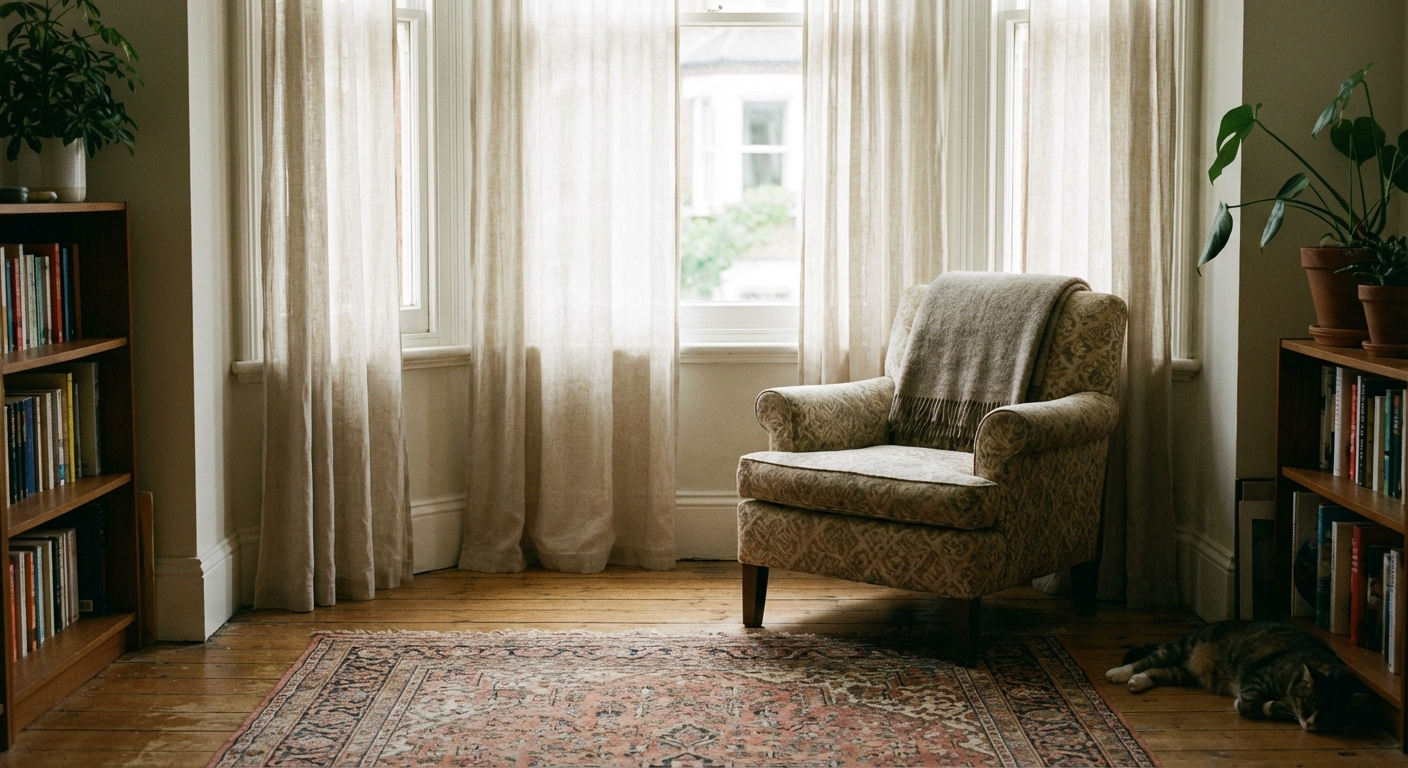
Step 6: Add quiet storage
Reading nooks attract clutter in the most charming way. Books, bookmarks, charging cords, magazines, maybe a sleepy cat. The trick is making storage part of the styling.
- Wall shelves: A couple of small shelves above the chair can hold a rotating stack of books and a tiny object or two.
- Baskets: Tuck one basket under a side table for throws or extra pillows. Lidded baskets are great if the nook sits in a public space like a living room.
- Storage ottoman: One of my favorite awkward-corner hacks. It adds comfort and hides the not-cute stuff.
- Picture ledge: A narrow ledge can hold books face-out without taking much depth. Bonus: it makes the nook feel curated.
Rule of thumb: Keep the open storage pretty and limit it to what you are happy seeing every day. Hide the rest.
Step 7: Make it intentional
This is the finishing step that makes your nook look like it belongs, not like you shoved a chair into a corner and hoped for the best.
Add one tall anchor
Add height so the nook feels complete. Pick one:
- Tall plant in a pot you love
- Leaning mirror for vintage glow and extra light bounce
- Gallery wall of 2 to 5 frames
- Wall sconce that acts like jewelry
Add one personal object
A reading nook should feel like you. Try a framed postcard from a trip, a little ceramic dish for rings, or a thrifted brass animal that makes you smile. Tiny, specific, and you.
Keep it calm, add one rich note
If the corner is already visually busy, go neutral and layered: cream, oatmeal, warm gray, soft tan. Then add one velvet note like deep rust, olive, navy, or aubergine in a pillow, lamp shade, or small piece of art.
Quick fixes
If the nook blocks a walkway
- Swap to an armless chair or a narrow bench.
- Use a wall-mounted shelf instead of a side table.
- Choose a plug-in sconce to free up floor space.
If the corner is dark
- Add a mirror to bounce light back into the nook.
- Use a lighter rug and lighter upholstery.
- Layer two warm light sources instead of one bright overhead.
If the corner feels too exposed
- Place a tall plant or a folding screen slightly behind the chair.
- Use curtains (even in a doorway) to create softness and privacy.
- Angle the chair inward so your body naturally faces the room less.
If you rent and cannot drill
- Use a tension rod for curtains in an alcove.
- Try rechargeable picture lights or table lamps.
- Lean a framed print on a shelf or dresser instead of hanging it.
Safety notes
A cozy nook should also be a no-stress nook.
- Mind the cords. Run lamp cords along the wall (not across the floor) and use a cord cover if the nook sits near a path. Under stairs especially, trip hazards love to hide.
- Keep heat and air clear. Avoid blocking radiators, baseboard heaters, and vents with chairs, curtains, or baskets. Your nook should feel warm, not cooked.
- Choose stable lighting. If you have kids, pets, or a wobbly floor, go for a heavier lamp base or a wall-mounted option.
Shopping list
If you want the reading nook to come together in one weekend, here is the tight, no-fuss checklist.
- Comfortable chair or bench
- Ottoman or footstool (optional but very worth it)
- Reading light (floor lamp or sconce)
- Small side table or wall shelf
- Rug
- Throw blanket and one pillow
- One vertical anchor (plant, mirror, or art)
- Basket or small storage piece
Budget note: If you are thrifting, prioritize the chair and a good lamp. Textiles are the easiest part to swap later.
Final touch
The best reading nook is the one you actually use. Add what supports your little ritual. A coaster you love. A bookmark that makes you laugh. A tiny dish for your glasses. When a corner holds your habits, it stops being awkward and starts being yours.
If you try this and your nook still feels off, it is almost always one of three things: the chair is too big, the lighting is too cool, or the corner needs one more soft layer. Tweak one piece at a time. Your perfect nook is closer than you think.